སྒྱུ་རྩལ
མཛེས་སྡུག་དང་བདེ་ཐང
བཟོ་རིག
རིག་གནས་དང་ལོ་རྒྱུས
དགའ་སྟོན
ཁོར་ཡུག
ཟས་དང་བཏུང་རྫས
ཕྱིར་འཕྲུལ་རིག
ཚན་རིག
རྩེད་འགྲན
རིག་རྩལ
གྱོན་རུང
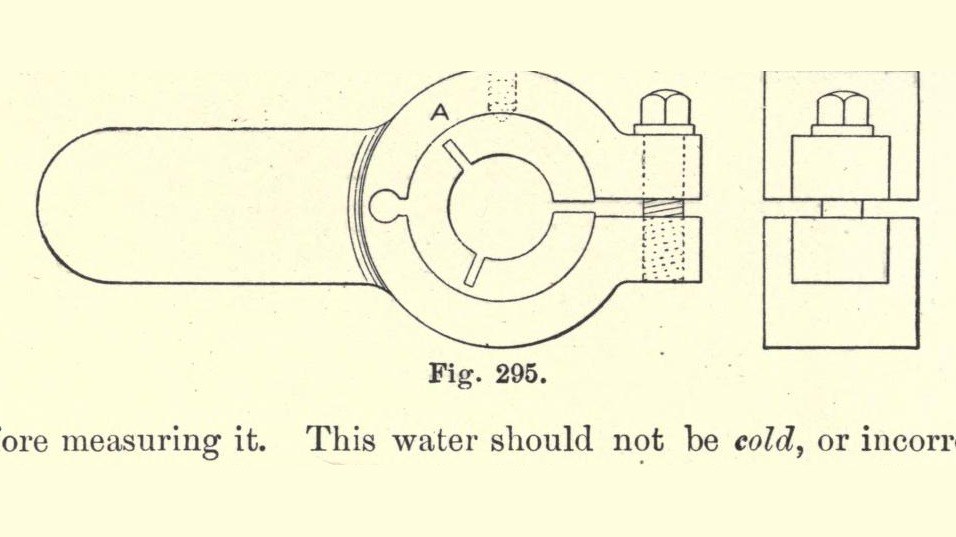


Plug Gauge: Machinery Steel Case-Hardened in Charred Leather (Markham, 1908)
A plug gauge checks the size of a hole. Hardened tool steel can creep in size for months, so some makers used machinery steel and case-hardened it instead.
E. R. Markham's Tool Making (1908) packs the turned gauge in charred leather in a box, keeps it red hot in the furnace 7 or 8 hours, lets it cool, reheats it in a tube to a low red and plunges it in raw linseed oil. No tempering is needed, and the gauge does not change as it ages. Grinding and lapping are as for any plug gauge.
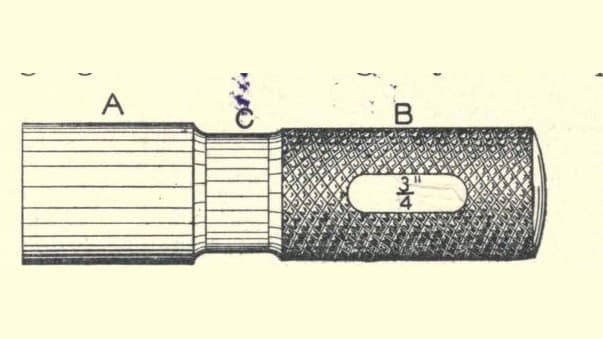
Mild steel stands for his machinery steel; the 3/4 in size is his Fig. 293.
Source: E. R. Markham, Tool Making (American School of Correspondence, 1908), pp. 178-182. Picture: his Fig. 295, ring laps in a holder.
མཐོ་རིམ
Two days
ལམ་སྟོན
1
1
Read Markham
Read Markham
"When it reaches a low red heat, it should be plunged in a bath of raw linseed oil. It will not be necessary to draw the temper, and the danger of alteration as it ages is done away with."
2
2
Turn, knurl and stamp
Turn, knurl and stamp
Rough out the bar, allowing enough to turn off the decarbonised skin. Turn the handle (B in Fig. 293) to size and knurl it, and turn and finish the neck (C). Mill a flat spot in the middle of the handle and stamp on it the size of the gauge and the name or mark of the part it gauges (some shops stamp on C instead). Stamp before finishing any gauging surface, as driving stamps stretches the steel. Then turn the gauging end (A) .010 to .015 in over the finished size to allow for grinding.
གོམ་པ་འདིའི་རྫས་རིགས:
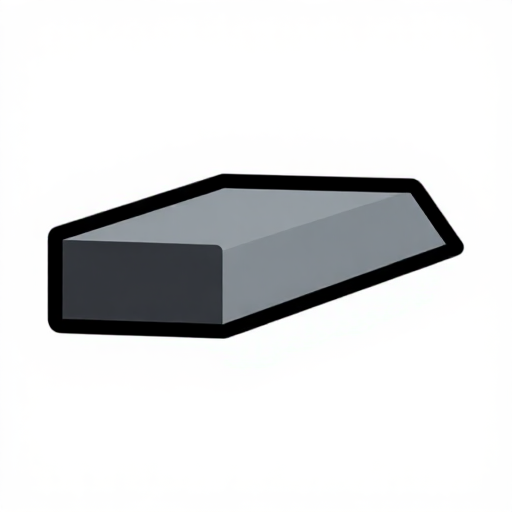 ལྕགས་འཇམ་གྱི་དབྱུག་ཏོ།1 bar
ལག་ཆས་དགོས་མཁོ:
 ལྕགས་ཀྱི་འཁྲུལ་འཁོར།
 བསྐོར་འཕྲུལ་གྱི་གཏུབ་ཆས
 ནར་ལིང་ལག་ཆས།
 གཤག་གཏུབ་འཁྲུལ་འཁོར།
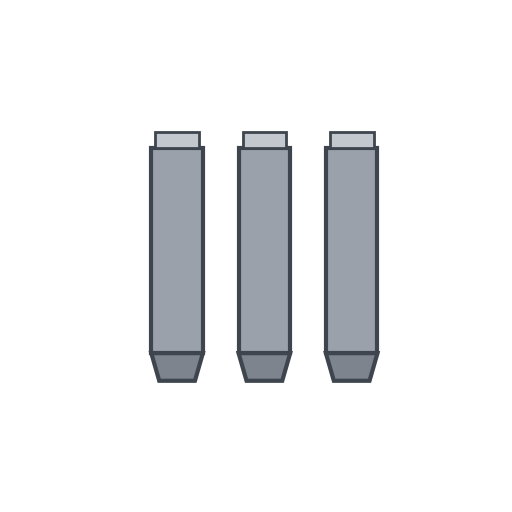 ལྕགས་ཀྱི་ ཡིག་འབྲུ་ དང་ ཨང་གི་ ཐམ་
 ཐོ་བ།
 ཕྲ་འཇལ་ཆས།
 ཉེན་སྲུང་མིག་ཤེལ།
3
3
Pack and carburise
Pack and carburise
Pack the gauge in a box with charred leather all round it, as for pack hardening, close the box and run it in the furnace for 7 or 8 hours. Then, red hot, take the box out of the furnace and let it cool with the gauge inside. Do not quench straight from the box: Markham's second heat refines the grain, making it as compact as properly hardened tool steel.
གོམ་པ་འདིའི་རྫས་རིགས:
 སོལ་བ་བཟོ་ཡོད་པའི་ ཀོ་བ་1 packing
ལག་ཆས་དགོས་མཁོ:
 ཀེསི་ སྲ་བཟོའི་ སྒམ་
 མཱཕལ་ཐབཉེན་སྲུང་མིག་ཤེལ།
4
4
Reheat and quench in oil
Reheat and quench in oil
Heat the gauge in an ordinary fire, enclosed in a piece of tube so the fire does not touch it. When it reaches a low red heat, plunge it into a bath of raw linseed oil. The temper need not be drawn.
ལག་ཆས་དགོས་མཁོ:
 མགར་ཐབ།
 ཟར་མའི་མར་རྗེན་པ།ཉེན་སྲུང་མིག་ཤེལ།
5
5
Grind
Grind
Grind on dead centres if you can (a worn lathe spindle copies its own error onto the work), with water running on the work to keep it cool; otherwise heat it as little as possible. Use a coarse wheel free from glaze to within .004 in of size, then a finer wheel to .001 in over. Always measure the gauge cold, since a gauge ground to size while warm will be small when it cools.
ལག་ཆས་དགོས་མཁོ:
 ཀོར་ཐིག་གི་སྣུར་འཕྲུལ།ཕྲ་འཇལ་ཆས།ཉེན་སྲུང་མིག་ཤེལ།
6
6
Lap to size
Lap to size
Make a lap: a piece of cast iron with a hole bored a trifle larger than the gauge, split, and closed by a screw (Fig. 294); for much gauge work, a holder with split ring laps held by a pointed screw (Fig. 295). Lap the gauge to finished size with flour emery mixed with oil. Lapping warms it too much to caliper, so cool it in a dish of water at the temperature of the room where it will be used (about 70 F), not cold water, before each measurement.
ལག་ཆས་དགོས་མཁོ:
 བླུགས་ལྕགས་ཀྱི་དབྱུག་གུ།
 ཨེ་མ་རི་ ཕྱེ་མ་
 འཁོར་ལམ་ཞག
 ཤེལ་གྱི་བི་ཀར།
 བཙོ་བཏོན་ཆུ།
 ཞིབ་དཔྱད་ཁང་གི་ཚ་གྲང་འཇལ་ཆས།ཕྲ་འཇལ་ཆས།
7
7
History and honest limits
History and honest limits
Markham notes that the creeping of hardened tool steel, put down to a rearrangement of its particles after hardening, led some manufacturers to use machinery steel for gauges. The case-hardened gauge needs no seasoning.
He calls the steel "machinery steel"; mild steel bar stands for it here. The size of the box and the furnace are not given; the 3/4 in size is his Fig. 293.
རྫས་རིགས
2- ས་ཆ་འཛིན
- 1 packingས་ཆ་འཛིན
ལག་ཆས་དགོས་མཁོ
19- ས་ཆ་འཛིན
- ས་ཆ་འཛིན
- ས་ཆ་འཛིན
- ས་ཆ་འཛིན
- ས་ཆ་འཛིན
- ས་ཆ་འཛིན
- ས་ཆ་འཛིན
- ས་ཆ་འཛིན
- ས་ཆ་འཛིན
- ས་ཆ་འཛིན
- ས་ཆ་འཛིན
- ས་ཆ་འཛིན
- ས་ཆ་འཛིན
- ས་ཆ་འཛིན
- ས་ཆ་འཛིན
- ས་ཆ་འཛིན
- ས་ཆ་འཛིན
- ས་ཆ་འཛིན
བིལུ་པིརིན་ཊི་འདི་གིས་བཟོ་མི
འབྲེལ་ཡོད་བིལུ་པིརིན་ཊི
བིལུ་པིརིན་ཊི་འདི་ཚུ་ཐབས་ལམ་དང་རྫས་རིགས། སྤྱི་ཆོས་བགོ་བཤའ་བྱེད
CC0 སྤྱི་དབང
བིལུ་པིརིན་ཊི་འདི་CC0 འོག་བཀྲམས་ཡོད། ཁྱེད་རང་གིས་ཆོག་མཆན་མ་བཞེས་པར་ཕབ་ལེན་དང་བཟོ་བཅོས། བགོ་བཤའ། དགོས་མཁོ་གང་ལའང་བཀོལ་སྤྱོད་བྱས་ཆོག
བཟོ་མཁན་ལ་རྒྱབ་སྐྱོར་བྱེད་པའི་ཆེད་ཁོང་ཚོའི་བིལུ་པིརིན་ཊི་བརྒྱུད་ཐོན་སྐྱེད་ཉོ། བཟོ་མཁན་གྱིས བཟོ་མཁན་གྱི་ཁེ་ཕོགས ཚོང་པས་གཏན་འཁེལ་བྱས་པ། ཡང་ན་བིལུ་པིརིན་ཊི་འདིའི་པར་གསར་བཟོས་ཏེ་ཁྱེད་རང་གི་བིལུ་པིརིན་ཊི་ནང་མཐུད་སྦྲེལ་བྱས་ཏེ་ཡོང་སྒོ་བགོ་བཤའ་བྱེད།