སྒྱུ་རྩལ
མཛེས་སྡུག་དང་བདེ་ཐང
བཟོ་རིག
རིག་གནས་དང་ལོ་རྒྱུས
དགའ་སྟོན
ཁོར་ཡུག
ཟས་དང་བཏུང་རྫས
ཕྱིར་འཕྲུལ་རིག
ཚན་རིག
རྩེད་འགྲན
རིག་རྩལ
གྱོན་རུང
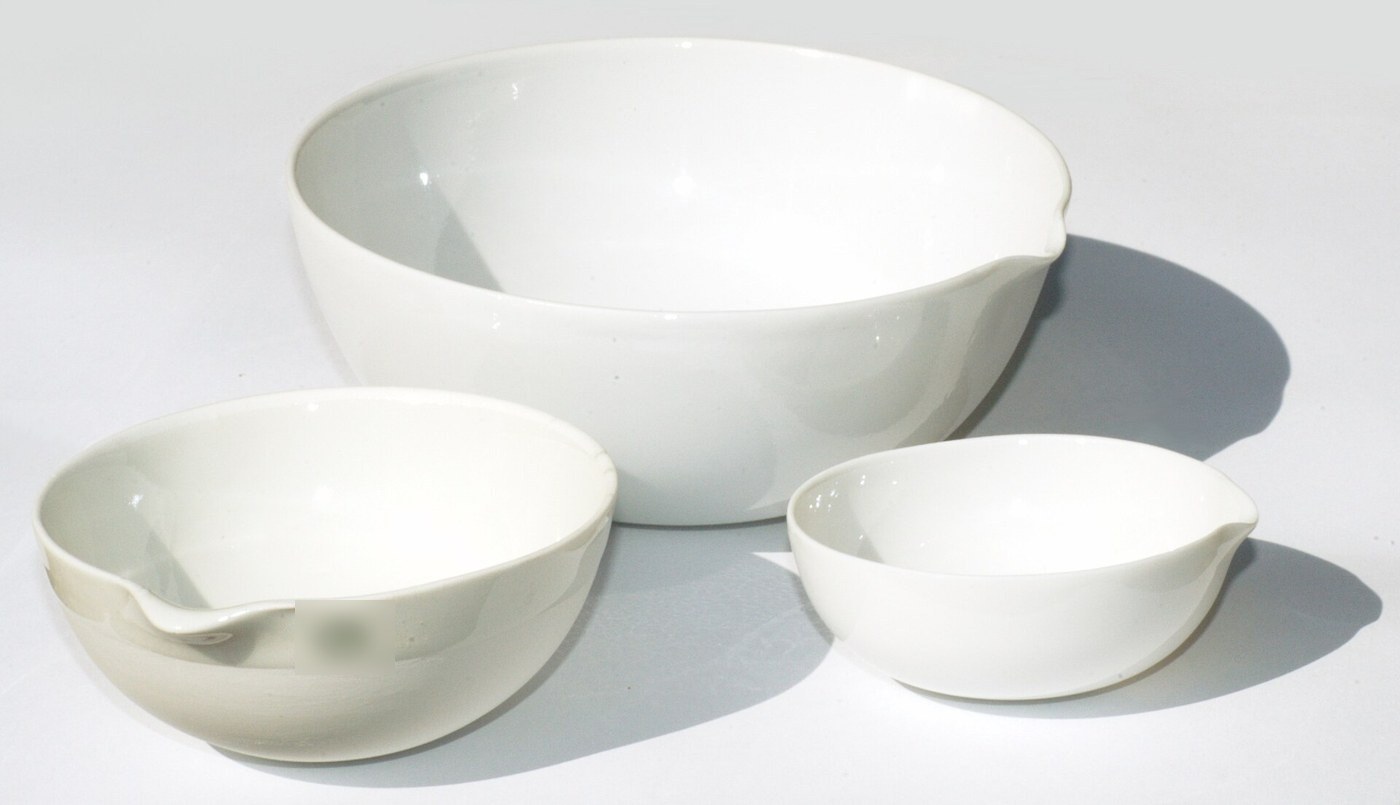


Porcelain Labware: Evaporating Dishes, Crucibles, Funnels and Streak Plates
Hard porcelain stands strong heat and most chemicals, so the laboratory's dishes, crucibles and filter funnels are made of it; left unglazed, its white biscuit is the streak plate for testing minerals. Form the pieces, give them a light first firing, dip them in ground-felspar glaze, and fire them hard in saggers, as Andrew Ure (1839) describes for Sèvres.
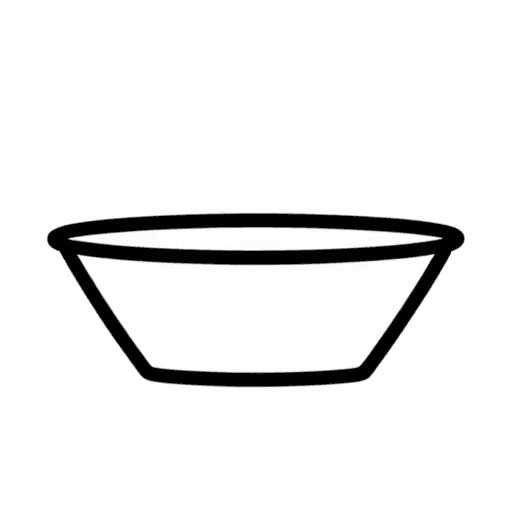
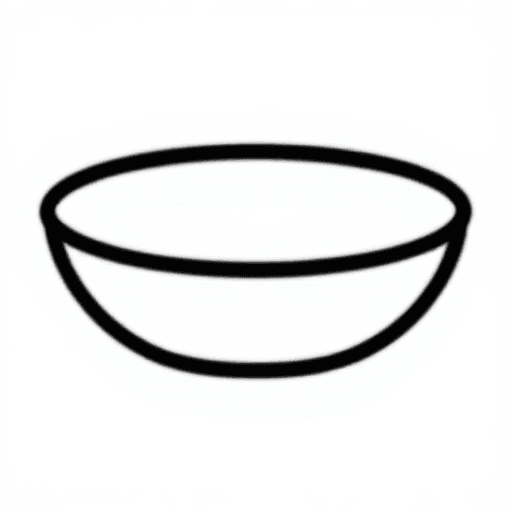
The picture: porcelain evaporating dishes in three sizes, glazed, with pouring lips.
མཐོ་རིམ
Weeks with drying and two firings
ལམ་སྟོན
1
1
Form the pieces
Form the pieces
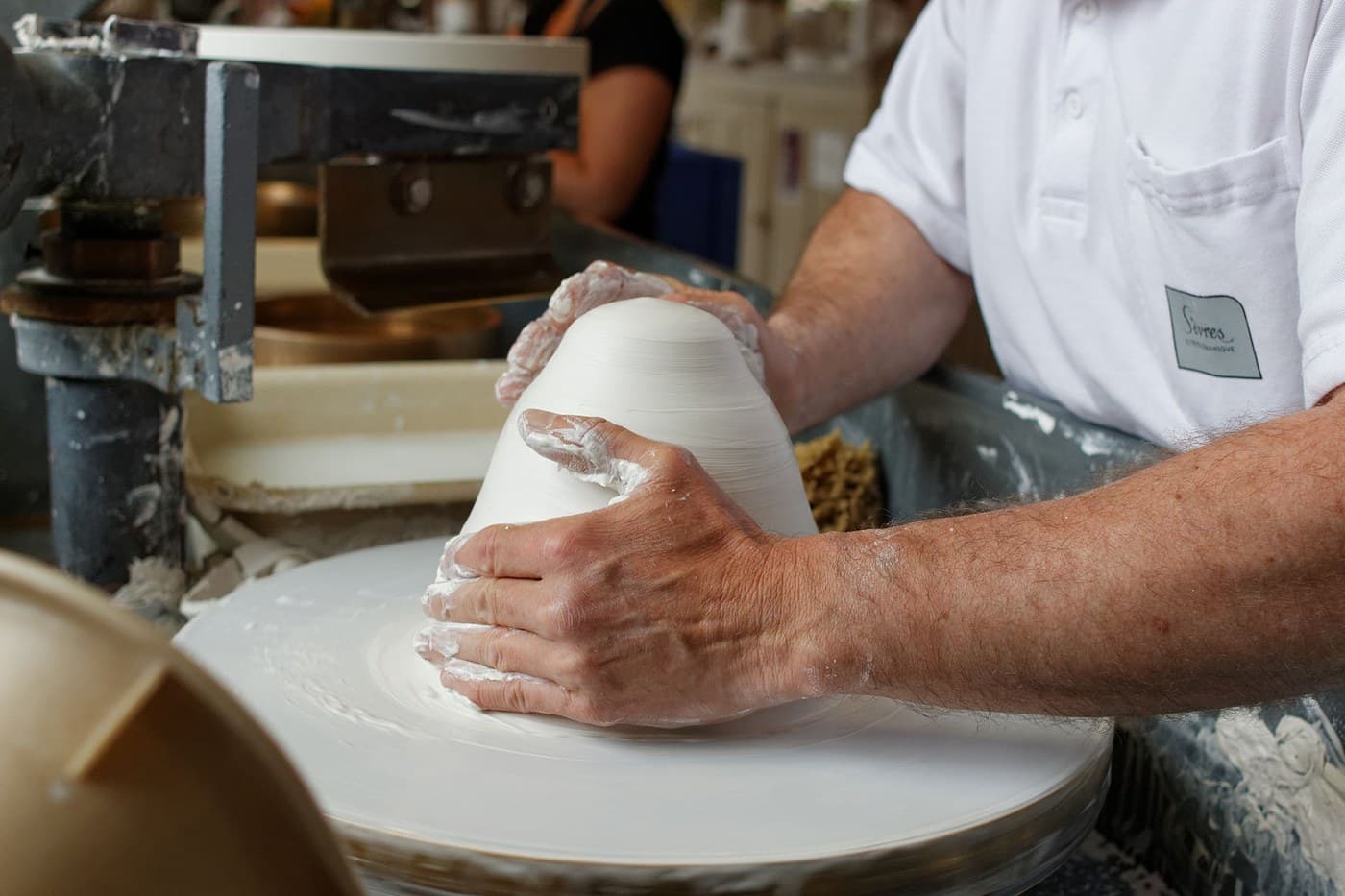
Throw shallow round dishes with a lip and small lidded crucibles on the wheel. For a Büchner funnel throw a cylinder with a flat floor, pierce the floor with many small holes and add a stem. Roll a slab and cut it into small tiles for streak plates.
གོམ་པ་འདིའི་རྫས་རིགས:
 པོར་སི་ལིན་འཇིམ་པ།5 kg
ལག་ཆས་དགོས་མཁོ:
 རྫ་མཁན་གྱི་འཁོར་ལོ།
 བག་བརྡར་ཤིང་བུ།
 རྫ་བཟོའི་ལག་ཆས་ཆ་ཚན།
 ཐིག་ཤིང་།
2
2
Dry very slowly
Dry very slowly
Ure: dry them very slowly; a little hurry spoils them.
3
3
Light first firing
Light first firing
Fire them gently so they keep their shape but become strong enough to handle and be dipped in water.
གོམ་པ་འདིའི་རྫས་རིགས:
 མེ་ཤིང་།1 as required
ལག་ཆས་དགོས་མཁོ:
 ཐབ།
ཐབ། ཚ་བཟོད་ཀྱི་ལག་ཤུབས།
4
4
Felspar glaze
Felspar glaze
Grind felspar very fine, stir it with water and a little vinegar to a thin pap. Dip each dish, crucible and funnel for an instant; the porous body draws the glaze on. Wipe the glaze off the feet. Leave the streak-plate tiles unglazed.
གོམ་པ་འདིའི་རྫས་རིགས:
 ཕེལ་སི་པར་གྱི་རྡོ་གོང་།0.5 kg
 ཆུ།2 ལི་ཊར།
 སྐྱུར་ཆུ0.05 ལི་ཊར།
ལག་ཆས་དགོས་མཁོ:
 གཞོང་རྡོ
 དྲ་ཕྲ་བའི་ཚག་མ།
 ཤིང་གི་ཟོ་ཆེན།
 ཐལ་བའི་ཁ་རས།
5
5
Set in saggers
Set in saggers
Set every piece in its own sagger on a flat, sand-dusted base so it cannot stick or sag out of shape; small pieces may share a base if they do not touch.
གོམ་པ་འདིའི་རྫས་རིགས:
 བྱེ་མ་ཞིབ་མོ།1 kg
ལག་ཆས་དགོས་མཁོ:
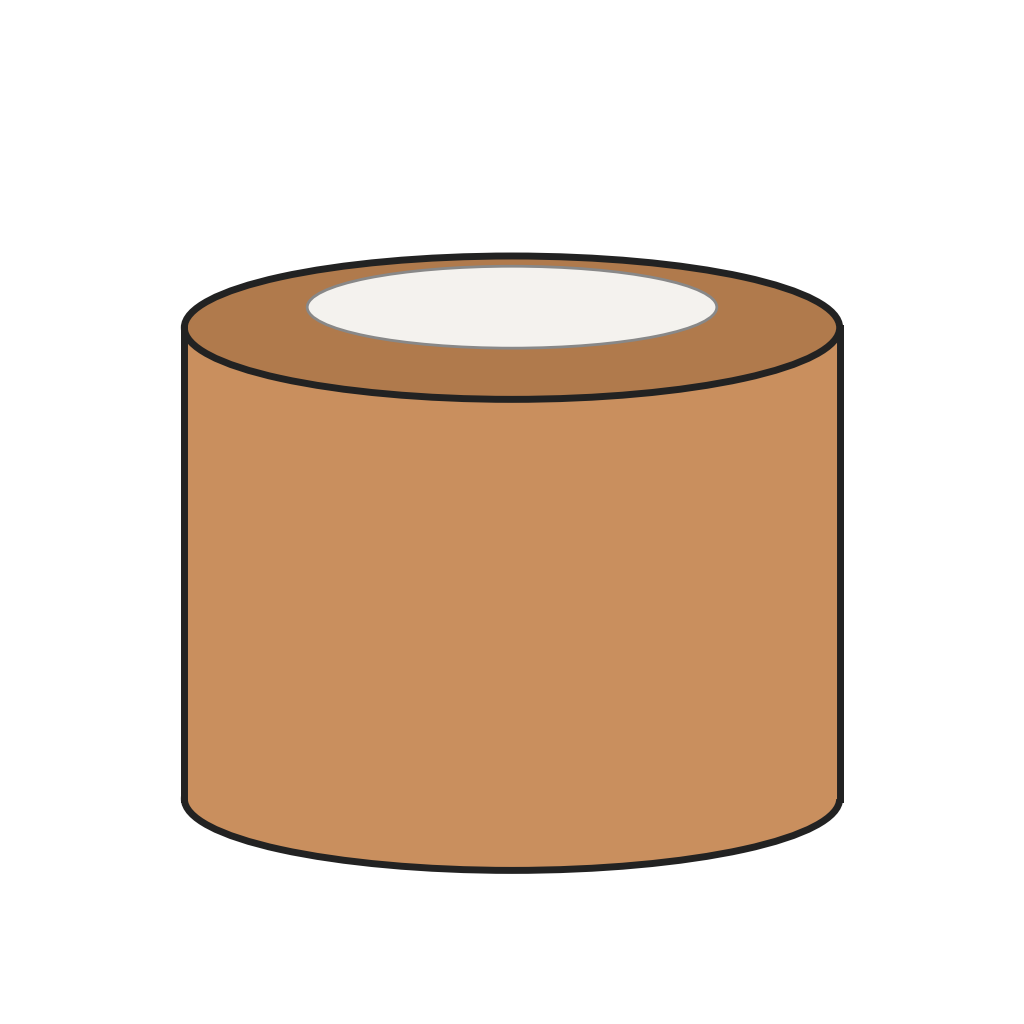 མེ་བཟོད་འཇིམ་པའི་སྒམ།
6
6
The hard firing
The hard firing
Raise the fire slowly for about 15 hours to a cherry red, then fire hard until the kiln glows white inside, drawing trial pieces to judge when the glaze is smooth. Cool slowly over days.
གོམ་པ་འདིའི་རྫས་རིགས:
མེ་ཤིང་།1 as requiredལག་ཆས་དགོས་མཁོ:
ཐབ།ཚ་བཟོད་ཀྱི་ལག་ཤུབས།7
7
Ure's firing, hour by hour
Ure's firing, hour by hour
Jupyter ཚང་དེབ་མངོན་གསལ་འབད་དོ་…
8
8
Limits
Limits
The firings, glaze and saggers are Ure's account of Sèvres; the forms of the four wares are ours. A full porcelain firing needs a kiln that reaches white heat.
རྫས་རིགས
6- ས་ཆ་འཛིན
- 1 as requiredས་ཆ་འཛིན
- 0.5 kgས་ཆ་འཛིན
- 2 ལི་ཊར།ས་ཆ་འཛིན
- 0.05 ལི་ཊར།ས་ཆ་འཛིན
- 1 kgས་ཆ་འཛིན
ལག་ཆས་དགོས་མཁོ
11- ས་ཆ་འཛིན
- ས་ཆ་འཛིན
- ས་ཆ་འཛིན
- ས་ཆ་འཛིན
- ས་ཆ་འཛིན
- ས་ཆ་འཛིན
- ས་ཆ་འཛིན
- ས་ཆ་འཛིན
- ས་ཆ་འཛིན
- ས་ཆ་འཛིན
- ས་ཆ་འཛིན
བིལུ་པིརིན་ཊི་འདི་གིས་བཟོ་མི
འབྲེལ་ཡོད་བིལུ་པིརིན་ཊི
བིལུ་པིརིན་ཊི་འདི་ཚུ་ཐབས་ལམ་དང་རྫས་རིགས། སྤྱི་ཆོས་བགོ་བཤའ་བྱེད
CC0 སྤྱི་དབང
བིལུ་པིརིན་ཊི་འདི་CC0 འོག་བཀྲམས་ཡོད། ཁྱེད་རང་གིས་ཆོག་མཆན་མ་བཞེས་པར་ཕབ་ལེན་དང་བཟོ་བཅོས། བགོ་བཤའ། དགོས་མཁོ་གང་ལའང་བཀོལ་སྤྱོད་བྱས་ཆོག
བཟོ་མཁན་ལ་རྒྱབ་སྐྱོར་བྱེད་པའི་ཆེད་ཁོང་ཚོའི་བིལུ་པིརིན་ཊི་བརྒྱུད་ཐོན་སྐྱེད་ཉོ། བཟོ་མཁན་གྱིས བཟོ་མཁན་གྱི་ཁེ་ཕོགས ཚོང་པས་གཏན་འཁེལ་བྱས་པ། ཡང་ན་བིལུ་པིརིན་ཊི་འདིའི་པར་གསར་བཟོས་ཏེ་ཁྱེད་རང་གི་བིལུ་པིརིན་ཊི་ནང་མཐུད་སྦྲེལ་བྱས་ཏེ་ཡོང་སྒོ་བགོ་བཤའ་བྱེད།