སྒྱུ་རྩལ
མཛེས་སྡུག་དང་བདེ་ཐང
བཟོ་རིག
རིག་གནས་དང་ལོ་རྒྱུས
དགའ་སྟོན
ཁོར་ཡུག
ཟས་དང་བཏུང་རྫས
ཕྱིར་འཕྲུལ་རིག
ཚན་རིག
རྩེད་འགྲན
རིག་རྩལ
གྱོན་རུང
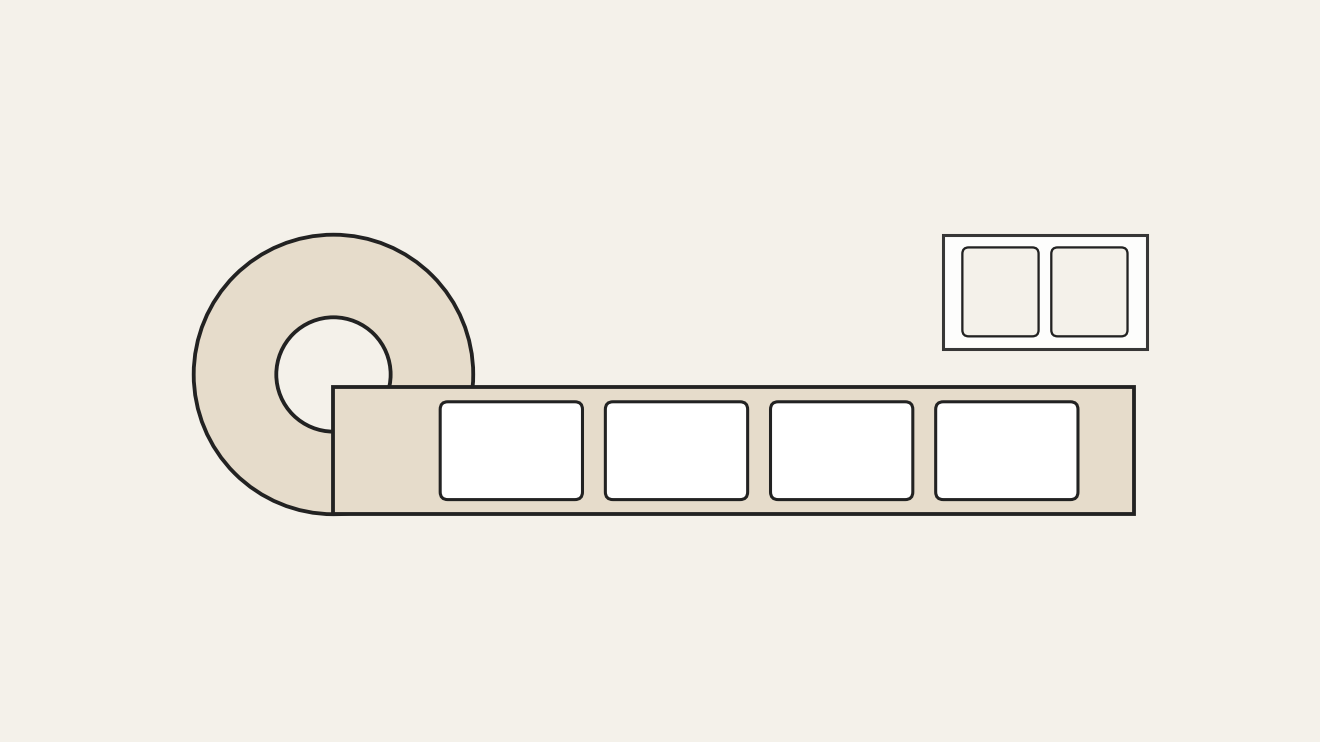


Self-Adhesive Labels: Printed, Kiss-Cut and Stripped
A self-adhesive label is a laminate: the face material, a pressure-sensitive adhesive (usually acrylic, sometimes rubber or hot-melt) and a release liner, often coated with crosslinkable silicone, that protects the adhesive. The labels are printed, then kiss-cut on a rotary die, often in line with printing: the blade cuts through the face and adhesive and stops at the liner. The waste matrix around the labels is peeled off against a roll and rewound, leaving the labels on the liner ready for dispensers.
མཐོ་རིམ
Factory process
ལམ་སྟོན
1
1
Print the label design on the face of the label stock.
གོམ་པ་འདིའི་རྫས་རིགས:
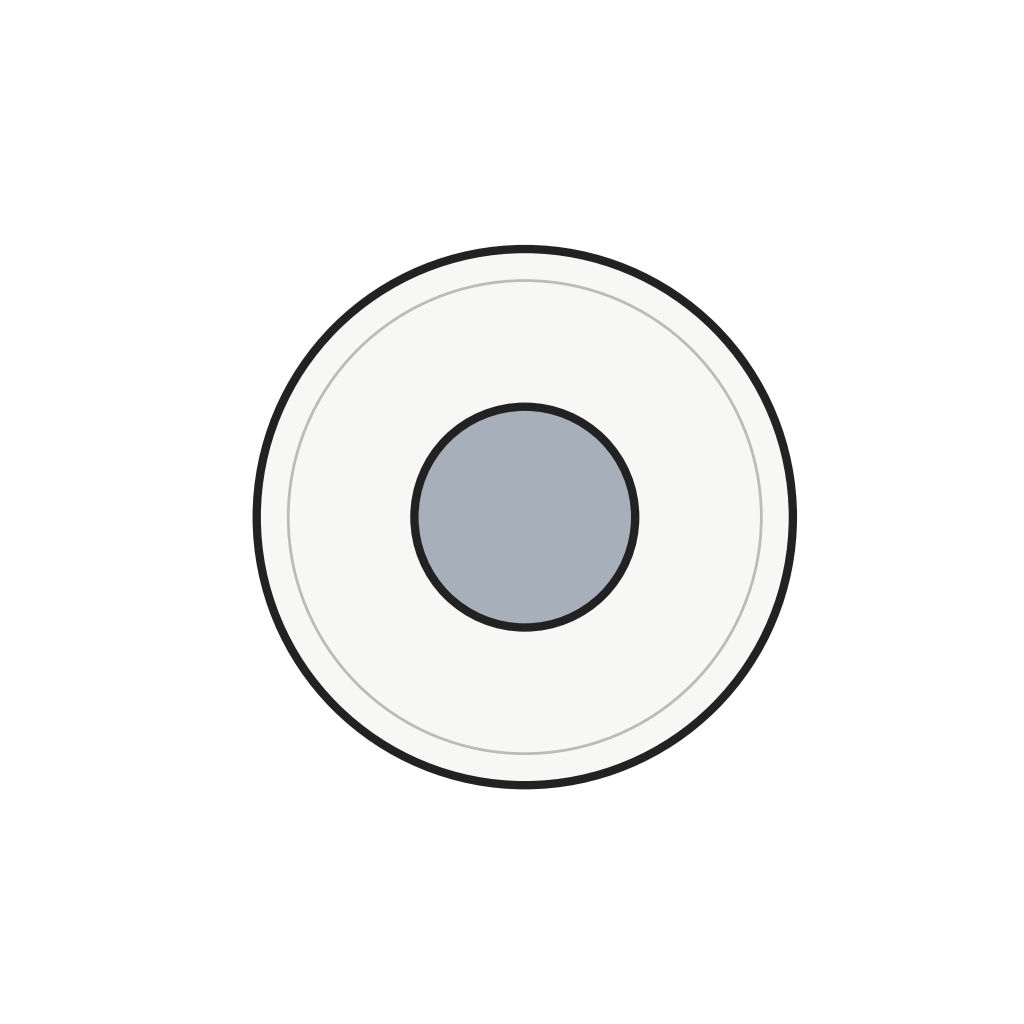 ཤུགས་ཀྱིས་སྦྱར་བའི་ཁ་ཡིག་ཅ་ཆས།1 as required
ལག་ཆས་དགོས་མཁོ:
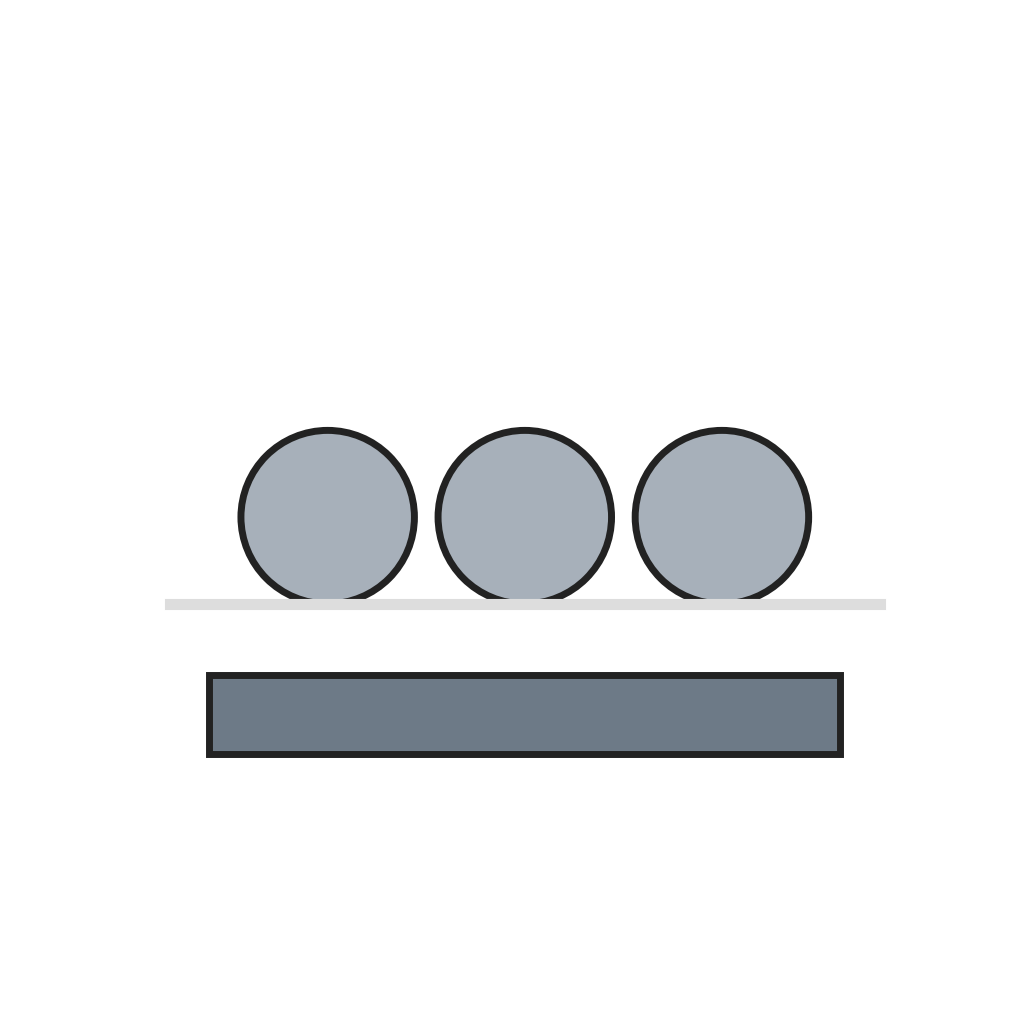 ཁ་ཡིག་པར་འཕྲུལ།
2
2
Kiss-cut
Kiss-cut
Run the web through the rotary die so it cuts through the face and adhesive and stops at the liner.
ལག་ཆས་དགོས་མཁོ:
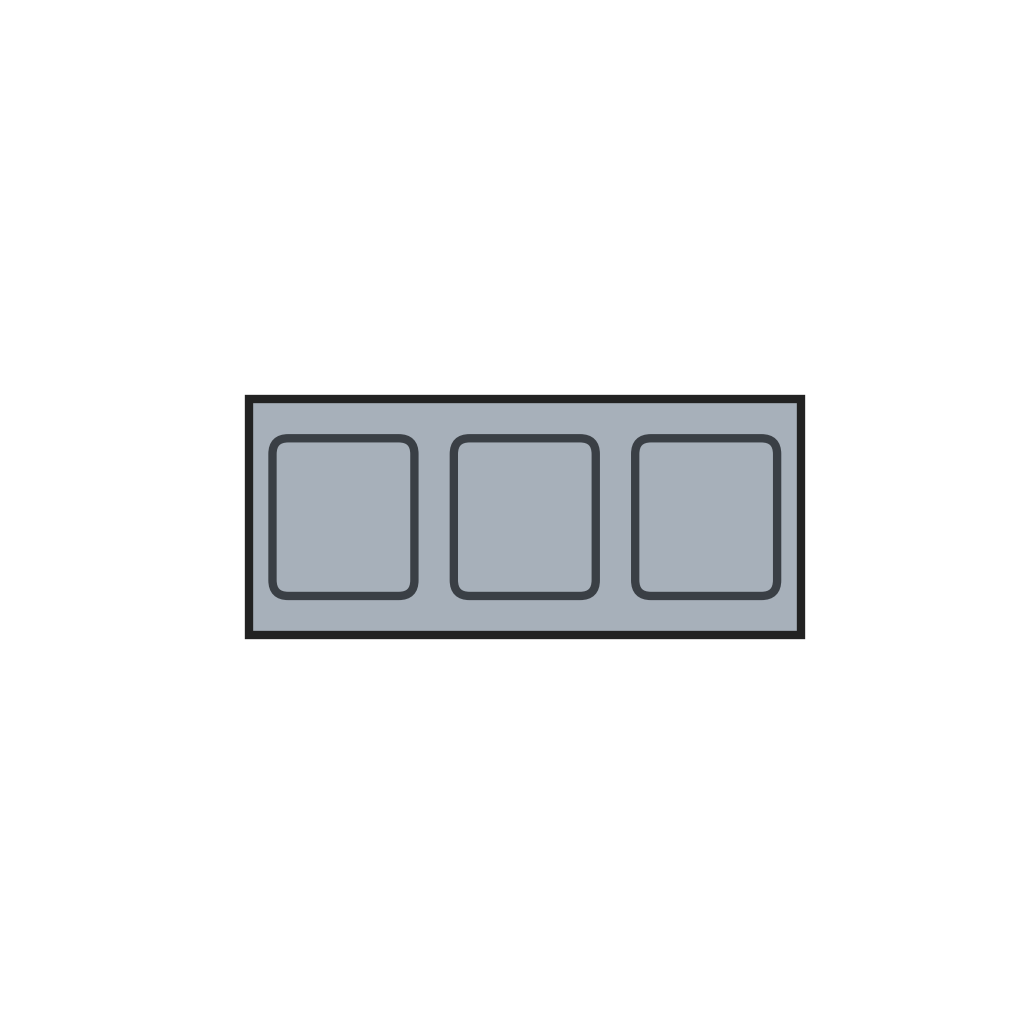 འཁོར་བའི་ཕྱེད་གཏུབ་དཔེ།
3
3
Strip the matrix
Strip the matrix
Peel the waste matrix off against an idle roll and rewind it; rewind the labels on their liner.
ལག་ཆས་དགོས་མཁོ:
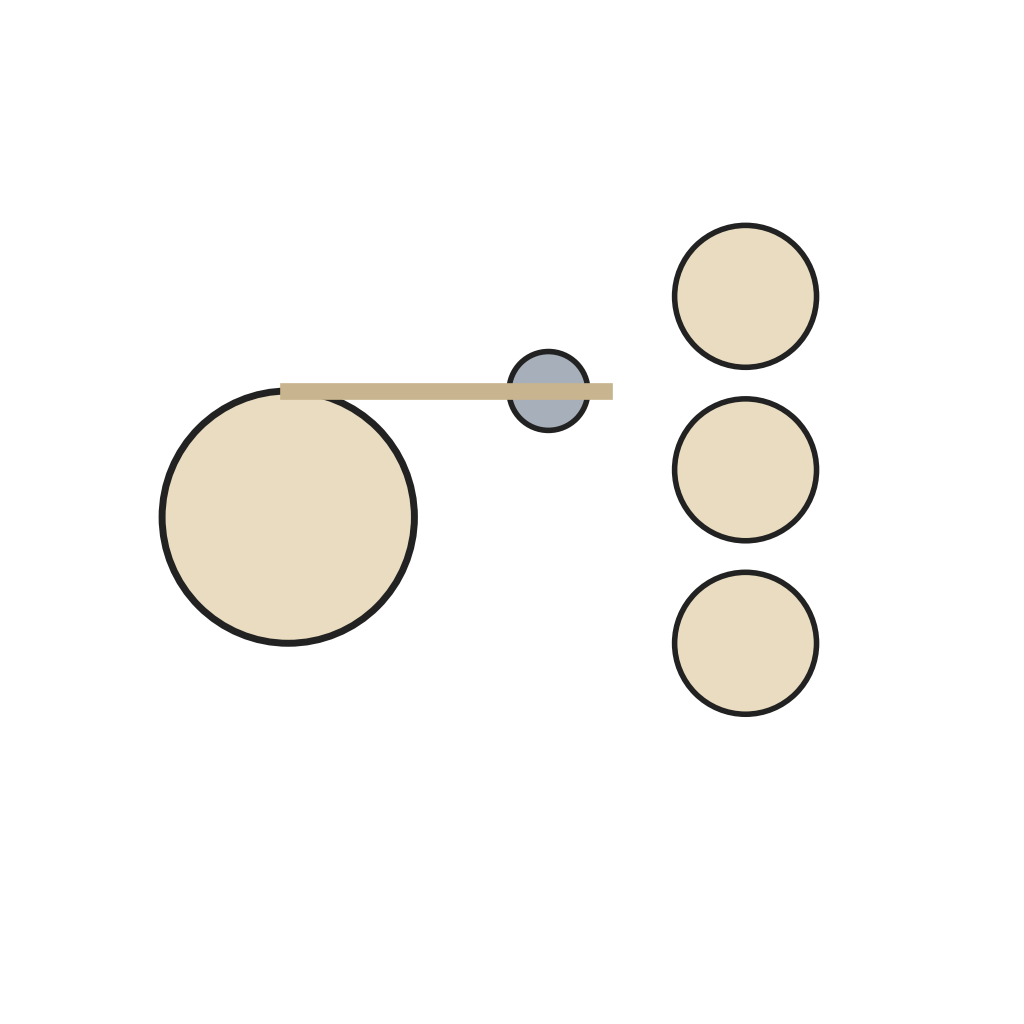 གཏུབ་སྟེ་ལོག་སྒྲིལ་འཕྲུལ་ཆས།
རྫས་རིགས
1- 1 as requiredས་ཆ་འཛིན
ལག་ཆས་དགོས་མཁོ
3- ས་ཆ་འཛིན
- ས་ཆ་འཛིན
- ས་ཆ་འཛིན
བིལུ་པིརིན་ཊི་འདི་གིས་བཟོ་མི
འབྲེལ་ཡོད་བིལུ་པིརིན་ཊི
བིལུ་པིརིན་ཊི་འདི་ཚུ་ཐབས་ལམ་དང་རྫས་རིགས། སྤྱི་ཆོས་བགོ་བཤའ་བྱེད
CC0 སྤྱི་དབང
བིལུ་པིརིན་ཊི་འདི་CC0 འོག་བཀྲམས་ཡོད། ཁྱེད་རང་གིས་ཆོག་མཆན་མ་བཞེས་པར་ཕབ་ལེན་དང་བཟོ་བཅོས། བགོ་བཤའ། དགོས་མཁོ་གང་ལའང་བཀོལ་སྤྱོད་བྱས་ཆོག
བཟོ་མཁན་ལ་རྒྱབ་སྐྱོར་བྱེད་པའི་ཆེད་ཁོང་ཚོའི་བིལུ་པིརིན་ཊི་བརྒྱུད་ཐོན་སྐྱེད་ཉོ། བཟོ་མཁན་གྱིས བཟོ་མཁན་གྱི་ཁེ་ཕོགས ཚོང་པས་གཏན་འཁེལ་བྱས་པ། ཡང་ན་བིལུ་པིརིན་ཊི་འདིའི་པར་གསར་བཟོས་ཏེ་ཁྱེད་རང་གི་བིལུ་པིརིན་ཊི་ནང་མཐུད་སྦྲེལ་བྱས་ཏེ་ཡོང་སྒོ་བགོ་བཤའ་བྱེད།