སྒྱུ་རྩལ
མཛེས་སྡུག་དང་བདེ་ཐང
བཟོ་རིག
རིག་གནས་དང་ལོ་རྒྱུས
དགའ་སྟོན
ཁོར་ཡུག
ཟས་དང་བཏུང་རྫས
ཕྱིར་འཕྲུལ་རིག
ཚན་རིག
རྩེད་འགྲན
རིག་རྩལ
གྱོན་རུང
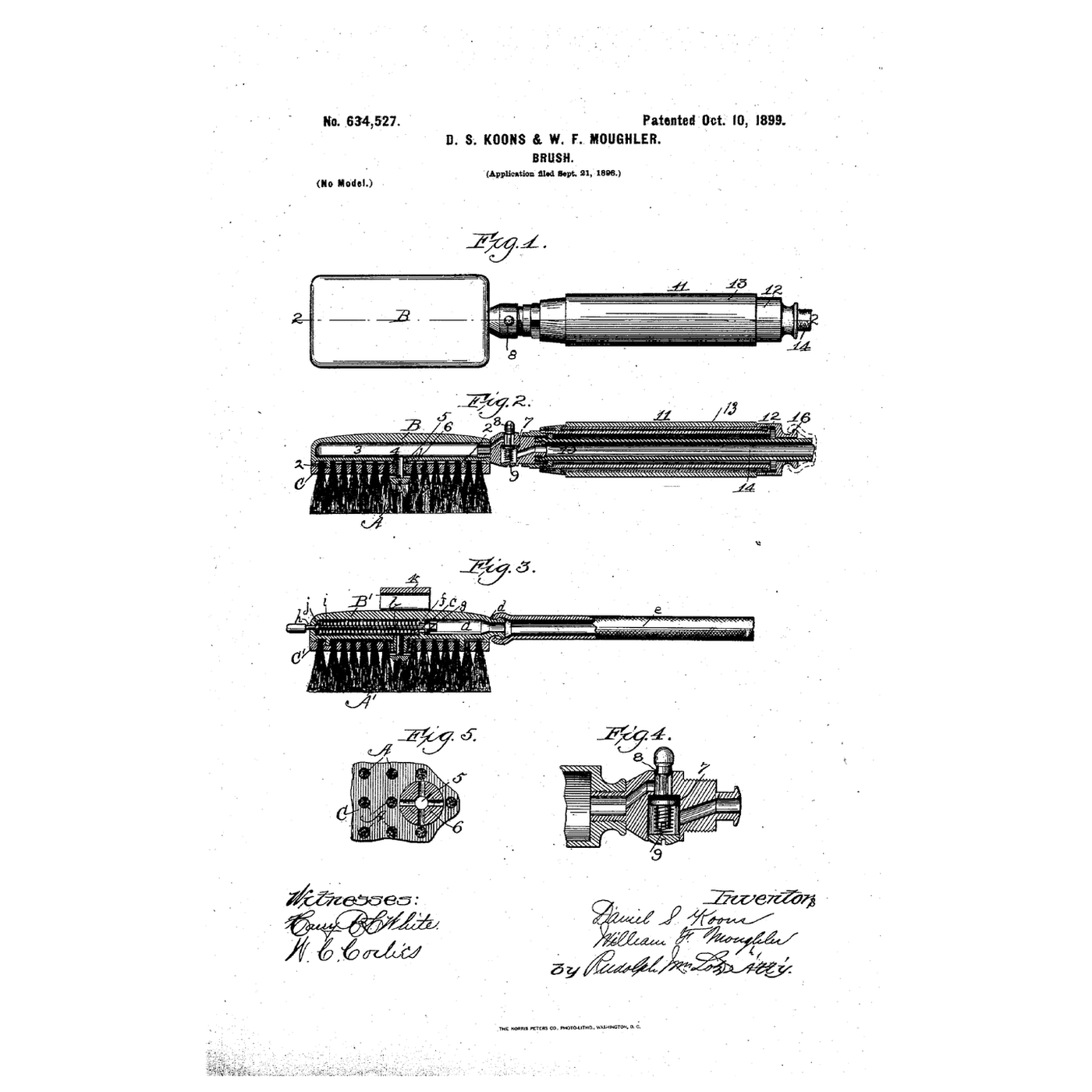


The Finger-Valve Fountain Bath Brush: Press to Run, Let Go to Stop
A bath brush fed from a hose runs all the time, or needs a tap out of reach.
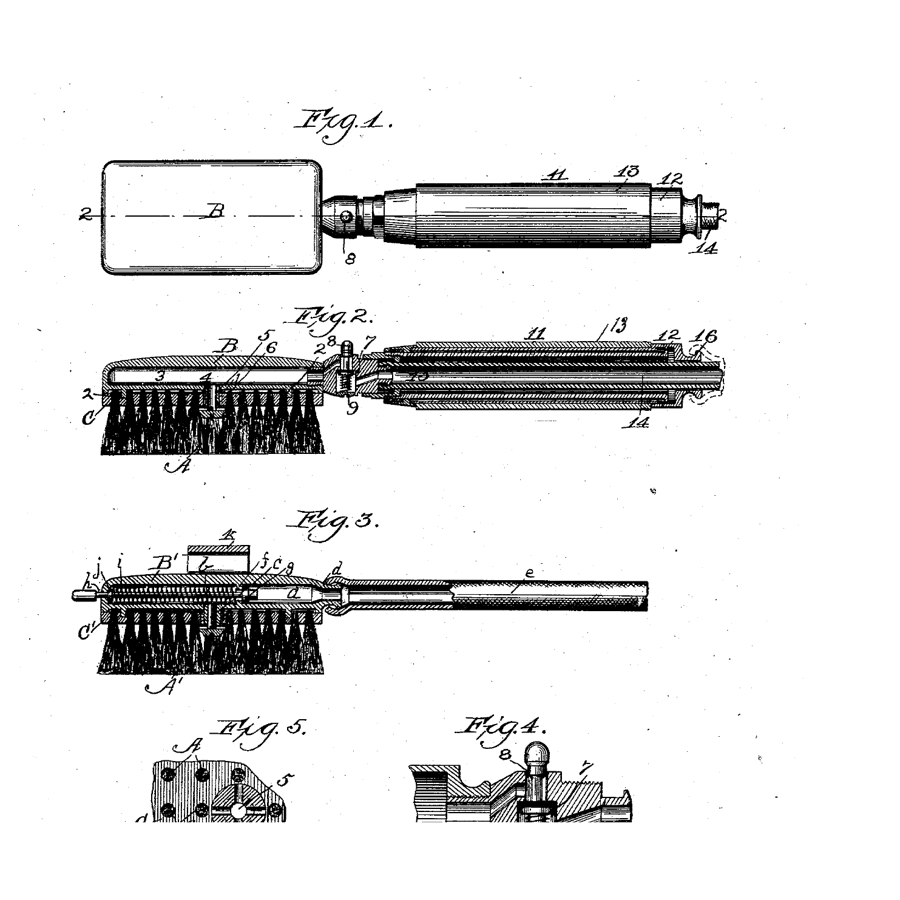
Daniel S. Koons and William F. Moughler of Chicago received US 634,527, dated 10 October 1899, for "a fountain bath-brush": a false back with a water passage, joined to the brush by a hollow screw whose perforated head lets the water out among the bristles, with a valve that a spring and the water pressure hold shut until a finger presses its stem, and a strap that holds the hand to the brush.
This rung works out the finger force, then builds the false back on a scrub brush with a tyre valve as the finger valve, and measures the force and the flow.
བར་མ
About 3 hours
ལམ་སྟོན
1
1
Force to open the valve
Force to open the valve
Jupyter ཚང་དེབ་མངོན་གསལ་འབད་དོ་…
2
2
A brush that feeds itself before it
A brush that feeds itself before it
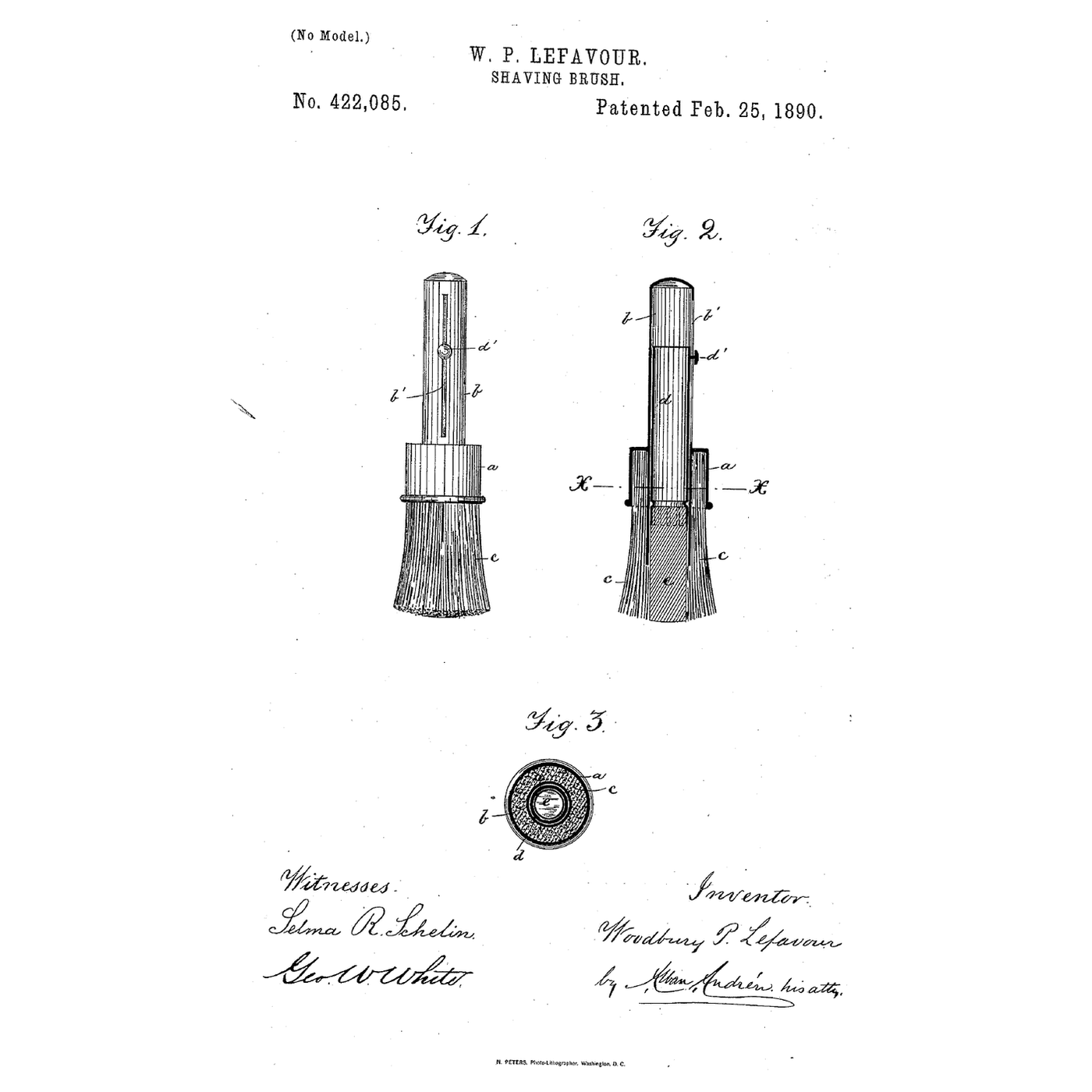
The embedded blueprint feeds soap from inside a shaving brush. Koons and Moughler feed water, and give the finger a valve to start and stop it.
3
3
Read US 634,527
Read US 634,527
"Said valve is held normally closed by means of a spring 9 and also by the water-pressure, as will be obvious."
"A strap k is secured at the sides of said back B' and passes over the latter, so that by inserting the hand between said back B' and said strap k the brush can be firmly held and the fingers at the same time kept in position to operate the valve."
4
4
Bore the false back
Bore the false back
Cut a hardwood block 120 × 50 × 22 mm. Drill a 6 mm passage 90 mm along its centre from one end, and a 6 mm hole down from the top to meet it 30 mm from the far end.
གོམ་པ་འདིའི་རྫས་རིགས:
 སྲ་བའི་ཤིང་གི་སྒོ་རྡོག1 དུམ་བུ།
ལག་ཆས་དགོས་མཁོ:
 ལས་ཅོག་གི་འཛིན་ཆས།
 ཐག་མེད་ཕུག་འཕྲུལ།
 དབུས་མགོ་ཡོད་པའི་སྦུབས་མགོའི་ཆས་ཁྲོམ།
 ཐིག་ཤིང་།
 གསལ་བའི་ཉེན་སྲུང་མིག་ཤེལ།
5
5
Fit the finger valve
Fit the finger valve
Drill a hole across the passage 20 mm from the inlet to take a tyre valve, pin upward. Epoxy it in so the water must pass through it.
གོམ་པ་འདིའི་རྫས་རིགས:
 འཁོར་ལོའི་རླུང་སྒོ།1 དུམ་བུ།
 ཆ་ཤས་གཉིས་ཀྱི་ཨི་པོག་སི1 དུམ་བུ།
ལག་ཆས་དགོས་མཁོ:
ཐག་མེད་ཕུག་འཕྲུལ། ཕུག་མགོའི་ཚོགས་ཆས།
6
6
Join it to the brush
Join it to the brush
Drill a 6 mm hole through the scrub brush's back to line up with the outlet. Cut a rubber gasket, and screw the block on with four wood screws.
གོམ་པ་འདིའི་རྫས་རིགས:
 འཁྲུ་བའི་སྤུ་ཤད།1 དུམ་བུ།
 འཇག་རྩིའི་ལེབ།1 དུམ་བུ།
 ཤིང་གི་གཟེར #8 × ཨིན་ཅི ༡1 དུམ་བུ།
ལག་ཆས་དགོས་མཁོ:
ཐག་མེད་ཕུག་འཕྲུལ།ཕུག་མགོའི་ཚོགས་ཆས། ལག་བཟོའི་གྲི་གུ
 སྒྲོག་བསྐོར་ཆས་ཆ་ཚང་།
7
7
Strap and hose
Strap and hose
Screw a strip of rubber sheet across the block as a hand strap, over the valve's side. Fit a hose connector to the inlet with brass fittings and PTFE tape.
གོམ་པ་འདིའི་རྫས་རིགས:
འཇག་རྩིའི་ལེབ།1 དུམ་བུ།ཤིང་གི་གཟེར #8 × ཨིན་ཅི ༡1 དུམ་བུ། རག་གི་མཐུད་ཆས།1 དུམ་བུ།
 PTFE སྒྲོག་རིས་རྒྱ་ཐག1 དུམ་བུ།
ལག་ཆས་དགོས་མཁོ:
སྒྲོག་བསྐོར་ཆས་ཆ་ཚང་། ཚད་བསྒྱུར་ཚུགས་པའི་མཐེབ་ལྕགས།
8
8
The patent drawing
The patent drawing
US 634,527 drawing sheet, public domain (expired patent).
9
9
Measure force and flow
Measure force and flow
Connect the garden hose and turn on the tap. Press the valve pin with the force meter's hook until water runs; note the force. Hold it open over the jug for 30 s and read the flow.
གོམ་པ་འདིའི་རྫས་རིགས:
 ལྡུམ་རའི་ཆུ་དོང1 དུམ་བུ།
 ཆུ།1 དུམ་བུ།
ལག་ཆས་དགོས་མཁོ:
 ཤུགས་འཇལ་ཆས་ (སི་པིརིང་སྲང)
 ཚད་འཇལ་ཟོ་ལི།
 ཆུ་ཚོད་བཀག་ཆས།
10
10
A valve that drips, sticks or barely flows
A valve that drips, sticks or barely flows
Finger-valve bath brush troubleshooting.
Flow
Loading...
11
11
History and honest limits
History and honest limits
**Daniel S. Koons** and **William F. Moughler** of Chicago filed US 634,527 on 21 September 1898; it is dated 10 October 1899. They called it a self-cleansing brush. Its handle is telescopic, with a stuffing-box between the two members, and the hose can be led through it to the brush; a second form uses a nozzle as the screw joining the backs. They did not limit it to the bath.
**Honest limits.** A tyre valve stands in for their seated valve and stem, and wood screws for their hollow screw. Your forces and flows are the result.
རྫས་རིགས
10- 1 དུམ་བུ།ས་ཆ་འཛིན
- 1 དུམ་བུ།ས་ཆ་འཛིན
- 1 དུམ་བུ།ས་ཆ་འཛིན
- 1 དུམ་བུ།ས་ཆ་འཛིན
- 1 དུམ་བུ།ས་ཆ་འཛིན
- 2 དུམ་བུ།ས་ཆ་འཛིན
- 1 དུམ་བུ།ས་ཆ་འཛིན
- 1 དུམ་བུ།ས་ཆ་འཛིན
- ལྡུམ་རའི་ཆུ་དོངཁེ་ཕོགས 10%1 དུམ་བུ།ས་ཆ་འཛིན
- 1 དུམ་བུ།ས་ཆ་འཛིན
ལག་ཆས་དགོས་མཁོ
12- ས་ཆ་འཛིན
- 1 vendor sell this, none ship to you yetས་ཆ་འཛིན
- ས་ཆ་འཛིན
- ས་ཆ་འཛིན
- ས་ཆ་འཛིན
- ས་ཆ་འཛིན
- ས་ཆ་འཛིན
- ས་ཆ་འཛིན
- ས་ཆ་འཛིན
- ས་ཆ་འཛིན
- ས་ཆ་འཛིན
འབྲེལ་ཡོད་བིལུ་པིརིན་ཊི
བིལུ་པིརིན་ཊི་འདི་ཚུ་ཐབས་ལམ་དང་རྫས་རིགས། སྤྱི་ཆོས་བགོ་བཤའ་བྱེད


CC0 སྤྱི་དབང
བིལུ་པིརིན་ཊི་འདི་CC0 འོག་བཀྲམས་ཡོད། ཁྱེད་རང་གིས་ཆོག་མཆན་མ་བཞེས་པར་ཕབ་ལེན་དང་བཟོ་བཅོས། བགོ་བཤའ། དགོས་མཁོ་གང་ལའང་བཀོལ་སྤྱོད་བྱས་ཆོག
བཟོ་མཁན་ལ་རྒྱབ་སྐྱོར་བྱེད་པའི་ཆེད་ཁོང་ཚོའི་བིལུ་པིརིན་ཊི་བརྒྱུད་ཐོན་སྐྱེད་ཉོ། བཟོ་མཁན་གྱིས བཟོ་མཁན་གྱི་ཁེ་ཕོགས ཚོང་པས་གཏན་འཁེལ་བྱས་པ། ཡང་ན་བིལུ་པིརིན་ཊི་འདིའི་པར་གསར་བཟོས་ཏེ་ཁྱེད་རང་གི་བིལུ་པིརིན་ཊི་ནང་མཐུད་སྦྲེལ་བྱས་ཏེ་ཡོང་སྒོ་བགོ་བཤའ་བྱེད།