སྒྱུ་རྩལ
མཛེས་སྡུག་དང་བདེ་ཐང
བཟོ་རིག
རིག་གནས་དང་ལོ་རྒྱུས
དགའ་སྟོན
ཁོར་ཡུག
ཟས་དང་བཏུང་རྫས
ཕྱིར་འཕྲུལ་རིག
ཚན་རིག
རྩེད་འགྲན
རིག་རྩལ
གྱོན་རུང


The Self-Soaping Shaving Brush: A Soap Stick Inside the Bristles
A shaving brush holds water between its bristles and whips it with soap into lather. The usual way is to load the brush from a cake of soap in a cup first.
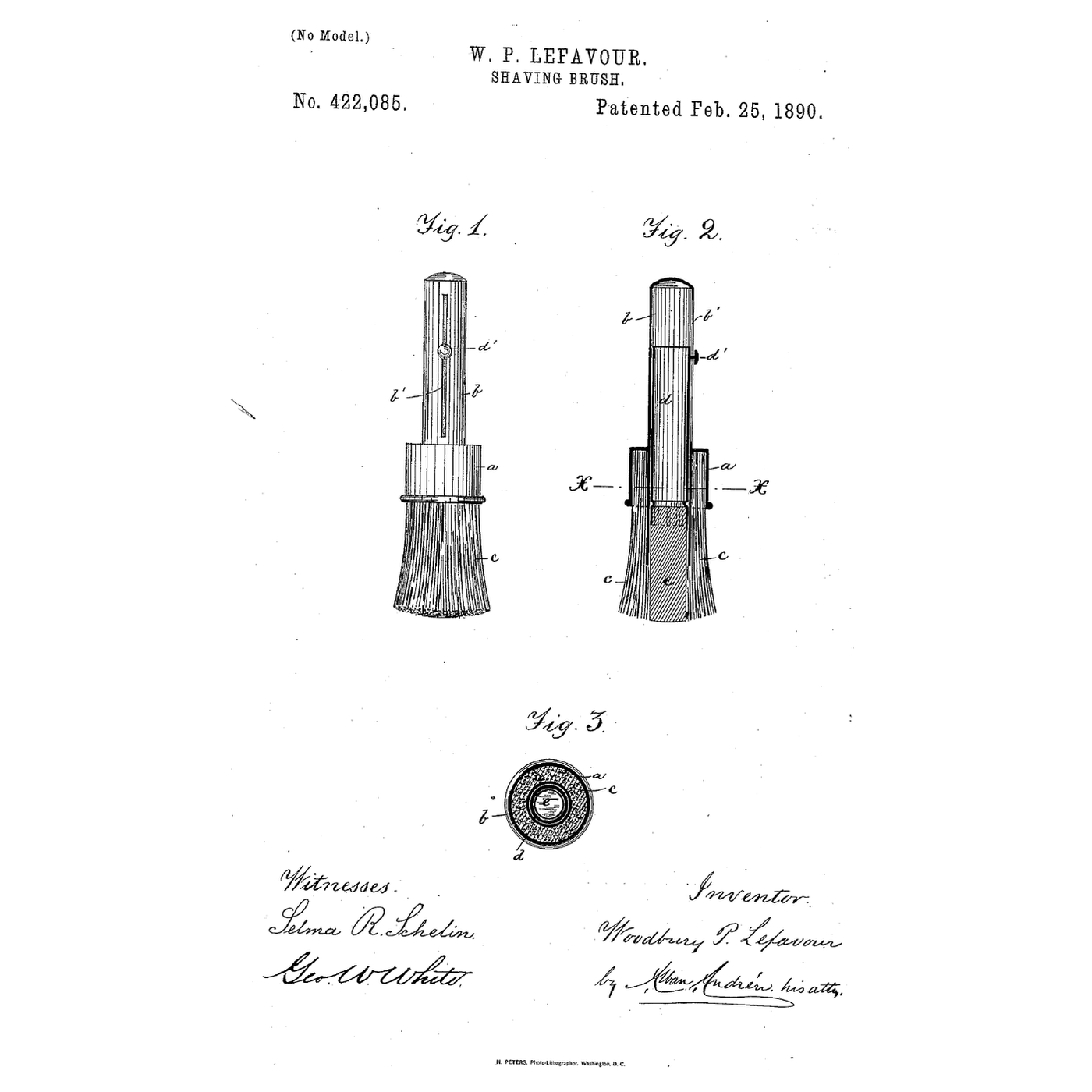
Woodbury P. Lefavour of Beverly, Massachusetts, received US 422,085, dated 25 February 1890 (filed 14 March 1889), for a shaving-brush with "a soap-stick and longitudinally-adjustable soap-holder arranged centrally within the brush and its handle, so as to produce a lather on the face simply by dipping the brush in water and brushing it against the face without the need of rubbing the brush on a cake of soap".
This rung computes how bristles hold water and how long a soap stick lasts, then weighs the soap a real lather uses.
འགོ་བཙུགས
About 1 hour
ལམ་སྟོན
1
1
Water in the bristles, soap in the middle
Water in the bristles, soap in the middle
Jupyter ཚང་དེབ་མངོན་གསལ་འབད་དོ་…
2
2
Where the soap comes from
Where the soap comes from
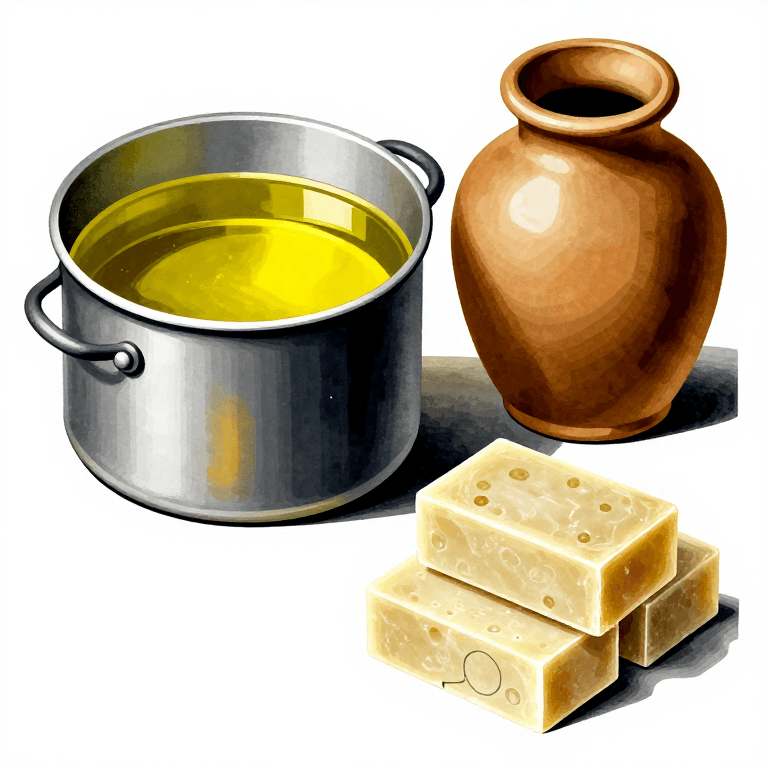
The embedded blueprint makes soap from oil and lye; the brush only turns it into lather.
3
3
Read US 422,085
Read US 422,085
"The object of my invention is to combine with a shaving-brush a soap-stick and longitudinally-adjustable soap-holder arranged centrally within the brush and its handle, so as to produce a lather on the face simply by dipping the brush in water and brushing it against the face without the need of rubbing the brush on a cake of soap, as is generally done, thus providing a quick, simple, and ready means for lathering the face preparatory to shaving the beard."
The bristles are "arranged in the form of an annular ring" round the tube. A knob through a slot in the handle moves the soap down for use; "When not desired for use, the soap-holder and soap-stick are moved upward sufficiently to cause the soap to be protected and covered by the lower part of the handle-tube."
4
4
Lathering, as a program
Lathering, as a program
Blockly གི་ལཱ་གི་ས་གནས
Loading Blockly workspace...
5
5
Weigh the soap a lather uses
Weigh the soap a lather uses
Weigh the soap bar on the kitchen scale and write the weight down. Build a lather in a bowl as in the program, then let the soap dry for a day and weigh it again. The difference is the soap one lather used.
Scoop the lather into a measuring jug and read its volume. Repeat with more water, then with less. Note which lather held its peak longest.
Put your own soap-per-lather figure into the notebook in place of the examples to see how long a stick the size of Lefavour's would last.
གོམ་པ་འདིའི་རྫས་རིགས:
 ཡི་ཙི་གི་དུམ་བུ།1 དུམ་བུ།
 ཆུ།1 དུམ་བུ།
ལག་ཆས་དགོས་མཁོ:
 ཨ་ར་བཞར་བའི་བྲུཤ།
 ཕོར་པ་
 ཨང་རྟགས་ཐབ་ཚང་སྲང་།
 ཚད་འཇལ་ཟོ་ལི།
 རས་བལ་གྱི་གདོང་ཕྱིས།
6
6
Lather that is thin, stiff or gone too soon
Lather that is thin, stiff or gone too soon
Lathering troubleshooting.
Flow
Loading...
7
7
History and honest limits
History and honest limits
**Woodbury P. Lefavour** of Beverly, Massachusetts, filed US 422,085 on 14 March 1889; it is dated 25 February 1890.
**Honest limits.** The capillary formula treats the gaps between bristles as uniform channels with fully wetted walls; real knots are irregular. Stick size, soap density and soap per shave are examples. The weight of soap your lather used is the measurement.
ལག་ཆས་དགོས་མཁོ
5- ས་ཆ་འཛིན
- ས་ཆ་འཛིན
- ས་ཆ་འཛིན
- ས་ཆ་འཛིན
- ས་ཆ་འཛིན
འབྲེལ་ཡོད་བིལུ་པིརིན་ཊི
བིལུ་པིརིན་ཊི་འདི་ཚུ་ཐབས་ལམ་དང་རྫས་རིགས། སྤྱི་ཆོས་བགོ་བཤའ་བྱེད


CC0 སྤྱི་དབང
བིལུ་པིརིན་ཊི་འདི་CC0 འོག་བཀྲམས་ཡོད། ཁྱེད་རང་གིས་ཆོག་མཆན་མ་བཞེས་པར་ཕབ་ལེན་དང་བཟོ་བཅོས། བགོ་བཤའ། དགོས་མཁོ་གང་ལའང་བཀོལ་སྤྱོད་བྱས་ཆོག
བཟོ་མཁན་ལ་རྒྱབ་སྐྱོར་བྱེད་པའི་ཆེད་ཁོང་ཚོའི་བིལུ་པིརིན་ཊི་བརྒྱུད་ཐོན་སྐྱེད་ཉོ། བཟོ་མཁན་གྱིས བཟོ་མཁན་གྱི་ཁེ་ཕོགས ཚོང་པས་གཏན་འཁེལ་བྱས་པ། ཡང་ན་བིལུ་པིརིན་ཊི་འདིའི་པར་གསར་བཟོས་ཏེ་ཁྱེད་རང་གི་བིལུ་པིརིན་ཊི་ནང་མཐུད་སྦྲེལ་བྱས་ཏེ་ཡོང་སྒོ་བགོ་བཤའ་བྱེད།