སྒྱུ་རྩལ
མཛེས་སྡུག་དང་བདེ་ཐང
བཟོ་རིག
རིག་གནས་དང་ལོ་རྒྱུས
དགའ་སྟོན
ཁོར་ཡུག
ཟས་དང་བཏུང་རྫས
ཕྱིར་འཕྲུལ་རིག
ཚན་རིག
རྩེད་འགྲན
རིག་རྩལ
གྱོན་རུང
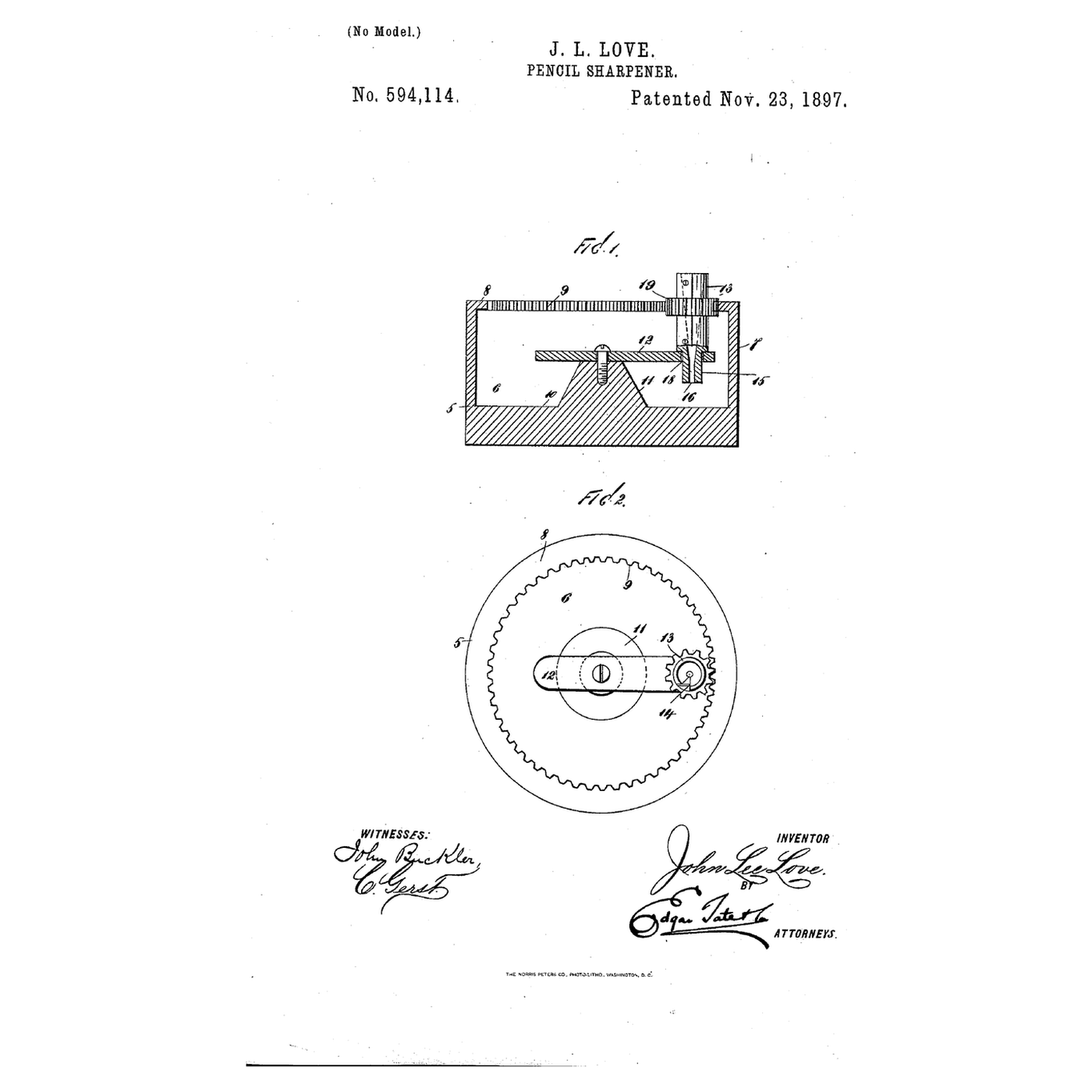


The Pencil Sharpener: A Blade Carried Round on a Planet Gear
A pencil is sharpened by turning it in a cone with a blade along one side. The turning can be done by the hand, or by a gear.
John Lee Love of Fall River, Massachusetts, patented his version in US 594,114, filed 23 April 1897 and dated 23 November 1897. A round box has gear teeth round the inside of its rim; an arm pivoted at the centre of its floor carries a cylindrical sharpener with a pinion that meshes with them. Carried round with the arm, the sharpener spins; its shavings fall through a bore into the box, which is emptied by turning it over. He adds that it can serve as "a paper-weight or desk ornament".
This rung works out the planet-gear ratio, prints a working model, and compares its point with a hand sharpener's.
འགོ་བཙུགས
About 2 hours
ལམ་སྟོན
1
1
Turns per trip and feed
Turns per trip and feed
Jupyter ཚང་དེབ་མངོན་གསལ་འབད་དོ་…
2
2
The gear that makes it spin
The gear that makes it spin
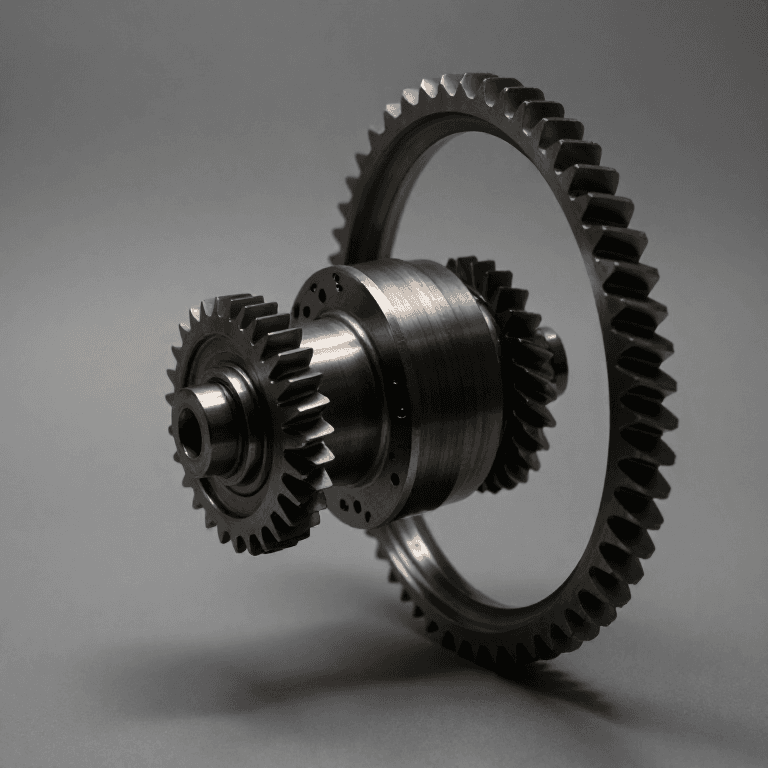
A pinion rolling round inside a fixed ring is an epicyclic train. The embedded blueprint derives its ratios.
3
3
Read US 594,114
Read US 594,114
Love's block or casing 5 has a circular chamber 6 whose wall has "an inwardly-directed flange or rim 8, which is provided with gear-teeth 9." A raised part 11 in the centre of the floor carries a pivoted arm 12, in one end of which is a sharpener 13.
"The pencil-sharpener 13 is cylindrical in form, and the interior thereof is substantially of the usual construction": a conical opening with a cutting blade 14 in one side. A reduced extension 15 with a small central bore 16 passes through the arm, and the sharpener carries a pinion 19 meshing with the teeth 9.
To use it, the pencil point is pushed in with slight pressure "and the said sharpener is carried around with the pivoted arm 12"; the sharpener "is rapidly revolved by means of the pinion" and the teeth. The bore lets "the finely-divided portions of the point of the pencil" drop into the chamber, and the sharpener can be lifted out and the box inverted to empty it.
4
4
Carrying the sharpener round, turn by turn
Carrying the sharpener round, turn by turn
Blockly གི་ལཱ་གི་ས་གནས
Loading Blockly workspace...
5
5
Print a model and compare points
Print a model and compare points
Take the cutter body and blade out of a cheap hand pencil sharpener. Print a round box with an internal ring gear and a centre pivot, an arm, and a pinion that fits round the sharpener body (48 and 12 teeth work). Push-fit the sharpener into the pinion so it turns in the arm.
Sharpen one pencil by carrying it round the box, counting trips, and another in the hand sharpener, counting turns. Measure the finished point angle and length with the caliper and compare how much each wasted. Keep the pencil upright and let it rotate only with the arm; if you twist it, you add or subtract turns.
གོམ་པ་འདིའི་རྫས་རིགས:
 སྣག་ཤིང་།4 དུམ་བུ།
 སྣག་ཤིང་རྣོ་བཟོ་ཆས།1 དུམ་བུ།
ལག་ཆས་དགོས་མཁོ:
 FDM 3D པར་སྐྲུན་འཕྲུལ་ཆས།
 PETG སྐུད་པ་
 ཨང་རྟགས་ཚད་འཇལ་ཆས་ ཨིནཅི 6
 ཟུར་ཚད་འཇལ་ཆས།
 བྱེ་ཤོག་གི་ཆ་ཚན།
6
6
A sharpener that breaks points
A sharpener that breaks points
Pencil sharpener troubleshooting.
Flow
Loading...
7
7
History and honest limits
History and honest limits
**John Lee Love** of Fall River, Massachusetts, filed on 23 April 1897; US 594,114 is dated 23 November 1897. His claims are for the toothed chamber, the pivoted arm and a sharpener carried in it with a pinion.
**Honest limits.** The tooth counts, cone angle and feed in the notebook are examples; the patent gives none of them.
རྫས་རིགས
2- ས་ཆ་འཛིན
- 1 དུམ་བུ།ས་ཆ་འཛིན
ལག་ཆས་དགོས་མཁོ
5- ས་ཆ་འཛིན
- ས་ཆ་འཛིན
- ས་ཆ་འཛིན
- ས་ཆ་འཛིན
- ས་ཆ་འཛིན
འབྲེལ་ཡོད་བིལུ་པིརིན་ཊི
བིལུ་པིརིན་ཊི་འདི་ཚུ་ཐབས་ལམ་དང་རྫས་རིགས། སྤྱི་ཆོས་བགོ་བཤའ་བྱེད

CC0 སྤྱི་དབང
བིལུ་པིརིན་ཊི་འདི་CC0 འོག་བཀྲམས་ཡོད། ཁྱེད་རང་གིས་ཆོག་མཆན་མ་བཞེས་པར་ཕབ་ལེན་དང་བཟོ་བཅོས། བགོ་བཤའ། དགོས་མཁོ་གང་ལའང་བཀོལ་སྤྱོད་བྱས་ཆོག
བཟོ་མཁན་ལ་རྒྱབ་སྐྱོར་བྱེད་པའི་ཆེད་ཁོང་ཚོའི་བིལུ་པིརིན་ཊི་བརྒྱུད་ཐོན་སྐྱེད་ཉོ། བཟོ་མཁན་གྱིས བཟོ་མཁན་གྱི་ཁེ་ཕོགས ཚོང་པས་གཏན་འཁེལ་བྱས་པ། ཡང་ན་བིལུ་པིརིན་ཊི་འདིའི་པར་གསར་བཟོས་ཏེ་ཁྱེད་རང་གི་བིལུ་པིརིན་ཊི་ནང་མཐུད་སྦྲེལ་བྱས་ཏེ་ཡོང་སྒོ་བགོ་བཤའ་བྱེད།