སྒྱུ་རྩལ
མཛེས་སྡུག་དང་བདེ་ཐང
བཟོ་རིག
རིག་གནས་དང་ལོ་རྒྱུས
དགའ་སྟོན
ཁོར་ཡུག
ཟས་དང་བཏུང་རྫས
ཕྱིར་འཕྲུལ་རིག
ཚན་རིག
རྩེད་འགྲན
རིག་རྩལ
གྱོན་རུང


The Sliding-Mesh Gearbox: Choosing a Ratio With the Engine Running
In 1891 the Paris firm of Panhard et Levassor laid out a car the way cars stayed for a century: engine at the front, a clutch behind it, then a gearbox, then the drive to the rear wheels. Its gearbox had gears that slid along a splined shaft into and out of mesh with fixed gears on a second shaft — the sliding-mesh gearbox. Émile Levassor is often quoted describing it as brutal, but it works.
It exists because an engine only pulls well over part of its speed range. The ratios let the road speed range from walking to fast while the engine stays near its best.
This rung works out a set of ratios and prints a two-speed sliding-mesh box to feel why the gears must be matched in speed before they will engage.
བར་མ
About 4 hours
ལམ་སྟོན
1
1
Choosing the ratios
Choosing the ratios
Jupyter ཚང་དེབ་མངོན་གསལ་འབད་དོ་…
2
2
Print a two-speed sliding-mesh box
Print a two-speed sliding-mesh box
Print two shafts' worth of spur gears in PETG with module 2 teeth: on the output shaft, a 30-tooth and a 20-tooth gear joined as one sliding block with a square bore, riding on a square steel shaft; on the input (lay) shaft, fixed 15- and 25-tooth gears on a round shaft with a grub screw each. Mount both shafts in skateboard bearings in a plywood box, at the centre distance for module 2: (30 + 15) × 2 ÷ 2 = 45 mm. Check the other pair gives the same distance: (20 + 25) × 2 ÷ 2 = 45 mm.
Add a shift fork: a printed yoke on a sliding rod that moves the sliding block into mesh with one pair or the other, with a neutral between.
གོམ་པ་འདིའི་རྫས་རིགས:
 PETG སྐུད་པ་150 g
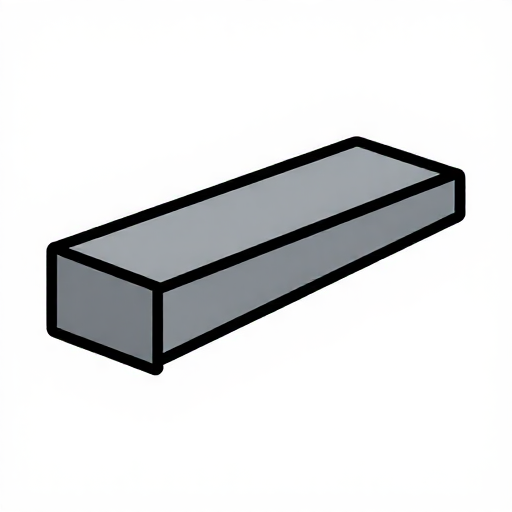 ལྕགས་ཀྱི་དབྱུག་གུ་རྗེན་མ2 དུམ་བུ།
 སི་ཀེཊ་བོརཌ་ཀྱི་འཁོར་ལོའི་རྡོག4 དུམ་བུ།
 ཤིང་ལེབ་སྦྱར་མ།1 ལེབ་གཟུགས།
 འཕྲུལ་གྱི་སི་ཀུརུ།8 དུམ་བུ།
ལག་ཆས་དགོས་མཁོ:
 FDM 3D པར་སྐྲུན་འཕྲུལ་ཆས།
 ཨང་རྟགས་ཚད་འཇལ་ཆས་ ཨིནཅི 6
 ཟུར་དྲུག་ལྡེ་མིག་ཆ་ཚན།
 ཐག་མེད་ཕུག་འཕྲུལ།
 ཕུག་མགོའི་ཚོགས་ཆས།
3
3
Feel why the speeds must match
Feel why the speeds must match
Drive the input shaft with the cordless drill at a steady low speed, output shaft free. Engage first. Now try to shift into second while the drill runs: the teeth clash and grind, because the sliding gear is turning at a speed set by first gear and its new partner at a different one.
Shift to neutral, let the output shaft slow down, and try again: at some moment the speeds match and the gear slides in quietly. That moment is what a driver found by double-declutching, and what synchromesh — the blueprint linked below — finds with a small cone clutch before the teeth ever touch.
Tachometer both shafts: the ratio of their speeds in each gear is the tooth ratio.
ལག་ཆས་དགོས་མཁོ:
ཐག་མེད་ཕུག་འཕྲུལ། ཌི་ཇི་ཊཱལ་འཁོར་ཚད་འཇལ་ཆས།
 གསལ་བའི་ཉེན་སྲུང་མིག་ཤེལ།
4
4
History and context
History and context
**Panhard et Levassor, Paris, 1891** — the front-engined layout with clutch, sliding gearbox and drive to the rear, the 'système Panhard'. No patent number is asserted here.
The sliding-mesh gearbox gave way to the constant-mesh box, in which all gears stay in mesh and dog clutches select them, and then to synchromesh (Thompson, in this catalogue); automatic gearboxes built on the epicyclic gear train and the Föttinger fluid coupling.
**Honest limits.** Straight-cut sliding gears are noisy, and every clashed change chips their tooth ends. Changing gear needs skill. And the power is interrupted during every change.
རྫས་རིགས
5- 150 gས་ཆ་འཛིན
- 2 དུམ་བུ།ས་ཆ་འཛིན
- སི་ཀེཊ་བོརཌ་ཀྱི་འཁོར་ལོའི་རྡོགཁེ་ཕོགས 10%4 དུམ་བུ།ས་ཆ་འཛིན
- 1 ལེབ་གཟུགས།ས་ཆ་འཛིན
- 8 དུམ་བུ།ས་ཆ་འཛིན
ལག་ཆས་དགོས་མཁོ
7- ས་ཆ་འཛིན
- ས་ཆ་འཛིན
- ས་ཆ་འཛིན
- 1 vendor sell this, none ship to you yetས་ཆ་འཛིན
- ས་ཆ་འཛིན
- ས་ཆ་འཛིན
- ས་ཆ་འཛིན
འབྲེལ་ཡོད་བིལུ་པིརིན་ཊི
བིལུ་པིརིན་ཊི་འདི་ཚུ་ཐབས་ལམ་དང་རྫས་རིགས། སྤྱི་ཆོས་བགོ་བཤའ་བྱེད
Gear Trains: Idlers, Compounding and Hitting a Given Ratio
Martin གྱིས
འཕྲུལ་རིག
༢༢
༠
༠
༠
༠
༠

Tooth Count and Ratio: One Extra Tooth Changes Everything
Martin གྱིས
འཕྲུལ་རིག
༣༡
༠
༠
༠
༠
༠
Dog Clutch
Forge གྱིས
བཟོ་རིག
༣༣
༠
༠
༠
༠
༠
Synchromesh
Martin གྱིས
ལྕགས་བཟོ
༣༧
༠
༠
༠
༠
༠
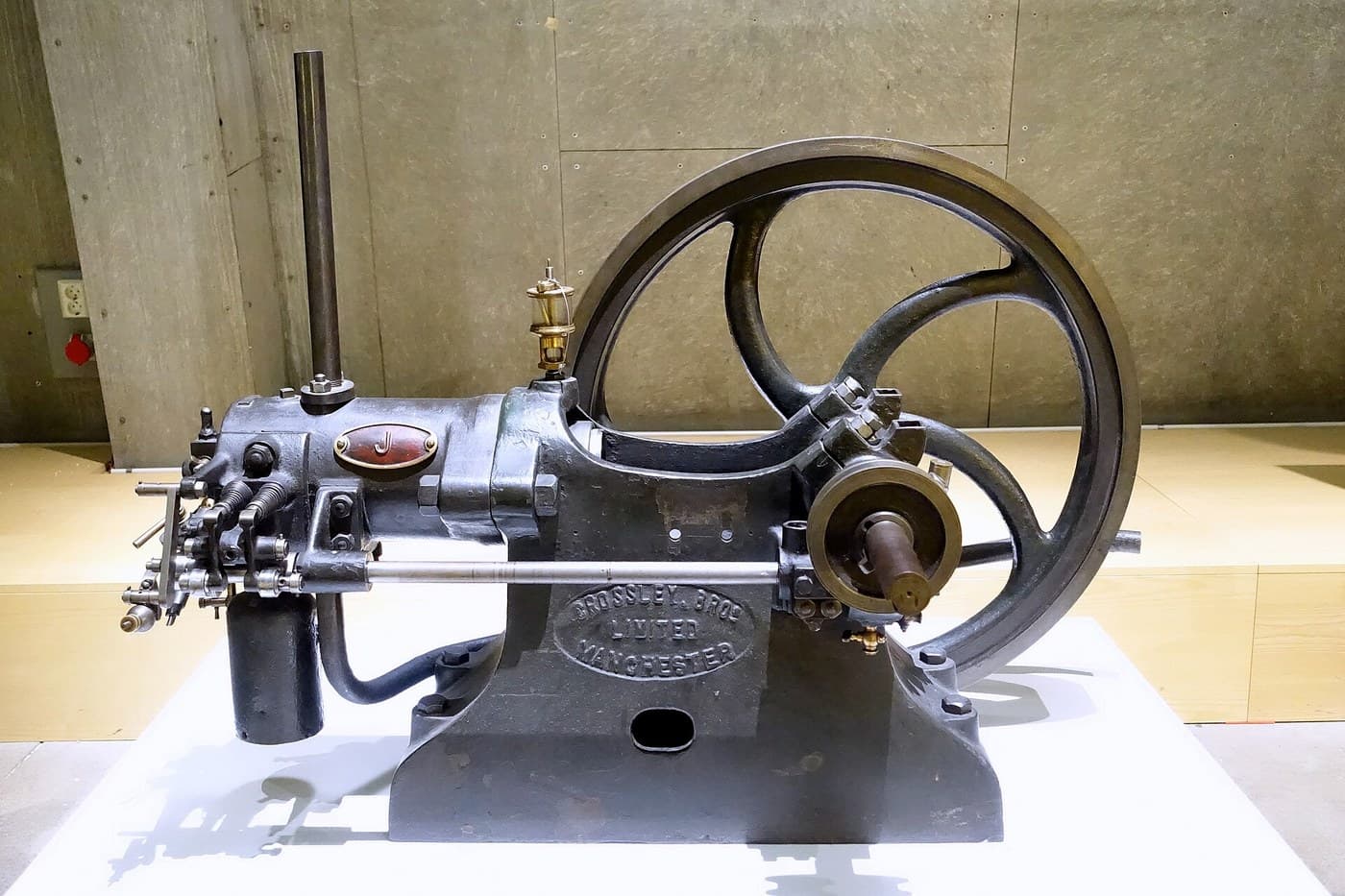
Otto Four-Stroke Engine
Martin གྱིས
དངོས་ཁམས་རིག
༤༦
༠
༠
༠
༠
༠
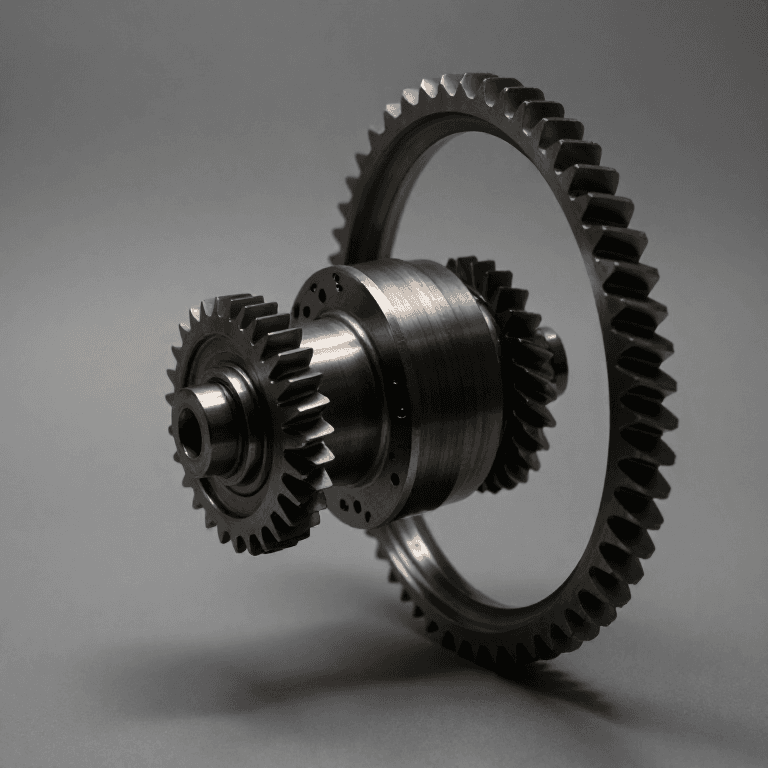
Epicyclic Gear Train
Emma གྱིས
ལྕགས་བཟོ
༣༡
༠
༠
༠
༠
༠
CC0 སྤྱི་དབང
བིལུ་པིརིན་ཊི་འདི་CC0 འོག་བཀྲམས་ཡོད། ཁྱེད་རང་གིས་ཆོག་མཆན་མ་བཞེས་པར་ཕབ་ལེན་དང་བཟོ་བཅོས། བགོ་བཤའ། དགོས་མཁོ་གང་ལའང་བཀོལ་སྤྱོད་བྱས་ཆོག
བཟོ་མཁན་ལ་རྒྱབ་སྐྱོར་བྱེད་པའི་ཆེད་ཁོང་ཚོའི་བིལུ་པིརིན་ཊི་བརྒྱུད་ཐོན་སྐྱེད་ཉོ། བཟོ་མཁན་གྱིས བཟོ་མཁན་གྱི་ཁེ་ཕོགས ཚོང་པས་གཏན་འཁེལ་བྱས་པ། ཡང་ན་བིལུ་པིརིན་ཊི་འདིའི་པར་གསར་བཟོས་ཏེ་ཁྱེད་རང་གི་བིལུ་པིརིན་ཊི་ནང་མཐུད་སྦྲེལ་བྱས་ཏེ་ཡོང་སྒོ་བགོ་བཤའ་བྱེད།