སྒྱུ་རྩལ
མཛེས་སྡུག་དང་བདེ་ཐང
བཟོ་རིག
རིག་གནས་དང་ལོ་རྒྱུས
དགའ་སྟོན
ཁོར་ཡུག
ཟས་དང་བཏུང་རྫས
ཕྱིར་འཕྲུལ་རིག
ཚན་རིག
རྩེད་འགྲན
རིག་རྩལ
གྱོན་རུང
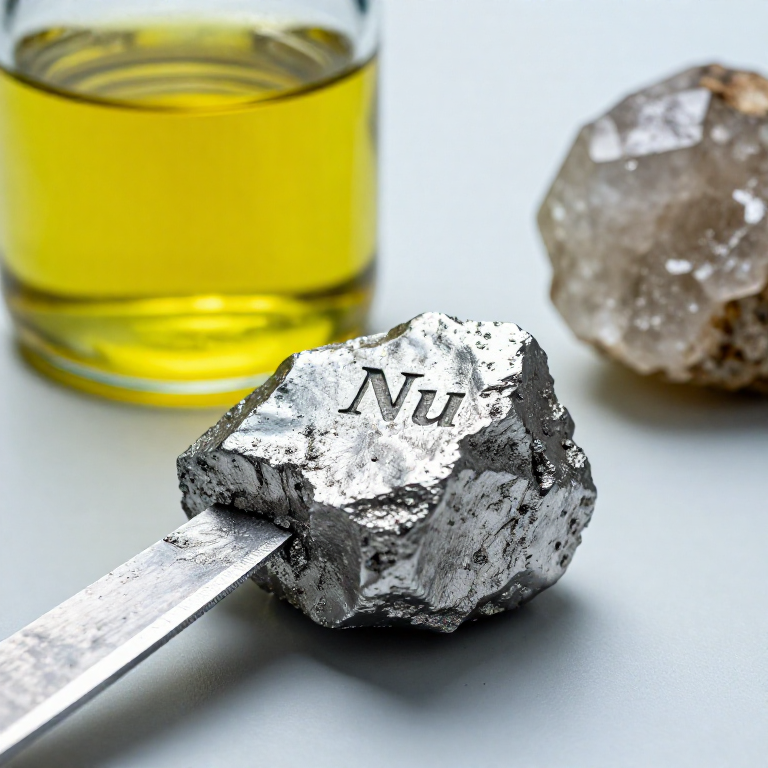
Understanding Sodium from Halite — The Reactive Metal That Powers Life and Industry
བར་མ
ལམ་སྟོན
1
1
Understand Sodium's Discovery
Understand Sodium's Discovery
Humphry Davy isolated sodium in 1807 by electrolysis of molten sodium hydroxide (caustic soda) using a voltaic pile — just days after isolating potassium by the same method. A small globule of silvery metal burst through the crust and caught fire in air, burning with an intense yellow flame. The name sodium comes from the medieval Latin 'sodanum' (headache remedy, referring to sodium carbonate). The symbol Na comes from 'natrium' (Latin, from Egyptian natron — natural soda deposits).
2
2
Identify Sodium Sources
Identify Sodium Sources
Sodium is the sixth most abundant element in Earth's crust at 2.3% and the most abundant alkali metal. Halite (NaCl, rock salt) forms enormous underground deposits from evaporated ancient seas — the Khewra Salt Mine in Pakistan has been mined since 326 BC. The oceans contain 1.08% sodium by weight (about 3.5% as NaCl). Trona (Na₂CO₃·NaHCO₃·2H₂O) at the Green River deposit in Wyoming provides sodium carbonate. Sodium never occurs as a free metal in nature due to its extreme reactivity.
གོམ་པ་འདིའི་རྫས་རིགས:
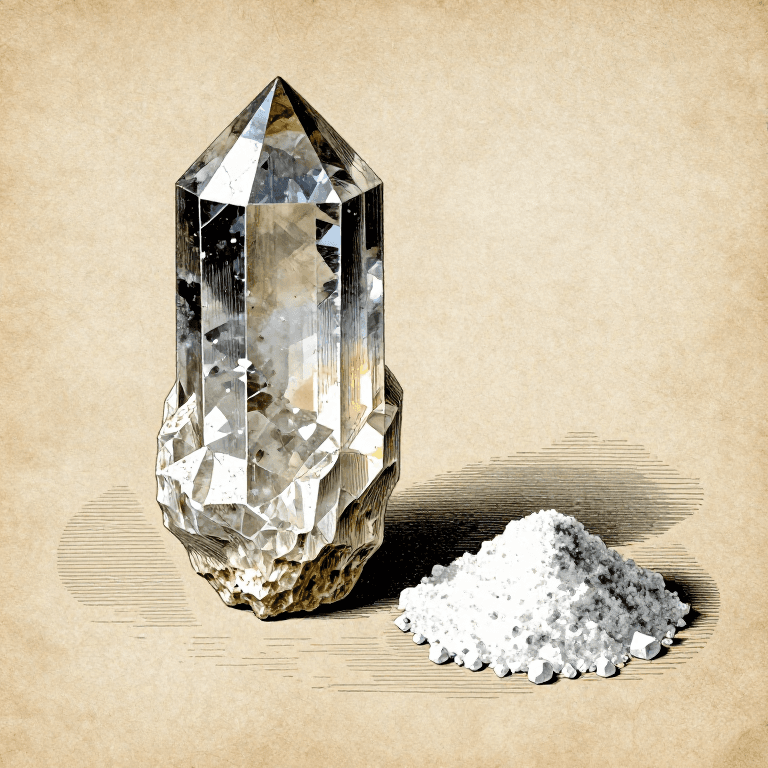
 ཧེ་ལཱའིཊ (རྡོ་ཚྭ) གི་དཔེ་མཚོན
 ཊོ་ན་གི་དཔེ་ཚད
ལག་ཆས་དགོས་མཁོ:
 ལག་གི་ཆེ་བཟོ་ཤེལ་ 10x
 རིས་ལེབ་ (ཞུན་མ་བྱུགས་པའི་རྫ་མ)
 མོསི་སྲ་ཚད་ཀྱི་རྣོ་ཆས།
3
3
Examine the Downs Process
Examine the Downs Process
Metallic sodium is produced by electrolysis of molten sodium chloride in the Downs cell, patented in 1924. The cell operates at 600°C with calcium chloride added to lower the melting point from 801°C. Sodium metal collects at the steel cathode and rises to the surface, while chlorine gas forms at the carbon anode. A steel gauze diaphragm prevents the sodium and chlorine from recombining. Global production is approximately 100,000 tonnes per year, primarily for chemical synthesis.
4
4
Discover Biological Essential Role
Discover Biological Essential Role
Sodium is essential to all animal life. The sodium-potassium pump (Na⁺/K⁺-ATPase) in every cell membrane maintains the electrochemical gradient that drives nerve impulses, muscle contraction, and nutrient absorption. Nerve signals propagate by the sequential opening of sodium channels — Na⁺ ions flooding into the cell depolarize the membrane at 100 meters per second. The human body contains approximately 100 grams of sodium. Dietary sodium (as salt) has been a valued commodity since the beginning of civilization.
5
5
Understand the Chlor-Alkali Industry
Understand the Chlor-Alkali Industry
The chlor-alkali process electrolyzes brine (NaCl solution) to produce chlorine gas, hydrogen gas, and sodium hydroxide (caustic soda, NaOH) — three of the most important industrial chemicals. Global production exceeds 75 million tonnes of NaOH annually. Sodium hydroxide is used in paper pulping, soap manufacturing, aluminum refining (Bayer process), petroleum refining, and water treatment. Sodium carbonate (soda ash, Na₂CO₃) is essential for glass manufacturing — every window contains sodium.
6
6
Explore Sodium-Cooled Nuclear Reactors
Explore Sodium-Cooled Nuclear Reactors
Liquid sodium is the coolant in fast breeder reactors because it transfers heat efficiently, operates at low pressure, and does not moderate (slow down) neutrons. Sodium's high boiling point (883°C) allows reactor operation at atmospheric pressure — unlike water-cooled reactors that operate at 150+ atmospheres. The EBR-II at Idaho, Phénix in France, and BN-800 in Russia use liquid sodium coolant. The main challenge is sodium's violent reaction with water, requiring intermediate sodium loops.
7
7
Examine Sodium Vapor Lighting
Examine Sodium Vapor Lighting
Low-pressure sodium (LPS) lamps produce the most efficient artificial light — up to 200 lumens per watt — by exciting sodium vapor to emit its characteristic 589 nm yellow doublet (the sodium D lines). These monochromatic yellow lights illuminated streets worldwide from the 1930s onward. High-pressure sodium (HPS) lamps produce a broader golden-white spectrum and became the dominant street light from the 1970s until LED replacement began in the 2010s.
8
8
Survey Sodium's Reactive Chemistry
Survey Sodium's Reactive Chemistry
Sodium metal reacts vigorously with water, producing sodium hydroxide and hydrogen gas — the hydrogen can ignite from the heat of reaction. Sodium burns in air with an intense yellow flame. It must be stored under mineral oil or in inert atmosphere. Sodium in liquid ammonia produces a deep blue solution of solvated electrons — the most powerful chemical reducing agent commonly available. The Birch reduction using sodium in ammonia is a fundamental organic chemistry reaction for partially reducing aromatic rings.
9
9
Discover Sodium-Ion Batteries
Discover Sodium-Ion Batteries
Sodium-ion batteries are emerging as a cheaper alternative to lithium-ion for stationary energy storage. Sodium is 1,000 times more abundant than lithium and geographically widespread. CATL began mass production of sodium-ion batteries in 2023. While sodium-ion cells have lower energy density than lithium-ion (about 160 vs 250 Wh/kg), they perform better in cold temperatures, are safer (can be discharged to zero volts for transport), and use abundant materials like iron and manganese instead of cobalt and nickel.
ལག་ཆས་དགོས་མཁོ:
 ཏག་ཏག་གི་སྲང་།
10
10
Document Findings and Civilizational Impact
Document Findings and Civilizational Impact
Record sodium's key data: atomic number 11, density 0.968 g/cm³ (floats on water), melting point 97.8°C, soft silvery-white metal. Sodium is the element of civilization — salt built trade routes and empires, caustic soda drives modern industry, and the sodium-potassium pump makes animal life possible. From the yellow glow of street lights to the next generation of batteries, sodium's abundance and versatile chemistry ensure it remains one of the most practically important elements in the periodic table.
11
11
Compute the Downs cell yield and the D-line energy
Compute the Downs cell yield and the D-line energy
Jupyter ཚང་དེབ་མངོན་གསལ་འབད་དོ་…
རྫས་རིགས
2- 1 དུམ་བུ།ས་ཆ་འཛིན
- 1 དུམ་བུ།ས་ཆ་འཛིན
ལག་ཆས་དགོས་མཁོ
4- ས་ཆ་འཛིན
- ས་ཆ་འཛིན
- ས་ཆ་འཛིན
- ས་ཆ་འཛིན
མཐུད་སྦྲེལ་བིལུ་པིརིན་ཊི་རྫས་རིགས

འབུལ་ལམ 10%
Extracting Potash from Wood Ash — The Alkali Element Hidden in Every Fire
Peter གྱིས
སྔོན་རབས
༢༨༤
༠
༠
༠
༧
༠
ཉེན་ཁ་ཅན།
འབུལ་ལམ 10%
Extracting Lithium from Spodumene — The Lightest Metal That Powers the Future
Peter གྱིས
ས་འདོན
༤༩
༠
༠
༠
༣
༠
འབུལ་ལམ 10%
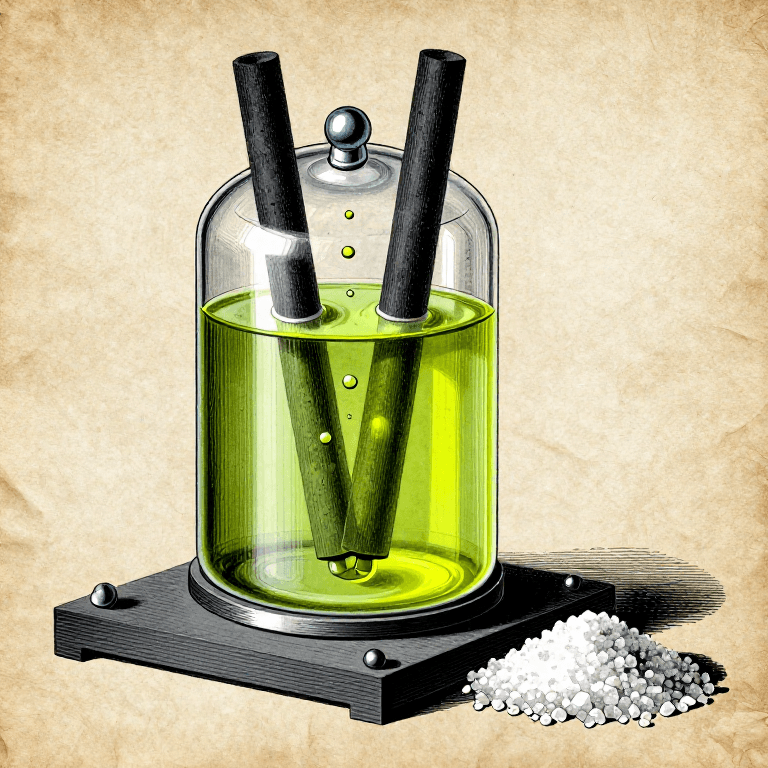
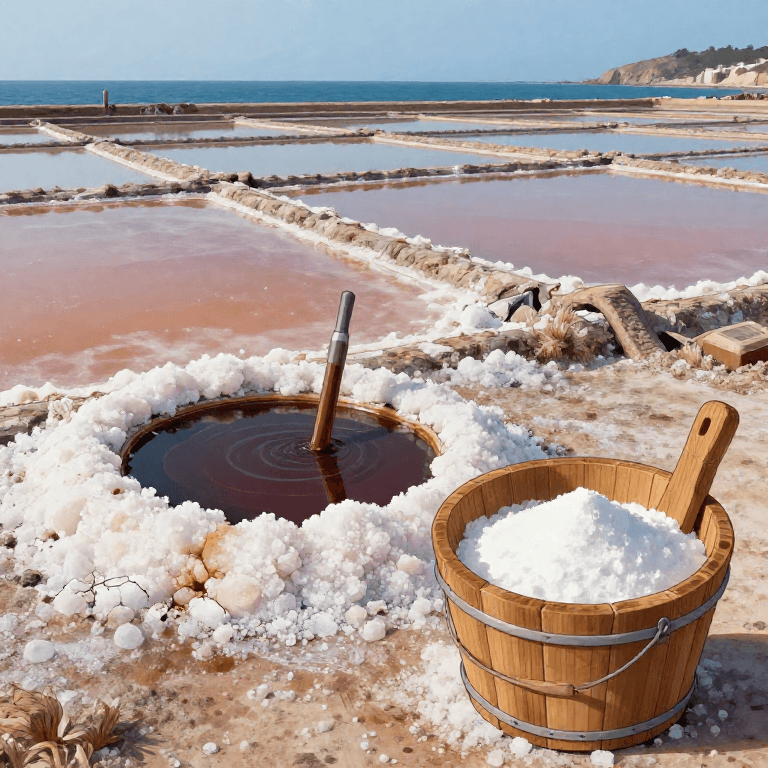
Understanding Chlorine from Salt Electrolysis — The Element That Purifies Water
Peter གྱིས
རྫས་རིག
༥༢
༠
༠
༠
༣
༠
འབུལ་ལམ 10%
Recovering Magnesium Salts from Seawater — The Lightweight Metal That Burns White
Peter གྱིས
རྒྱ་མཚོ
༨༩
༠
༠
༠
༡
༠

འབུལ་ལམ 10%
Burning Quicklime from Limestone — The Element That Built Civilization
Peter གྱིས
སྔོན་རབས
༧༧
༠
༠
༠
༦
༠
འབྲེལ་ཡོད་བིལུ་པིརིན་ཊི
བིལུ་པིརིན་ཊི་འདི་ཚུ་ཐབས་ལམ་དང་རྫས་རིགས། སྤྱི་ཆོས་བགོ་བཤའ་བྱེད
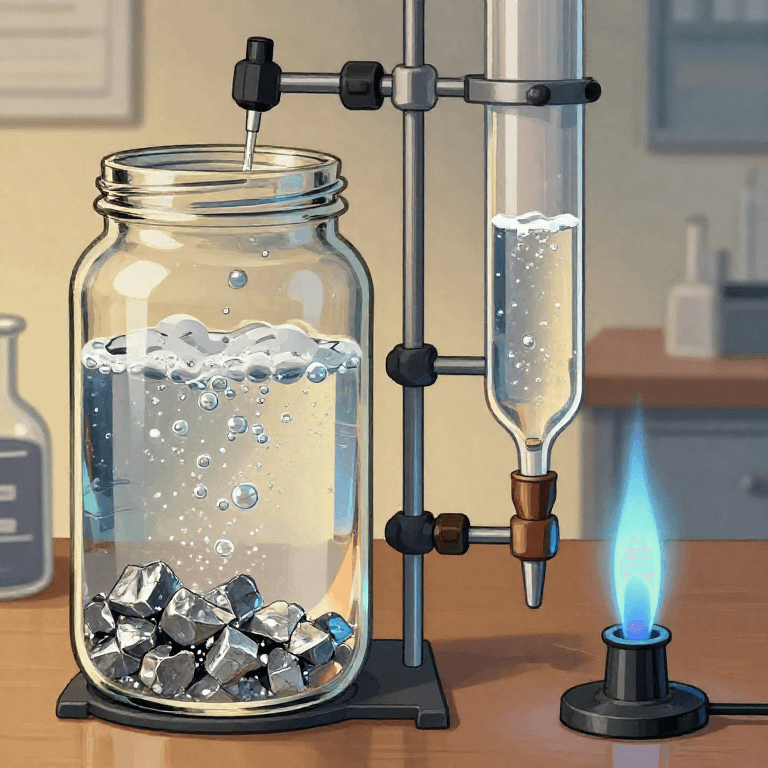
Generating Hydrogen Gas from Acid and Metal — The Lightest Element in the Universe
Peter གྱིས
སྔོན་རབས
༨༠
༠
༠
༠
༣
༠
ཉེན་ཁ་ཅན།
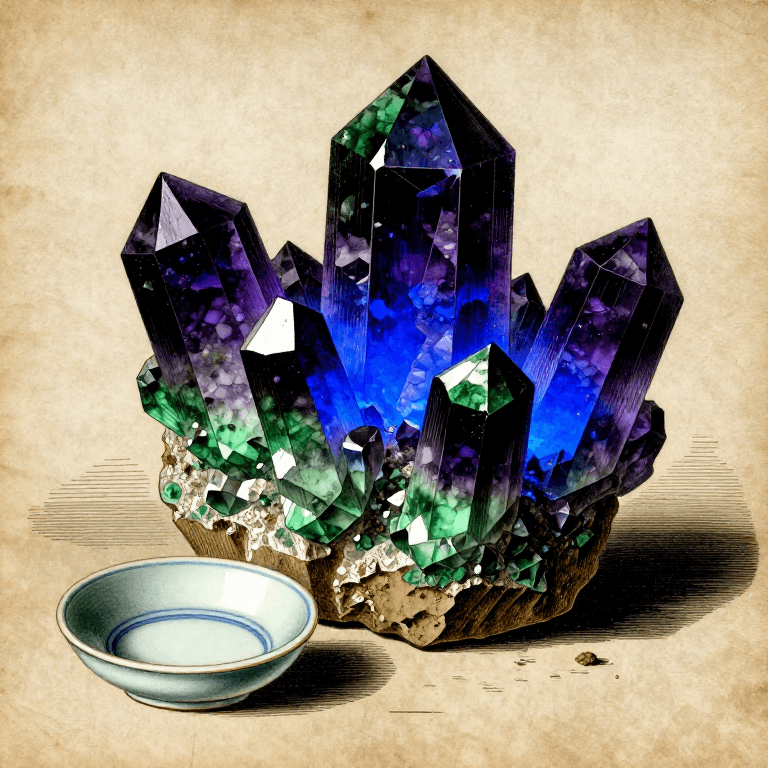
Understanding Fluorine from Fluorite — The Most Reactive Element on Earth
Peter གྱིས
ས་འདོན
༤༠
༠
༠
༠
༤
༠

Extracting Iron from Hematite — Bloomery Smelting from Ore to Bloom
Peter གྱིས
ལྕགས་བཟོ
༡༥༣
༠
༠
༠
༡༢
༠
CC0 སྤྱི་དབང
བིལུ་པིརིན་ཊི་འདི་CC0 འོག་བཀྲམས་ཡོད། ཁྱེད་རང་གིས་ཆོག་མཆན་མ་བཞེས་པར་ཕབ་ལེན་དང་བཟོ་བཅོས། བགོ་བཤའ། དགོས་མཁོ་གང་ལའང་བཀོལ་སྤྱོད་བྱས་ཆོག
བཟོ་མཁན་ལ་རྒྱབ་སྐྱོར་བྱེད་པའི་ཆེད་ཁོང་ཚོའི་བིལུ་པིརིན་ཊི་བརྒྱུད་ཐོན་སྐྱེད་ཉོ། བཟོ་མཁན་གྱིས བཟོ་མཁན་གྱི་ཁེ་ཕོགས ཚོང་པས་གཏན་འཁེལ་བྱས་པ། ཡང་ན་བིལུ་པིརིན་ཊི་འདིའི་པར་གསར་བཟོས་ཏེ་ཁྱེད་རང་གི་བིལུ་པིརིན་ཊི་ནང་མཐུད་སྦྲེལ་བྱས་ཏེ་ཡོང་སྒོ་བགོ་བཤའ་བྱེད།