艺术
美容与健康
工艺
文化与历史
娱乐
环境
食品与饮料
逆向工程
科学
体育
技术
可穿戴设备
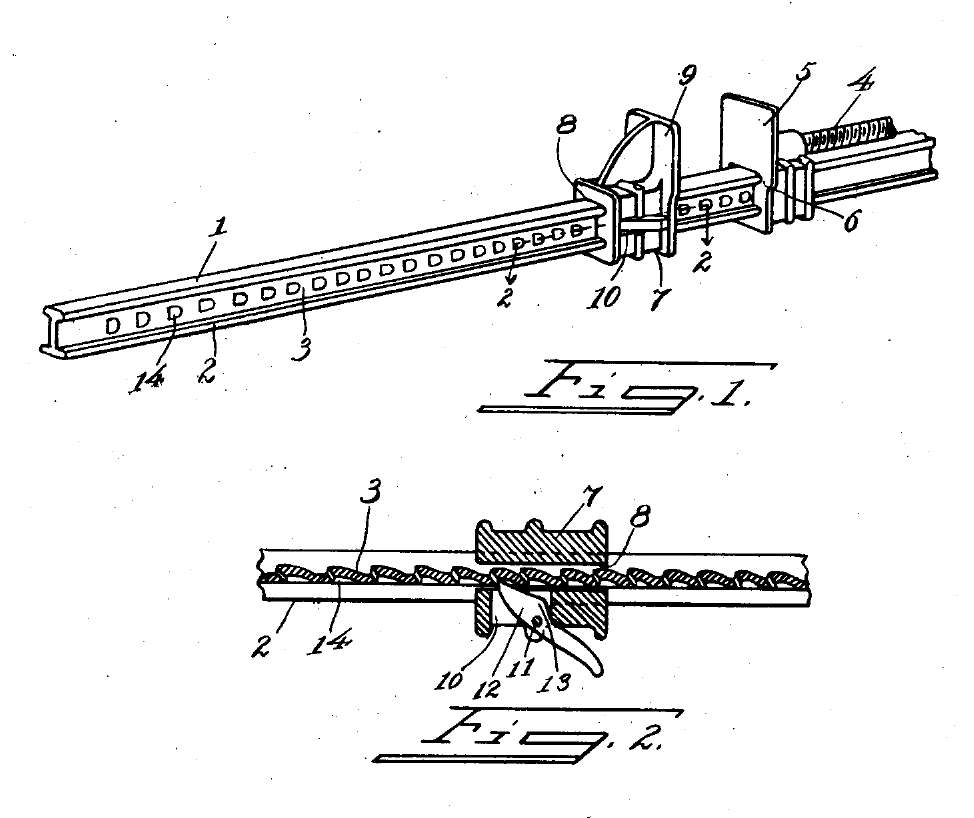


Bar Clamp with Die-Formed Notches: Hargrave, 1927
A cabinetmaker's bar clamp has a screw-adjusted jaw at one end of a bar and a sliding jaw held by a pawl in teeth along the bar. Teeth cut into the bar's edge weaken it, cannot be spaced closely, and wear until the pawl slips. John M. Hargrave of Cincinnati patented the fix in 1927, US 1,638,848: use an I-section bar and press a row of depressions into the side of its web with dies. Each depression has an abrupt, deep shoulder for the pawl and a sloping face away from it. Nothing is cut away, the corrugations stiffen the bar, the notches can be close together, and pressing them is cheaper than cutting.
中级
Workshop process
说明
1
1
Form the notches
Form the notches
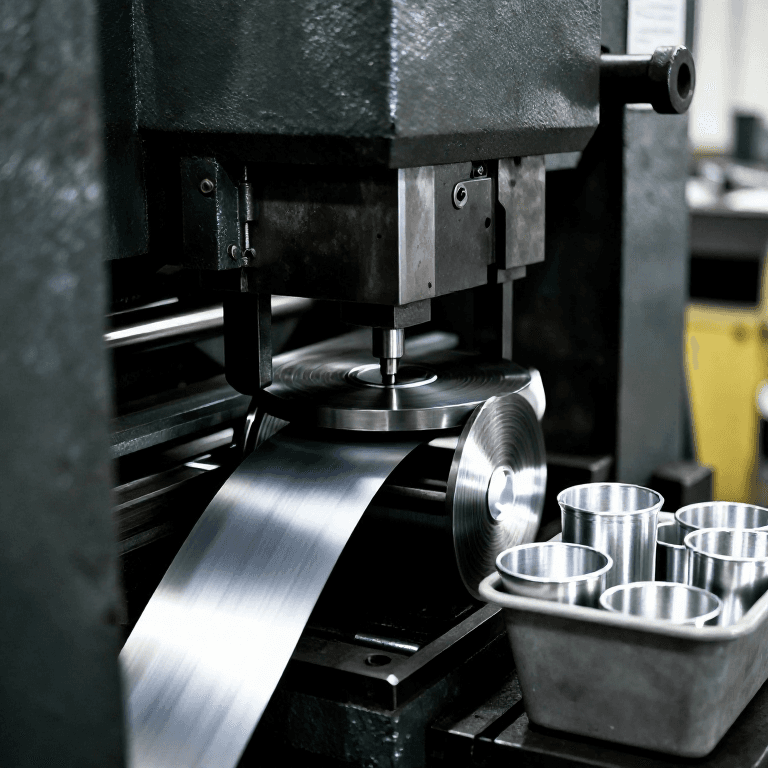
Press a row of spaced depressions into the web of the I-section bar with a die in a press. Each has an abrupt wall or shoulder at one end and a sloping face towards the other.
此步骤所需材料:
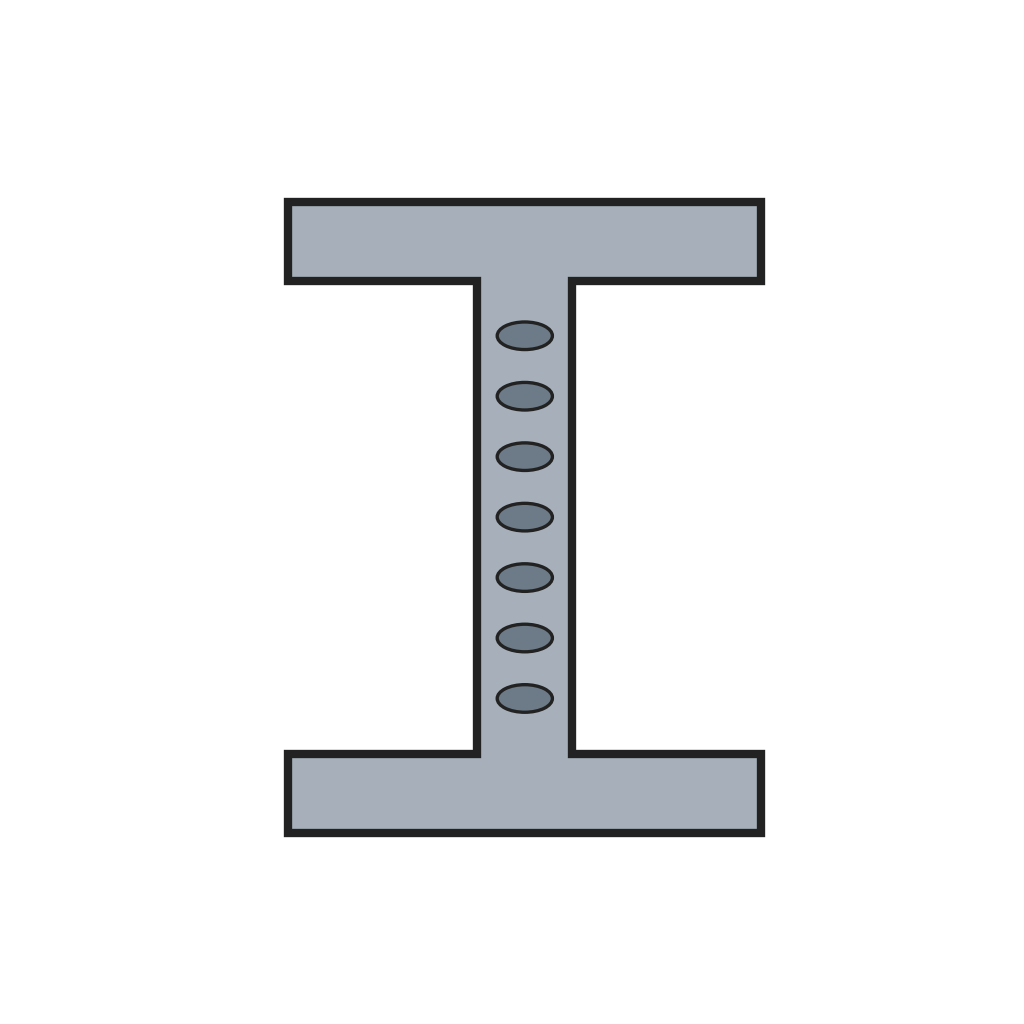 工字形截面夹紧杆1 个
所需工具:
 冲压机
冲压机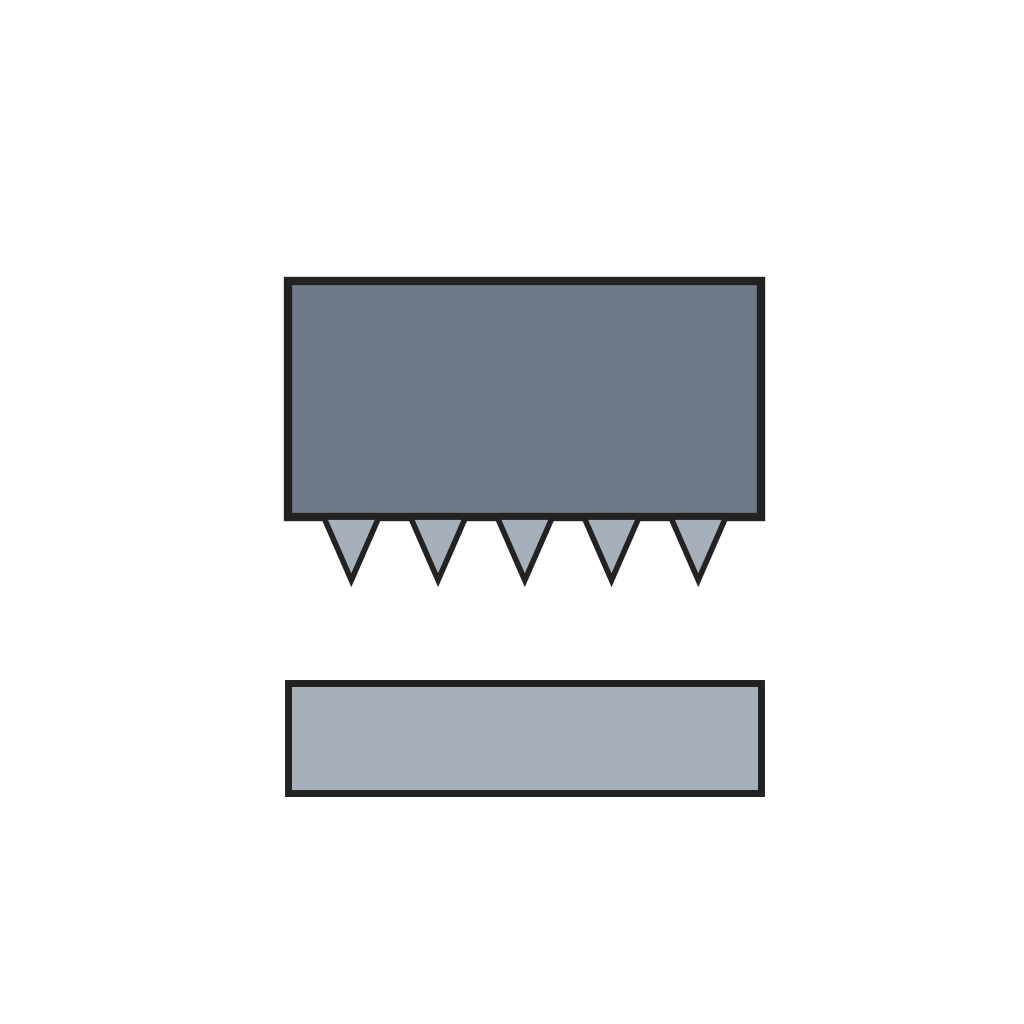 压槽模
压槽模2
2
Screw jaw
Screw jaw
Fit the clamp member with an I-shaped recess snugly over one end of the bar; its position is set by the screw.
此步骤所需材料:
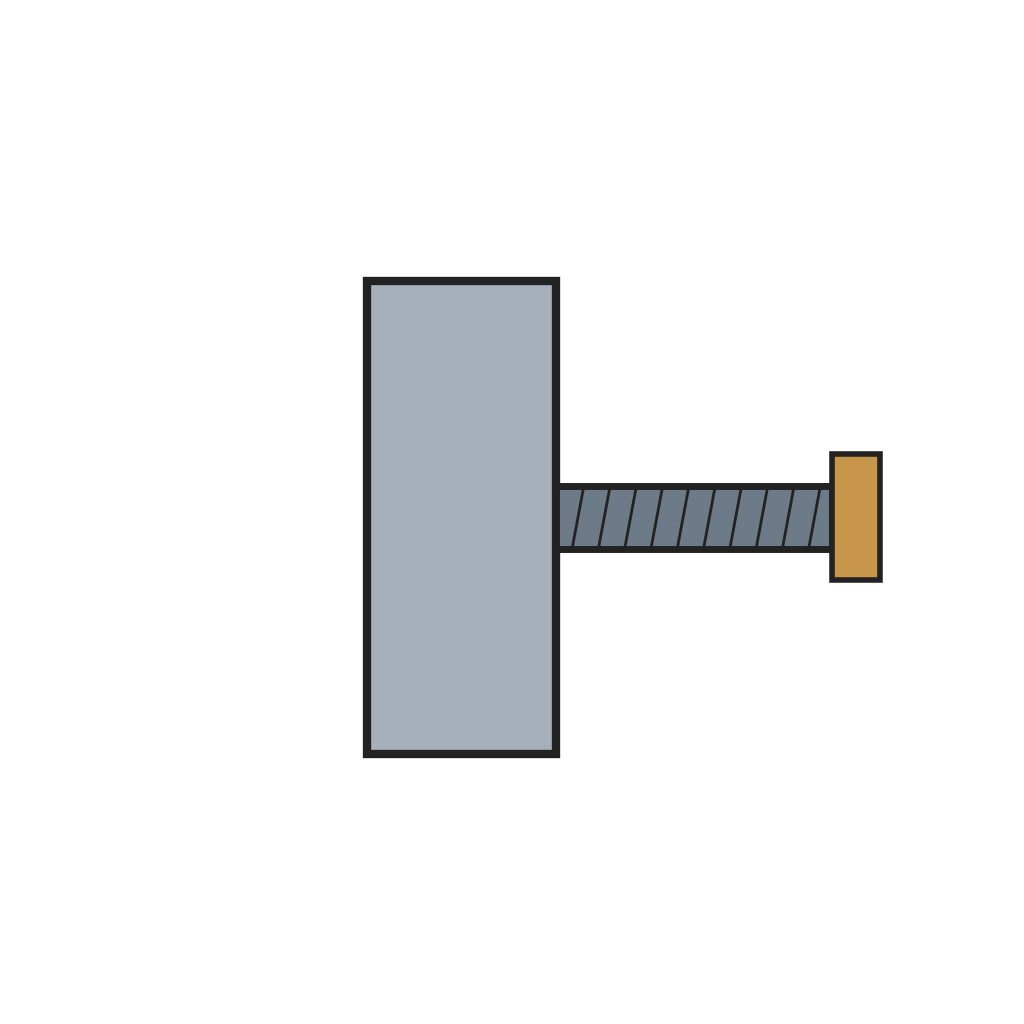 螺杆调节夹爪1 个
3
3
Pawl slider
Pawl slider
Slide on the body with its I-shaped recess and clamp face. Pivot the pawl on a pin across the aperture in its side, with a shoulder that rocks against the front face of the aperture to take the strain off the pin. The pawl's point abuts the shoulders of the depressions and drags over the sloping faces when the slider is moved.
此步骤所需材料:
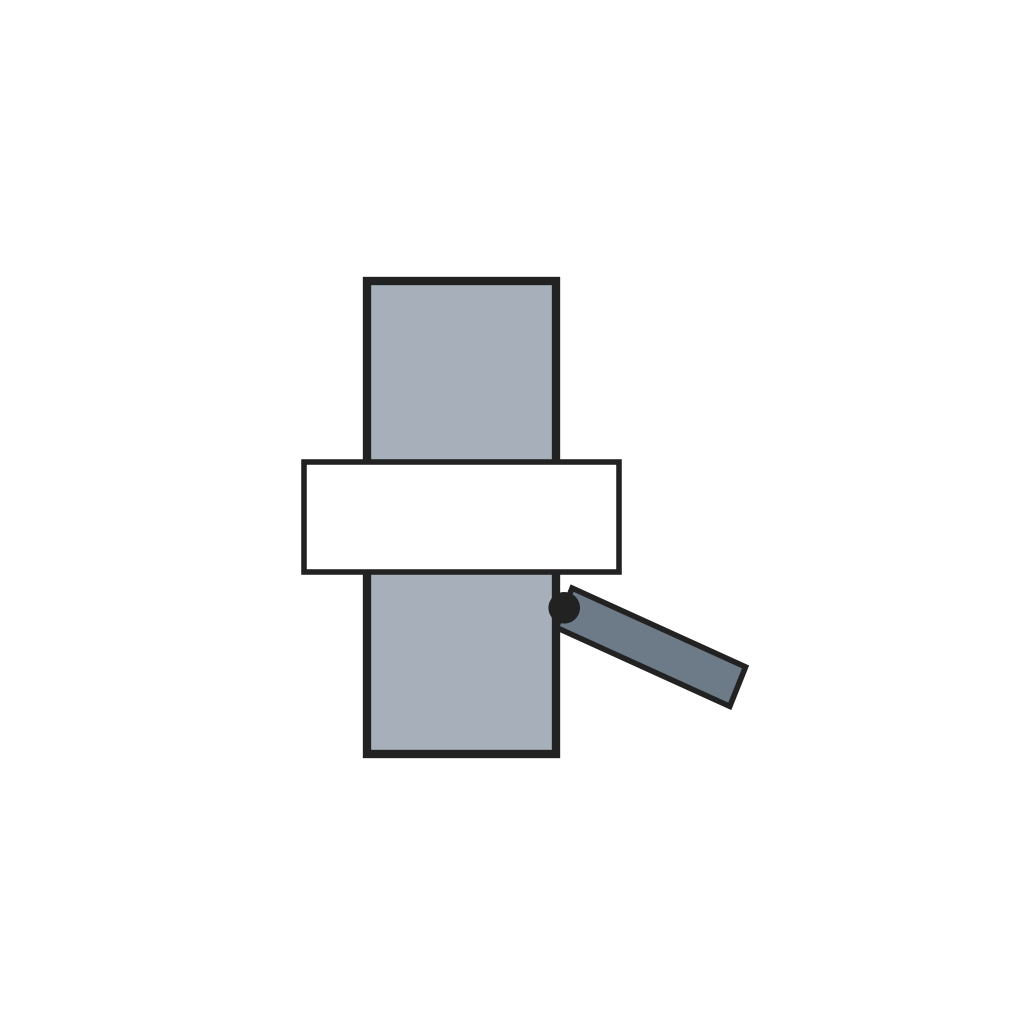 棘爪滑块1 个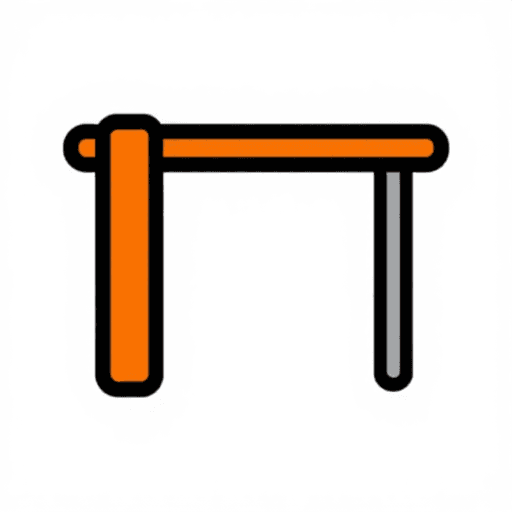

CC0 公共领域
此蓝图以 CC0 协议发布。你可以自由复制、修改、分发和使用此作品,无需征得许可。
通过购买蓝图中的产品支持创客,他们将获得 创客佣金 (由供应商设定),或创建此蓝图的新版本并将其作为连接包含在你自己的蓝图中以分享收入。