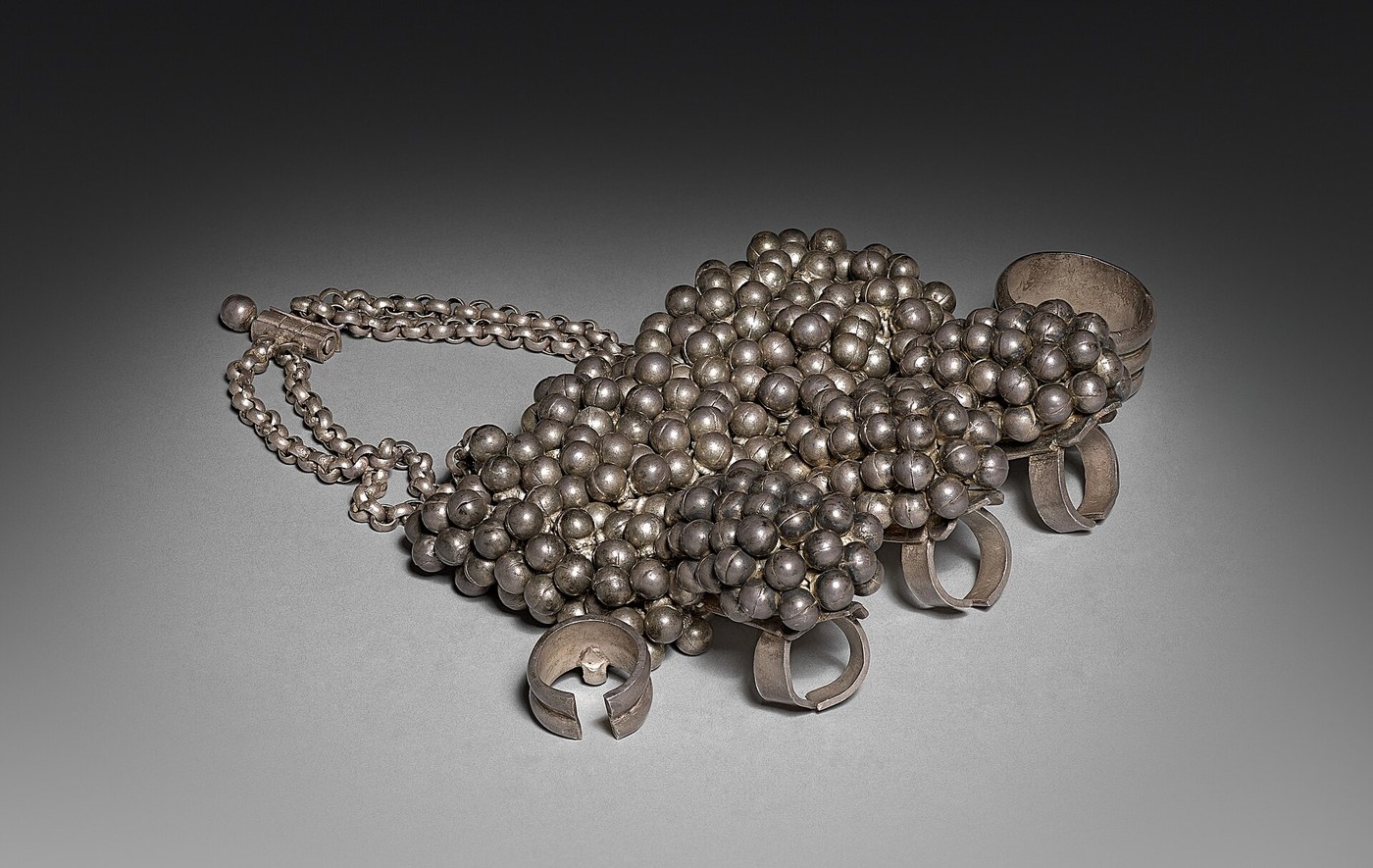


बिछिया
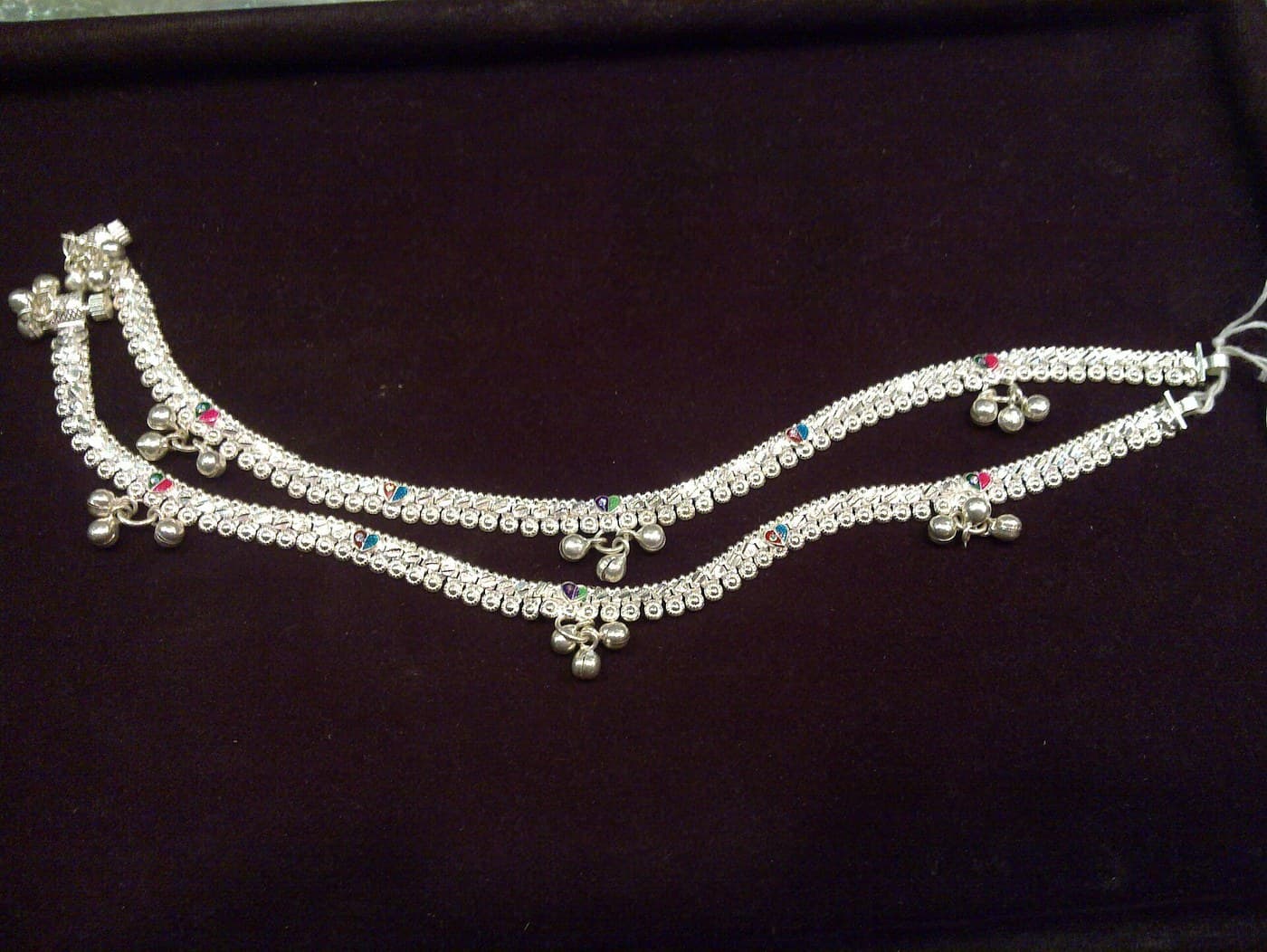
बिछिया चाँदी की ही होती है, सोने की नहीं। इसका कारण रिवाज़ है — सोना कमर से ऊपर, चाँदी कमर से नीचे। पैर की उँगली का गहना इसीलिए हमेशा चाँदी का बनता है।
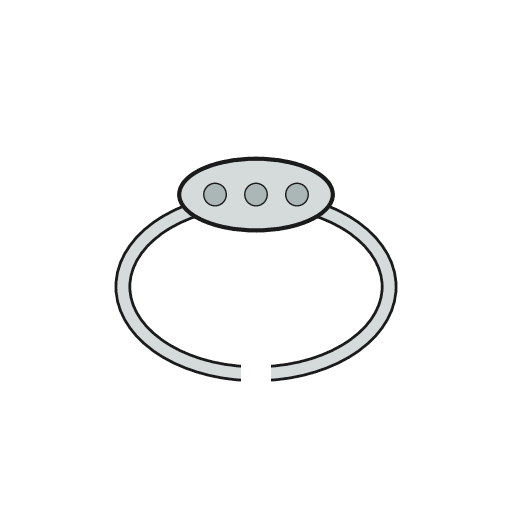
बनाने में सबसे बड़ी बात एक ही है: बिछिया बंद छल्ला नहीं होती। उसमें एक खुलाव रखा जाता है, ताकि पहनने वाली उसे दबाकर अपनी उँगली के नाप पर बैठा सके। यह गहना रोज़ पहना जाता है, उतारा नहीं जाता — इसलिए नाप बदलने की गुंजाइश गहने में ही रखनी पड़ती है।
चाँदी नरम है, पैर की उँगली पतली है, और चलने में गहना लगातार रगड़ खाता है। तीनों बातें मिलकर तय करती हैं कि तार कितना मोटा हो और डिज़ाइन कितना उभरा हुआ।
说明
उँगली का नाप लें
उँगली का नाप लें
पैर की दूसरी उँगली के चारों ओर धागा लपेटकर नाप लें। बिछिया आमतौर पर दूसरी उँगली में पहनी जाती है, अँगूठे में नहीं।
所需工具:
 直尺
直尺चाँदी का तार लें
चाँदी का तार लें
16 से 18 गेज का चाँदी का तार लें। पतला तार जल्दी मुड़ जाता है, मोटा तार पहनने में चुभता है।
此步骤所需材料:
 纯银线1 米
तार को नरम करें
तार को नरम करें
तार को हल्का लाल होने तक गरम करें और ठंडा होने दें। कड़ा तार मोड़ने पर टूटता है; नरम तार साँचे पर सधता है।
所需工具:
 丙烷喷灯
丙烷喷灯मंडरेल पर मोड़ें
मंडरेल पर मोड़ें
नाप के मुताबिक़ मंडरेल पर तार को गोल करें। एक ही बार में पूरा गोल करें — बार-बार मोड़ने से तार कमज़ोर होता है।
所需工具:
 脚趾戒指棒(钢制)
सिरे मिलाएँ नहीं — खुलाव छोड़ें
सिरे मिलाएँ नहीं — खुलाव छोड़ें
दोनों सिरों के बीच 3-4 मिमी का खुलाव छोड़ें। यही खुलाव बिछिया को पहनने लायक़ बनाता है — इसी को दबाकर नाप ठीक किया जाता है।
सिरों को गोल घिसें
सिरों को गोल घिसें
दोनों सिरों को घिसकर गोल कर दें। तेज़ सिरा बग़ल की उँगली में लगता रहेगा और चलने में घाव कर देगा।
所需工具:
 什锦锉套装
什锦锉套装ऊपर का हिस्सा चपटा करें
ऊपर का हिस्सा चपटा करें
छल्ले के ऊपरी हिस्से को हथौड़े से हल्का चपटा करें। इससे डिज़ाइन के लिए जगह बनती है और गहना उँगली पर घूमता नहीं।
डिज़ाइन उथला रखें
डिज़ाइन उथला रखें
ऊपरी सतह पर बारीक लकीरें या दाने बनाएँ, पर उभार कम रखें। ऊँचा उभार ज़मीन से रगड़ खाकर कुछ महीनों में घिस जाता है।
अंदर की सतह चिकनी करें
अंदर की सतह चिकनी करें
भीतर की तरफ़ अच्छी तरह घिसें। यही हिस्सा दिन-भर त्वचा से लगा रहता है, और यहीं की खुरदराहट सबसे पहले तकलीफ़ देती है।
所需工具:
 砂纸
砂纸जोड़ी बनाएँ
जोड़ी बनाएँ
दूसरी बिछिया भी उसी नाप और डिज़ाइन की बनाएँ। बिछिया जोड़े में पहनी जाती है — दोनों पैरों में।
पहनकर देखें
पहनकर देखें
पहनाकर थोड़ा चलवाएँ। ढीली हो तो खुलाव हल्का दबाएँ, कसी हो तो थोड़ा खोलें। नाप चलने में तय होता है, बैठे-बैठे नहीं।
चमकाएँ
चमकाएँ
बारीक कपड़े से घिसकर चमक लाएँ। चाँदी पर समय के साथ जो हल्की कालिमा आती है, उसे कई लोग जान-बूझकर रहने देते हैं — उससे डिज़ाइन उभरकर दिखता है।
इतिहास और संदर्भ
इतिहास और संदर्भ
चाँदी ही क्यों। भारत के बड़े हिस्से में यह चलन रहा है कि सोना कमर से ऊपर पहना जाता है और चाँदी कमर से नीचे। इसीलिए पायल, बिछिया और पैर के दूसरे गहने चाँदी के होते हैं। यह नियम हर जगह एक-सा नहीं है — क्षेत्र और समुदाय के हिसाब से बदलता है — पर उत्तर भारत में यह आम है।
पहनने का अर्थ। कई समुदायों में बिछिया विवाहित स्त्री का चिह्न मानी जाती है और जोड़े में पहनी जाती है। यह रिवाज़ है, नियम नहीं, और इसका पालन हर जगह एक जैसा नहीं होता। इसे तथ्य की तरह दर्ज करना ठीक है; इसे सबके लिए अनिवार्य बताना ठीक नहीं।
खुला छल्ला — बनावट की मजबूरी नहीं, समझदारी है। यह गहना रोज़ पहना जाता है और अक्सर उतारा नहीं जाता। पैर की उँगली का नाप दिन-भर में, और सालों में, बदलता है। खुला सिरा पहनने वाली को ख़ुद नाप ठीक करने देता है — बिना सुनार के पास गए। बंद छल्ला ज़्यादा मज़बूत होता, पर बेकार होता।
घिसाव का हिसाब। पैर का गहना ज़मीन से, चप्पल से और दूसरी उँगली से लगातार रगड़ खाता है। इसीलिए बिछिया का डिज़ाइन चपटा और उथला रखा जाता है, जबकि हाथ की अँगूठी में ऊँचा नग लगाया जा सकता है। एक ही धातु, एक ही कारीगर — पर जगह बदलते ही डिज़ाइन के नियम बदल जाते हैं।
此蓝图制作
CC0 公共领域
此蓝图以 CC0 协议发布。你可以自由复制、修改、分发和使用此作品,无需征得许可。
通过购买蓝图中的产品支持创客,他们将获得 创客佣金 (由供应商设定),或创建此蓝图的新版本并将其作为连接包含在你自己的蓝图中以分享收入。