艺术
美容与健康
工艺
文化与历史
娱乐
环境
食品与饮料
逆向工程
科学
体育
技术
可穿戴设备
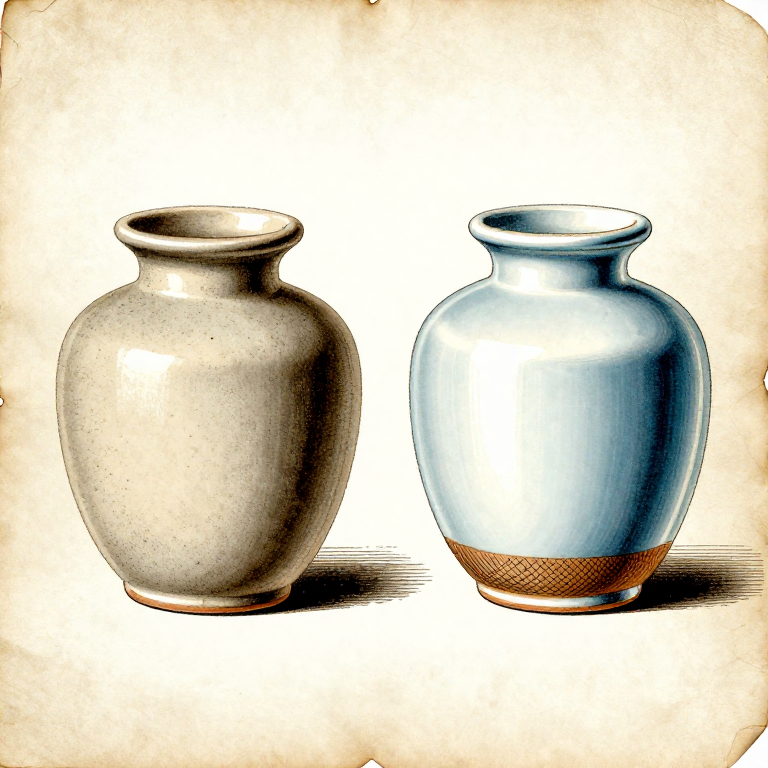
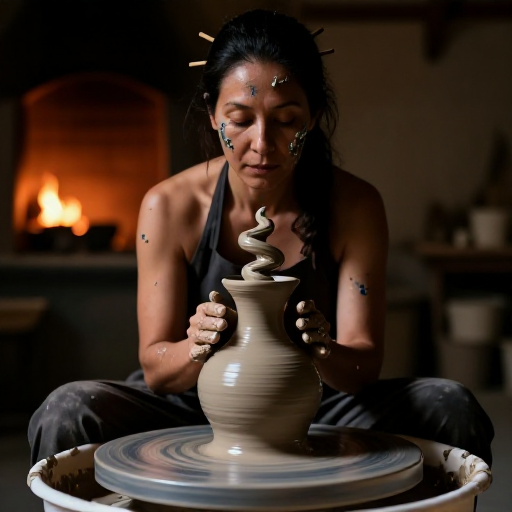

Two Firings: What Bisque Does That the Glaze Firing Cannot
Most pottery is fired twice, and the two firings do genuinely different jobs. Firing once is possible and is how most of history did it, but the two-firing route is easier and it is worth understanding why.
The BISQUE firing turns fragile dry clay into a hard porous solid. It drives off the chemically bound water permanently, so the piece can never be turned back into clay — and it leaves the piece POROUS, which is exactly what glazing needs.
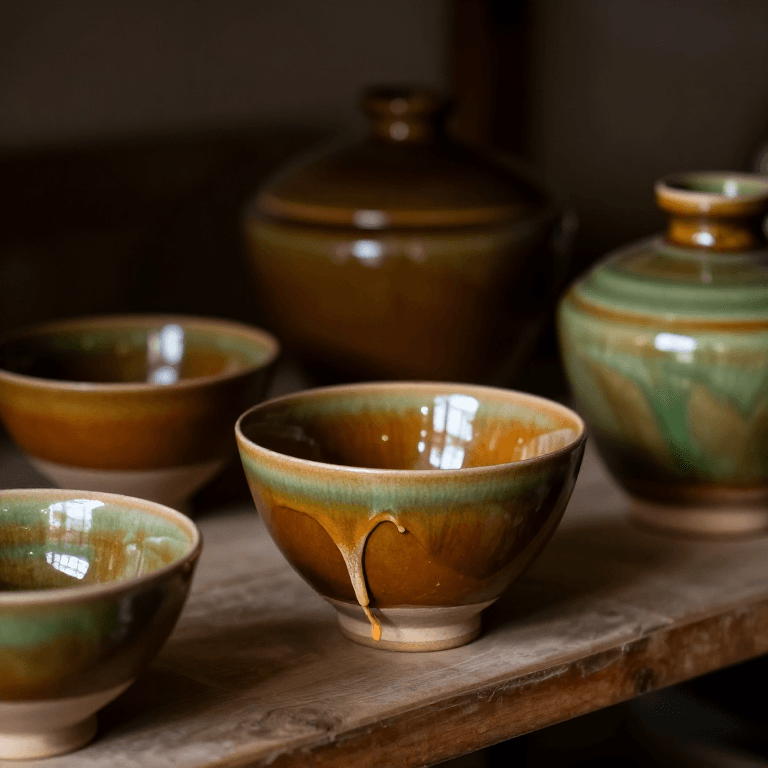
The GLAZE firing melts a layer of glass onto that porous surface. It goes hotter, it matures the clay body itself, and it is where the piece becomes waterproof and its final size.
中级
4 hours
说明
1
1
Bone dry into the kiln, and go up slowly
Bone dry into the kiln, and go up slowly
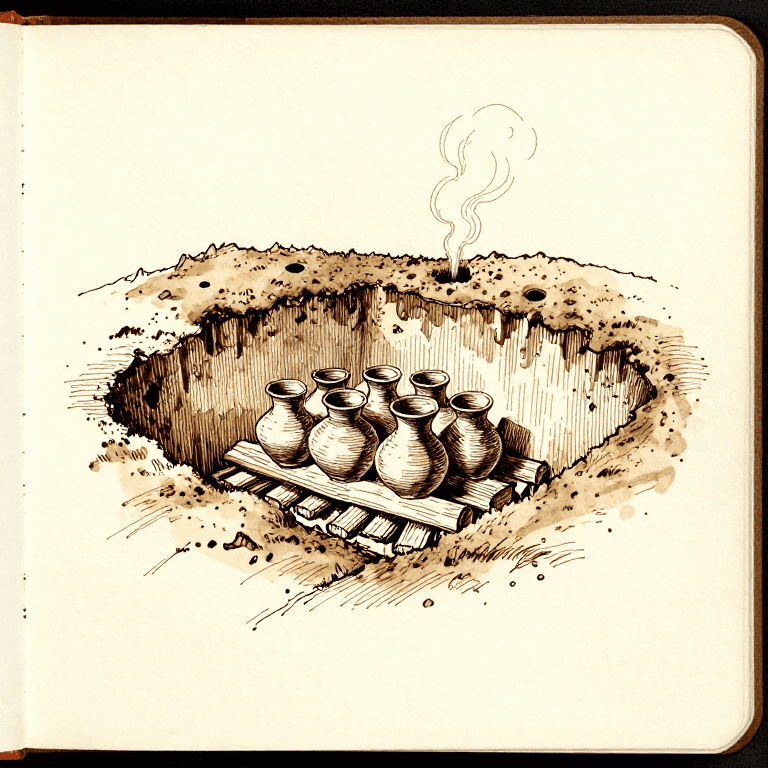
Only bone-dry work goes into a bisque firing. Any remaining water becomes steam, and steam inside a sealed pot is the explosion that scatters shards across the shelf and into every other piece in the kiln.
Go up slowly to 200 degrees and hold there, or leave the vent open — this is the water-smoking stage, where the last physical water leaves. An hour of patience here saves a whole kiln load.
Between about 350 and 600 degrees the chemically bound water leaves the clay molecules themselves. That is the change that is irreversible, and it is why bisque ware cannot be slaked down and reclaimed.
此步骤所需材料:
 全干黏土器皿1 个
所需工具:
 窑炉
窑炉 高温计
高温计2
2
Bisque low, glaze high — and why that order
Bisque low, glaze high — and why that order
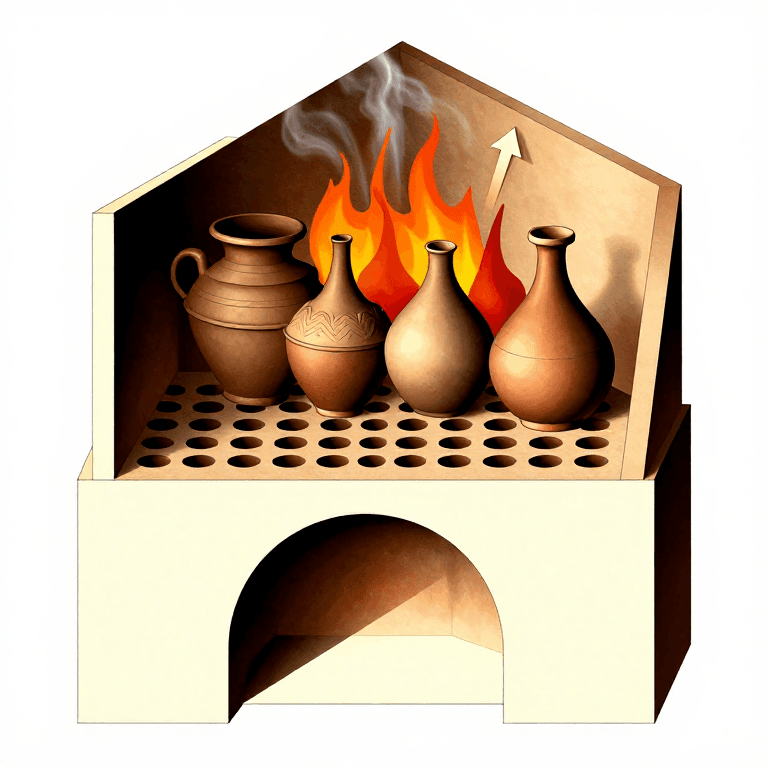
Bisque is fired LOWER than the glaze firing, typically around 950 to 1000 degrees. That is hot enough to harden the piece and burn out organic matter, and cool enough to leave it porous.
Porosity is the whole point. A porous bisque pot dipped in glaze sucks water out of the glaze instantly and leaves an even coat of glaze powder on the surface. Dip a fully vitrified pot and the glaze runs straight off.
So the low firing must come first. Reversing the order — a high firing then a low one — gives a piece that cannot be glazed and a glaze that never melts, which is why the sequence is not a matter of preference.
此步骤所需材料:
全干黏土器皿1 个 透明釉1 个
所需工具:
窑炉 高温窑高温计
3
3
Applying glaze: thickness is the variable that matters
Applying glaze: thickness is the variable that matters
Stir the glaze thoroughly — the heavy minerals settle to the bottom of the bucket within hours, so an unstirred bucket gives water at the top and sludge below, and neither is the glaze you tested.
Dip for a COUNT, not by eye. Two seconds in, out, and let it drain. The bisque's porosity does the work, and the count is what makes the result repeatable — the same reason a recipe in grams beats one in spoons.
Too thin and the colour is weak and patchy; too thick and it crawls, runs off the pot, or seals the surface so trapped gases blister through it. Test tiles at one, two and three dips, fired alongside the work, tell you what your glaze wants on your clay.
此步骤所需材料:
透明釉1 个 陶瓷釉料1 个
 水1 升
水1 升所需工具:
 陶艺工具套装
 海绵
海绵 精密天平
精密天平4
4
Wipe the foot, or the pot joins the shelf permanently
Wipe the foot, or the pot joins the shelf permanently
Glaze is glass. Anywhere it touches the kiln shelf it will weld the pot to the shelf, and separating them afterwards destroys the pot, the shelf, or both.
So wipe the foot and the bottom 3 to 5 mm of the wall completely clean with a damp sponge before firing. Check by feel as well as by eye — a thin film of glaze that is barely visible is quite enough to stick.
Leave space between pieces too. Glaze that runs, or two pots that touch as they expand, fuse into one object. That is the single most expensive mistake in loading a glaze kiln, and it is entirely preventable with a few centimetres.
此步骤所需材料:
透明釉1 个所需工具:
海绵窑炉陶艺工具套装相关蓝图
这些蓝图共享知识——技术、材料或原理
CC0 公共领域
此蓝图以 CC0 协议发布。你可以自由复制、修改、分发和使用此作品,无需征得许可。
通过购买蓝图中的产品支持创客,他们将获得 创客佣金 (由供应商设定),或创建此蓝图的新版本并将其作为连接包含在你自己的蓝图中以分享收入。