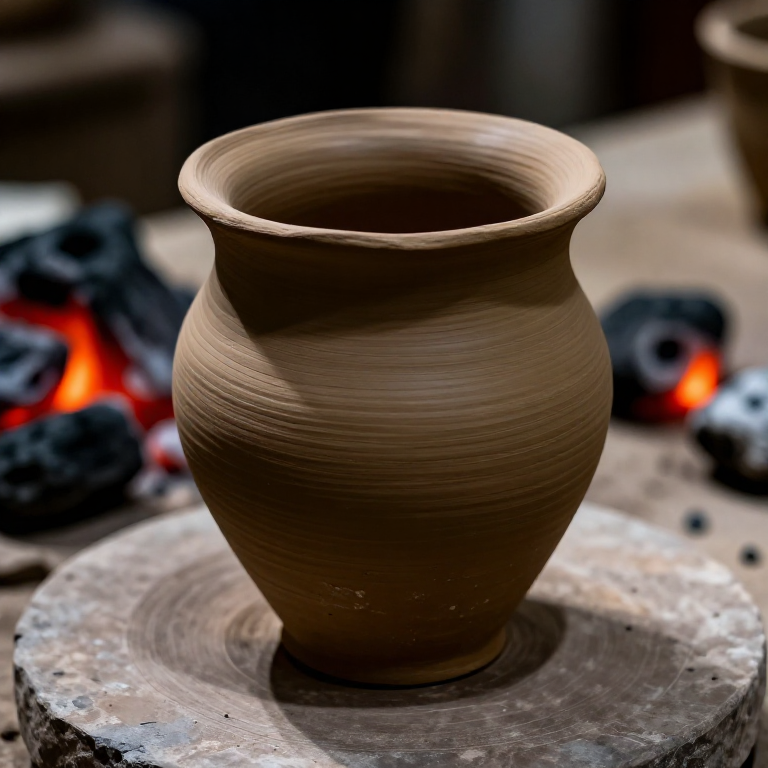


Making a Clay Crucible for Smelting — The Vessel That Holds Molten Metal
The clay crucible is the most essential tool in early metallurgy — a hand-formed vessel of refractory clay and grog that can withstand the 1,100 °C temperatures needed to melt copper and bronze. Without it, smelting is impossible.
This blueprint follows the Bronze Age method of mixing local clay with crushed pottery (grog) to create a thermal-shock-resistant vessel. The grog opens the clay body, allowing steam to escape during firing instead of shattering the crucible. The thick walls and tapered form channel heat inward while the pouring lip allows controlled transfer of molten metal into moulds.
Every bronze tool, weapon, and ornament of the ancient world began inside a vessel like this one.
说明
Collect and prepare the clay
Collect and prepare the clay
此步骤所需材料:
 耐火黏土2 公斤
Crush fired pottery into grog
Crush fired pottery into grog
此步骤所需材料:
 熟料(碎烧结陶片)500 克
Mix the crucible body
Mix the crucible body
此步骤所需材料:
 石英砂200 克
 水500 毫升
所需工具:
 平整石板
平整石板 木搅拌棒
木搅拌棒Wedge the clay to remove air
Wedge the clay to remove air
Form the base
Form the base
Build up the walls with coils
Build up the walls with coils
Smooth and compress the walls
Smooth and compress the walls
所需工具:
 光滑石
光滑石Form the pouring lip
Form the pouring lip
Thicken the base and lower walls
Thicken the base and lower walls
Dry the crucible slowly
Dry the crucible slowly
Pre-heat near a fire
Pre-heat near a fire
Fire the crucible in a kiln
Fire the crucible in a kiln
Inspect and test
Inspect and test
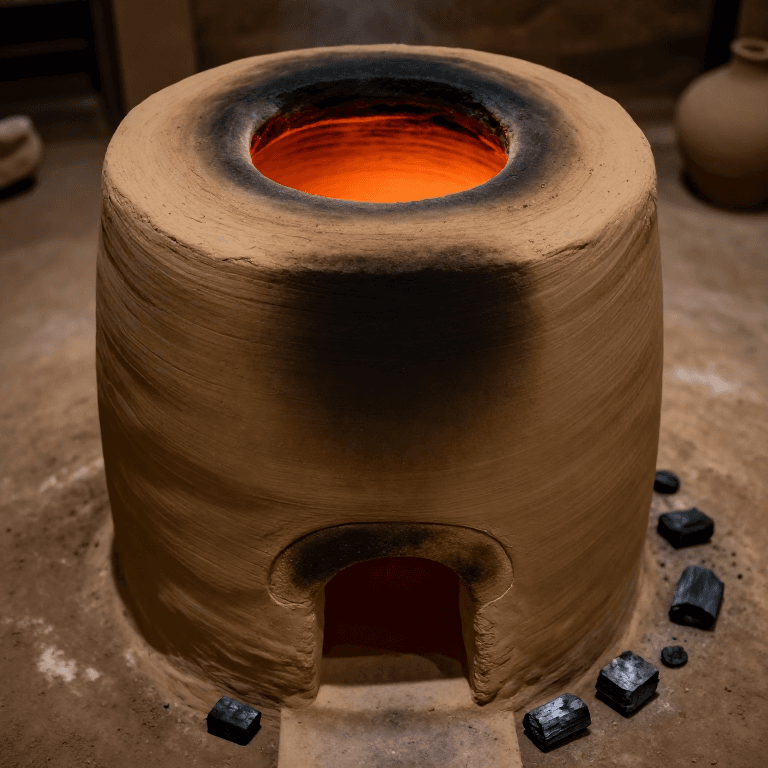
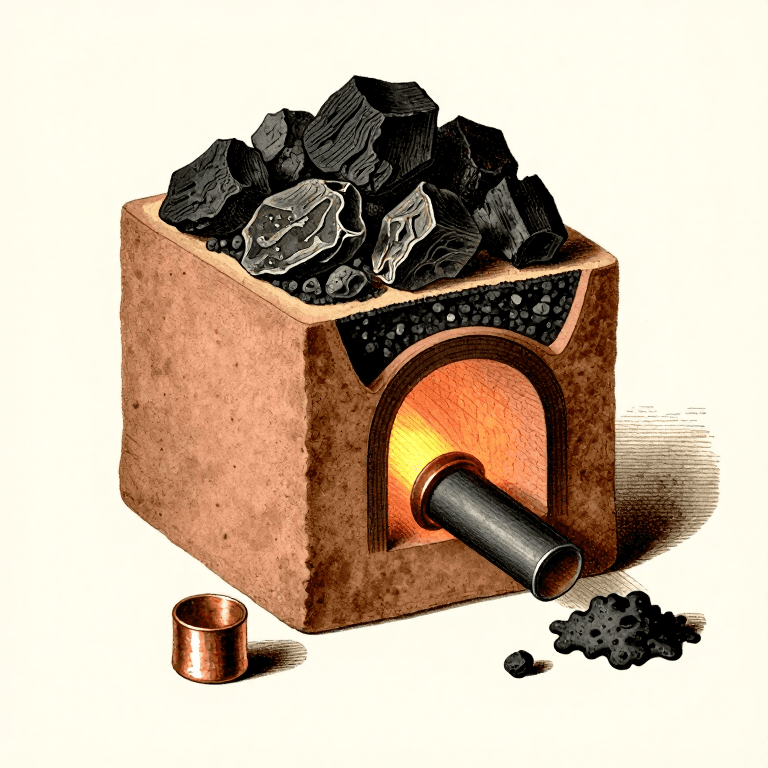
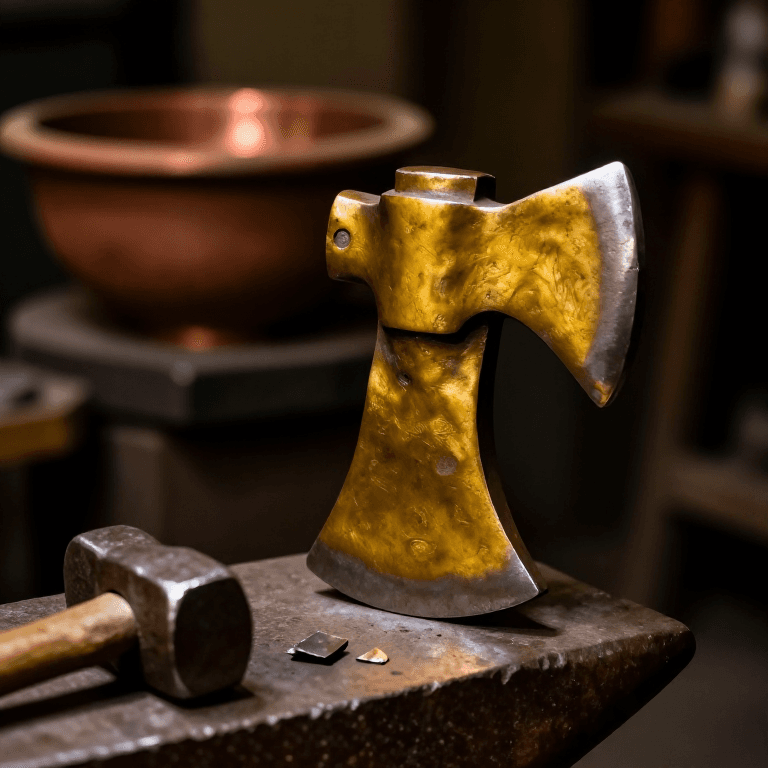
相关蓝图
这些蓝图共享知识——技术、材料或原理

CC0 公共领域
此蓝图以 CC0 协议发布。你可以自由复制、修改、分发和使用此作品,无需征得许可。
通过购买蓝图中的产品支持创客,他们将获得 创客佣金 (由供应商设定),或创建此蓝图的新版本并将其作为连接包含在你自己的蓝图中以分享收入。