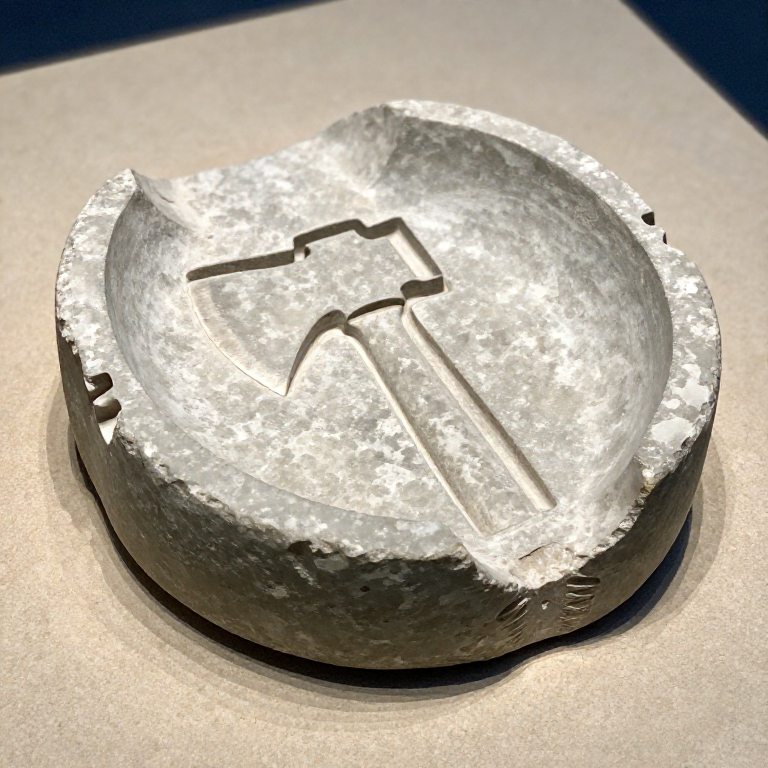


Carving a Stone Mould for Bronze Casting — Open-Face and Bivalve Moulds
Before lost-wax casting existed, Bronze Age metalworkers carved moulds directly into stone. Soapstone (steatite) was the preferred material — soft enough to carve with flint tools, yet heat-resistant enough to survive repeated pours of molten bronze at 1,000 °C.
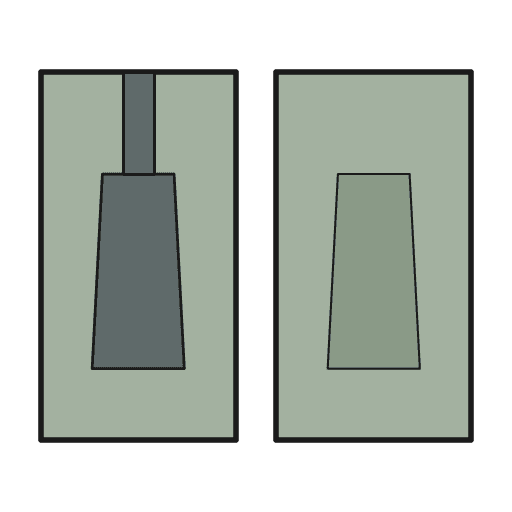
This blueprint covers both the simple open-face mould (one half, open top) and the more advanced bivalve mould (two matched halves clamped together for fully enclosed castings). The open-face mould produces flat-backed tools like axe heads and ingots. The bivalve mould produces symmetrical three-dimensional objects like spearheads and pins.
Alignment notches, vent channels, and pouring funnels are carved to ensure clean castings. A soot or tallow release coating prevents the bronze from bonding to the stone. A well-made stone mould can survive dozens of pours.
说明
Select a soapstone block
Select a soapstone block
此步骤所需材料:
 皂石块1 个
Flatten the mould face
Flatten the mould face
此步骤所需材料:
 砂岩(磨料)1 个
Draw the object outline
Draw the object outline
Carve the cavity with flint tools
Carve the cavity with flint tools
所需工具:
 石锤(打制石器)
Carve alignment notches (bivalve only)
Carve alignment notches (bivalve only)
Cut the pouring funnel
Cut the pouring funnel
Cut vent channels
Cut vent channels
Smooth the cavity surfaces
Smooth the cavity surfaces
此步骤所需材料:
 细砂100 克
所需工具:
 光滑石
光滑石Apply release coating
Apply release coating
此步骤所需材料:
 动物脂(板油)50 克
Pre-heat the mould
Pre-heat the mould
Clamp and pour (bivalve)
Clamp and pour (bivalve)
Cool and demould
Cool and demould
已连接蓝图材料
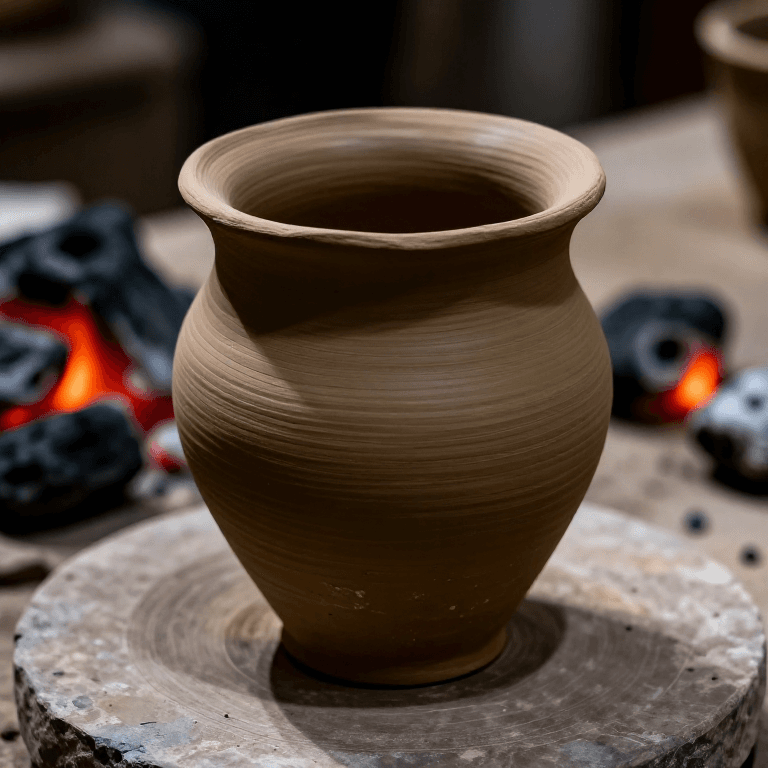
此蓝图制作
相关蓝图
这些蓝图共享知识——技术、材料或原理
CC0 公共领域
此蓝图以 CC0 协议发布。你可以自由复制、修改、分发和使用此作品,无需征得许可。
通过购买蓝图中的产品支持创客,他们将获得 创客佣金 (由供应商设定),或创建此蓝图的新版本并将其作为连接包含在你自己的蓝图中以分享收入。