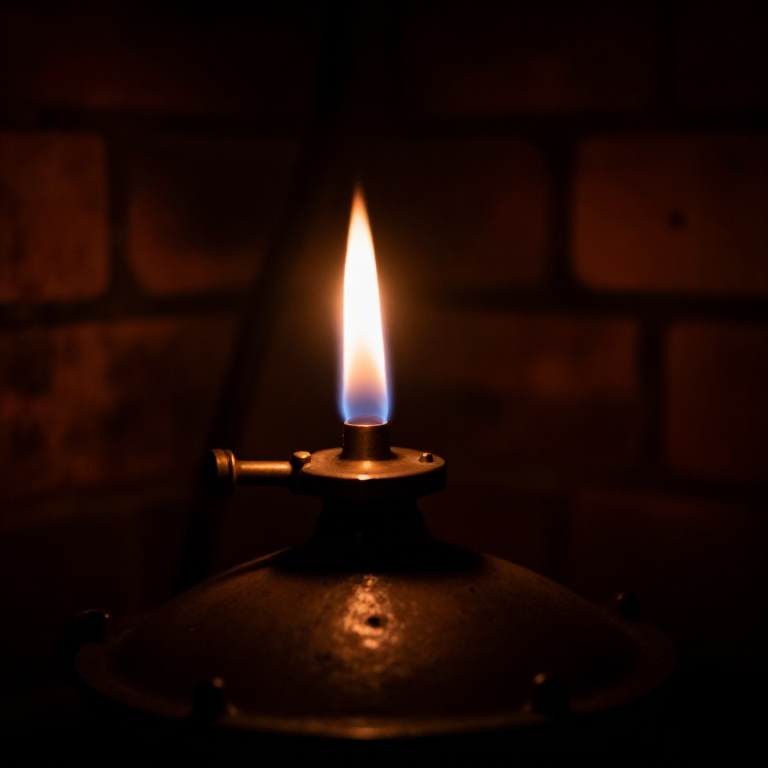


Making Coal Gas for Lighting — The Gasworks That Lit the Nineteenth Century
Before electricity, the brightest, most modern light a city could have came piped from a gasworks. Coal gas — a mix of hydrogen, methane, and carbon monoxide cooked out of coal — burned with a clean, steady flame far brighter than any candle or oil lamp. From the 1810s, gas mains snaked under the streets of London and then every industrial city, lighting factories, shops, theatres, and homes.
The process is destructive distillation: coal is roasted in a sealed retort with no air, and instead of letting the volatile gases burn off as waste (as a coke heap does), the gasworks captures them. The raw gas is cooled to drop out the coal tar, washed to remove ammonia, and purified over lime to take out the foul-smelling sulphur. The clean gas is stored in a great floating gasholder and piped out to burners.
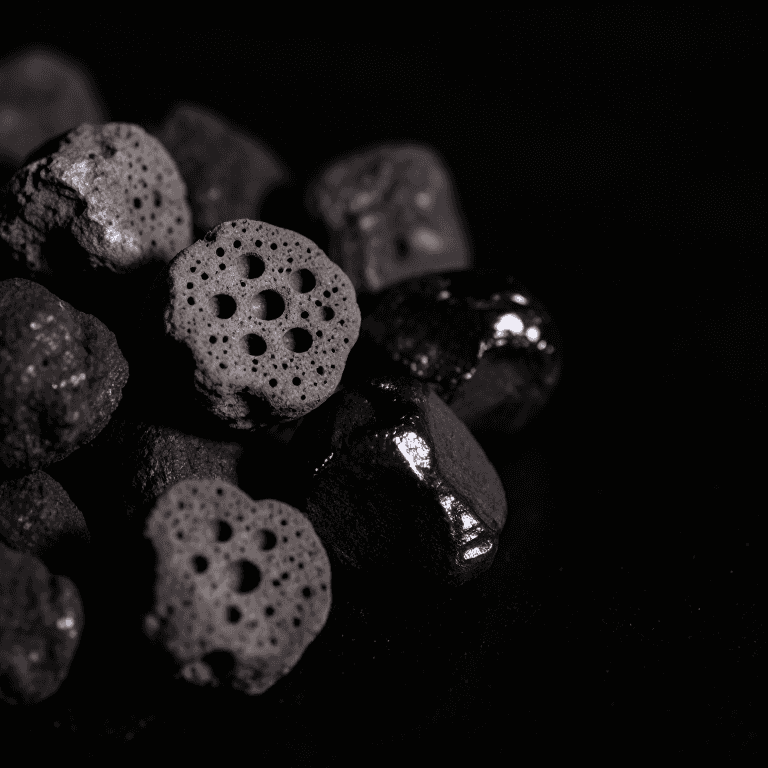
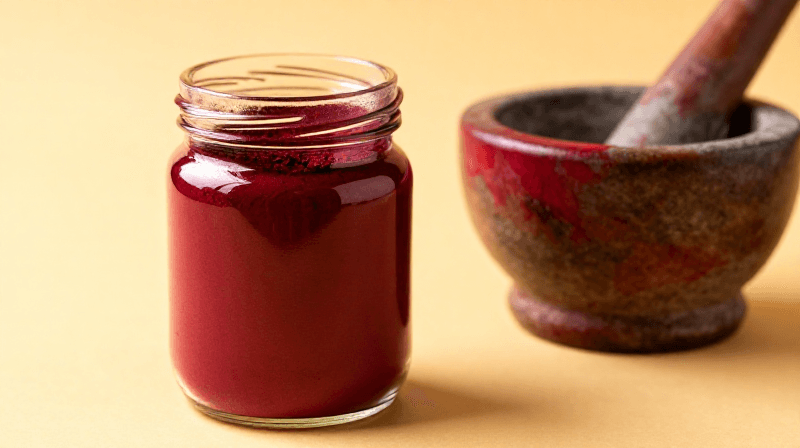
What makes a gasworks brilliant is that nothing is wasted: the gas gives light, the coke left in the retort is sold as fuel, the coal tar becomes the feedstock for synthetic dyes and chemicals, and the ammonia liquor becomes fertiliser. One load of coal yields four products — the same destructive distillation that makes coke, run the other way round to harvest the gas.
说明
Understand coal gas
Understand coal gas
Build a sealed retort
Build a sealed retort
此步骤所需材料:
 Firebrick50 个
所需工具:
 Iron Retort
Charge the coal and seal
Charge the coal and seal
此步骤所需材料:
 Bituminous Coal30 公斤
 Clay4 公斤
Heat the retort from outside
Heat the retort from outside
此步骤所需材料:
Bituminous Coal25 公斤Draw off the raw gas
Draw off the raw gas
Condense the tar
Condense the tar
所需工具:
 Condenser Coil
Wash the gas
Wash the gas
此步骤所需材料:
 Water20 升
Purify over lime
Purify over lime
此步骤所需材料:
 Slaked Lime5 公斤
Store in a gasholder
Store in a gasholder
所需工具:
 Gasholder
Pipe to a burner and light
Pipe to a burner and light
所需工具:
 Gas Burner
Recover the coke
Recover the coke
所需工具:
 Rake
RakeAccount for every product
Account for every product
材料
5- 50 个占位符
- 55 公斤占位符
- 4 公斤占位符
- 20 升占位符
所需工具
5- 占位符
- 占位符
- 占位符
- 占位符
相关蓝图
这些蓝图共享知识——技术、材料或原理



CC0 公共领域
此蓝图以 CC0 协议发布。你可以自由复制、修改、分发和使用此作品,无需征得许可。
通过购买蓝图中的产品支持创客,他们将获得 创客佣金 (由供应商设定),或创建此蓝图的新版本并将其作为连接包含在你自己的蓝图中以分享收入。