

Crucible Cast Steel by the Huntsman Process — Remelting Blister Steel into Flawless Ingots
Blister steel was a triumph, but it had a flaw: its carbon was uneven, rich at the surface of each bar and poor in the core. For fine springs, watch parts, and razors, smiths needed steel that was the same all the way through. In 1740 the Sheffield clockmaker Benjamin Huntsman found the answer — melt the steel completely.
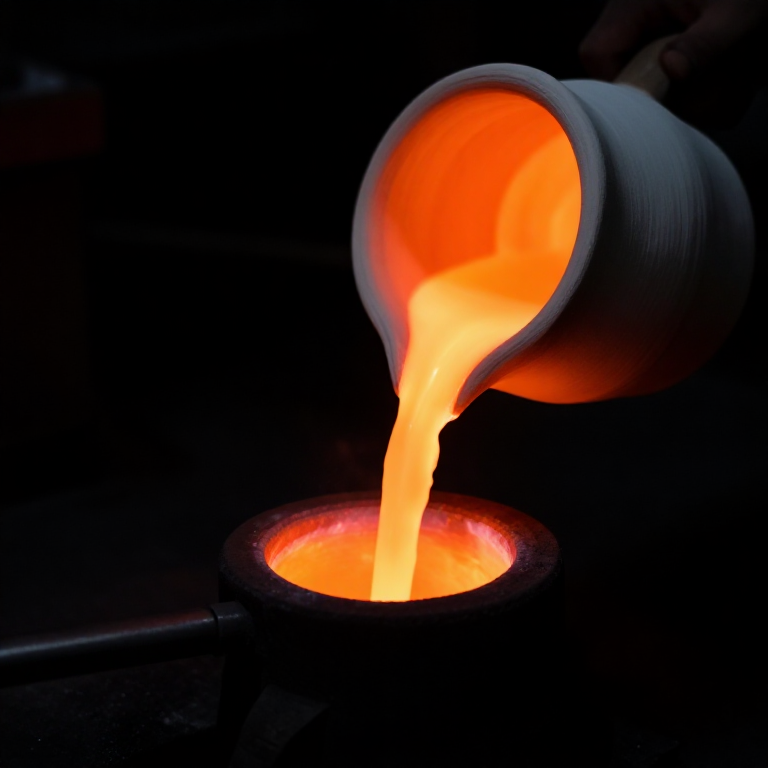
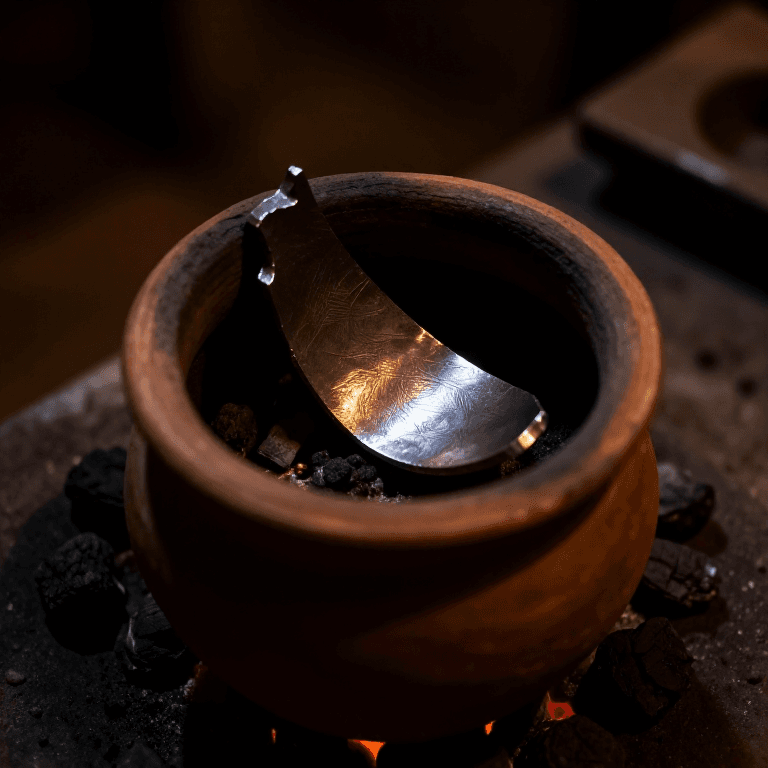
No furnace of the day could melt steel, so Huntsman built one that could. He broke blister steel into small pieces, sealed them in a covered clay crucible, and drove a coke fire hot enough — around 1600 degrees Celsius — to turn the solid steel into a clear liquid. Fully molten, the carbon spread perfectly evenly through the metal and the impurities floated off as slag. Poured into a mould, it set into a flawless ingot of cast steel.
Huntsman's crucible steel was the finest in the world and made Sheffield the steel capital of the age. The principle — melt it to make it uniform — is the same one that still underlies steelmaking today, and it sits at the very top of the iron-and-steel chain that runs from ore to coke to pig iron to wrought iron to blister steel to this.
说明
Understand the goal
Understand the goal
Break up the blister steel
Break up the blister steel
此步骤所需材料:
 泡钢条12 公斤
所需工具:
 锤子
锤子Prepare a clay crucible
Prepare a clay crucible
此步骤所需材料:
 深腹黏土坩埚1 个
Charge the crucible
Charge the crucible
此步骤所需材料:
 石灰岩板1 公斤
Build a coke melting furnace
Build a coke melting furnace
此步骤所需材料:
 冶金焦炭50 公斤
所需工具:
 风箱
风箱Melt the steel fully
Melt the steel fully
所需工具:
 坩埚钳
坩埚钳Let the carbon even out
Let the carbon even out
Let the slag rise
Let the slag rise
Lift the crucible
Lift the crucible
所需工具:
坩埚钳Cast the ingot
Cast the ingot
所需工具:
 锭模
锭模Cool and strip
Cool and strip
所需工具:
锤子Identify cast steel
Identify cast steel
所需工具:
 锉刀套装
锉刀套装已连接蓝图材料
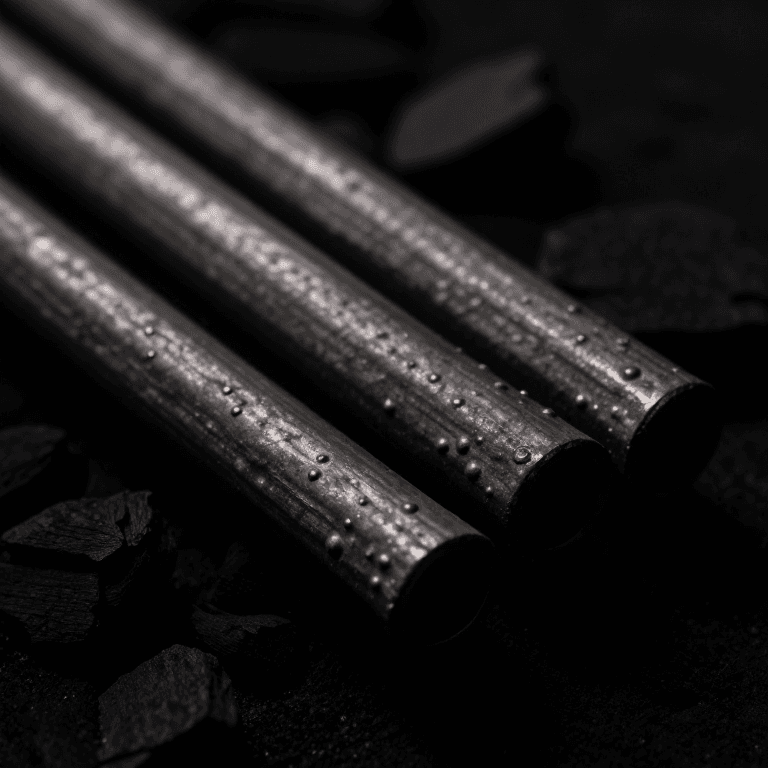
此蓝图制作

相关蓝图
这些蓝图共享知识——技术、材料或原理

CC0 公共领域
此蓝图以 CC0 协议发布。你可以自由复制、修改、分发和使用此作品,无需征得许可。
通过购买蓝图中的产品支持创客,他们将获得 创客佣金 (由供应商设定),或创建此蓝图的新版本并将其作为连接包含在你自己的蓝图中以分享收入。