

Dyeing Scarlet with Kermes — Europe's Original Crimson Insect Dye
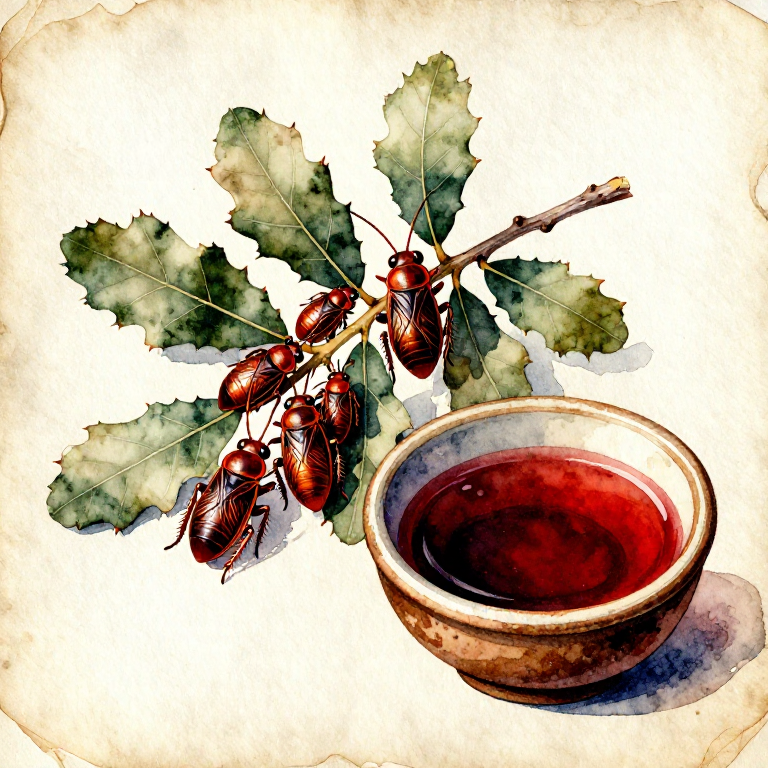
Kermes (Kermes vermilio) is a scale insect that lives on the kermes oak (Quercus coccifera) around the Mediterranean basin. The dried female insects contain kermesic acid, a red pigment closely related to the carminic acid of cochineal. For over three thousand years — from Bronze Age Mesopotamia through medieval Europe — kermes was the most valued red dye in the Western world. The word 'crimson' derives from the Arabic qirmiz (kermes), and 'vermilion' from the Latin vermiculus (little worm), the name Roman dyers gave to the dried insects.
Kermes was the luxury red of antiquity. Egyptian tomb paintings show kermes-dyed textiles. Greek and Roman texts describe it as the finest scarlet. Medieval European sumptuary laws restricted kermes-dyed cloth to royalty and high clergy — a scarlet cloak dyed with kermes was a mark of supreme wealth and status. The insect was harvested by hand from wild kermes oaks, making it labour-intensive and expensive.
Cochineal from the Americas replaced kermes in European dyeing after the 1520s — cochineal produces ten times more pigment per insect, making it dramatically cheaper. By the 17th century, kermes had virtually disappeared from commercial dyeing. But kermes red has a character distinct from cochineal: slightly more orange, warmer, and with a particular luminosity on wool that dyers describe as glowing. Understanding kermes means understanding why cochineal was revolutionary — and what was lost when the older dye was abandoned.
说明
Weigh the dried kermes insects
Weigh the dried kermes insects
Use 20-30% WOF of dried kermes insects for a deep scarlet. For 100 g of wool, weigh out 20-30 g of dried kermes. The insects are sold as small, hard, reddish-brown granules — they look like tiny dried berries or seeds, each one a desiccated female insect body. Kermes is expensive and difficult to source — it is still hand-harvested from wild kermes oaks in the Mediterranean, primarily in Morocco, Spain, and Greece. Each insect yields far less dye than a cochineal insect of similar size.
此步骤所需材料:
 胭脂虫栎介壳虫(干燥)25 克
所需工具:
 数字厨房秤
数字厨房秤Grind the kermes to a fine powder
Grind the kermes to a fine powder
Grind the dried kermes insects in a mortar and pestle until reduced to a fine powder. Kermes insects are harder than cochineal and require more force to grind — the shells are tough and resist crushing. The powder will be a dark reddish-brown, less intensely coloured than ground cochineal. Thorough grinding is essential because kermesic acid is locked inside the insect's body and releases slowly from large fragments.
所需工具:
 研钵与研杵
研钵与研杵Soak the ground kermes overnight in warm water
Soak the ground kermes overnight in warm water
Place the ground kermes in a glass jar with 500 ml of warm water. Stir, cover, and let it stand overnight (8-12 hours). The kermesic acid dissolves slowly — the overnight soak extracts significantly more pigment than adding the powder directly to the dye pot. The liquid will turn a deep red, though less opaque than a cochineal extract of similar concentration.
所需工具:
 玻璃罐
玻璃罐Prepare the dye bath with cream of tartar
Prepare the dye bath with cream of tartar
Fill the dye pot with 4 litres of water. Add the entire kermes extract — liquid and sediment — and stir thoroughly. Add 6 g of cream of tartar to create a mildly acidic bath, which brightens the scarlet and improves colour uptake. Stir until dissolved. The bath will be a warm, glowing red — less vivid than cochineal at the same concentration, but with a distinctive warmth that kermes dyers prize.
此步骤所需材料:
 酒石6 克
酒石6 克所需工具:
 高汤锅
高汤锅 木质搅拌勺
木质搅拌勺Dye alum-mordanted wool at 85°C for 60 minutes
Dye alum-mordanted wool at 85°C for 60 minutes
Pre-wet the alum-mordanted wool, squeeze out excess, and lower it into the dye bath at room temperature. Slowly raise the temperature to 85°C over 30 minutes, then hold at 80-85°C for a full 60 minutes. Turn the wool gently every 10 minutes. Kermes requires patient, slow dyeing — the kermesic acid molecules penetrate wool fibres more slowly than cochineal's carminic acid. The bath will pale gradually as the pigment transfers to the wool.
此步骤所需材料:
 羊毛线绞100 克
 明矾(钾明矾)10 克
所需工具:
 烹饪温度计
烹饪温度计Cool overnight and rinse
Cool overnight and rinse
Turn off the heat and let the wool cool in the dye bath overnight. The overnight rest deepens the colour noticeably. Remove the wool the next day, squeeze gently, and rinse in lukewarm water until the runoff is mostly clear. The final colour is a warm, luminous scarlet-red — slightly more orange than cochineal crimson, with a glow that ancient dyers described as the colour of fire. Kermes red has excellent lightfastness and washfastness, rivalling cochineal. Dry in shade.
Compare kermes and cochineal — two insect reds
Compare kermes and cochineal — two insect reds
If you have also dyed with cochineal, place the two skeins side by side. Cochineal crimson leans blue-red (cool); kermes scarlet leans orange-red (warm). Cochineal is more saturated per gram of insect. This comparison explains why cochineal swept kermes from European dyeing in the 16th century — the New World insect was cheaper, stronger, and more versatile. But the side-by-side also shows what was lost: kermes has a warmth and luminosity that cochineal does not replicate. Medieval paintings of scarlet robes show kermes red, not cochineal red — a distinction that matters to art historians, textile conservators, and natural dyers preserving the old techniques.
已连接蓝图材料
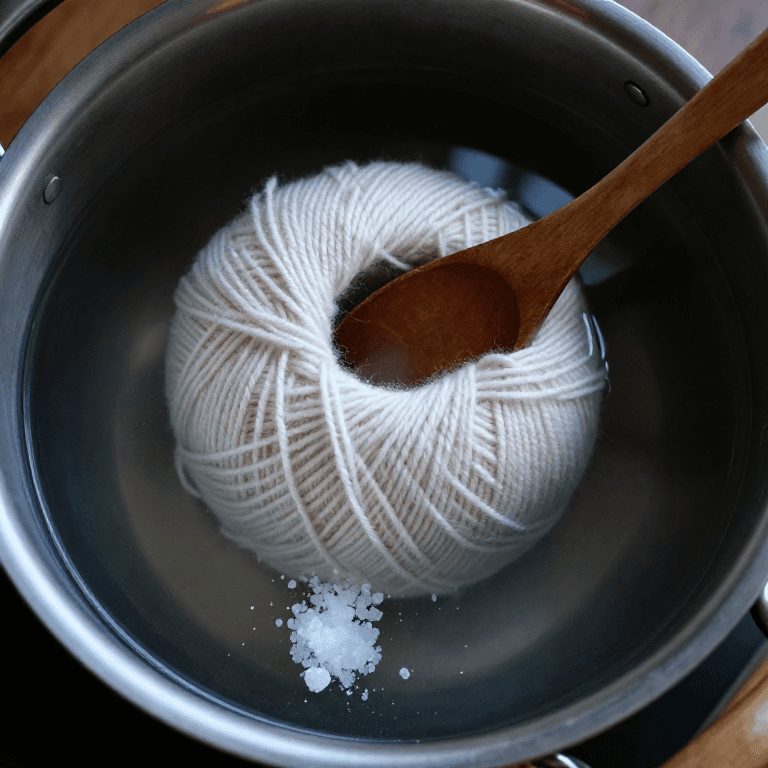
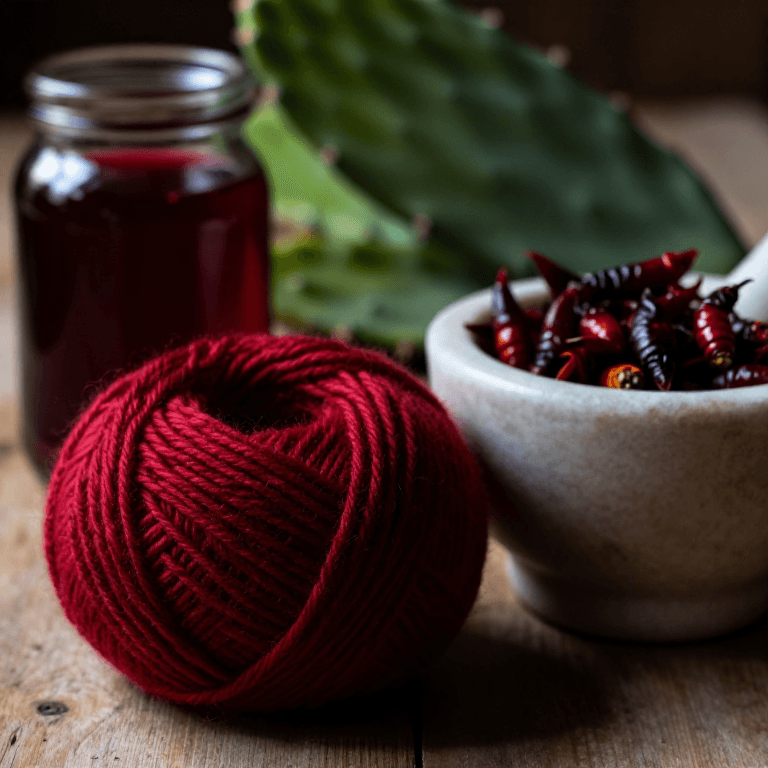
此蓝图制作

相关蓝图
这些蓝图共享知识——技术、材料或原理
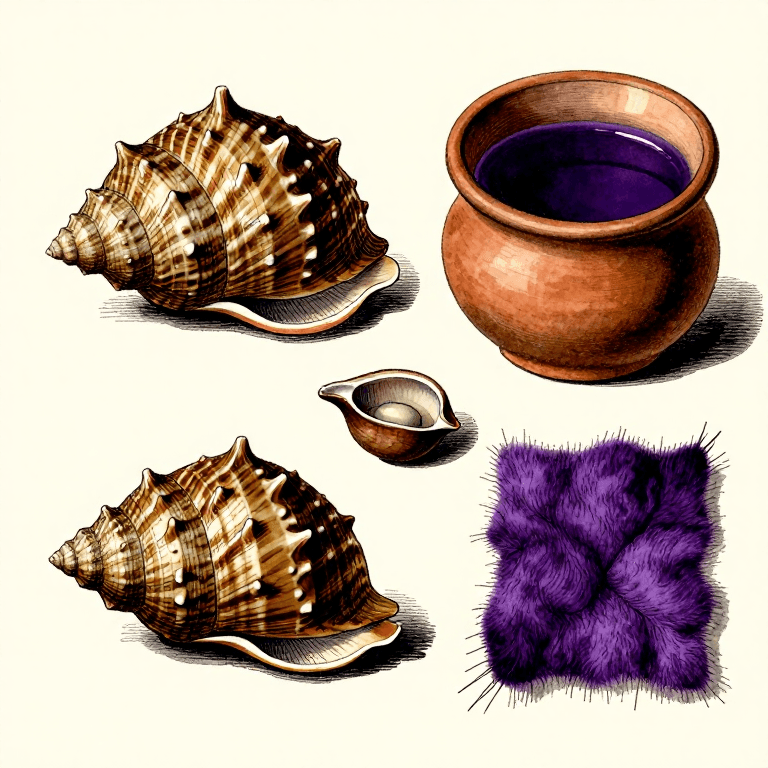

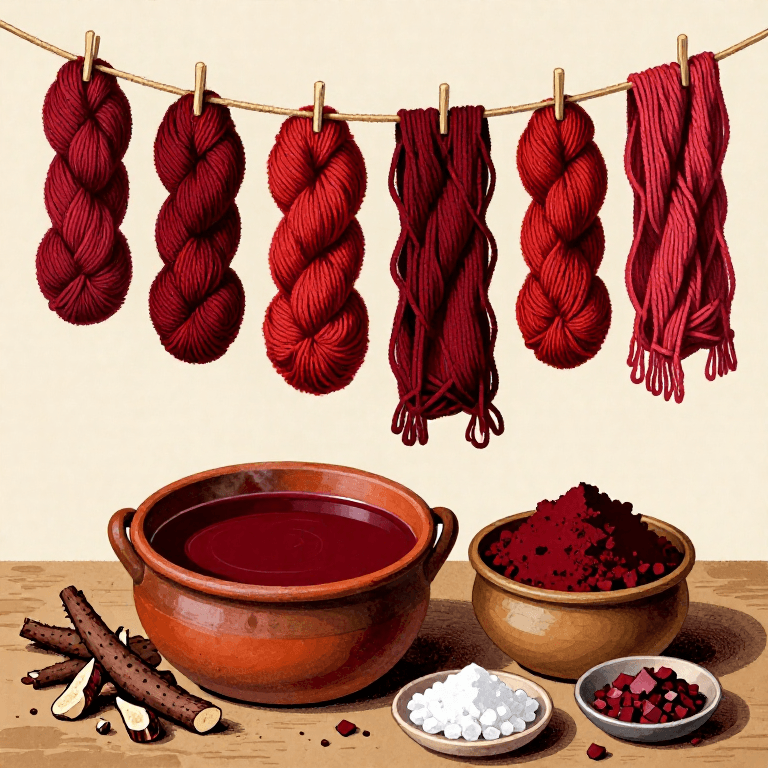
CC0 公共领域
此蓝图以 CC0 协议发布。你可以自由复制、修改、分发和使用此作品,无需征得许可。
通过购买蓝图中的产品支持创客,他们将获得 创客佣金 (由供应商设定),或创建此蓝图的新版本并将其作为连接包含在你自己的蓝图中以分享收入。