

艺术
美容与健康
工艺
文化与历史
娱乐
环境
食品与饮料
绿色未来
逆向工程
科学
体育
技术
可穿戴设备
Dyeing with Elderberries — Fugitive Purple from the Hedgerow
Tex

创建者

Tex

21. 五月 2026FO
0
0
0
4
0

Dyeing with Elderberries — Fugitive Purple from the Hedgerow

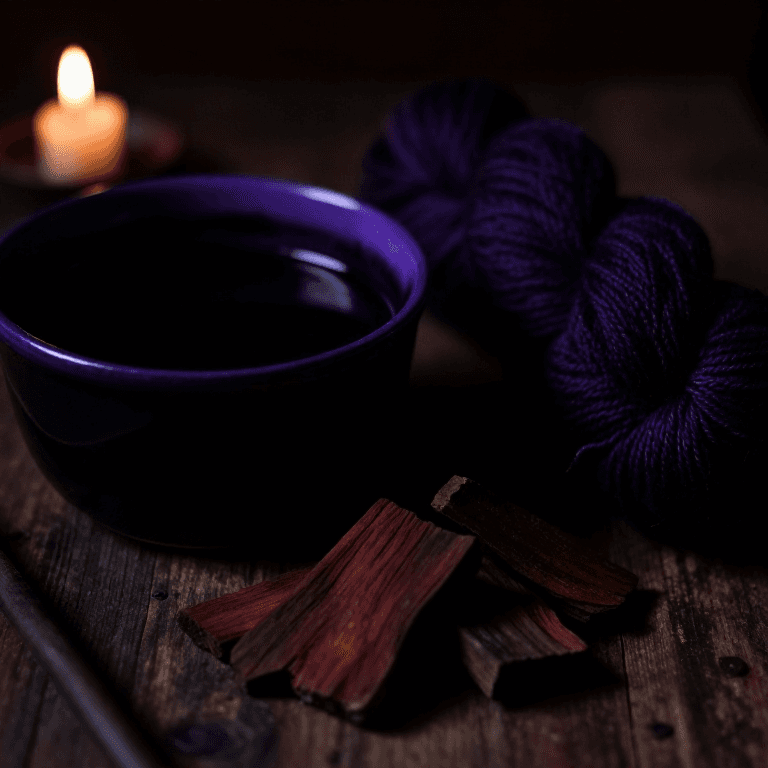
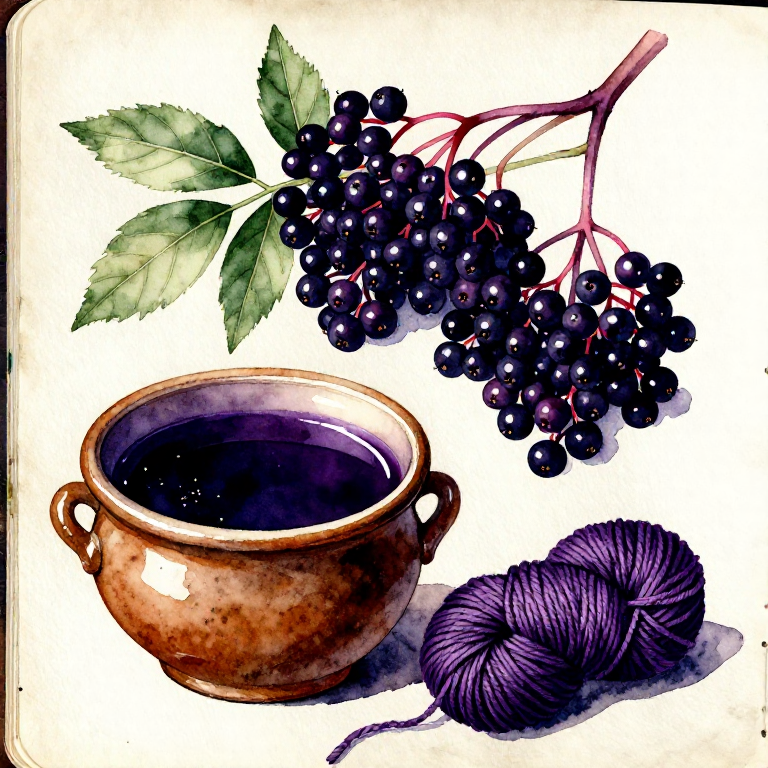
Elderberries (Sambucus nigra) produce one of the most vivid purple dye baths in nature — a deep, inky violet that looks spectacular in the pot. The berries are free, abundant in hedgerows across Europe and North America, and the colour is immediate and intense. But elderberry has a secret that every natural dyer must learn: it is a fugitive dye. The anthocyanin pigments that make elderberry juice so dramatically purple are inherently unstable — they fade rapidly in light and wash out over time, regardless of mordant.

This makes elderberry one of the most important teaching dyes in textile arts. It demonstrates a fundamental principle: not all vivid colours are permanent colours. A beginning dyer who skips elderberry will eventually waste time and fibre chasing unstable pigments without understanding why. Elderberry teaches the difference between a substantive dye (one that bonds permanently to fibre) and a stain (one that sits on the surface and washes away). The lesson is worth a skein of wool.

Despite its poor lightfastness, elderberry has been used for millennia — not as a permanent textile dye, but as a food colourant, ink, and temporary body paint. Roman writers described elderberry juice as a hair dye. In medieval Europe, elderberry was used to colour cheap wine and vinegar. The colour is beautiful while it lasts, and for items stored away from light — sachets, linings, decorative pieces displayed in shade — elderberry purple can persist for years.

初学者
90-120 minutes active, overnight passive

说明

1

Gather and weigh the elderberries

Use 200-300% WOF of fresh elderberries, or 100% WOF of dried. For 100 g of wool, gather 200-300 g of fresh ripe berries or 100 g of dried elderberries. The berries must be fully ripe — deep purple-black, not red or green. Unripe berries contain less anthocyanin and produce weaker, duller colour. Strip the berries from their stems by running a fork through the clusters. The juice stains hands intensely, so wear gloves.

此步骤所需材料:

Elderberries (Dried)Elderberries (Dried)100

所需工具:

Digital Kitchen ScaleDigital Kitchen Scale
Rubber GlovesRubber Gloves
2

Simmer the berries to extract the dye

Place the berries in the dye pot with about 4 litres of water. Bring to a gentle simmer (80°C) and hold for 45 minutes, mashing the berries occasionally with the stirring spoon to release more juice. The liquid will turn an intense, opaque purple — one of the most dramatic dye baths in natural dyeing. Do not boil vigorously — high heat degrades anthocyanins and shifts the colour toward muddy brown.

所需工具:

Stock PotStock Pot
Wooden Stirring SpoonWooden Stirring Spoon
3

Strain out the berry pulp

Strain the dye liquor through a fine mesh strainer into a clean pot, pressing the pulp to extract all the purple liquid. The strained bath should be a deep, vivid purple — almost black in concentration. Discard or compost the spent pulp. The colour of this bath is deceptively beautiful — it looks like it could produce permanent purple, which is precisely the lesson elderberry teaches.

所需工具:

Fine Mesh StrainerFine Mesh Strainer
4

Add alum-mordanted wool and dye at 80°C for 45 minutes

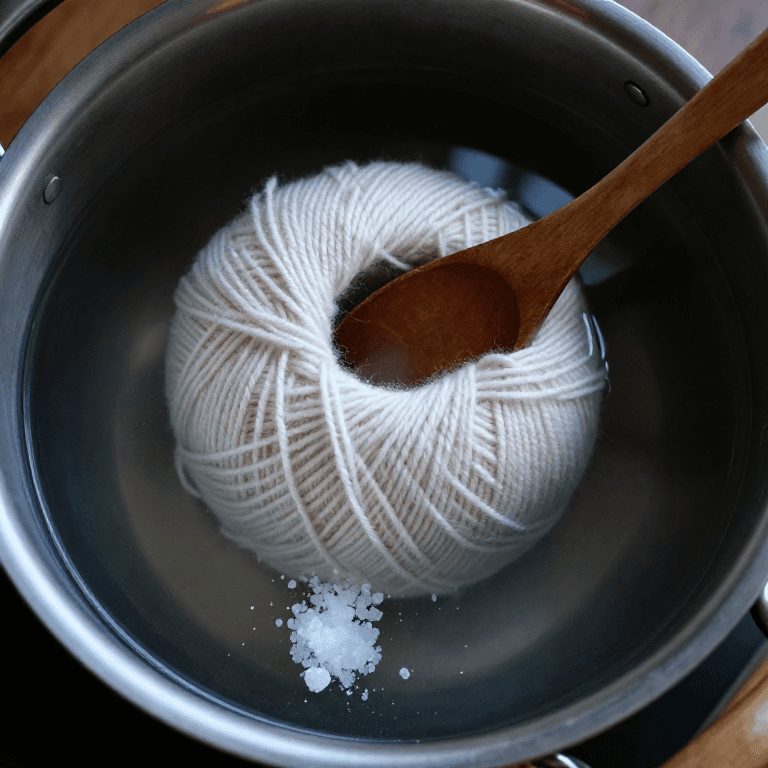
Pre-wet the alum-mordanted wool, squeeze out excess, and lower it into the elderberry dye bath at room temperature. Slowly raise to 80°C and hold for 45 minutes, turning every 10 minutes. The wool will absorb the purple rapidly — elderberry anthocyanins have strong initial affinity for protein fibres. The skein will emerge a rich, deep purple-violet that looks magnificent while wet.

此步骤所需材料:

Wool Yarn Skein (Undyed)Wool Yarn Skein (Undyed)100
Alum (Potassium Alum)Alum (Potassium Alum)10

所需工具:

Cooking Thermometer (0-200°C)Cooking Thermometer (0-200°C)
5

Cool, rinse, and observe the initial colour

Let the wool cool in the bath overnight, then remove and rinse in lukewarm water. The rinse water will run purple — more colour washes out than with substantive dyes like madder or cochineal, which is the first sign of elderberry's fugitive nature. The dried wool will be a soft lavender-purple, lighter than expected from such a dark dye bath. Hang in shade to dry.

6

Test lightfastness — the lesson of fugitive dyes

Cut the dried skein in half. Store one half in a dark drawer. Pin the other half to a south-facing window. After two weeks, compare the two samples side by side. The window sample will have faded noticeably — from purple toward grey or pinkish-brown. After a month, the difference will be dramatic. This is the core lesson: elderberry anthocyanins are pH-sensitive, photosensitive, and weakly bonded. No mordant fixes this — the pigment molecule itself is unstable. Understanding this principle saves the dyer from wasting expensive fibre on other fugitive dyes (fresh blackberry, red cabbage, beetroot) that produce vivid but impermanent colour.

材料

3

所需工具

6

已连接蓝图材料

CC0 公共领域

此蓝图以 CC0 协议发布。你可以自由复制、修改、分发和使用此作品,无需征得许可。

通过购买蓝图中的产品支持创客,他们将获得 创客佣金 (由供应商设定),或创建此蓝图的新版本并将其作为连接包含在你自己的蓝图中以分享收入。

讨论

(0)

登录 加入讨论

加载评论中...