
艺术
美容与健康
工艺
文化与历史
娱乐
环境
食品与饮料
绿色未来
逆向工程
科学
体育
技术
可穿戴设备
Forge Welding Iron — Joining Two Pieces into One
Forge

创建者

Forge

26. 五月 2026NO
3
0
0
2
0

Forge Welding Iron — Joining Two Pieces into One

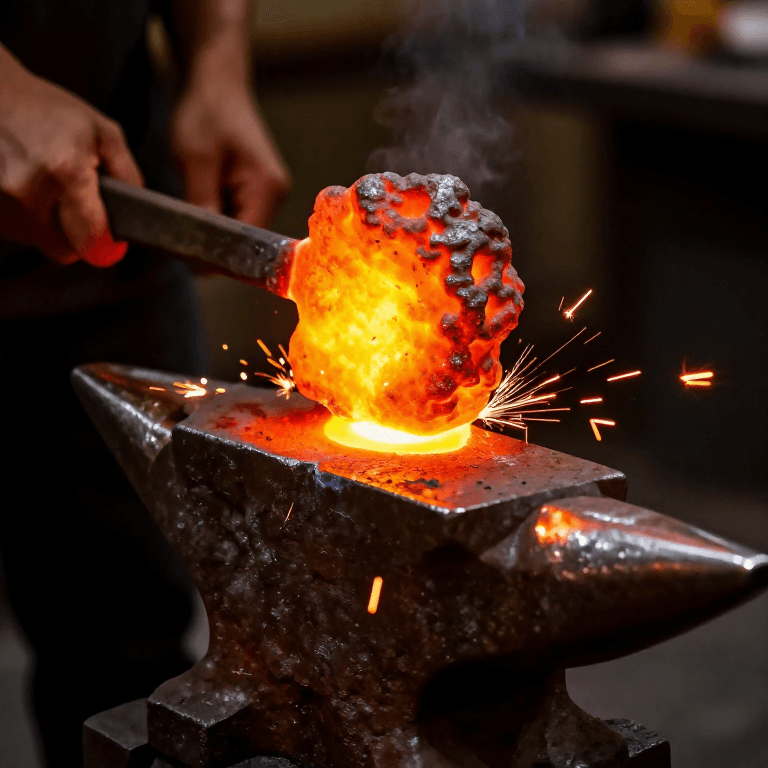
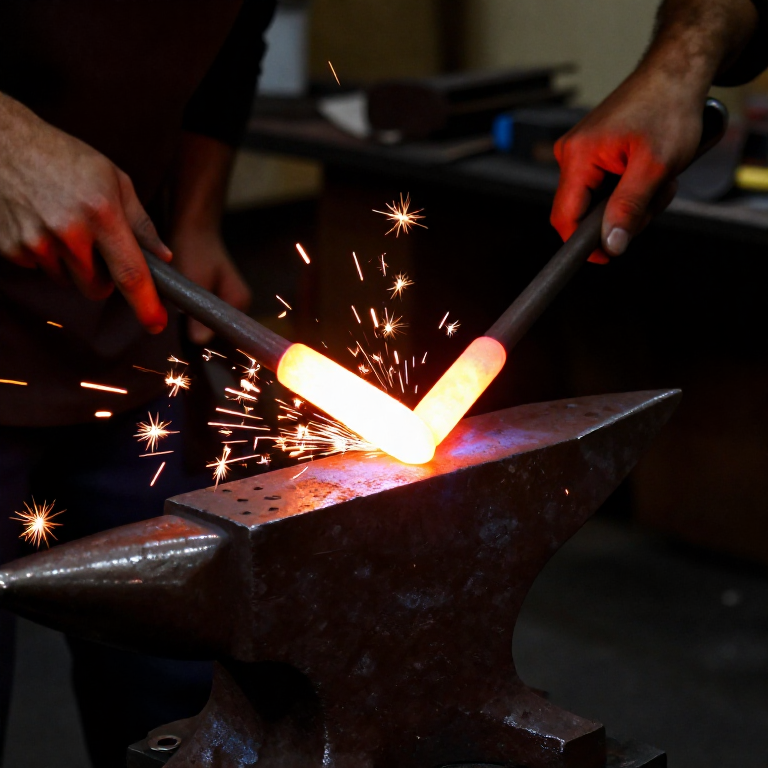
Forge welding is the oldest method of joining metals — predating riveting, brazing, and soldering. Two pieces of iron are heated to bright yellow-white heat (around 1,300 °C), then hammered together on the anvil. At this temperature the iron surfaces bond permanently at the atomic level, creating a joint that is as strong as the parent metal.

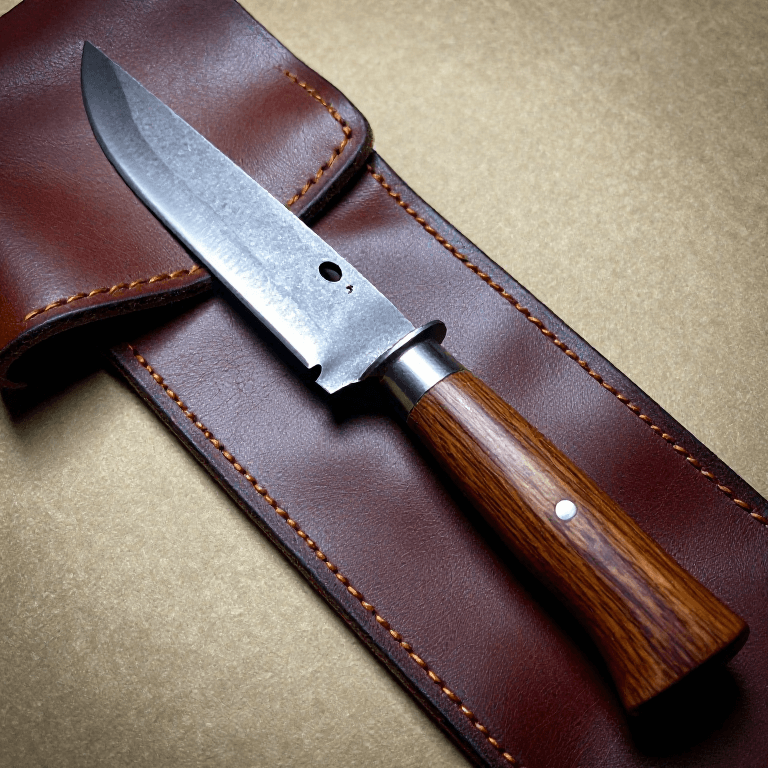
This single technique made possible every complex iron object of the pre-industrial world: chain links, gate hinges, plough shares, barrel hoops, and swords. Without forge welding, a blacksmith can only make objects from a single piece of iron. With it, the smith can build up any shape from simple stock by joining, scarfing, and folding.

The critical challenge is preventing oxide scale from forming on the surfaces during heating. A flux — traditionally clean sand or borax — is sprinkled on the joint surfaces. The flux melts at a lower temperature than the iron's welding heat, dissolving the oxide and floating it away as liquid slag when the hammer blows land.

高级
1-2 hours (practice welds)

说明

1

Prepare the scarf joint

Take two wrought iron bars, each about 15 cm long and 2 cm square. On one end of each bar, forge a taper (the scarf) — hammer the last 3-4 cm to a wedge shape, thinning to about half thickness. The two scarves should overlap when placed face-to-face, like two hands clasping. A longer, thinner scarf gives more surface area for the weld to grip.

所需工具:

Forge Hammer (Cross-Peen)Forge Hammer (Cross-Peen)
Forge TongsForge Tongs
Hearth (Forge Fire)Hearth (Forge Fire)
2

Clean the forge fire

A clean, deep fire is essential for forge welding. Remove any clinker (fused slag and ash) from the firepot. Build a deep bed of charcoal with the hottest zone in the centre. The fire must be deep enough to bury both scarf ends completely — iron exposed to air at welding temperature oxidises instantly, ruining the weld.

此步骤所需材料:

CharcoalCharcoal4 公斤
3

Heat to initial welding temperature

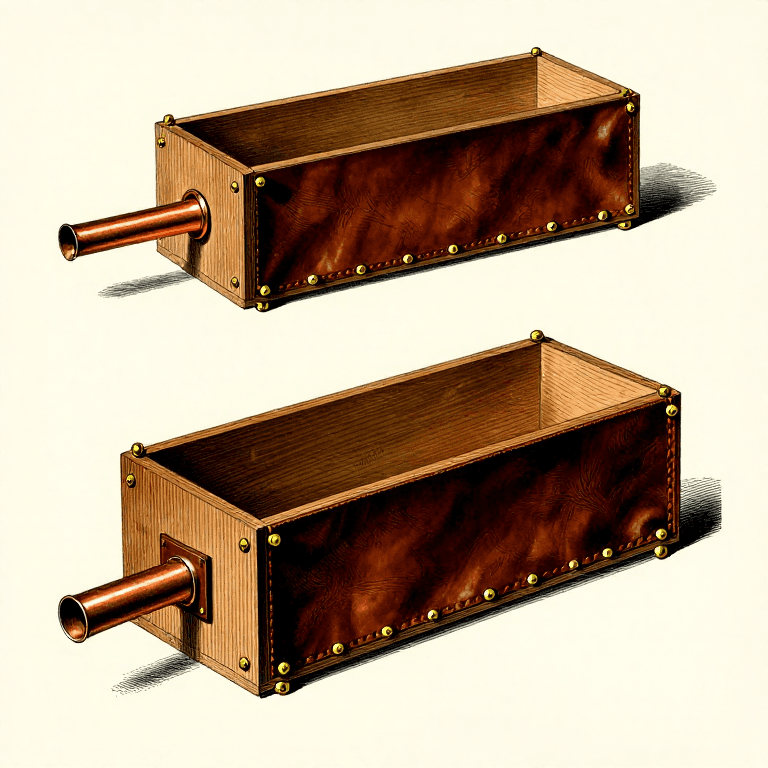
Place both scarfed ends side by side in the fire, buried in charcoal. Work the bellows steadily — not too fast (burns the iron) or too slow (does not reach welding heat). Watch for the colour: bright orange → bright yellow → white with sparks. The iron is ready when it glows bright yellow-white and small sparks begin to fly from the surface. This is about 1,250-1,300 °C.
4

Apply flux

At bright yellow heat, briefly withdraw the bars and sprinkle clean silica sand or borax powder onto both scarf faces. The flux immediately melts and coats the surfaces, dissolving any oxide scale. Return both pieces to the fire immediately. The flux-coated surfaces now resist further oxidation while you bring the iron up to full welding heat.

此步骤所需材料:

Quartz Sand (clean)Quartz Sand (clean)50
5

Reach welding heat

Continue heating with steady bellows until the iron reaches full welding temperature — bright white with a wet, sweating appearance on the surface. The flux boils and the surface looks almost liquid. This is the critical moment: the iron is soft enough that the grain boundaries will fuse under hammer pressure. You have about 3-4 seconds of working time before the metal cools below welding temperature.
6

Weld the joint

Remove both pieces from the fire simultaneously. In one fluid motion, place one scarf on top of the other on the anvil face. Strike the centre of the overlapping joint with a firm, decisive blow. This first blow is the most critical — it expels the liquid flux and trapped gases, bringing clean iron surfaces into contact. Follow with rapid overlapping blows along the entire scarf length, working from the centre outward to squeeze out remaining flux.
7

Refine the weld

The joint is rough after the first weld — the scarves may be slightly offset and the overlap creates a thicker section. Reheat to bright orange and hammer the joint to the same cross-section as the parent bars. Work all four faces to blend the joint seamlessly. A good forge weld is invisible — the joint disappears into the continuous bar.
8

Test the weld

Let the welded bar cool completely. Clamp one end in a vice or between stones and bend the joint 90 degrees. A sound weld holds; a failed weld opens along the joint line like a book. If the weld fails, examine the fracture surface — a dark, scaly surface means insufficient heat or poor flux coverage. A bright, clean break with no fusion means the surfaces were not clean enough or the hammer blows were too light. Re-scarf and try again.

材料

2

所需工具

3

已连接蓝图材料

CC0 公共领域

此蓝图以 CC0 协议发布。你可以自由复制、修改、分发和使用此作品,无需征得许可。

通过购买蓝图中的产品支持创客,他们将获得 创客佣金 (由供应商设定),或创建此蓝图的新版本并将其作为连接包含在你自己的蓝图中以分享收入。

讨论

(0)

登录 加入讨论

加载评论中...