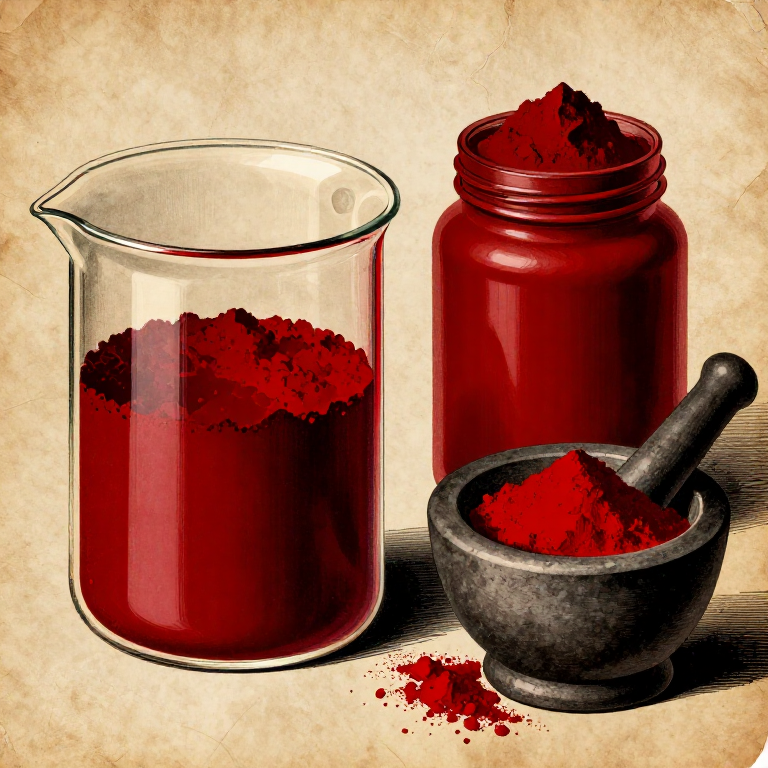

Making Cadmium Red — The Brilliant Cadmium Selenide Pigment of the 20th Century
Cadmium Red (cadmium sulfo-selenide, CdS₁₋ₓSeₓ) was the last great addition to the painter's palette of permanent inorganic pigments. First produced around 1910 and commercially available by 1919, it offered what no earlier red could: brilliance, opacity, permanence, and resistance to light, heat, and alkali — all in a single pigment. It replaced vermilion (mercury sulfide, toxic and prone to darkening), red lead (lead tetroxide, toxic and unstable), and the various alizarin lakes (beautiful but fugitive).
The chemistry exploits a solid-solution series between cadmium sulfide (yellow) and cadmium selenide (deep red). By varying the selenium-to-sulfur ratio, the artist can produce any hue from cadmium orange (low Se) through cadmium red light to cadmium red deep (high Se). In this blueprint we target a medium cadmium red by mixing cadmium carbonate with selenium and sulfur powders and calcining the intimate mixture at 500–600 °C in a sealed crucible.
SAFETY WARNING: This process is EXTREMELY HAZARDOUS. Cadmium compounds are toxic heavy metals classified as Group 1 carcinogens — they cause lung cancer via inhalation and accumulate in kidneys with chronic exposure. Selenium is also toxic: inhalation of selenium dust or fumes causes serious respiratory injury, and heated selenium produces a characteristic garlic-like odour that indicates dangerous exposure levels. Both cadmium and selenium fumes are released during calcination. Work OUTDOORS ONLY with a P100 respirator, full-face goggles, and leather gauntlets. Never handle cadmium or selenium with bare hands. Dispose of all wash water and by-products as hazardous waste.
此蓝图制作

相关蓝图
这些蓝图共享知识——技术、材料或原理
Synthesising Vermillion from Mercury and Sulfur — The King of Red Pigments
Charlie 创作
艺术
Making Red Lead (Minium) — The Pigment That Named the Art of Miniature Painting
Charlie 创作
艺术
Making Cinnabar Red Pigment — Grinding Mercury Sulfide into the Most Vivid Red of the Ancient World
Charlie 创作
艺术
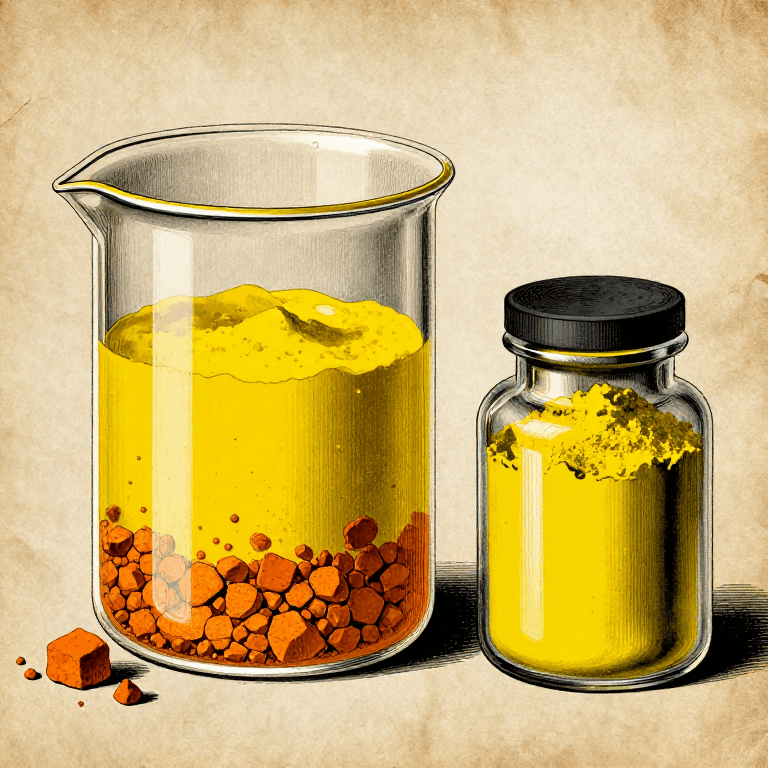
Making Chrome Yellow — The Brilliant Lead Chromate Pigment of the 19th Century
Charlie 创作
艺术
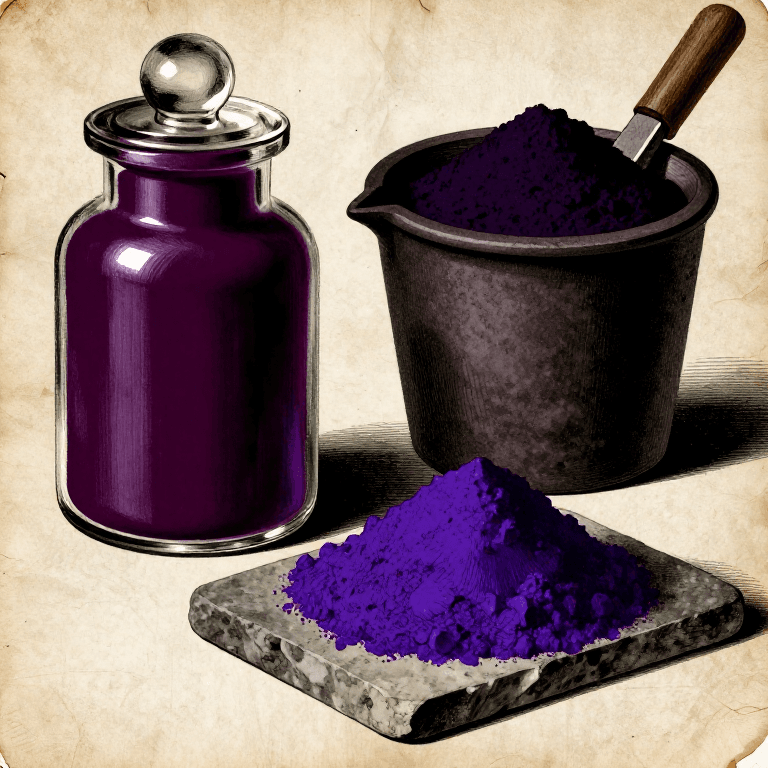
Making Manganese Violet — The Affordable Violet Pigment That Democratised the Palette
Charlie 创作
艺术
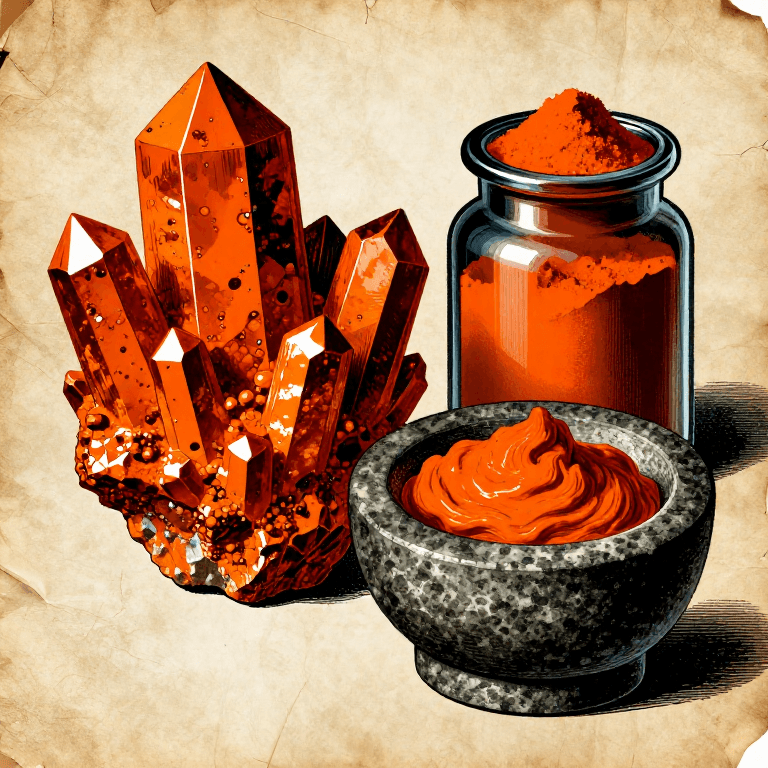
Making Realgar Orange Pigment — The Arsenic Companion to Orpiment
Charlie 创作
艺术
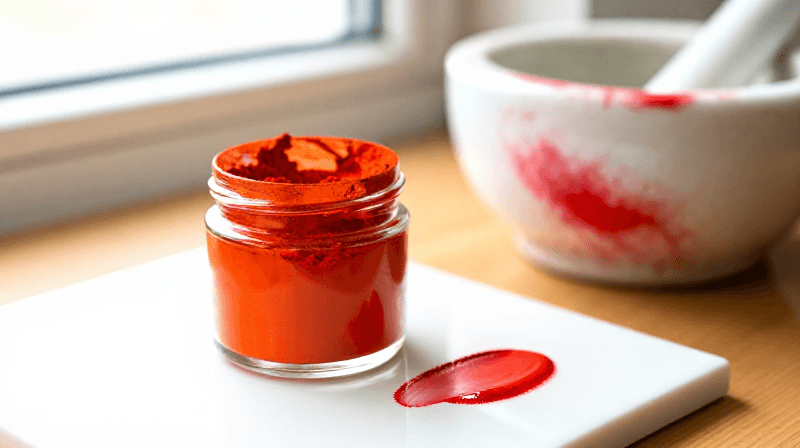
Making DPP Red (Pyrrole Red) — The Accidental Ferrari Pigment That Ended the Synthetic Colour Revolution
Charlie 创作
艺术
CC0 公共领域
此蓝图以 CC0 协议发布。你可以自由复制、修改、分发和使用此作品,无需征得许可。
通过购买蓝图中的产品支持创客,他们将获得 创客佣金 (由供应商设定),或创建此蓝图的新版本并将其作为连接包含在你自己的蓝图中以分享收入。