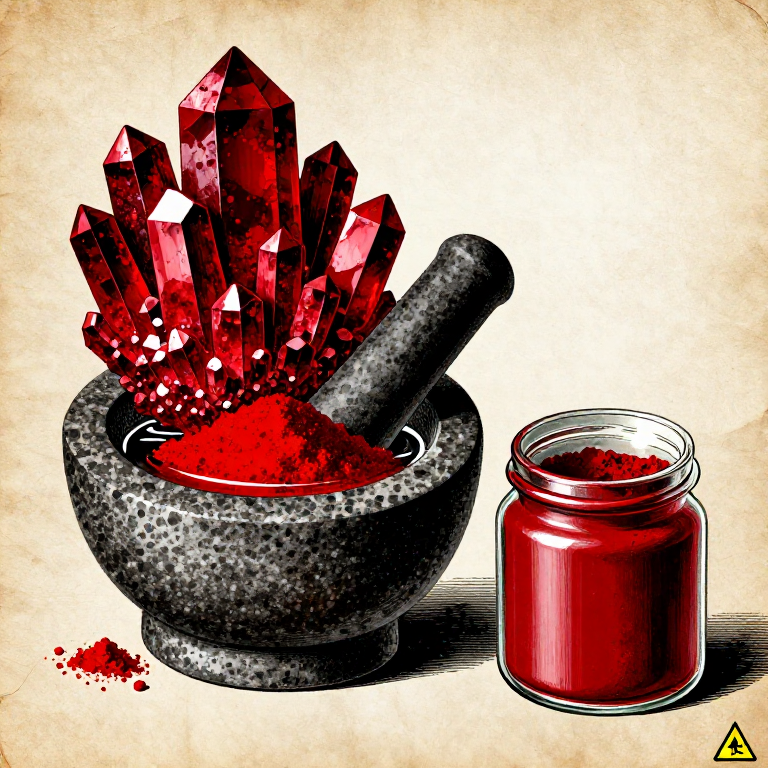

Making Cinnabar Red Pigment — Grinding Mercury Sulfide into the Most Vivid Red of the Ancient World
Cinnabar (HgS, mercury sulfide) is a brilliant vermilion-red mineral pigment that has been prized since at least 5000 BCE. It produces the most vivid, saturated red available to painters before the invention of synthetic alternatives — no earth pigment (red ochre, haematite) comes close to cinnabar's intensity and purity of hue. The mineral was mined in Spain (Almadén — the world's largest mercury deposit), China (Hunan province), and Italy (Monte Amiata), and was traded across the ancient world at enormous cost.
Chinese cinnabar paintings from the Neolithic Yangshao culture (c. 5000 BCE) are among the earliest known uses. In Rome, cinnabar (called 'minium' — later confused with red lead) was the most expensive pigment on the market, costing up to 50 sesterces per pound. Pliny records that the Roman state controlled its price. Pompeian wall paintings used cinnabar lavishly for the famous 'Pompeian red' backgrounds. In Chinese art, cinnabar has been used continuously for over 7,000 years — for lacquerware, seal paste (yìnní, 印泥), wall paintings, and manuscript illumination.
SAFETY WARNING: Cinnabar is mercury sulfide. While the mineral form (HgS) is relatively insoluble and less toxic than metallic mercury or mercury salts, the dust produced during grinding is hazardous — inhaled mercury sulfide dust accumulates in the body over time and causes chronic mercury poisoning (erethism: tremors, personality changes, kidney damage). ALL grinding of cinnabar MUST be done wet (under water or oil) to prevent dust, and a P100/FFP3 respirator must be worn during any dry handling. Never heat cinnabar — above 580°C it decomposes into elemental mercury vapour, which is acutely toxic.
此蓝图制作
相关蓝图
这些蓝图共享知识——技术、材料或原理
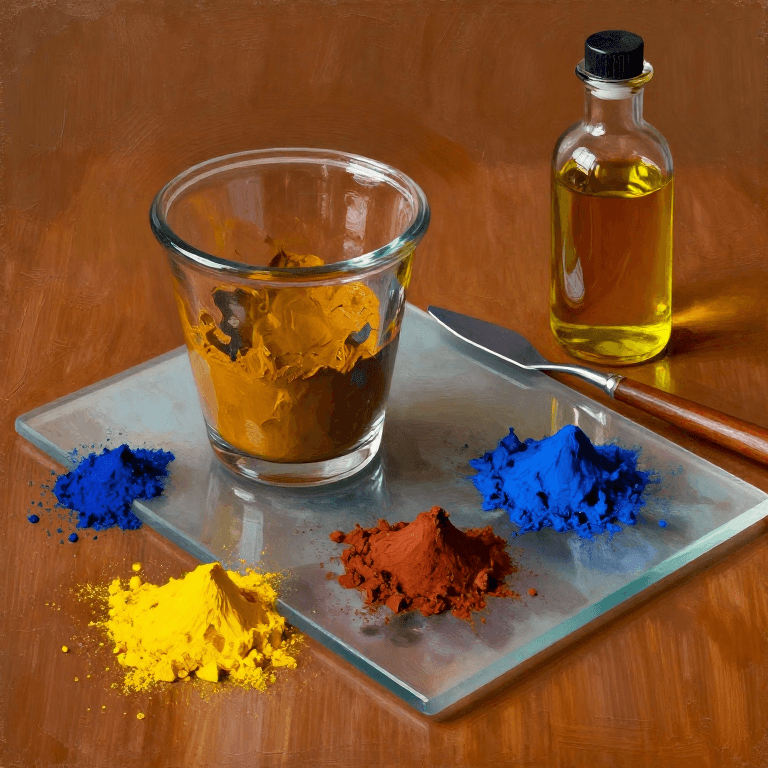
Making Oil Paint from Raw Pigments — Grinding Pigments in Linseed Oil
Charlie 创作
艺术
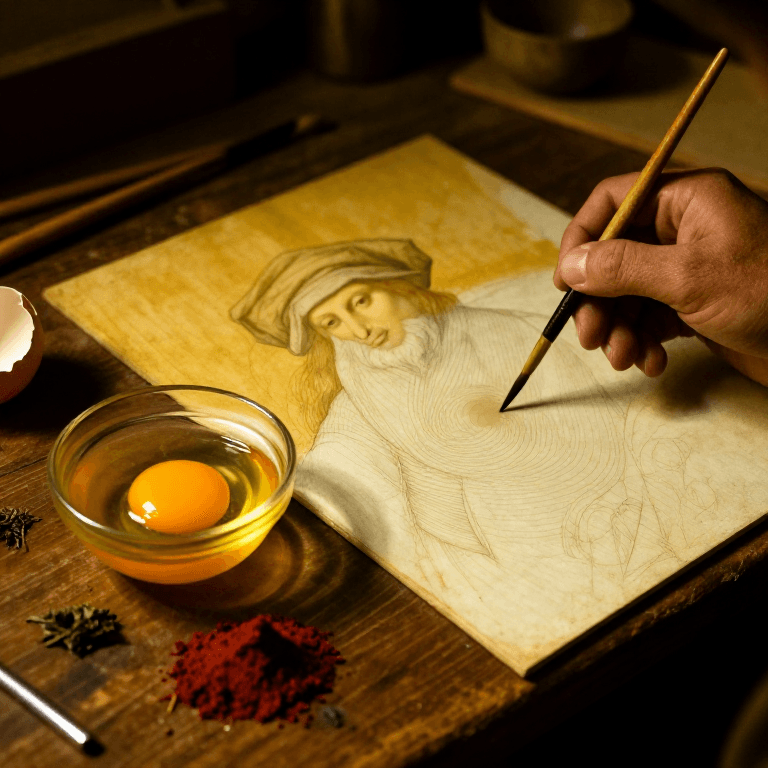
Making Egg Tempera Paint — The Medieval Panel Painting Medium
Charlie 创作
艺术
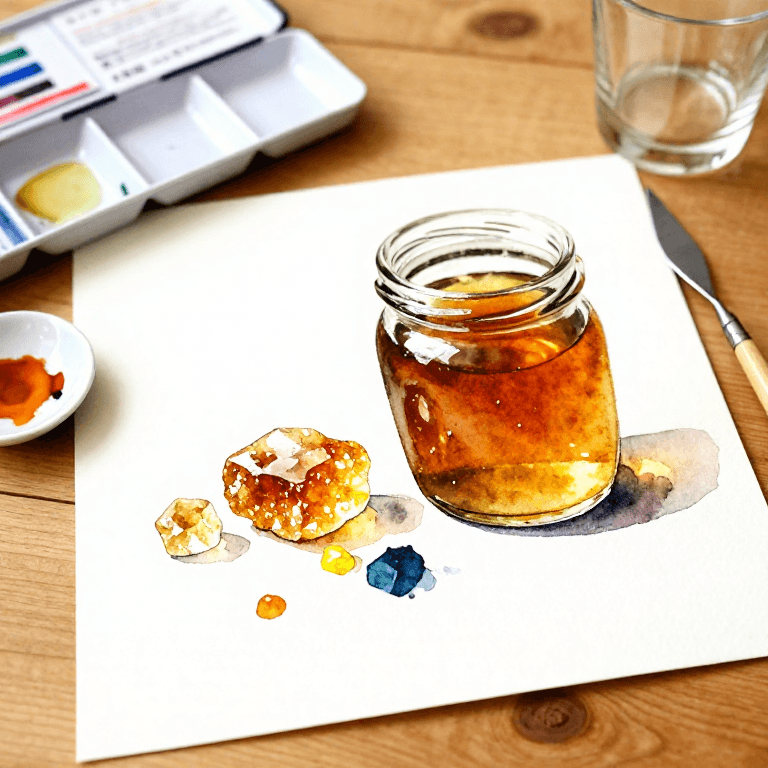
Making Watercolour Paint from Raw Pigments — Gum Arabic Binder
Charlie 创作
艺术
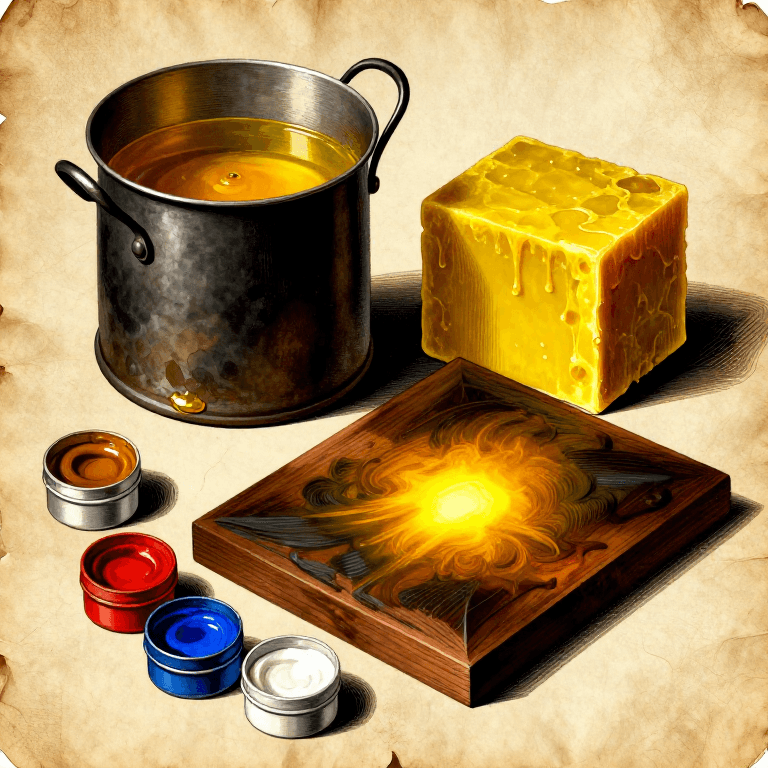
Making Encaustic Paint — The Hot Beeswax Medium of Ancient Greek and Egyptian Painters
Charlie 创作
艺术
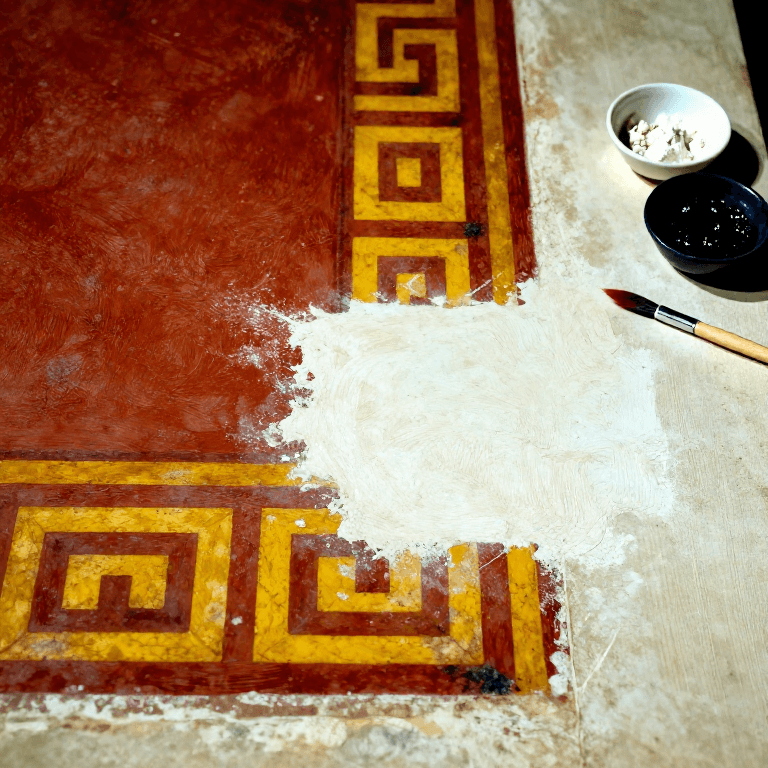
Painting a Buon Fresco on Wet Lime Plaster — Roman Wall Painting
Charlie 创作
砖石工
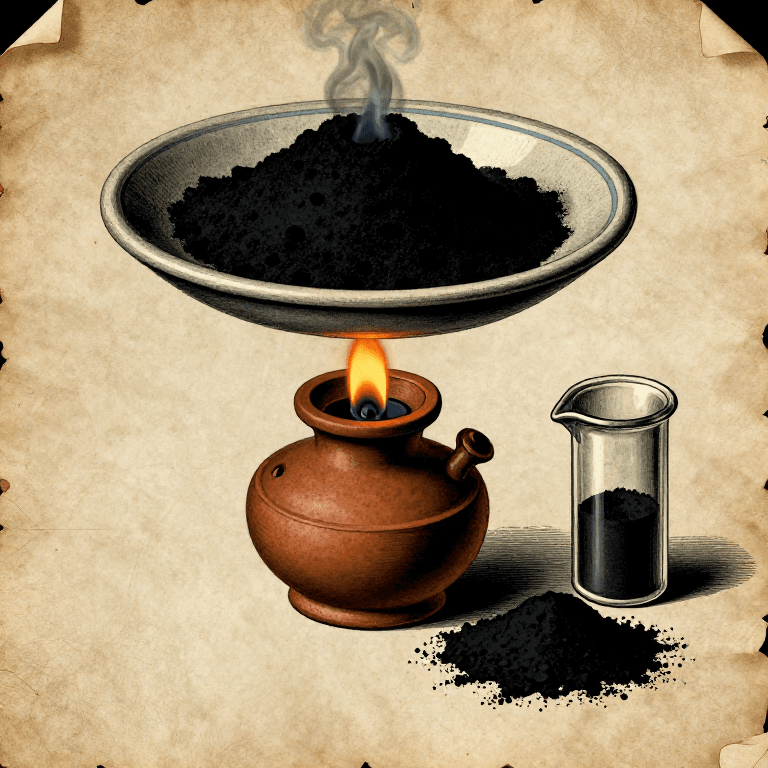
Making Lampblack Pigment — Collecting Carbon Soot from a Burning Flame
Charlie 创作
艺术
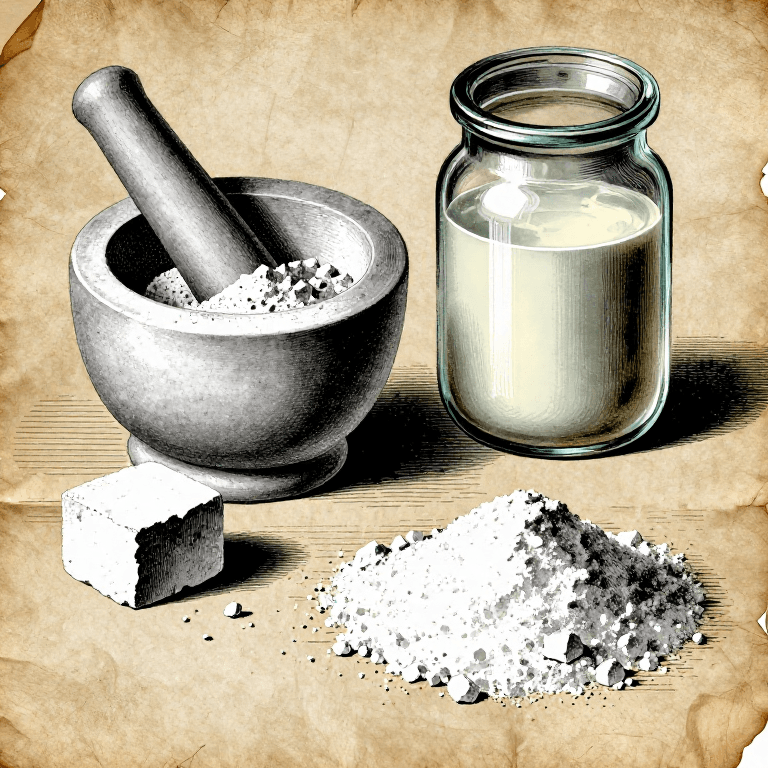
Making Chalk White Pigment (Whiting) — Grinding and Levigating Natural Chalk
Charlie 创作
艺术
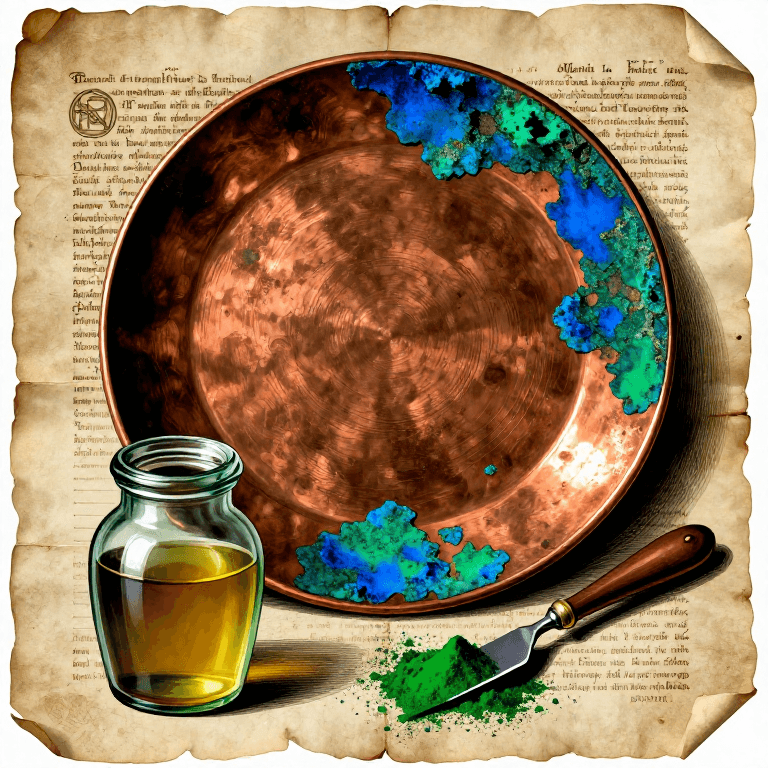
Making Verdigris — The Copper Acetate Green of Medieval Painters
Charlie 创作
艺术
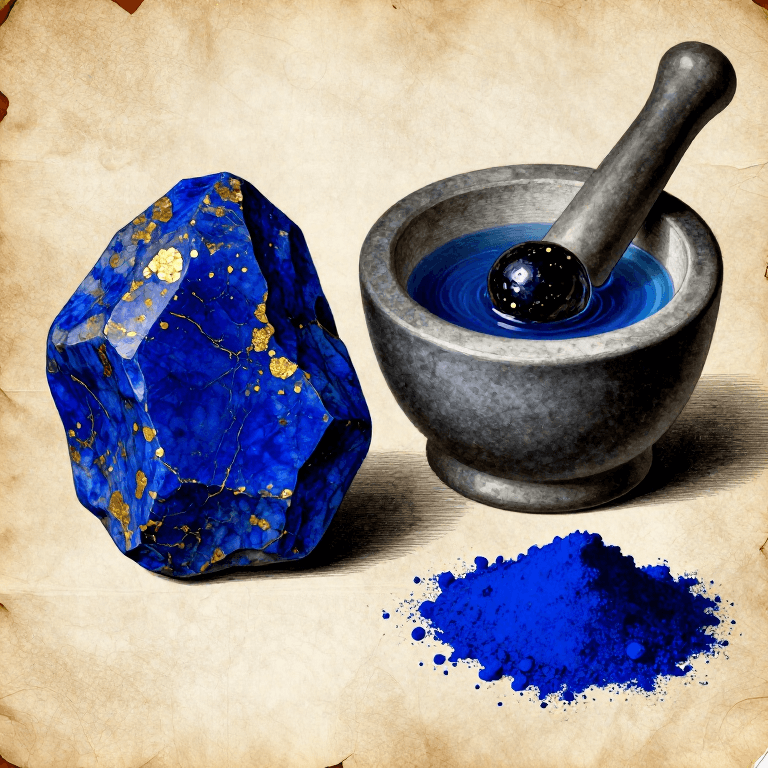
Making Ultramarine from Lapis Lazuli — Extracting the Most Precious Pigment in History
Charlie 创作
艺术
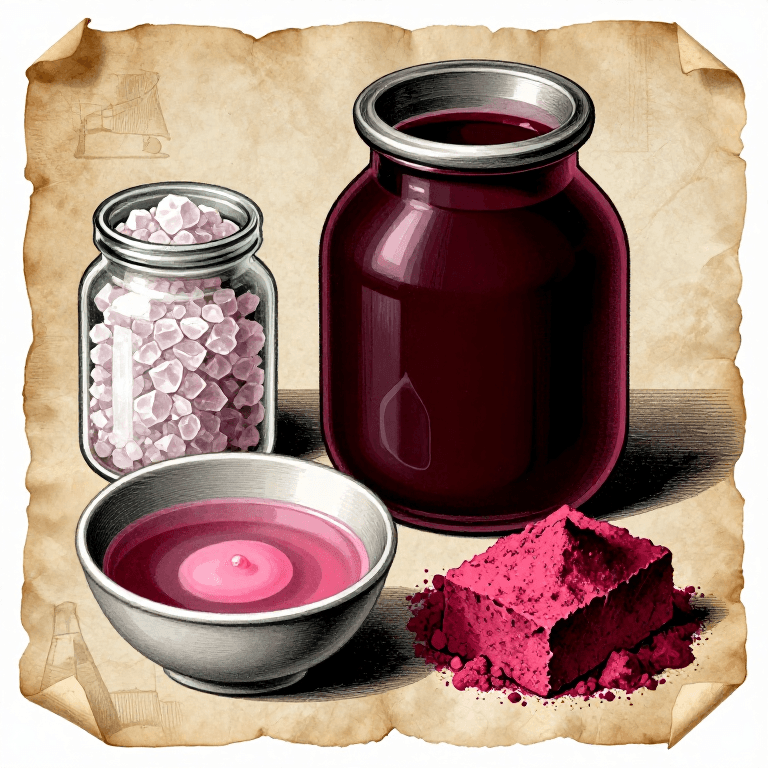
Making a Lake Pigment from Plant Dye — Precipitating Soluble Colour onto an Insoluble Substrate
Charlie 创作
艺术
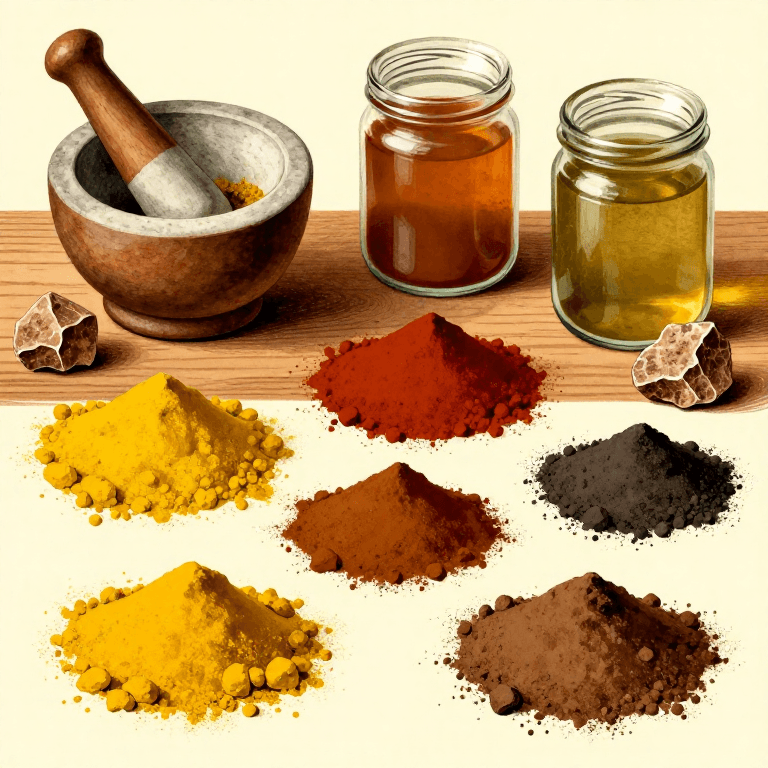
Making Natural Earth Pigments from Soil and Rocks — Collecting and Processing
Mary 创作
艺术
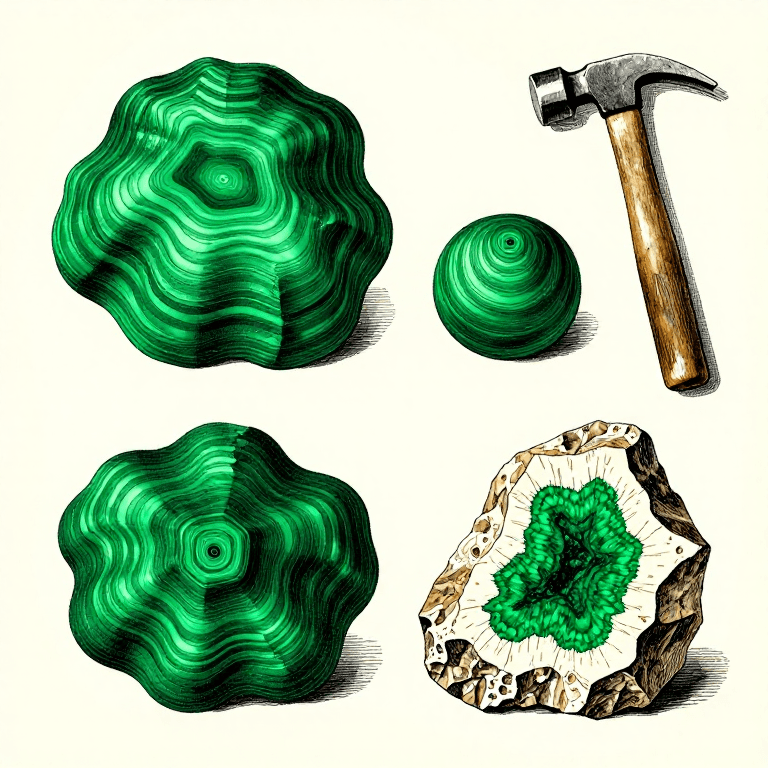
Identifying and Collecting Malachite — Copper Carbonate Ore from the Earth
Peter 创作
金属加工
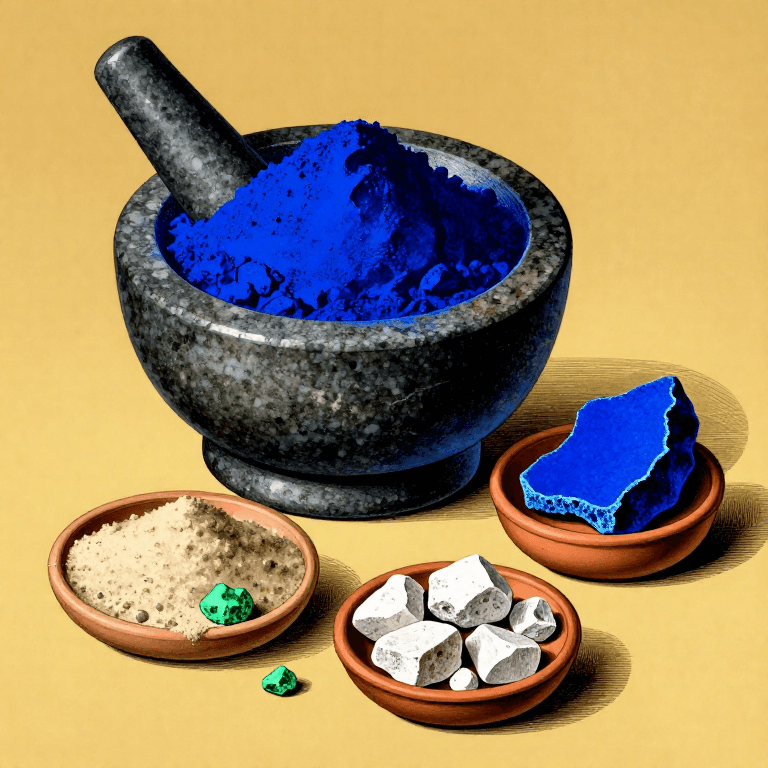
Egyptian Blue Pigment — Grinding Egyptian Blue from Copper Silicate
Charlie 创作
化学
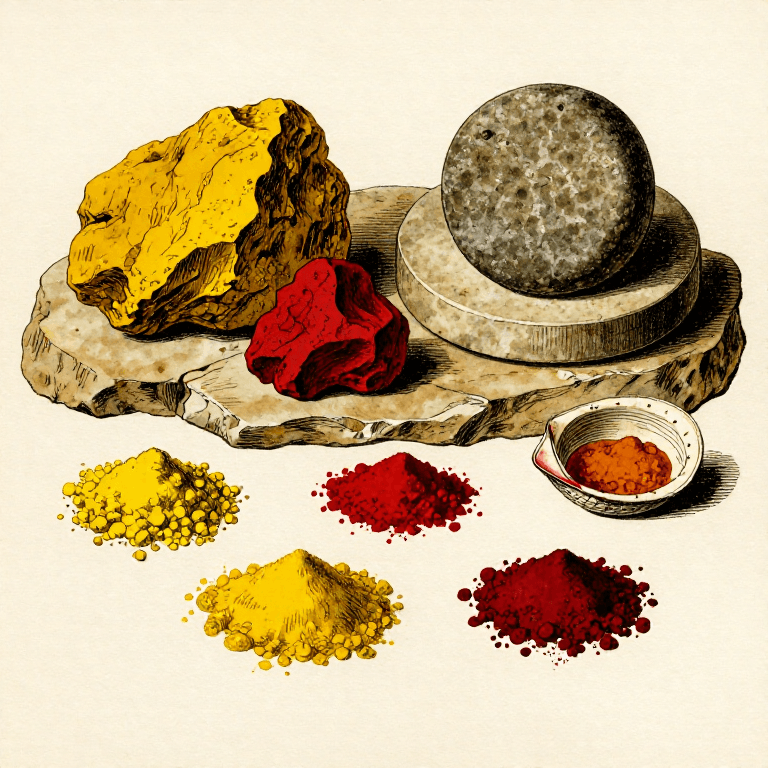
Preparing Ochre Pigment for Cave Painting — Mineral Processing
Charlie 创作
化学
CC0 公共领域
此蓝图以 CC0 协议发布。你可以自由复制、修改、分发和使用此作品,无需征得许可。
通过购买蓝图中的产品支持创客,他们将获得 创客佣金 (由供应商设定),或创建此蓝图的新版本并将其作为连接包含在你自己的蓝图中以分享收入。