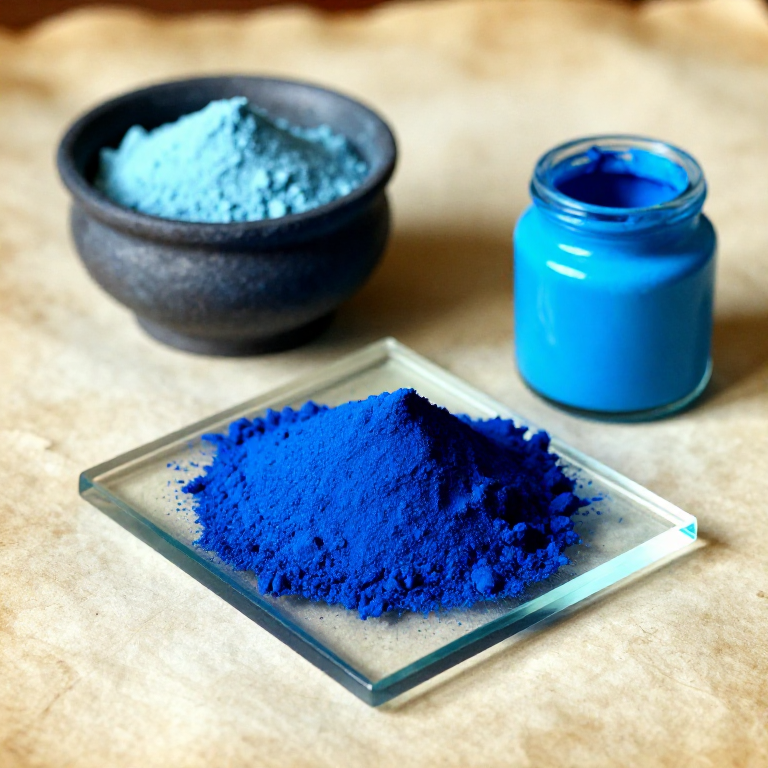

Making Cerulean Blue — The Sky Blue Pigment of the Impressionists
Cerulean Blue (cobalt(II) stannate, Co₂SnO₄) is the pigment most closely matching the colour of a clear sky at the zenith. First synthesised by Albrecht Höpfner around 1805 and commercially introduced by Rowney in 1860, it became the definitive sky-blue on the Impressionist palette — Monet, Renoir, and Cézanne all used it extensively to capture the luminous blues of open-air painting.
The chemistry is a high-temperature solid-state reaction between cobalt oxide and tin oxide. When fired at 1200–1300°C, cobalt(II) ions enter the inverse spinel crystal structure of tin oxide, producing a distinctive greenish sky-blue that is cooler and more subdued than cobalt blue. The exact shade depends on the cobalt-to-tin ratio and the firing temperature: higher temperatures produce a more intense blue, while lower cobalt ratios give a paler, more delicate tint.
Cerulean blue has outstanding permanence — it is completely lightfast, alkali-resistant, and stable in all painting media. Its opacity makes it excellent for skies and atmospheric effects. The main drawback is its relatively low tinting strength and high cost, both consequences of the expensive cobalt and tin raw materials.
SAFETY WARNING: This process involves kiln temperatures of 1200–1300°C. Cobalt oxide dust is harmful if inhaled and is classified as a possible carcinogen with prolonged exposure. Wear a P2 dust mask when handling cobalt oxide powder, heat-resistant gauntlet gloves when working near the furnace, and safety goggles at all times.
此蓝图制作

相关蓝图
这些蓝图共享知识——技术、材料或原理
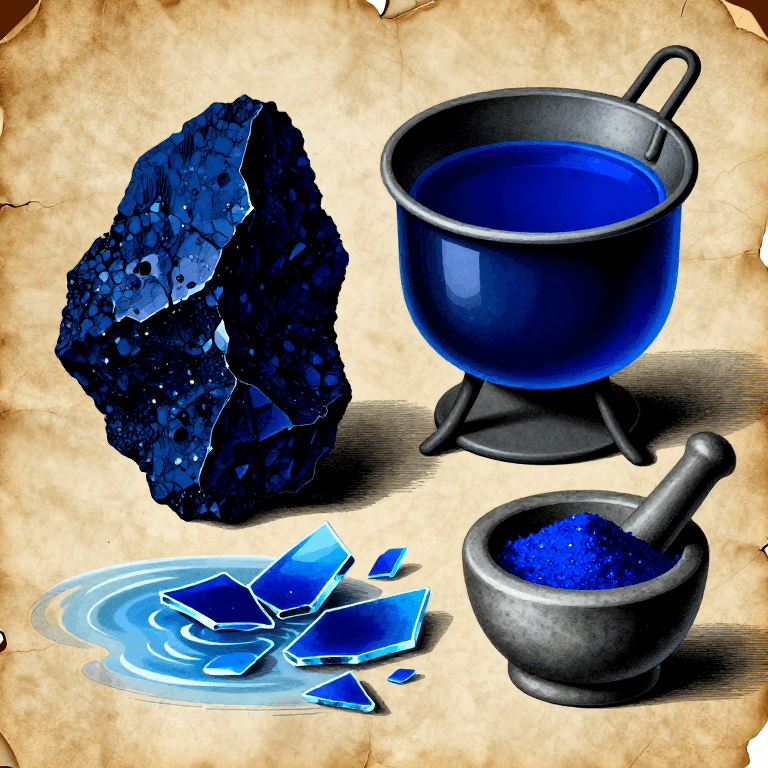
Making Smalt — Grinding Cobalt Blue Glass into the Renaissance Painter's Blue Pigment
Charlie 创作
艺术
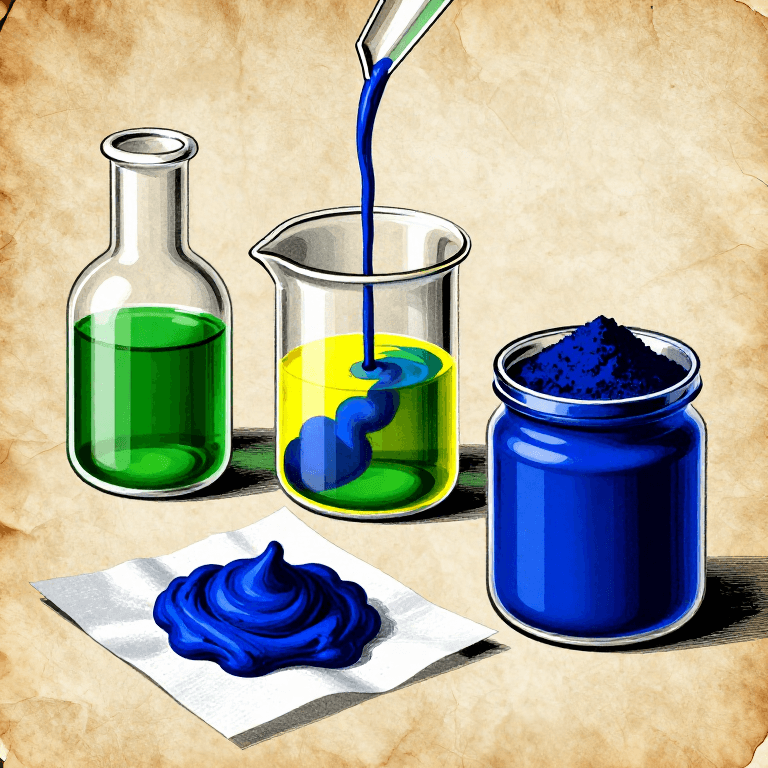
Making Prussian Blue — The First Modern Synthetic Pigment (Berlin, 1704)
Charlie 创作
艺术
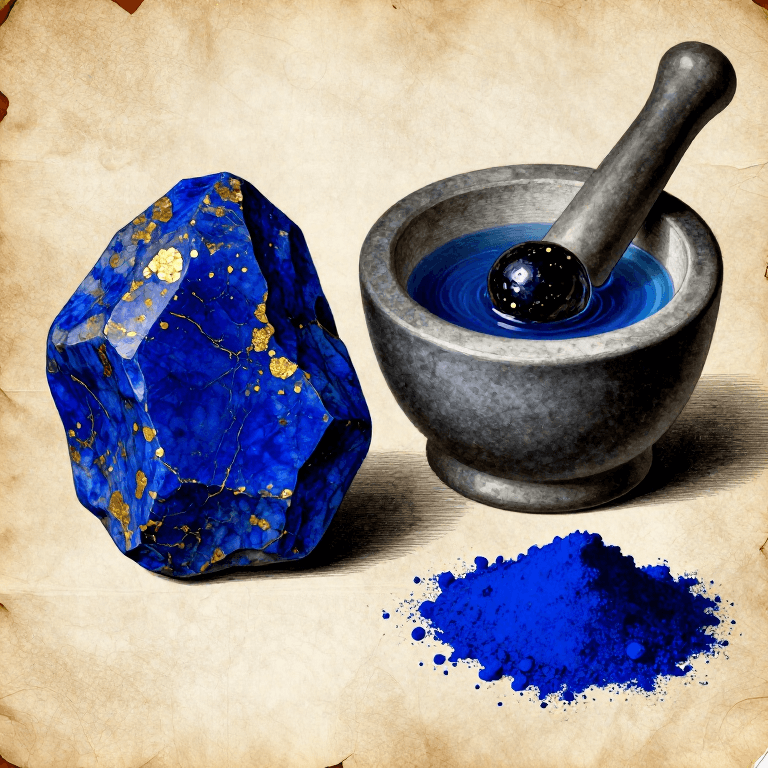
Making Ultramarine from Lapis Lazuli — Extracting the Most Precious Pigment in History
Charlie 创作
艺术
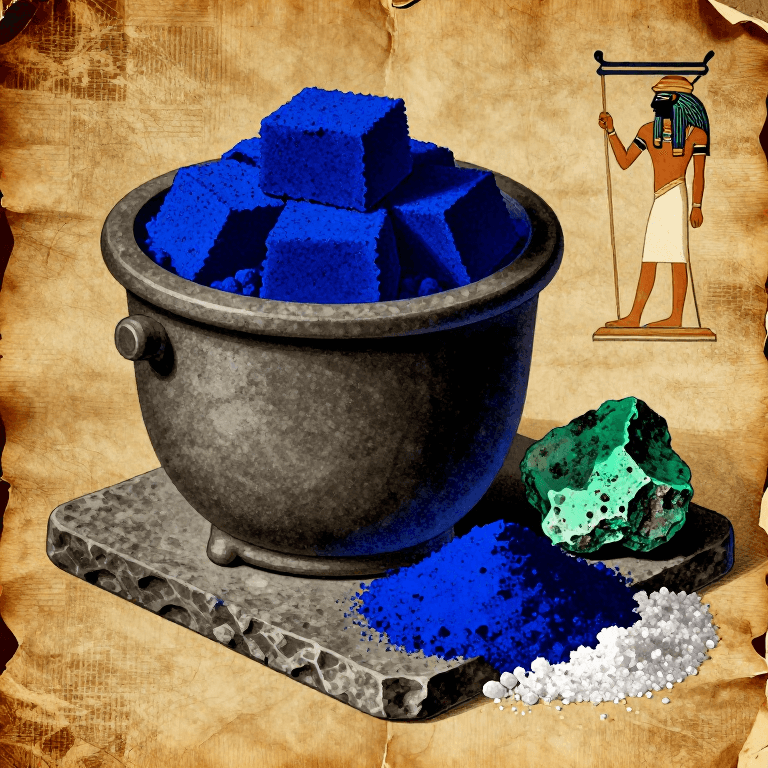
Making Egyptian Blue — The World's First Synthetic Pigment
Charlie 创作
艺术
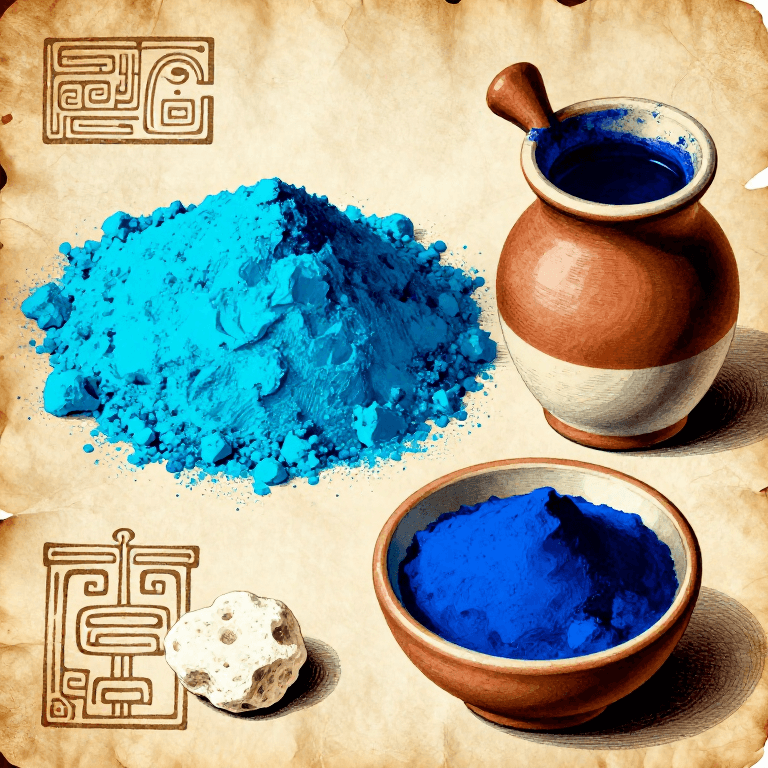
Making Maya Blue — The Indestructible Pigment of Mesoamerica
Charlie 创作
艺术
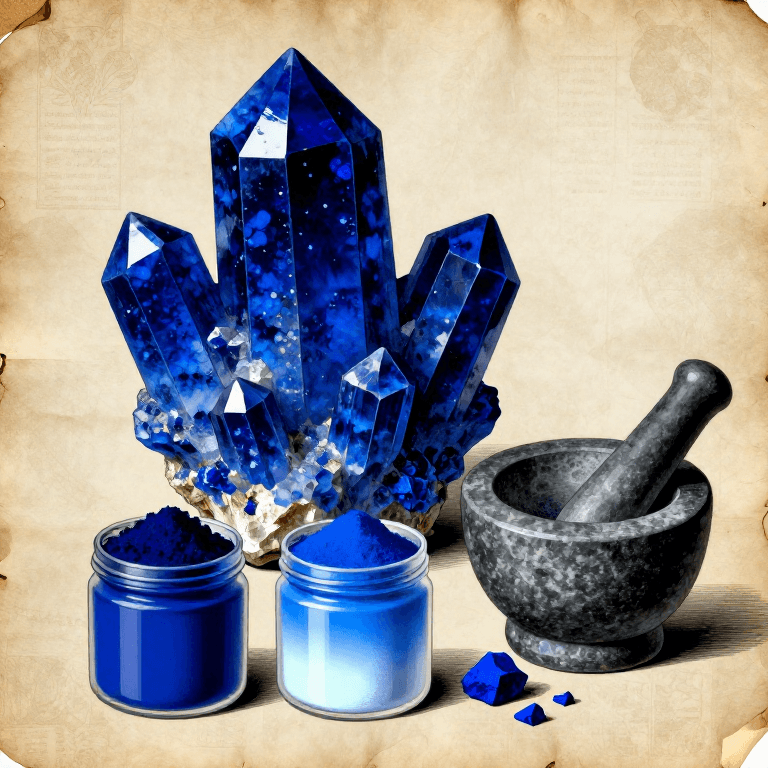
Making Azurite Blue Pigment — Grinding the Copper Mineral into the Blue of Medieval Painting
Charlie 创作
艺术
CC0 公共领域
此蓝图以 CC0 协议发布。你可以自由复制、修改、分发和使用此作品,无需征得许可。
通过购买蓝图中的产品支持创客,他们将获得 创客佣金 (由供应商设定),或创建此蓝图的新版本并将其作为连接包含在你自己的蓝图中以分享收入。