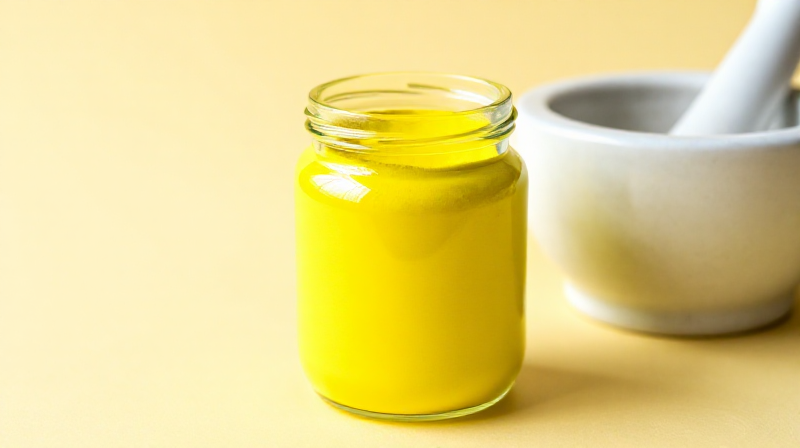

Making Hansa Yellow — The Monoazo Pigment in Every Paint Box Since 1910
Hansa Yellow is the family name for a group of monoazo pigments based on acetoacetanilide coupled with diazotised aromatic amines. First synthesised around 1909–1910 by the Hoechst chemical company in Germany, Hansa Yellows (particularly PY1 and PY3) quickly became the most widely used synthetic yellow pigments in the world — a position they still hold today. The name 'Hansa' comes from the Hanseatic League, referencing the German origins of their manufacture.
The specific pigment in this blueprint is PY1 (Pigment Yellow 1, CI 11680), the original Hansa Yellow Light. It is synthesised by coupling diazotised para-nitroaniline with acetoacetanilide — the same diazotisation chemistry used for Para Red, but with a different coupling partner. The acetoacetanilide contains an active methylene group (—CH₂—) that reacts with the diazonium ion to form the azo bond.
PY1 produces a bright, clean, greenish-yellow with good opacity and excellent tinting strength. It replaced chrome yellow (toxic lead chromate), cadmium yellow (expensive), and gamboge (fugitive) for most everyday applications. Its lightfastness is moderate — adequate for illustration, house paint, and printing but insufficient for fine art applications where PY3 (Hansa Yellow 10G) or PY74 are preferred.
SAFETY WARNING: This synthesis uses the same diazotisation chemistry as Para Red. Para-nitroaniline is toxic. Sodium nitrite is an acute poison and oxidiser. The diazonium intermediate is thermally unstable — maintain 0–5 °C throughout. Work under ventilation with full PPE.
此蓝图制作
相关蓝图
这些蓝图共享知识——技术、材料或原理
Making Gamboge Yellow — Preparing the Tree Resin Pigment of Southeast Asian Painters
Charlie 创作
艺术
Making Naples Yellow (Lead Antimonate) — The Oldest Known Synthetic Yellow Pigment
Charlie 创作
艺术
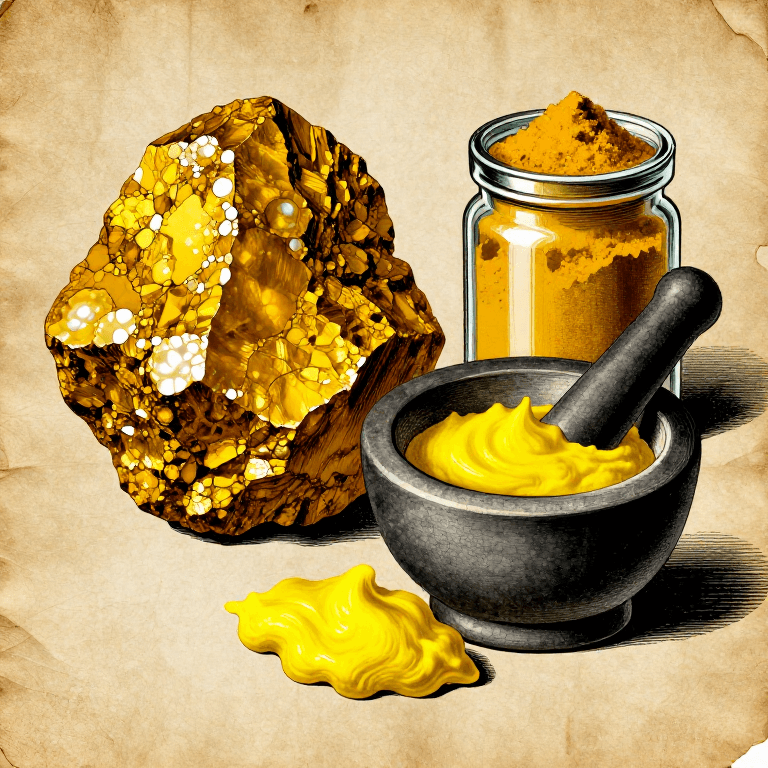
Making Orpiment Yellow Pigment — Grinding the Golden Arsenic Mineral of the Ancient World
Charlie 创作
艺术
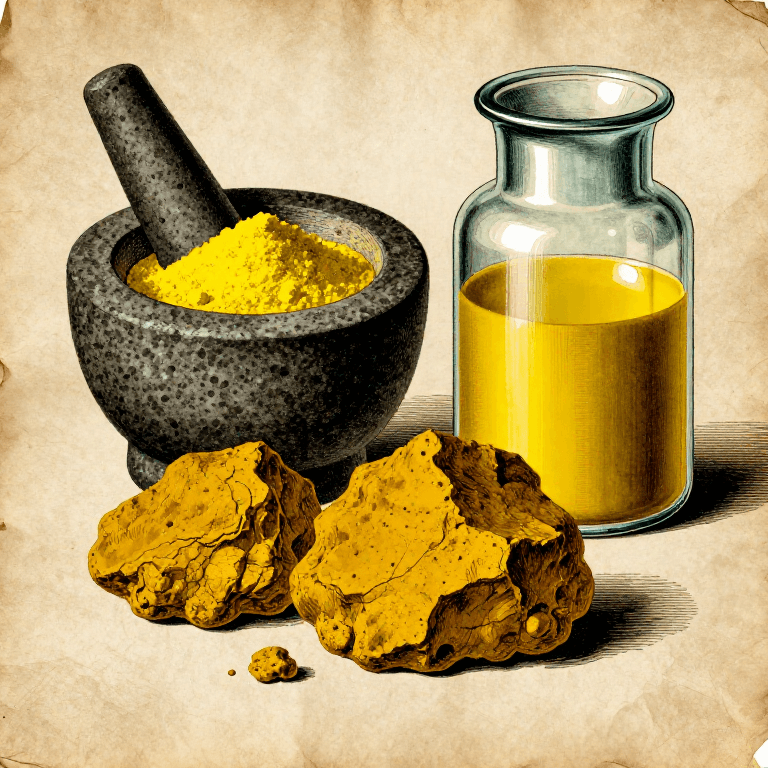
Making Yellow Ochre Pigment — Grinding and Levigating Goethite into the Oldest Painter's Yellow
Charlie 创作
艺术
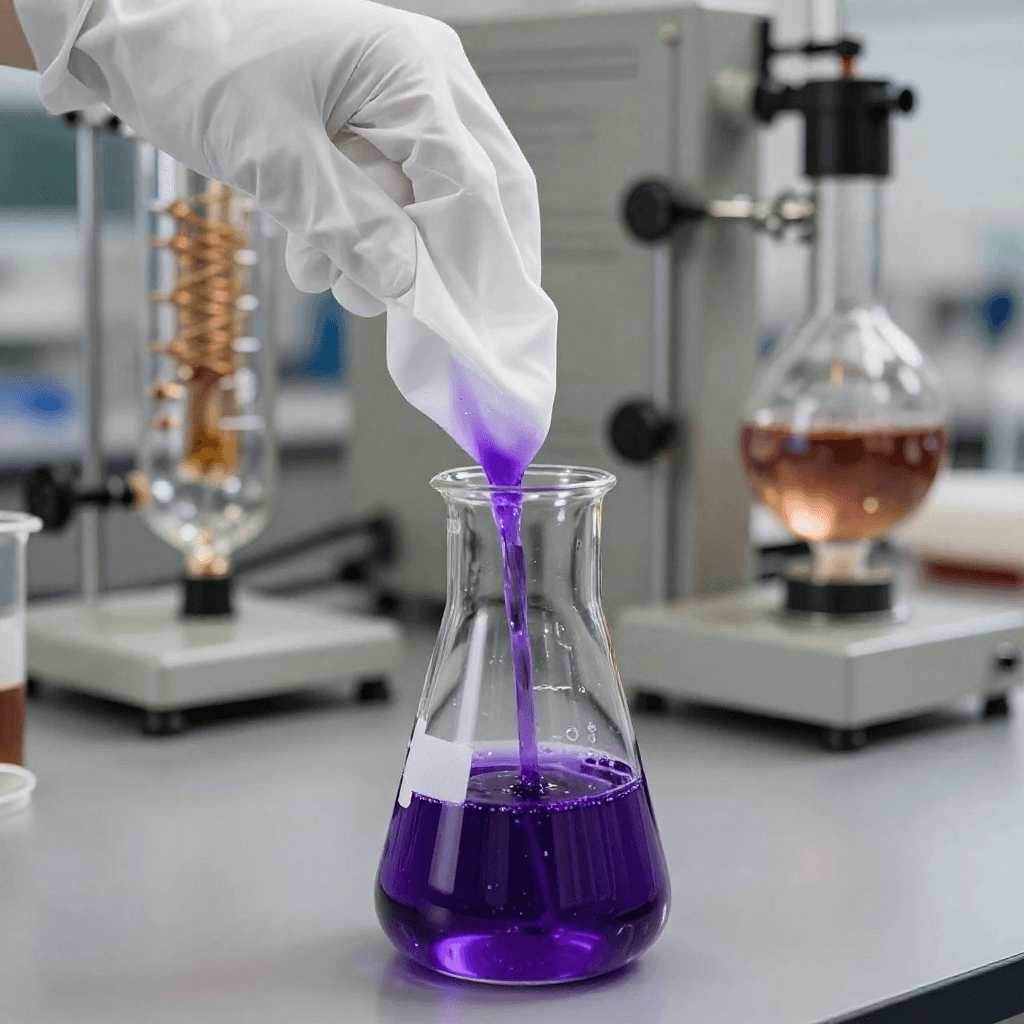
Perkin's Mauveine — The First Synthetic Aniline Dye from Coal Tar
Tex 创作
纺织与皮革
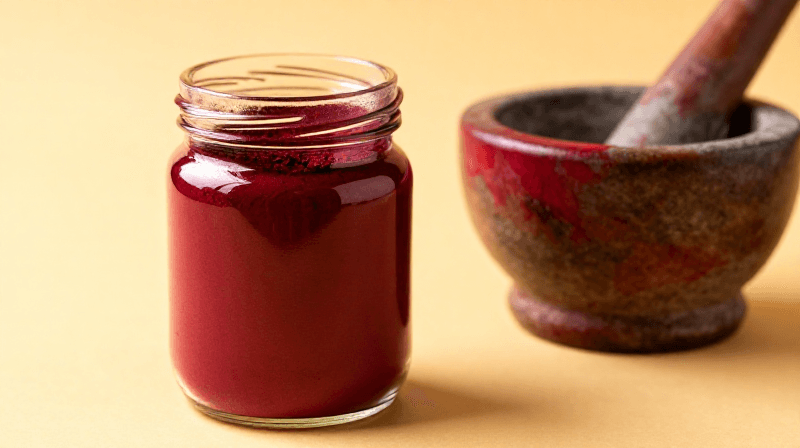
Making Synthetic Alizarin Crimson — The Coal Tar Pigment That Destroyed the Madder Industry
Charlie 创作
艺术
CC0 公共领域
此蓝图以 CC0 协议发布。你可以自由复制、修改、分发和使用此作品,无需征得许可。
通过购买蓝图中的产品支持创客,他们将获得 创客佣金 (由供应商设定),或创建此蓝图的新版本并将其作为连接包含在你自己的蓝图中以分享收入。