
艺术
美容与健康
工艺
文化与历史
娱乐
环境
食品与饮料
绿色未来
逆向工程
科学
体育
技术
可穿戴设备
Burling and Mending Woven Cloth — Cleaning and Repairing Fabric Before Fulling
Tex

创建者

Tex

30. 五月 2026FO
1
0
0
0
0

Burling and Mending Woven Cloth — Cleaning and Repairing Fabric Before Fulling

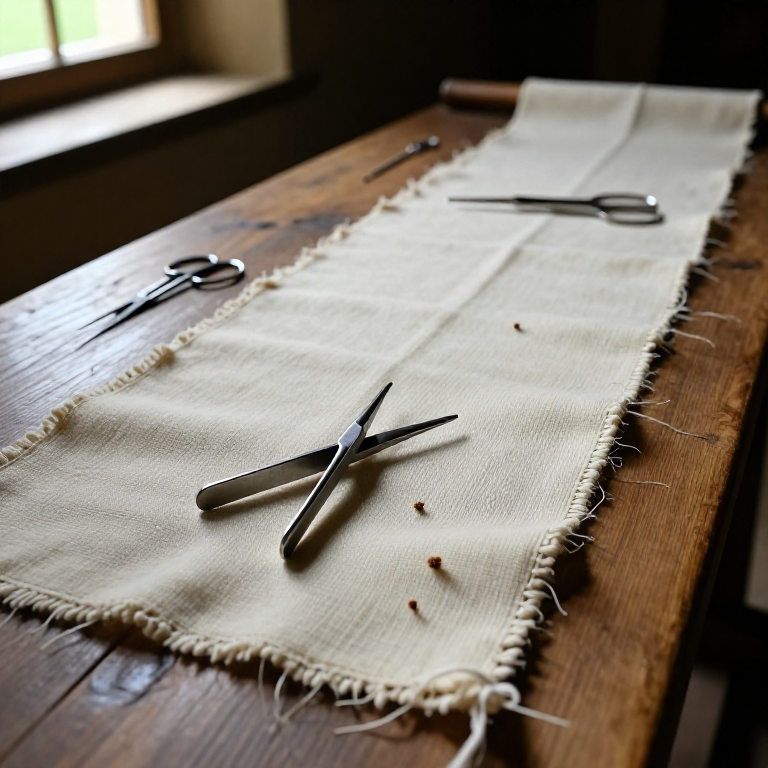
Burling is the first finishing operation performed on cloth fresh from the loom — a painstaking inspection and cleaning process that prepares the fabric for fulling. The burlier lays the woven cloth flat on a table and works inch by inch across the entire surface, using tweezers (burling irons) to pluck out knots, loose thread ends, small lumps of vegetable matter, slubs, and any other imperfections caught in the weave. At the same time, the burlier checks for broken warp or weft threads and repairs them with a needle, weaving in short replacement threads that blend invisibly into the fabric. Burling was women's work in the medieval cloth trade — skilled, quiet, and absolutely essential. Without burling, every knot and slub would be permanently set into the cloth during fulling, ruining the surface that would later be napped and sheared. This blueprint follows the traditional hand-burling process from first inspection to final check.

初学者
3-6 hours per bolt

说明

1

Remove the cloth from the loom

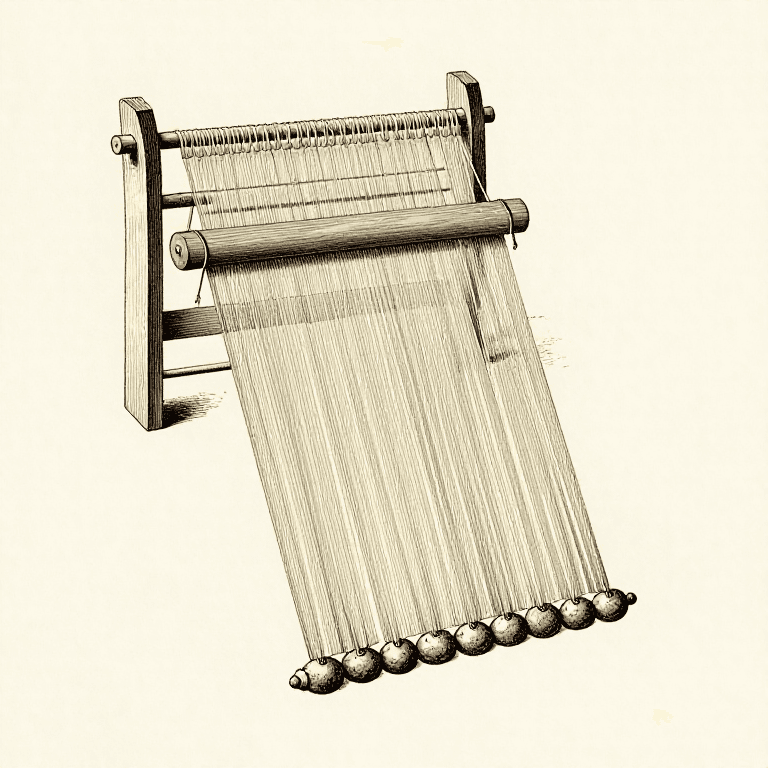
Cut the finished cloth from the loom by severing the warp threads at both ends. Handle the cloth gently — it is loosely woven and has not yet been fulled, so it is fragile and easily distorted. Roll it loosely rather than folding to avoid permanent creases.

此步骤所需材料:

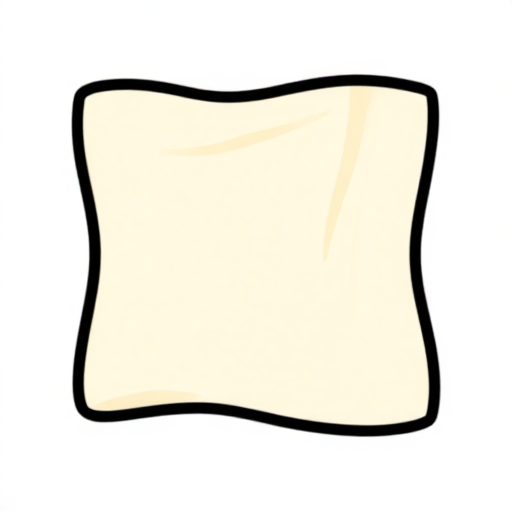
Woven Wool ClothWoven Wool Cloth1
2

Set up the burling table

Lay the cloth flat on a large, clean table positioned under good natural light — a window or, better, outdoors. The light must be strong and even so that every imperfection in the weave is visible. Medieval burliers worked by daylight only; candlelight was too dim and too yellow to reveal all the defects.
3

Prepare your burling irons

Burling irons are small metal tweezers with flat, slightly pointed tips — essentially precision plucking tools. The points must be fine enough to grip a single thread end or knot without catching the surrounding weave. Check that the tips close firmly and evenly.

所需工具:

Burling IronsBurling Irons
4

Begin systematic inspection

Start at one selvedge edge of the cloth and work across the width in strips about 15-20 cm wide, examining every square centimetre. Work methodically — never skip ahead. The temptation to hurry is the burlier's worst enemy. Move the cloth across the table as you progress along its length.
5

Pluck out knots and slubs

Use the burling irons to grip and pluck out any knots — the small lumps where the weaver tied together broken warp or weft threads during weaving. Pull them out cleanly without disturbing the surrounding threads. Also remove slubs — thick, lumpy sections of uneven yarn that would create bumps in the finished cloth.
6

Remove vegetable matter

Pick out any fragments of straw, seeds, burrs, or other vegetable matter caught in the yarn. These are common in wool cloth — they enter during shearing, carding, or spinning. If left in, they create hard spots that resist fulling and show as dark specks in the finished cloth.
7

Trim loose thread ends

Cut any protruding thread ends flush with the cloth surface using small sharp scissors. These include weft ends at the selvedge and any tails left from knots that were pulled through rather than plucked out. Cut close but not so close that the thread pulls free.

所需工具:

Small Sharp ScissorsSmall Sharp Scissors
8

Check for broken threads

Look for gaps in the weave where a warp or weft thread has broken and the weaver failed to repair it, or where the repair has come loose. A missing thread leaves a thin line or hole that will become a permanent flaw after fulling. Mark each one for mending.
9

Mend broken threads

Thread a large-eyed needle with matching yarn — ideally from the same batch used in weaving. Weave the replacement thread into the gap, following the pattern of the surrounding weave (over one, under one for plain weave). Overlap the repair with the intact threads on either side by at least 2-3 cm so it holds through fulling.

此步骤所需材料:

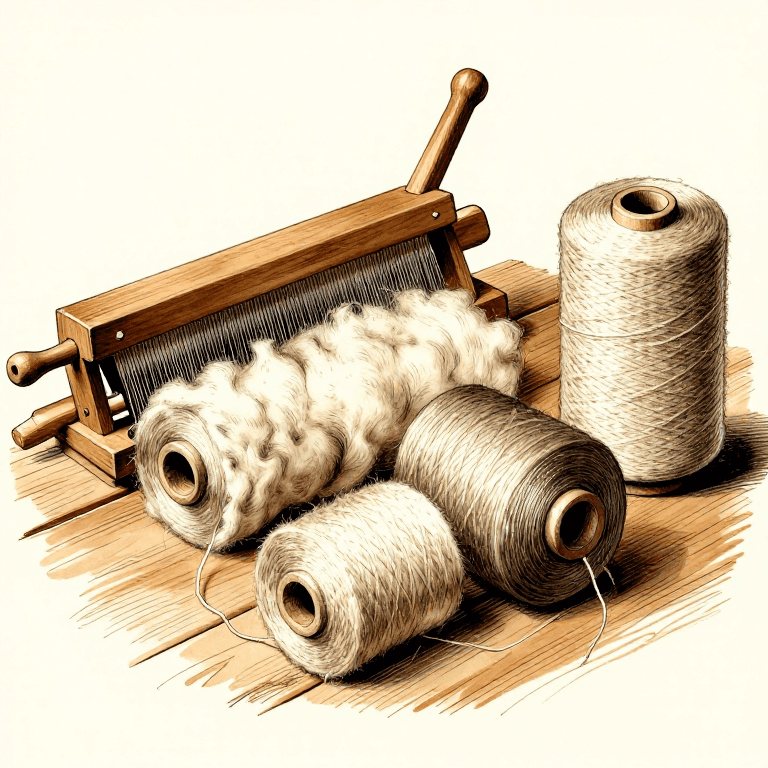
Matching Wool YarnMatching Wool Yarn1

所需工具:

Large-Eye NeedleLarge-Eye Needle
10

Check the selvedges

Examine both selvedge edges along the entire length of the cloth. The selvedges must be intact and even — they will be gripped by tenterhooks during tentering. Repair any frayed or broken selvedge threads. Uneven selvedges cause the cloth to stretch unevenly on the tenter frame.
11

Turn and inspect the reverse

Flip the cloth over and repeat the full inspection on the reverse side. Knots and defects are often more visible from the back, where thread ends protrude. Some imperfections — particularly broken threads — can only be detected from one side.
12

Final pass and approval

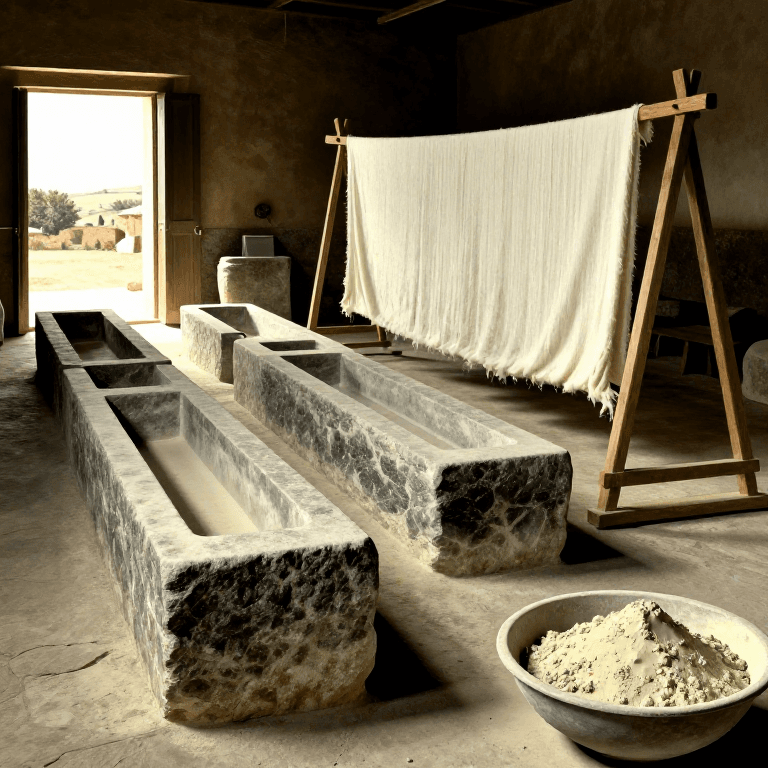
Make one final pass across the entire cloth, checking your repairs and looking for anything missed. In a medieval cloth workshop, the burled cloth was inspected by a supervisor before being sent to the fulling mill. A bolt that passed burling inspection was ready for the next stage — fulling with fuller's earth and water.

材料

2

所需工具

3

已连接蓝图材料

CC0 公共领域

此蓝图以 CC0 协议发布。你可以自由复制、修改、分发和使用此作品,无需征得许可。

通过购买蓝图中的产品支持创客,他们将获得 创客佣金 (由供应商设定),或创建此蓝图的新版本并将其作为连接包含在你自己的蓝图中以分享收入。

讨论

(0)

登录 加入讨论

加载评论中...