艺术
美容与健康
工艺
文化与历史
娱乐
环境
食品与饮料
逆向工程
科学
体育
技术
可穿戴设备



Order of Work: Why a Garment Is Assembled in a Particular Sequence
Instructions give a sequence, and it usually looks arbitrary. It is not: almost every step is in its position because doing it later would be difficult, and some steps become impossible.
The governing principle is ACCESS. Work on a flat piece is easy; work inside a tube is hard. So everything that can be done while the garment is still flat is done before the seams that close it — which is why a shirt's front bands, pockets and even the collar go on before the side seams.
Understanding that turns the instruction sheet from a list to be obeyed into a plan that can be varied. And it lets you spot, before starting, the step that is going to be awkward.
中级
3 hours
说明
1
1
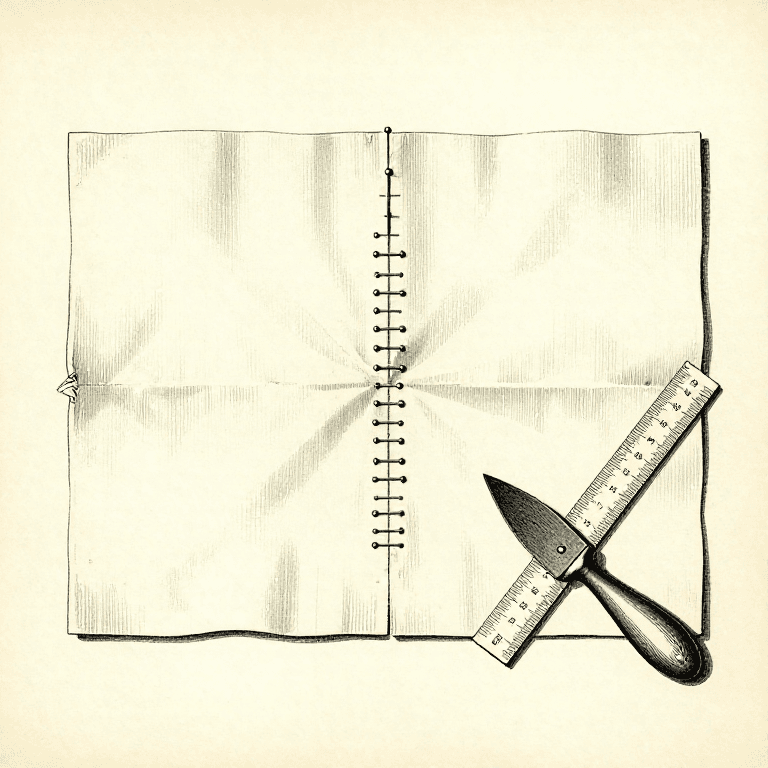
Flat first: everything that can be done before closing a seam
Flat first: everything that can be done before closing a seam
Interfacing, darts, pockets, buttonholes, topstitching, decorative work, embroidery — all of it is far easier on a flat piece lying on a table than on a piece already joined into a tube.
Buttonholes especially. A buttonhole worked on a flat front band is straightforward; the same buttonhole after the shoulder and side seams are sewn means wrestling a whole garment through a machine.
So read the whole instruction sheet before starting and note which steps are flat-work. If an instruction has you close a seam and then do flat work on the other side of it, that is usually worth reordering — which you can only see if you read ahead.
此步骤所需材料:
 棉布1 个
棉布1 个 衬布1 个
衬布1 个所需工具:
 缝纫机
缝纫机 熨衣板
熨衣板2
2
Press each seam before you cross it
Press each seam before you cross it
Once a second seam crosses the first, the first can no longer be pressed properly — the iron cannot reach into the corner and the allowances are trapped.
So the sequence is: sew a seam, press it, then sew the next. That feels slow and involves a great deal of walking to the ironing board, and it is the difference between a homemade-looking garment and one that is not.
The same applies to FINISHING the raw edges. An allowance is easy to overlock, zigzag or bind while the seam is open and accessible, and awkward once it is enclosed by a lining or a facing.
此步骤所需材料:
棉布1 个 棉线1 个
棉线1 个所需工具:
 蒸汽熨斗熨衣板缝纫机
3
3
Leave one seam open as long as you can
Leave one seam open as long as you can
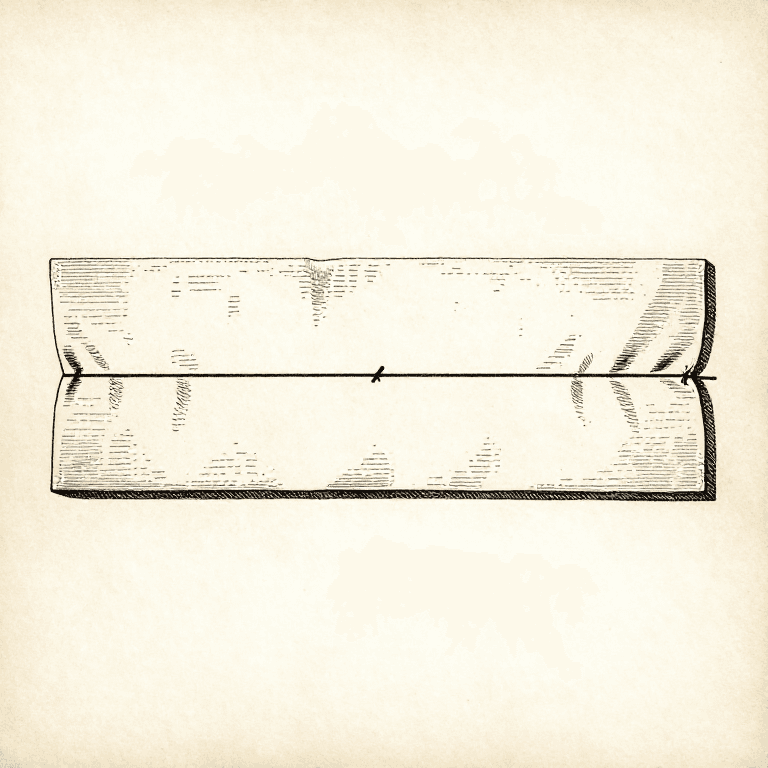
Many garments are assembled with one side seam left open until near the end — often the left one — precisely so that the whole thing can still be laid flat for the awkward steps.
That is why a shirt collar goes on before the side seams, and why a waistband is often attached with one end still open. The choice of WHICH seam to leave is made by asking what still needs flat access.
The cost is that the garment cannot be tried on properly until that seam is closed, so fitting has to have been settled earlier — on the toile. The two habits support each other, and skipping the toile is what forces early assembly and awkward late steps.
此步骤所需材料:
棉布1 个棉线1 个所需工具:
缝纫机 缝纫珠针熨衣板
4
4
Hems and buttons last, and try it on first
Hems and buttons last, and try it on first
The hem goes last because its position depends on everything above it. A shoulder taken up by 10 mm raises the hem by 10 mm, and a hem finished before that is 10 mm short for ever.
Hang the finished garment for a day before marking the hem, especially anything cut on the bias or with a bias-ish flare. The cloth settles and lengthens, and a hem marked before it settles goes uneven afterwards — the grain rung's point arriving at the end of the process.
Buttons go on after the buttonholes are cut and the garment is tried on, so their positions are marked THROUGH the finished buttonholes. Marking them from the pattern instead is how a front ends up not quite lining up.
此步骤所需材料:
棉布1 个棉线1 个所需工具:
 缝衣针缝纫珠针
 裁缝划粉
裁缝划粉 卷尺
卷尺相关蓝图
这些蓝图共享知识——技术、材料或原理
CC0 公共领域
此蓝图以 CC0 协议发布。你可以自由复制、修改、分发和使用此作品,无需征得许可。
通过购买蓝图中的产品支持创客,他们将获得 创客佣金 (由供应商设定),或创建此蓝图的新版本并将其作为连接包含在你自己的蓝图中以分享收入。