艺术
美容与健康
工艺
文化与历史
娱乐
环境
食品与饮料
逆向工程
科学
体育
技术
可穿戴设备



Sanitation Is Not Sterilisation: You Are Choosing Which Microbes Win
You cannot sterilise a home brewery and you do not need to. Sterilisation means killing everything; SANITATION means reducing the unwanted organisms enough that the one you want takes over first and outcompetes the rest.
That is the whole game. A vigorous yeast population pitched into a clean vessel acidifies and de-oxygenates its surroundings within hours, and after that very little else can get established. A weak start lets something else win.
Which reframes every sanitation instruction. It is not about hygiene in the abstract — it is about the head start, and every surface the liquid touches after the boil is a place the competition can enter.
初学者
2 hours
说明
1
1
Clean first, then sanitise — they are different jobs
Clean first, then sanitise — they are different jobs
CLEANING removes visible soil: the sticky film, the trub, the ring in the vessel. SANITISING kills what is left on an already clean surface. A sanitiser applied to a dirty surface does almost nothing, because organisms sheltering under a film of residue are never touched.
So the order is always clean, rinse, sanitise — and the cleaning is the part that takes effort. A dedicated brewery cleaner or plain unscented washing soda works; anything perfumed leaves residue that will end up in the flavour.
Never scrub plastic with an abrasive. Scratches in a plastic bucket or a siphon hose are permanent shelters that no sanitiser can reach into, and they are why a scratched fermenter eventually infects everything put in it.
此步骤所需材料:
 水1 升
水1 升所需工具:
 酿酒清洗与消毒套装
 玻璃发酵瓶
玻璃发酵瓶 自动虹吸管
自动虹吸管2
2
Contact time is the specification, not the wetting
Contact time is the specification, not the wetting
Every sanitiser has a required contact time — typically 30 seconds to two minutes — and a required concentration. Both are on the label and both matter.
A quick splash and a shake is not sanitation. The surface has to stay wet with sanitiser at the right strength for the stated time, which for a carboy means filling it or rolling it thoroughly rather than rinsing it through.
No-rinse sanitisers are designed to be left. Rinsing them off with tap water undoes the work by re-introducing whatever is in the tap, which is the commonest way a careful brewer infects a batch.
此步骤所需材料:
水1 升所需工具:
酿酒清洗与消毒套装玻璃发酵瓶 发酵气塞
发酵气塞3
3
Everything after the boil, and nothing before it
Everything after the boil, and nothing before it
Boiling sterilises the wort. Before that point, cleanliness is ordinary kitchen hygiene and nothing more — sanitising a mash tun is wasted effort because everything in it is about to be boiled.
After the boil, every single thing that touches the liquid must be sanitised: the fermenter, the airlock, the siphon, the hydrometer, the sample jar, the spoon, the thermometer probe, the bottle caps, and your hands.
The chiller is the classic miss, because it goes into the hot wort and comes out of the cold. Sanitise it, and drop it in for the last fifteen minutes of the boil so the wort itself does the job.
此步骤所需材料:
水1 升所需工具:
酿酒清洗与消毒套装自动虹吸管 酿酒比重计与量筒
 速读温度计
速读温度计4
4
Not every ferment wants the same organisms
Not every ferment wants the same organisms
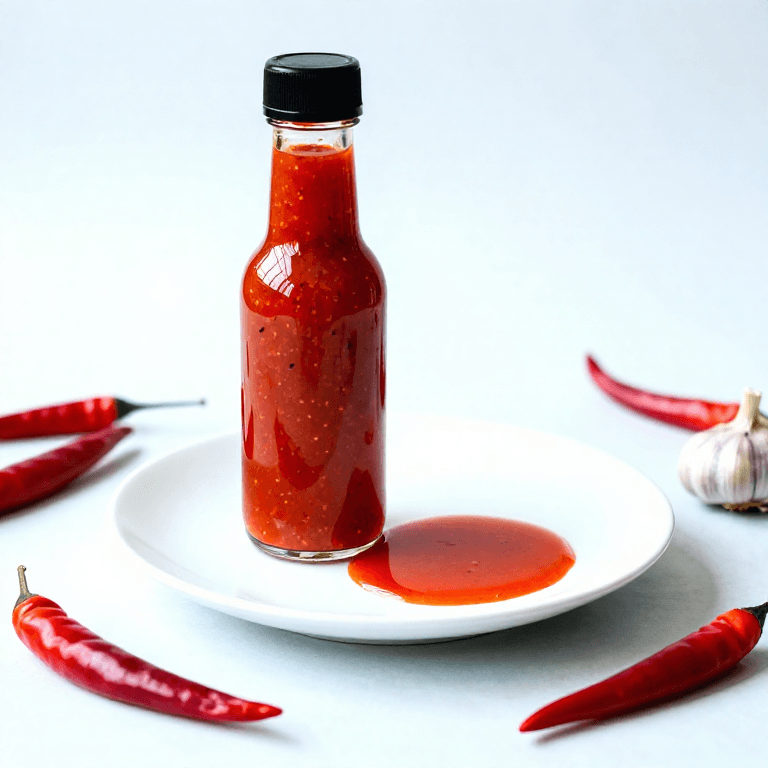
A clean beer wants one yeast and nothing else. A lacto-fermented hot sauce wants the bacteria that are already on the vegetables, and sanitising them off would defeat the entire process — there the SALT concentration is what selects, not sanitation.
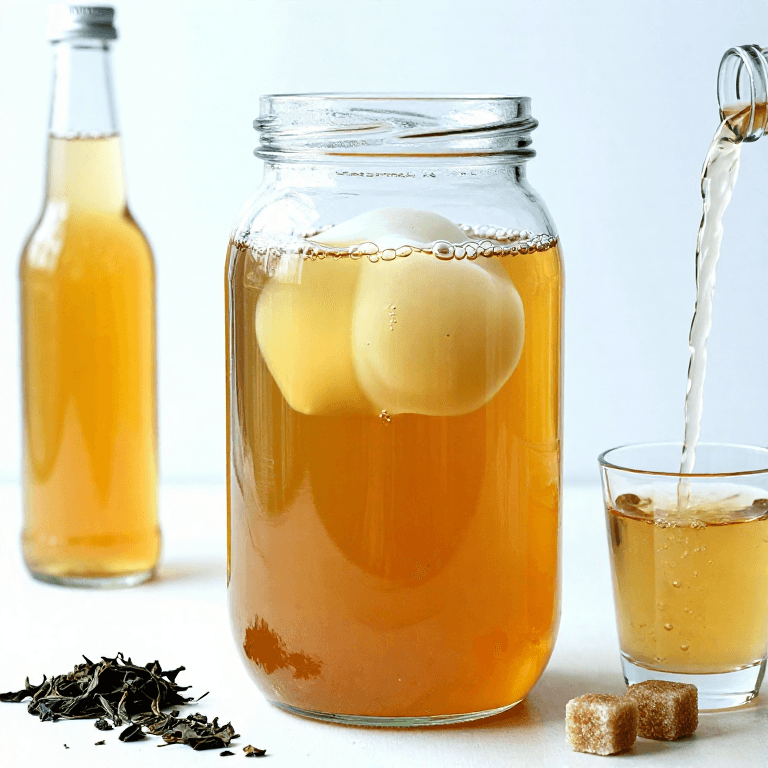
A kombucha SCOBY, a sourdough starter and a vinegar mother are all deliberately mixed cultures held in balance by acidity and by being fed. Their defence is the established population, not a sterile vessel.
So the question is always: what is doing the selecting here? Sanitation, salt, acidity, alcohol, temperature or an established culture. Knowing which one is protecting a given ferment tells you which mistake will ruin it.
此步骤所需材料:
 氯化钠(盐)1 个水1 升
所需工具:
酿酒清洗与消毒套装 精密天平
精密天平相关蓝图
这些蓝图共享知识——技术、材料或原理


CC0 公共领域
此蓝图以 CC0 协议发布。你可以自由复制、修改、分发和使用此作品,无需征得许可。
通过购买蓝图中的产品支持创客,他们将获得 创客佣金 (由供应商设定),或创建此蓝图的新版本并将其作为连接包含在你自己的蓝图中以分享收入。