艺术
美容与健康
工艺
文化与历史
娱乐
环境
食品与饮料
逆向工程
科学
体育
技术
可穿戴设备
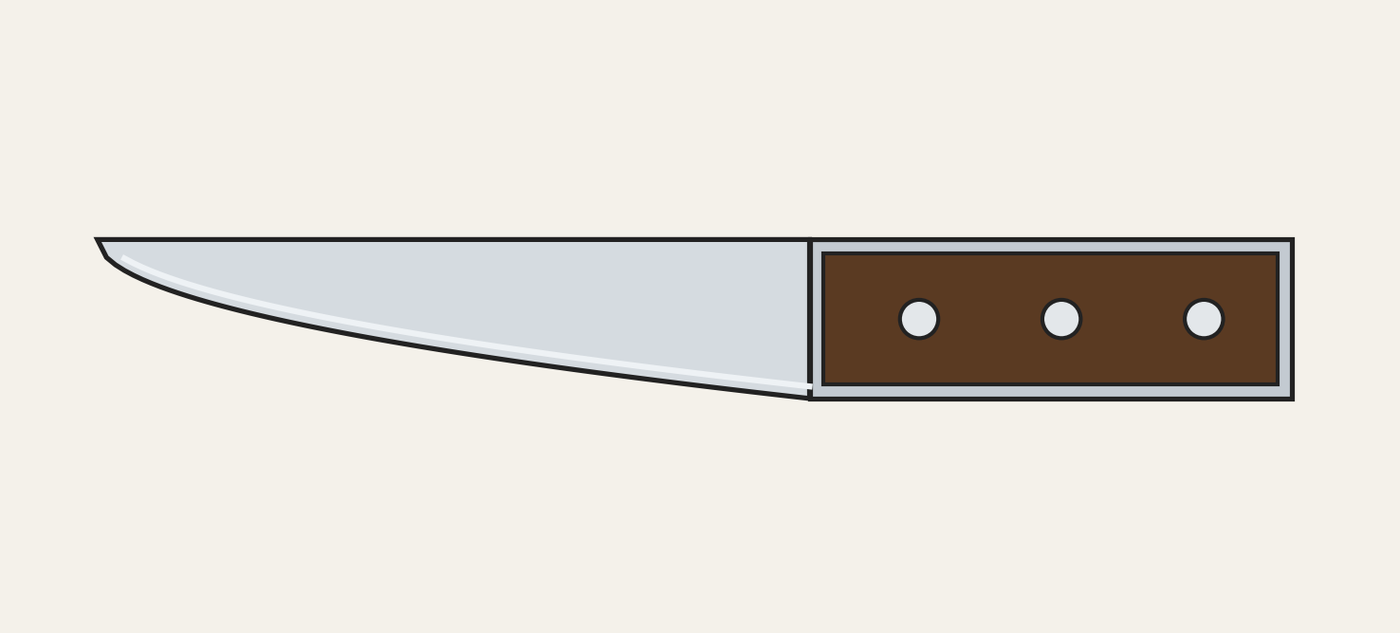


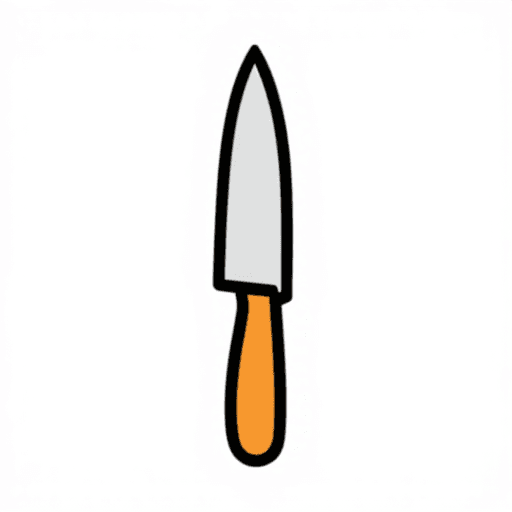
Stamped Kitchen Knife: Blade, Tang and Riveted Scales
Kitchen knife blades are either forged or stamped. A stamped blade is cut to shape straight from cold-rolled steel, then heat-treated for strength, ground, polished and sharpened; it can often be recognised by having no bolster. Typical stainless kitchen knives are 420 stainless, an alloy of iron with about 10–15% chromium and little carbon, which resists rust far better than carbon steel. In the traditional Western knife the tang, the part of the blade inside the handle, carries two scales of wood, plastic or composite, one each side, held by metal rivets, usually three.
高级
Factory process
说明
1
1
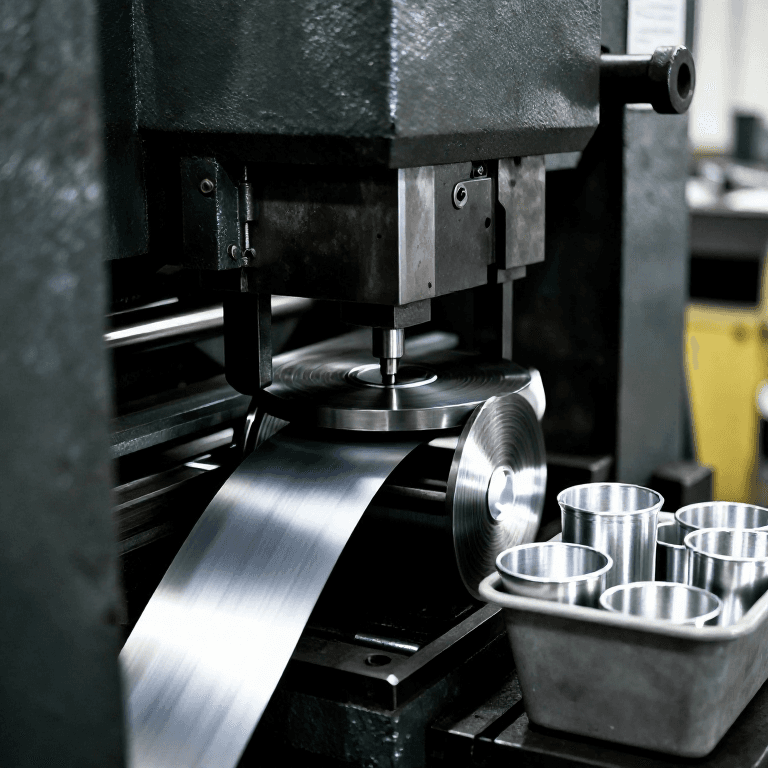
Stamp the blank
Stamp the blank
Cut the blade with its tang straight from cold-rolled stainless steel in the press.
此步骤所需材料:
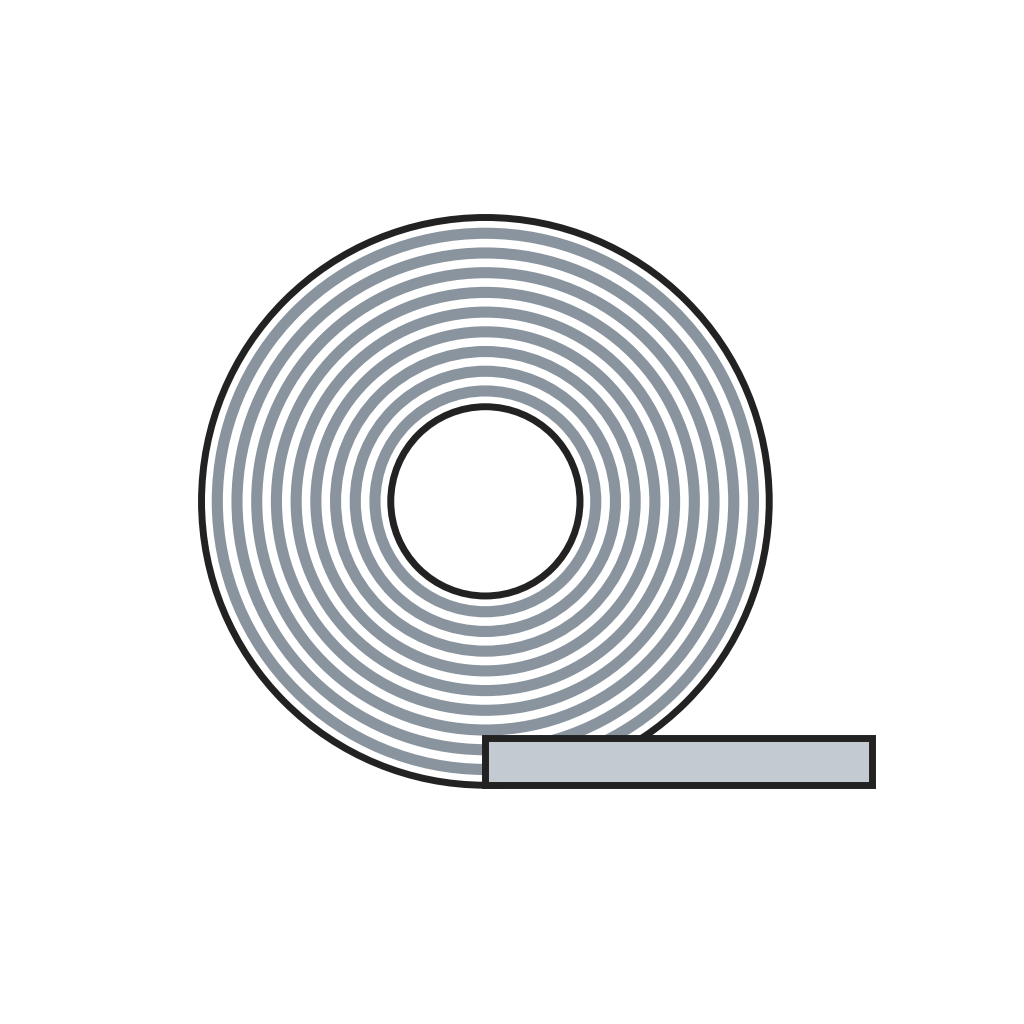 冷轧不锈钢带(420)1 as required
所需工具:
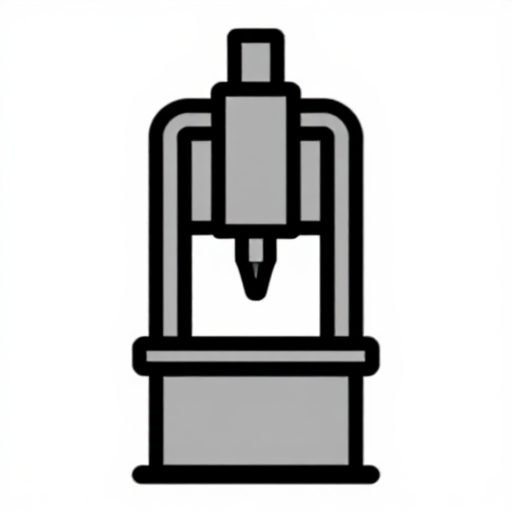 冲压机
冲压机2
2
Heat treat
Heat treat
Heat-treat the blank for strength.
所需工具:
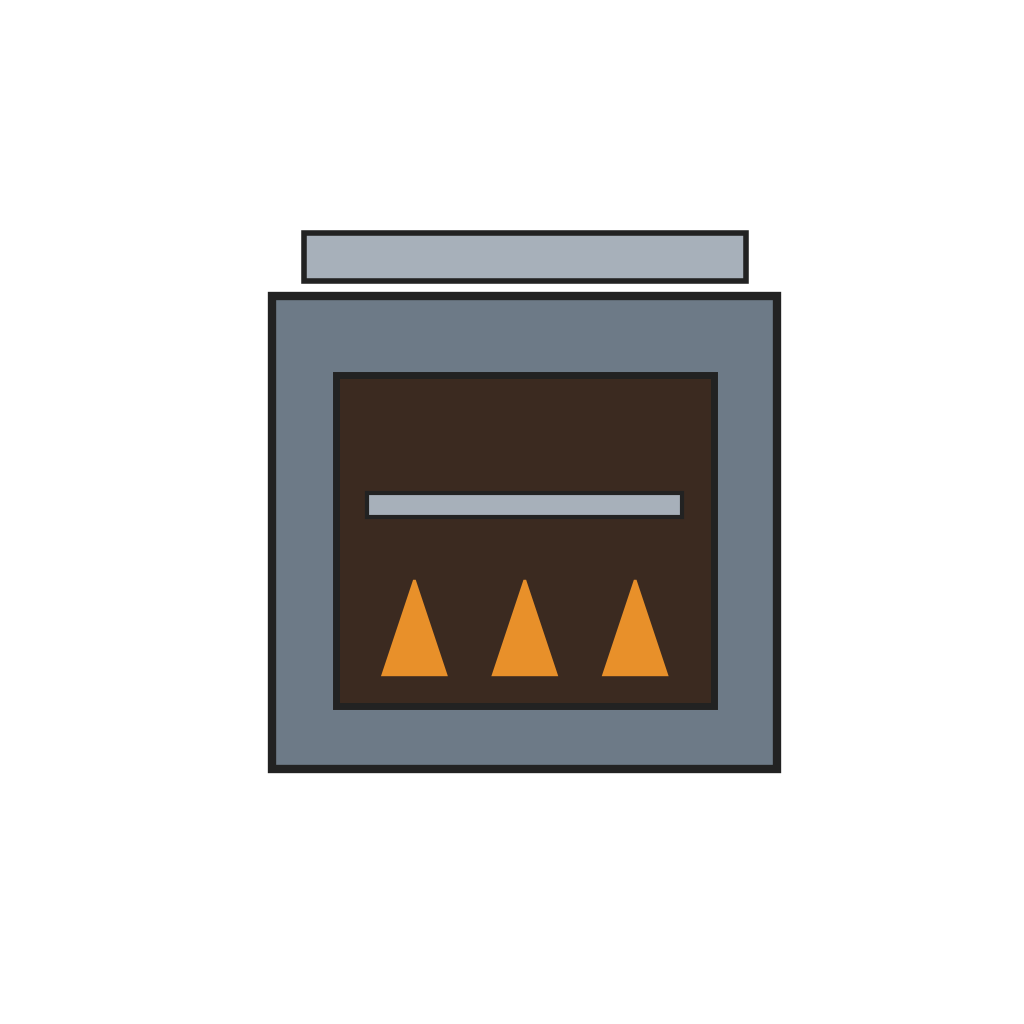 热处理炉
热处理炉3
3
Grind, polish and sharpen
Grind, polish and sharpen
Grind the blade, polish it and sharpen the edge.
所需工具:
 砂带机
砂带机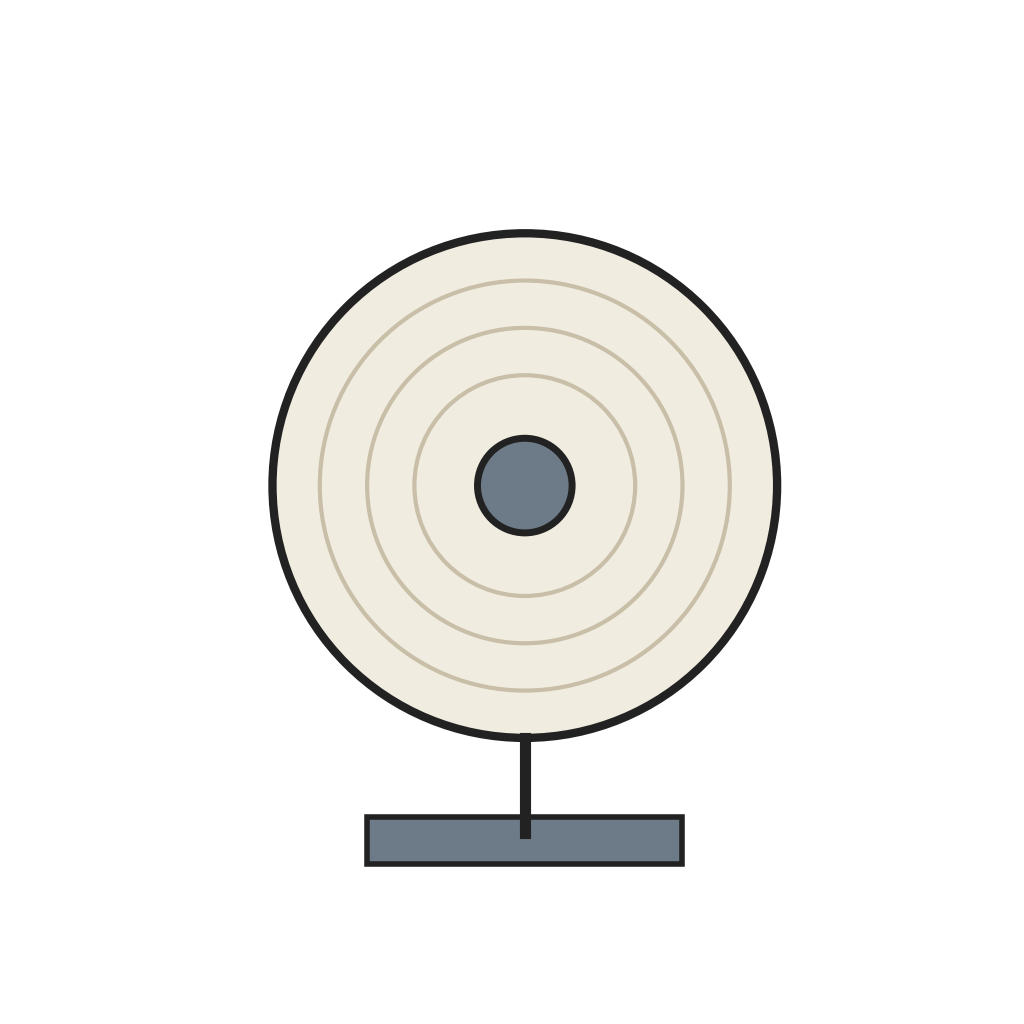 抛光轮
抛光轮 磨刀石
磨刀石4
4
Rivet the scales
Rivet the scales
Fit a scale to each side of the tang and fix them with the rivets, usually three.
此步骤所需材料:
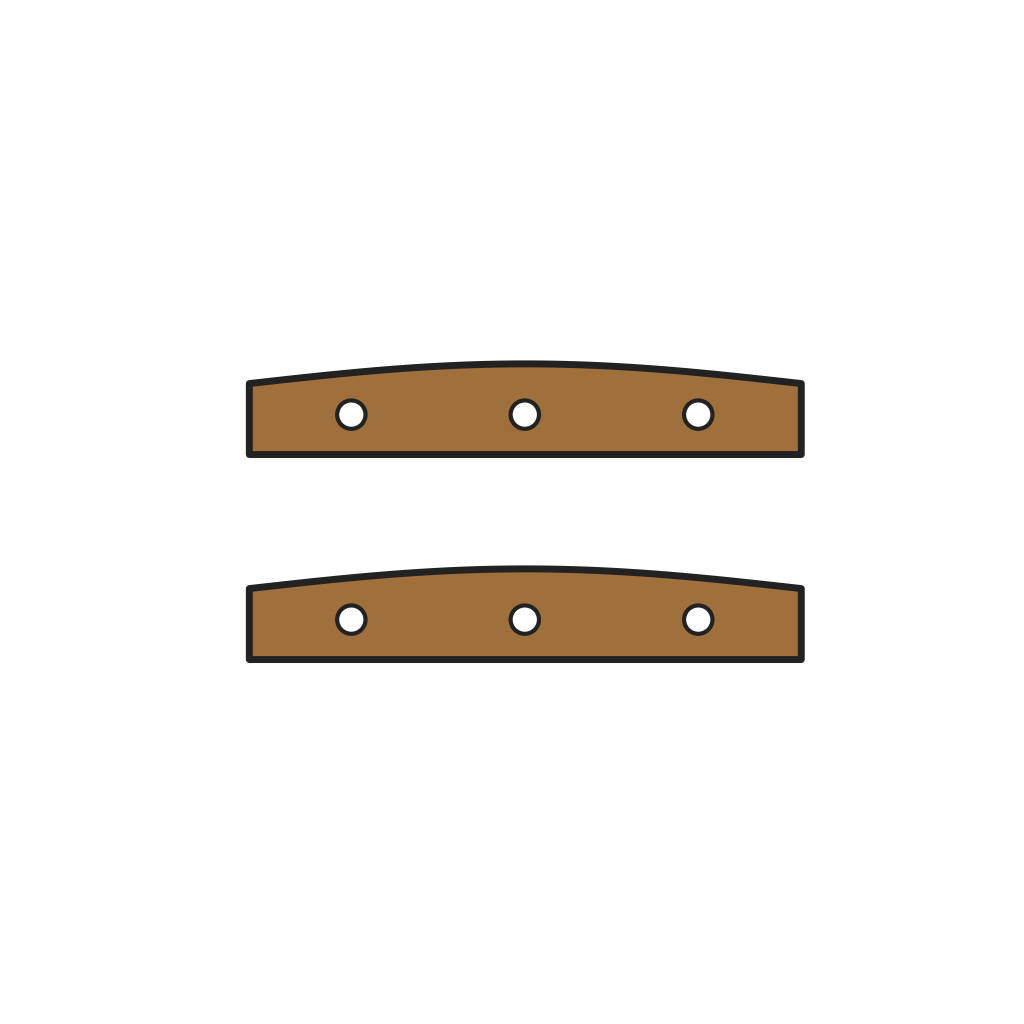 刀柄片2 个
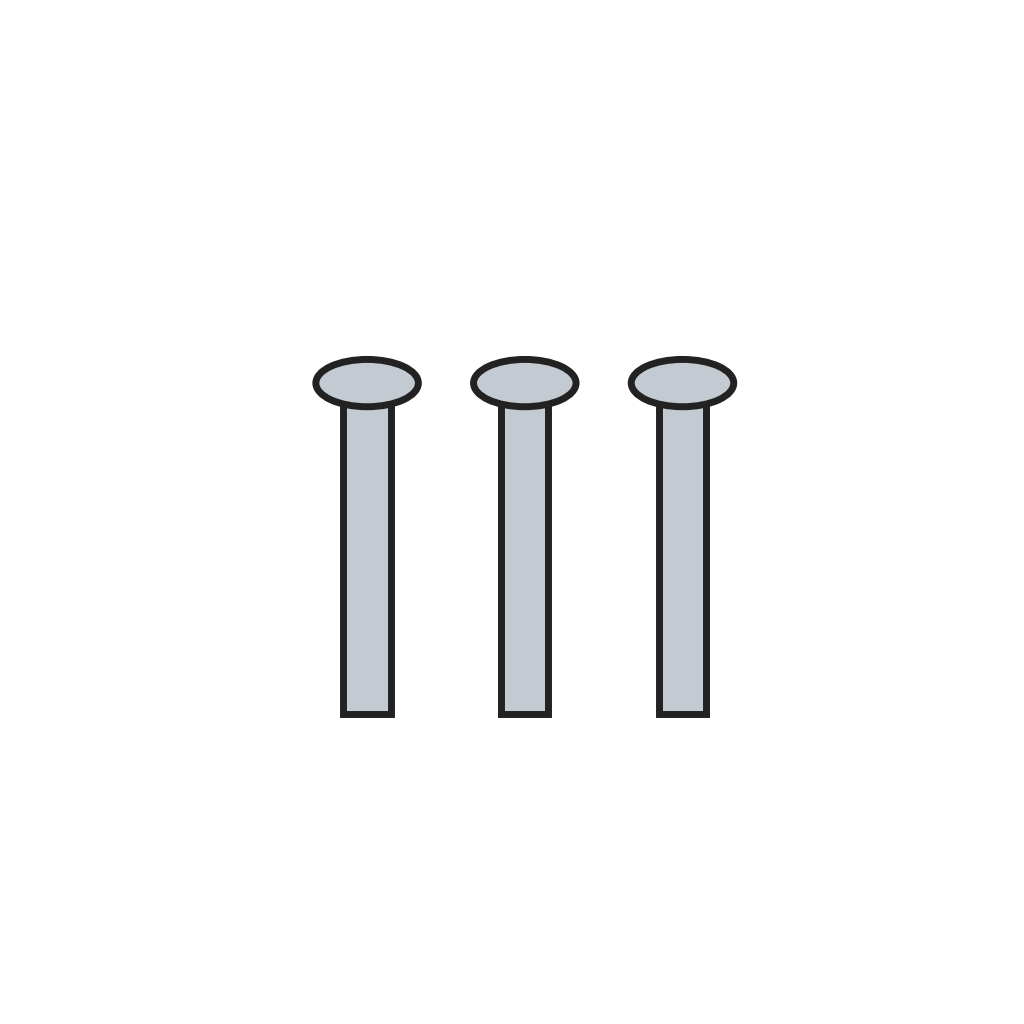 刀柄铆钉3 个
此蓝图制作
相关蓝图
这些蓝图共享知识——技术、材料或原理



CC0 公共领域
此蓝图以 CC0 协议发布。你可以自由复制、修改、分发和使用此作品,无需征得许可。
通过购买蓝图中的产品支持创客,他们将获得 创客佣金 (由供应商设定),或创建此蓝图的新版本并将其作为连接包含在你自己的蓝图中以分享收入。