艺术
美容与健康
工艺
文化与历史
娱乐
环境
食品与饮料
逆向工程
科学
体育
技术
可穿戴设备
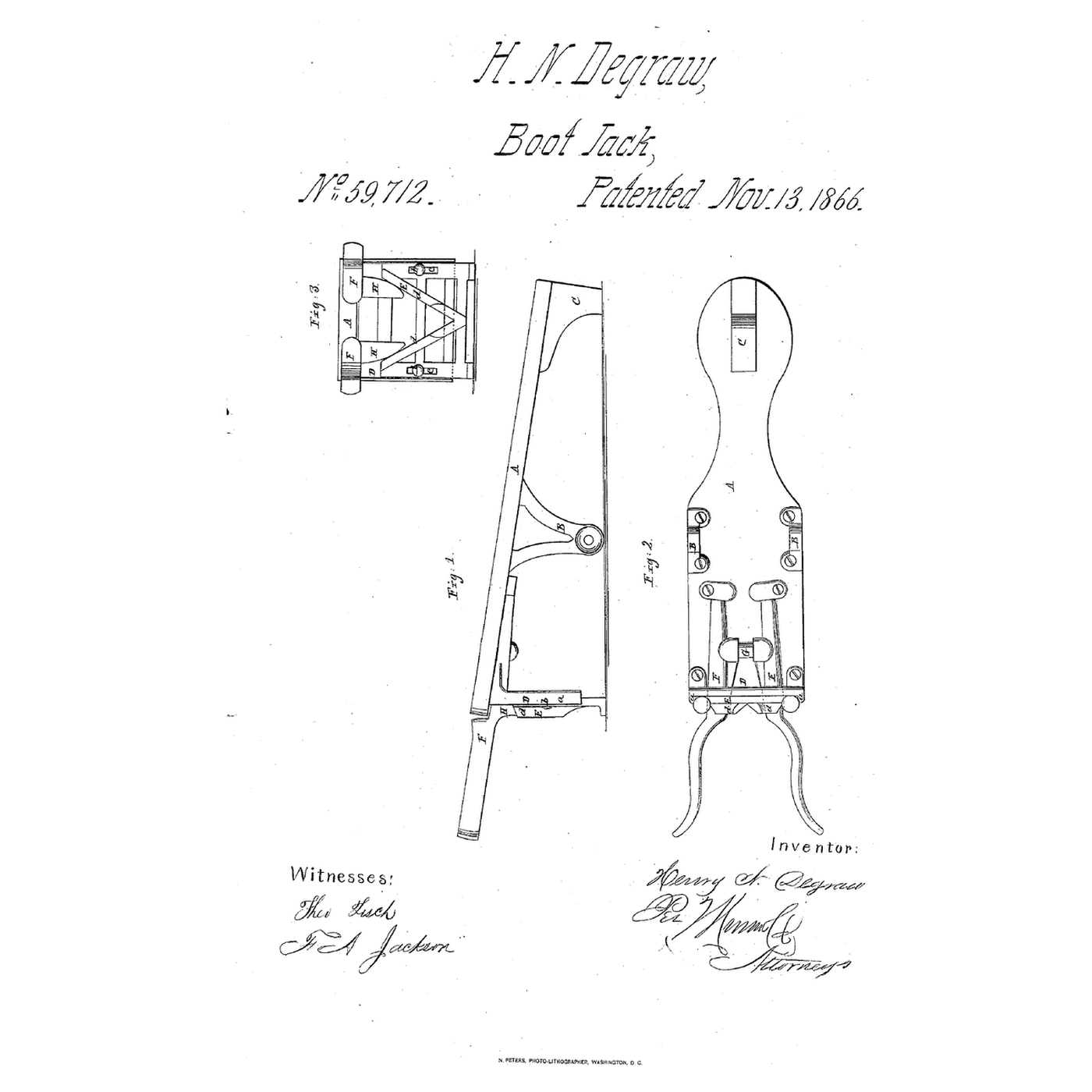


The Boot-Jack: Jaws That Close When You Stand on It
Tall, tight boots are hard to pull off alone. A boot-jack holds the heel of one boot while the other foot stands on it.
Henry N. DeGraw of Newburg, New York, assignor to himself and Henry Wright, received US 59,712, dated 13 November 1866, for a boot-jack whose pivoted jaws "may by the pressure of one foot on the foot-piece be made to grasp the heel of the boot on the other foot, so that said foot may be readily withdrawn therefrom." Pendants on the jaws bear on inclined bars; an india-rubber spring spreads them again when the foot lifts.
This rung works out the squeeze the wedge gives and the pull friction can hold, then builds a wooden model with elastic-band springs.
初学者
About 2 hours
说明
1
1
Wedge squeeze and friction grip
Wedge squeeze and friction grip
正在加载 Jupyter 笔记本…
2
2
A small push, a large squeeze
A small push, a large squeeze
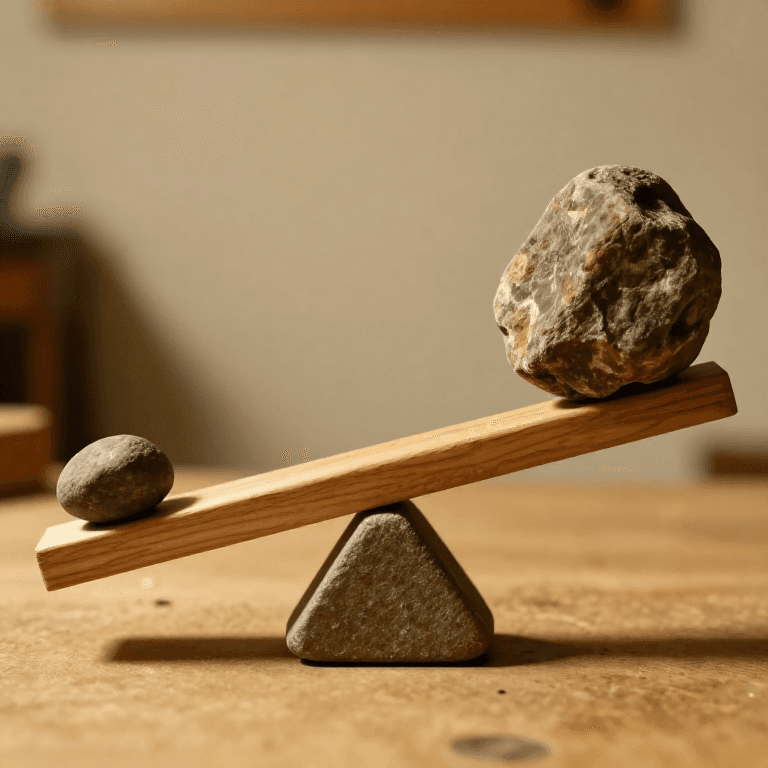
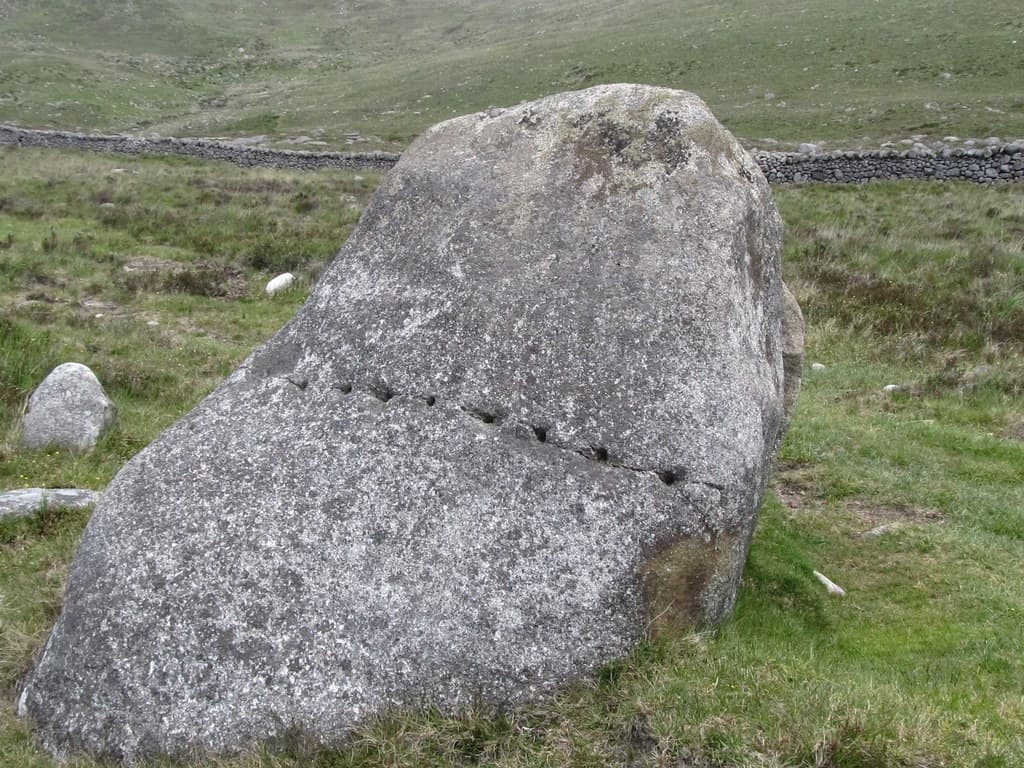
The jack's inclined bars are wedges. The embedded blueprint splits stone with feathers and wedges on the same principle.
3
3
Read US 59,712
Read US 59,712
"This invention relates to a new and improved boot-jack of that class which are provided with movable or pivoted jaws; and it consists in a novel and improved manner of applying the jaws to the foot-piece and arranging certain parts therewith, whereby the jaws may by the pressure of one foot on the foot-piece be made to grasp the heel of the boot on the other foot, so that said foot may be readily withdrawn therefrom."
"The device is used by placing the heel of the boot from which the foot is to be withdrawn between the outer curved parts of the jaws F F, and placing the other foot on the foot-piece A, and pressing upon the latter in a downward and forward direction, so as to force down the frame D and the foot or toe end of the foot piece A, and in consequence of the pendants H of the jaws bearing against the oblique or inclined bars d d of the frame E, the two jaws F F will be pressed toward each other and made to grasp firmly the heel of the boot, so that the foot can be readily drawn from it. On taking the foot from the foot-piece the spring G will distend the jaws F F".
4
4
Build a gripping jack
Build a gripping jack
Cut a pine board about 35 cm long as the foot-piece and screw a short block under its middle so the toe end rises. From plywood cut two curved jaws that meet around a heel; pivot each on a screw under the toe end. Glue two strips in a V under the front, so pressing the board down pushes the jaws' tails along the strips and closes the jaws. Stretch elastic bands between the jaws to spread them.
Try it with a boot: heel in the jaws, other foot on the board. Then hang a bag of known weight from a boot held in the jaws while someone stands on it, adding weight until it slips.
此步骤所需材料:
 松木板1 个
 胶合板1 个
 松紧带4 个
 木螺钉1 个
所需工具:
 钢丝锯(曲线锯)
 充电式电钻
充电式电钻 钻头套装
钻头套装 螺丝刀套装
螺丝刀套装 脱靴器
脱靴器5
5
A boot-jack that slips or will not let go
A boot-jack that slips or will not let go
Boot-jack troubleshooting.
Flow
Loading...
6
6
History and honest limits
History and honest limits
**Henry N. DeGraw** of Newburg, New York, assignor to himself and Henry Wright, received US 59,712, dated 13 November 1866 (no filing date is printed on patents of that period). He notes "quite a large number having been recently manufactured and sold."
**Honest limits.** The patent gives no angles or forces. Body mass, the share pressed forward, bar angles, friction and the pull a boot needs are examples.
相关蓝图
这些蓝图共享知识——技术、材料或原理


CC0 公共领域
此蓝图以 CC0 协议发布。你可以自由复制、修改、分发和使用此作品,无需征得许可。
通过购买蓝图中的产品支持创客,他们将获得 创客佣金 (由供应商设定),或创建此蓝图的新版本并将其作为连接包含在你自己的蓝图中以分享收入。