艺术
美容与健康
工艺
文化与历史
娱乐
环境
食品与饮料
逆向工程
科学
体育
技术
可穿戴设备
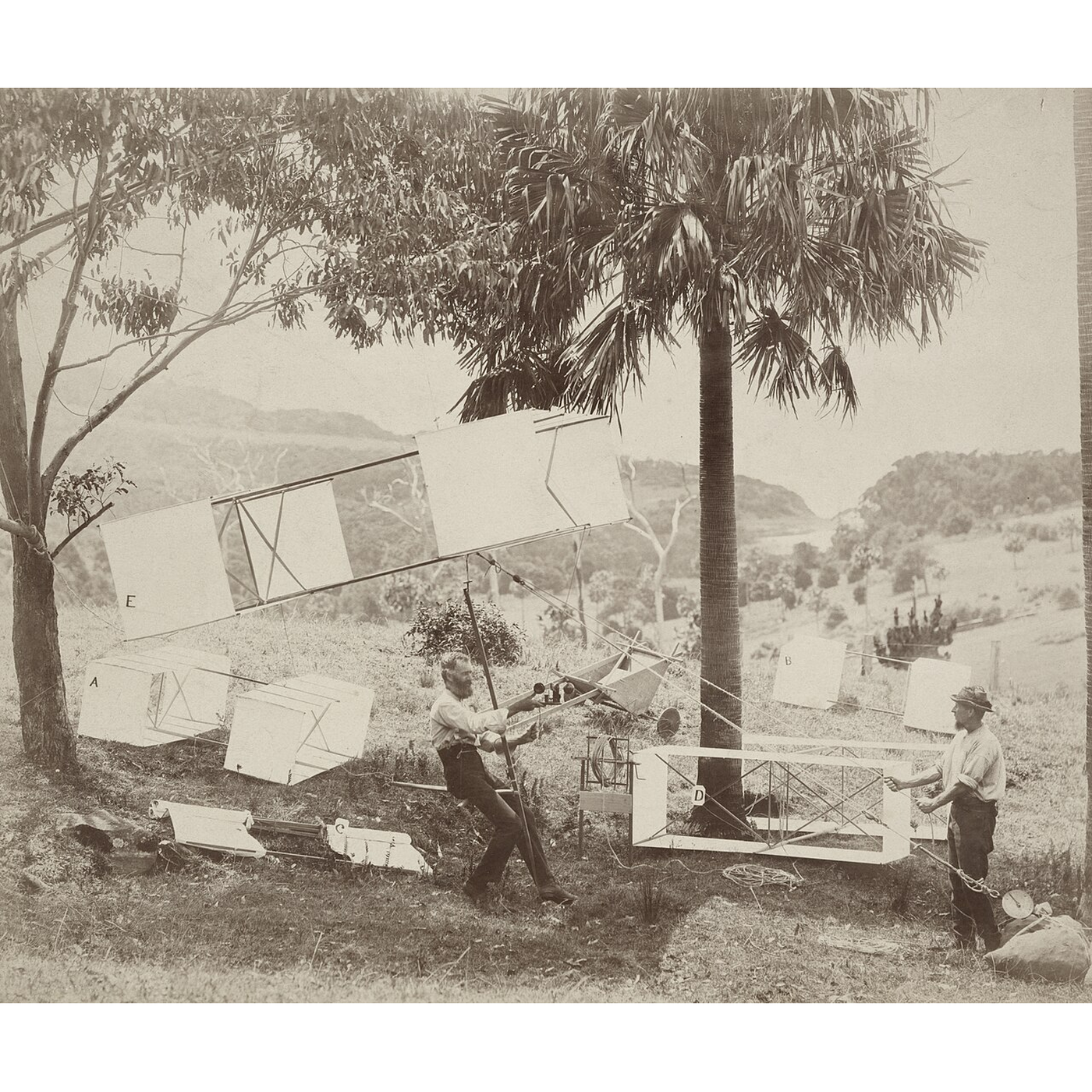


The Box Kite: Two Cells of Cloth That Hold Themselves Steady
Flat kites need a tail to stay steady and fly only in a narrow range of wind. Lawrence Hargrave, an English-born engineer working in Sydney on the problem of flight, built kites of two open boxes of cloth on a light frame in 1893. The horizontal faces lift, the vertical faces keep the kite facing the wind like a weathervane, and it flies steady without a tail.
On 12 November 1894, at Stanwell Park beach, he lifted himself off the ground under a train of four box kites. He published his work freely and took out no patents, believing discoveries should be shared. The box-kite cell shaped the early biplanes.
This rung works out a box kite's lift and the wind it needs, and builds one.
初学者
About 4 hours
说明
1
1
Lift, weight and the wind it needs
Lift, weight and the wind it needs
正在加载 Jupyter 笔记本…
2
2
Where lift was first measured
Where lift was first measured
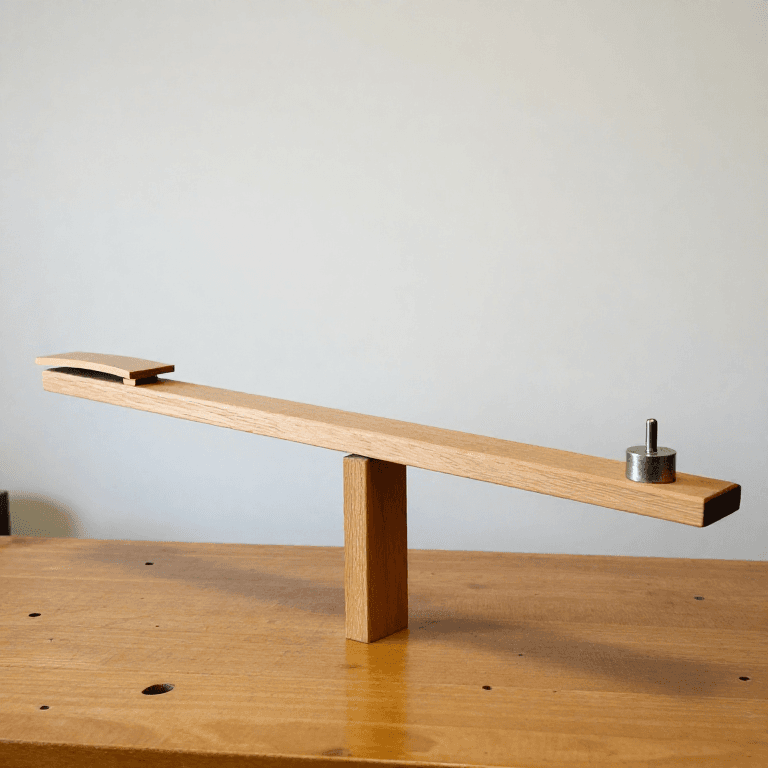
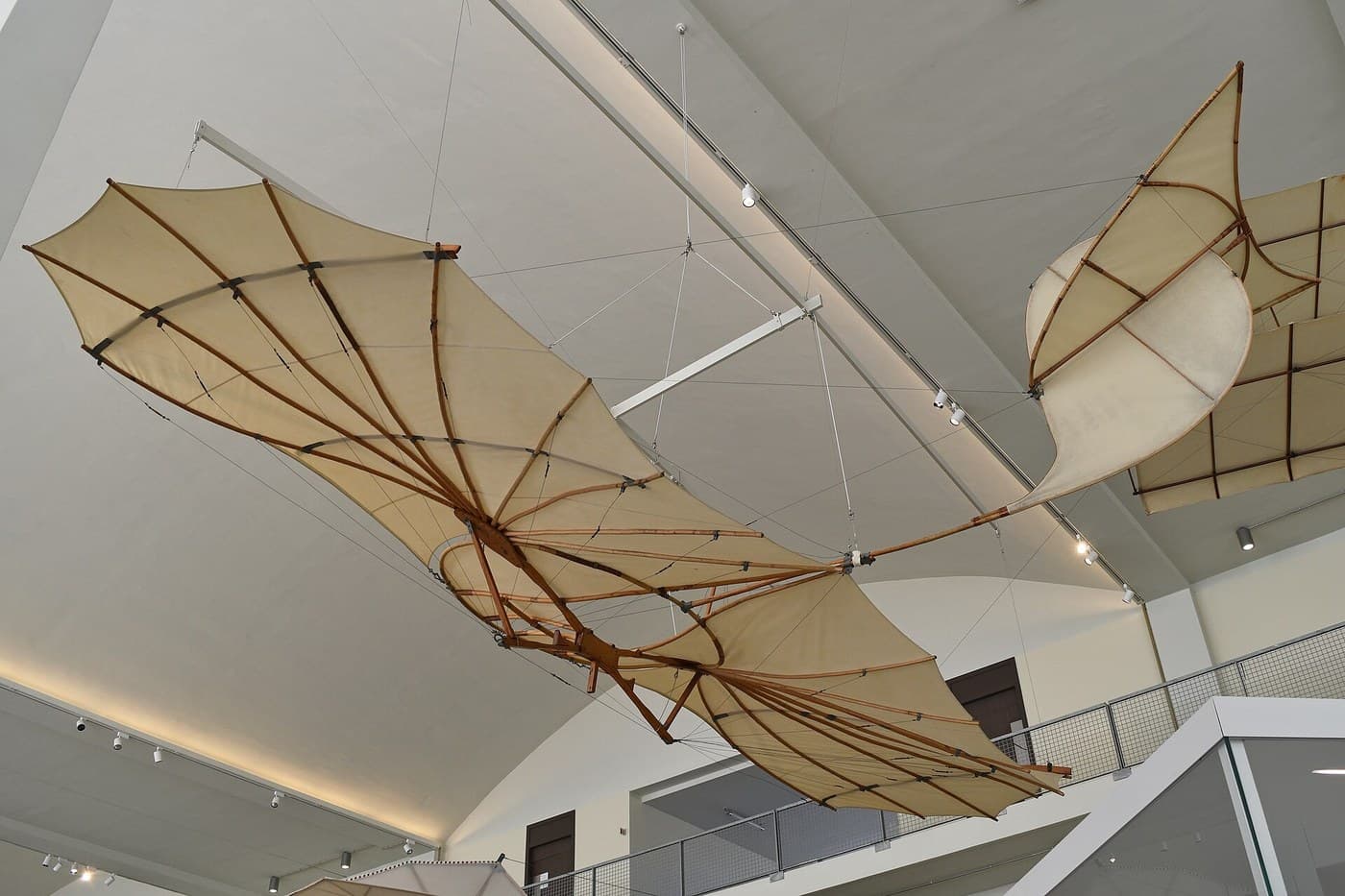
Cayley measured the lift of inclined surfaces on a whirling arm. The embedded blueprint repeats it; a kite is the same surface held on a line.
3
3
Build a Hargrave box kite
Build a Hargrave box kite
Cut four 900 mm pine dowels as longerons and eight 400 mm dowels as cross-spars. Sew two bands of ripstop nylon, each 1600 mm round and 300 mm wide, with a pocket at each corner for a longeron: these are the two cells, set 300 mm apart on the longerons.
Slide the longerons into the corner pockets so the bands form two square tubes. Fit two pairs of cross-spars inside each cell, diagonally, notched at the ends to grip the longerons and tension the cloth.
Tie a bridle to one longeron at the front of the front cell and the front of the rear cell, and tie the flying line to it about a third of the way back from the front. Fly it in open ground well away from power lines and roads.
此步骤所需材料:
 松木圆榫套装1 个
 格子防撕尼龙1 个
 棉质厨用绳1 个
 钓鱼线(单丝)1 个
所需工具:
 缝纫机
缝纫机 直尺
直尺 卷尺
卷尺 热熔胶枪
热熔胶枪4
4
Measure the line pull against the wind
Measure the line pull against the wind
Tie a spring scale into the line near the ground anchor and read the pull at steady flight. At the same time measure the wind speed at head height with a handheld anemometer. Repeat on several days.
Plot line pull against wind speed squared: roughly a straight line, as lift goes with $v^2$. Fit it and work out your kite's $C_L$ from the notebook's formula, using the area of its horizontal faces.
所需工具:
 手持风速仪
手持风速仪 测力计(弹簧秤)
 秒表
秒表5
5
A box kite that will not fly well
A box kite that will not fly well
Box kite problems.
Flow
Loading...
6
6
History and honest limits
History and honest limits
**Lawrence Hargrave** (1850–1915) developed the box kite in Sydney in 1893 and lifted himself under four of them at Stanwell Park on 12 November 1894. He shared his results openly and did not patent them. Early aircraft makers, including those building the first European biplanes, took up the box-kite cell.
**Honest limits.** The lift coefficient in the notebook is an illustrative value; your measurements give your kite's. Man-lifting kites are dangerous and are not something to try.
相关蓝图
这些蓝图共享知识——技术、材料或原理


CC0 公共领域
此蓝图以 CC0 协议发布。你可以自由复制、修改、分发和使用此作品,无需征得许可。
通过购买蓝图中的产品支持创客,他们将获得 创客佣金 (由供应商设定),或创建此蓝图的新版本并将其作为连接包含在你自己的蓝图中以分享收入。