艺术
美容与健康
工艺
文化与历史
娱乐
环境
食品与饮料
逆向工程
科学
体育
技术
可穿戴设备
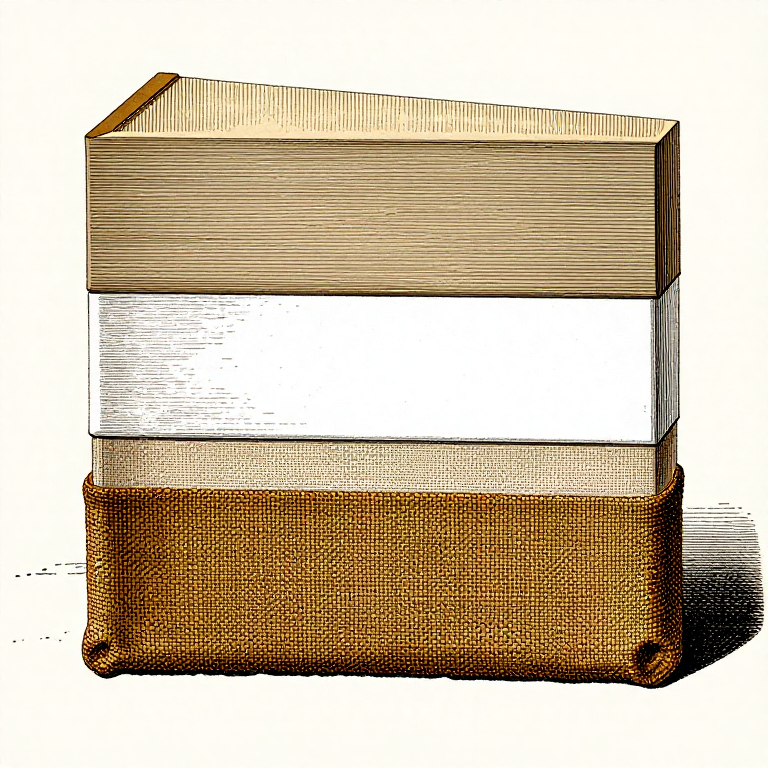
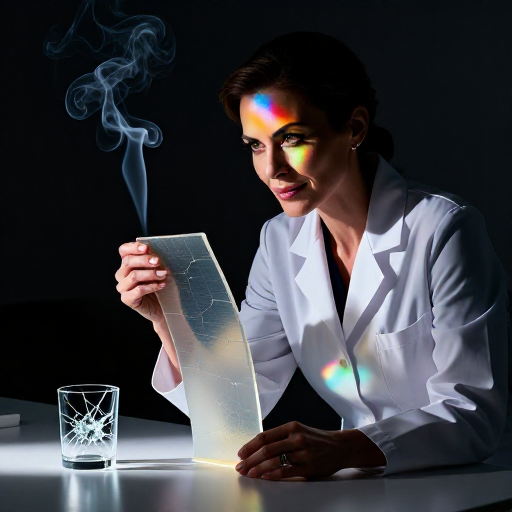

The Ground: Paint Needs Something to Hold On To, and Not Sink Into
Paint applied straight onto bare canvas or wood does two bad things at once: the binder soaks into the support, leaving the pigment under-bound on the surface, and the acid in the oil attacks the fibres underneath.
A GROUND sits between them. It seals the support so the binder stays where it belongs, gives the paint a surface with enough tooth to grip, and provides a consistent colour and absorbency to work on.
Traditional grounds are two layers doing two jobs: a SIZE that seals, then a GROUND that provides the working surface. Modern acrylic gesso tries to do both at once, which works and is a compromise worth understanding rather than assuming.
中级
3 hours
说明
1
1
Size first: seal the fibres
Size first: seal the fibres
Size is a thin glue layer applied to bare canvas or panel. Its only job is to stop what comes next soaking in, and to protect the fibres from the oil.
Traditional size is animal glue — rabbit skin glue — applied warm and thin. It works beautifully and it has one serious flaw: it absorbs and releases moisture with the weather, so it swells and shrinks for ever, and that movement is transmitted to every layer above.
Modern practice often uses an acrylic medium or PVA size instead, which does not respond to humidity. That is a genuine improvement, and it is why a 400-year-old painting and a modern one crack in different patterns.
此步骤所需材料:
 画布(绷于内框)1 个
 水1 升
水1 升所需工具:
 画笔套装
画笔套装 玻璃烧杯
玻璃烧杯 精密天平
精密天平2
2
Ground second: colour, tooth and absorbency
Ground second: colour, tooth and absorbency
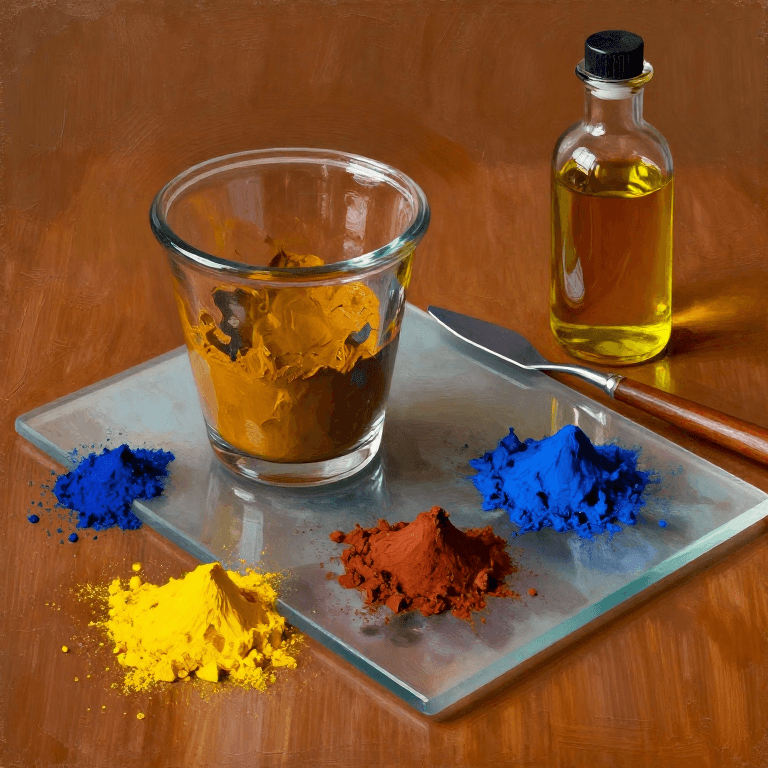
The ground is the surface you actually paint on, and it has three properties worth choosing deliberately. Its COLOUR shows through thin paint and affects every mixture laid over it — which is why a toned ground is a technique rather than a shortcut.
Its TOOTH is the microscopic roughness that gives the paint something to key into. A ground sanded perfectly smooth has very little, and paint on it can be scraped off years later with a fingernail.
Its ABSORBENCY decides how much binder the ground takes from the first paint layer. A very absorbent ground makes that layer lean and matt — which is useful deliberately, and a problem if it was not intended.
此步骤所需材料:
画布(绷于内框)1 个 土质颜料粉套装1 个
所需工具:
画笔套装 直尺
直尺 放大目镜
放大目镜3
3
Traditional gesso is not acrylic gesso
Traditional gesso is not acrylic gesso
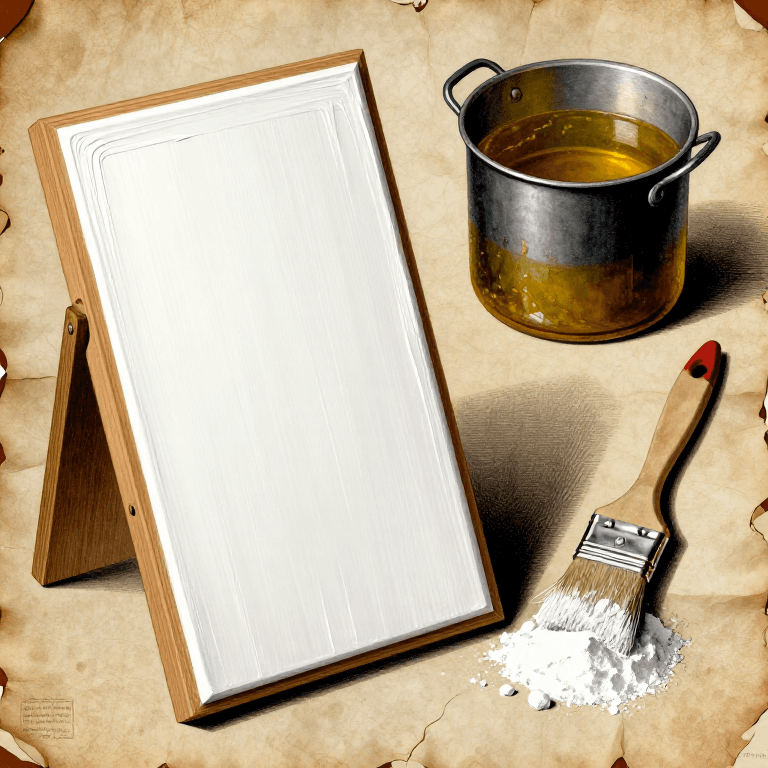
TRUE GESSO is chalk or gypsum in animal glue. It dries brittle, sands to a glass-smooth surface, and is used on rigid panels only — flexed on canvas it cracks immediately.
ACRYLIC 'gesso' shares the name and almost nothing else. It is titanium white and filler in acrylic dispersion: flexible, water-resistant, usable on canvas, and much less absorbent. It cannot be sanded to the same polish and it does not take egg tempera well.
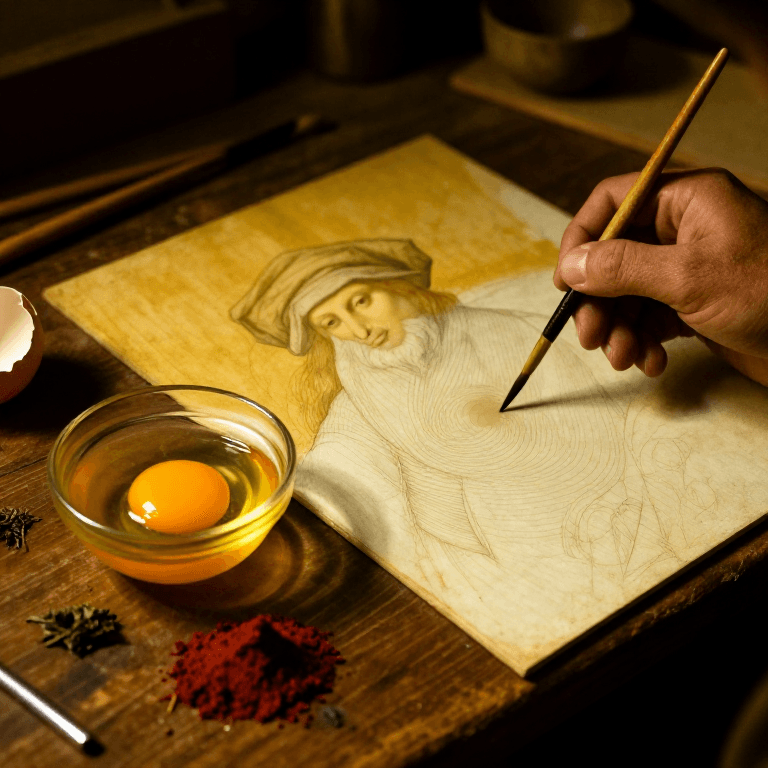
So the choice follows the support and the medium. A rigid panel for tempera or gilding wants true gesso; a stretched canvas for oil or acrylic wants the acrylic kind. Putting true gesso on canvas is a known and avoidable failure.
此步骤所需材料:
 硬木板1 个画布(绷于内框)1 个
所需工具:
画笔套装直尺放大目镜4
4
Match the layers, or build in a failure
Match the layers, or build in a failure
Every layer in the stack expands, contracts and flexes at its own rate. Where two neighbouring layers differ a lot, the interface between them is where the painting will fail — which is the same mismatch argument as glaze fit on a pot and wood movement in a joint.
The rule that follows: each layer should be no more rigid than the one beneath it. A brittle ground on a flexible support, or a hard fast-drying paint over a soft one, is a crack scheduled for later.
Oil paint over acrylic ground is fine and standard. Acrylic over dried OIL is not: acrylic does not bond to an oily surface and will eventually peel off in sheets. That one is worth remembering as an absolute.
此步骤所需材料:
画布(绷于内框)1 个 亚麻籽油1 个
所需工具:
画笔套装放大目镜相关蓝图
这些蓝图共享知识——技术、材料或原理

CC0 公共领域
此蓝图以 CC0 协议发布。你可以自由复制、修改、分发和使用此作品,无需征得许可。
通过购买蓝图中的产品支持创客,他们将获得 创客佣金 (由供应商设定),或创建此蓝图的新版本并将其作为连接包含在你自己的蓝图中以分享收入。