合作
艺术
美容与健康
工艺
文化与历史
娱乐
环境
食品与饮料
逆向工程
科学
体育
技术
可穿戴设备
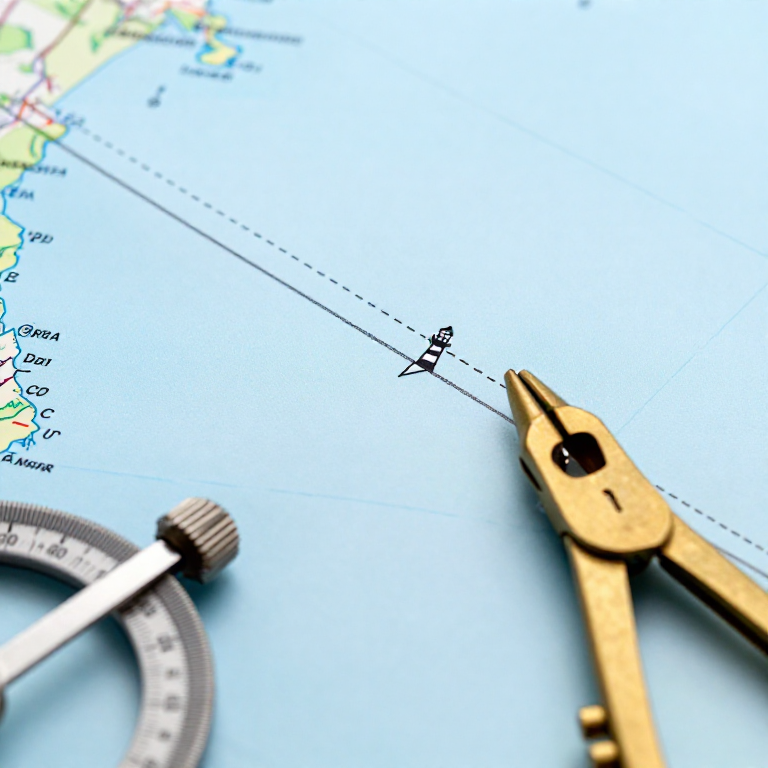


The Running Fix: A Position from One Object
Two landmarks give you a position immediately: take a bearing on each, draw both lines, and you are where they cross. Along most coasts, most of the time, you can only see one.
The running fix solves it with time. Take a bearing on the single object, run on for a known course and distance, and take a second bearing on the SAME object. Then transfer the first bearing line forward by exactly the distance and direction you ran, and where the transferred line crosses the second bearing is your position.
It is dead reckoning and observation working together, and it inherits the weaknesses of both — the transfer is only as good as your run, so a running fix is never quite as trustworthy as a proper fix. Knowing by how much, and in which direction, is what makes it safe to use.
中级
1 day
说明
1
1
Choose an object you can identify beyond doubt
Choose an object you can identify beyond doubt
A lighthouse, a church spire, a distinctive headland — something charted, unmistakable, and still visible after the run.
The commonest catastrophic error in coastal navigation is a confidently taken bearing on the wrong object: two similar headlands, two chimneys, a light misidentified at night. Check the characteristic of a light before trusting it, and if there is any doubt at all, say so in the log and treat the fix as an estimate.
所需工具:
 双筒望远镜
2
2
Take the first bearing and note the time and log
Take the first bearing and note the time and log
Sight the object, read the bearing, and write it down with the exact time and the log reading in the same breath.
The three belong together, because the transfer depends on knowing precisely how far you ran between the two bearings. A bearing without its time is not usable in a running fix at all. Take three readings and average them if the boat is moving about — a bearing taken from a lurching deck can easily be five degrees out.
所需工具:
 指南针
 秒表
3
3
Run on, and change the geometry
Run on, and change the geometry
Hold a steady course and speed, and wait until the bearing has changed by at least thirty degrees — sixty is better.
The two lines must cross at a decent angle or the fix is worthless: at a shallow crossing, a small bearing error slides the intersection a long way along the lines. This is the same angle-of-cut problem as the plane table rung, and it has the same answer — be patient, and let the geometry improve before taking the second sight.
所需工具:
指南针秒表4
4
Transfer the first line by the run made good
Transfer the first line by the run made good
Draw the first bearing. Then from any point on it, lay off the course and distance actually run — including the tidal stream — and draw a new line parallel to the first through that point. Label it as transferred, with both times.
The transfer must use the ground track, not the water track. Ignoring the stream here is the commonest way a running fix comes out wrong, and it fails in the direction of the stream, which near a headland is exactly where you least want to be pushed.
此步骤所需材料:
 坐标纸10 个
所需工具:
 量角器
 直尺
5
5
How good is the fix, and the special cases worth knowing
How good is the fix, and the special cases worth knowing
正在加载 Jupyter 笔记本…
所需工具:
量角器6
6
Label it as a running fix, and treat it as one
Label it as a running fix, and treat it as one
Mark the position 'R Fix' with the time, not 'Fix'. On a chart they look identical and they are not equally trustworthy.
The convention exists so that whoever reads the chart — including you, later — knows how much weight to give it. When a running fix disagrees with the depth sounder, believe the sounder. When it disagrees with a two-object fix, believe the fix.
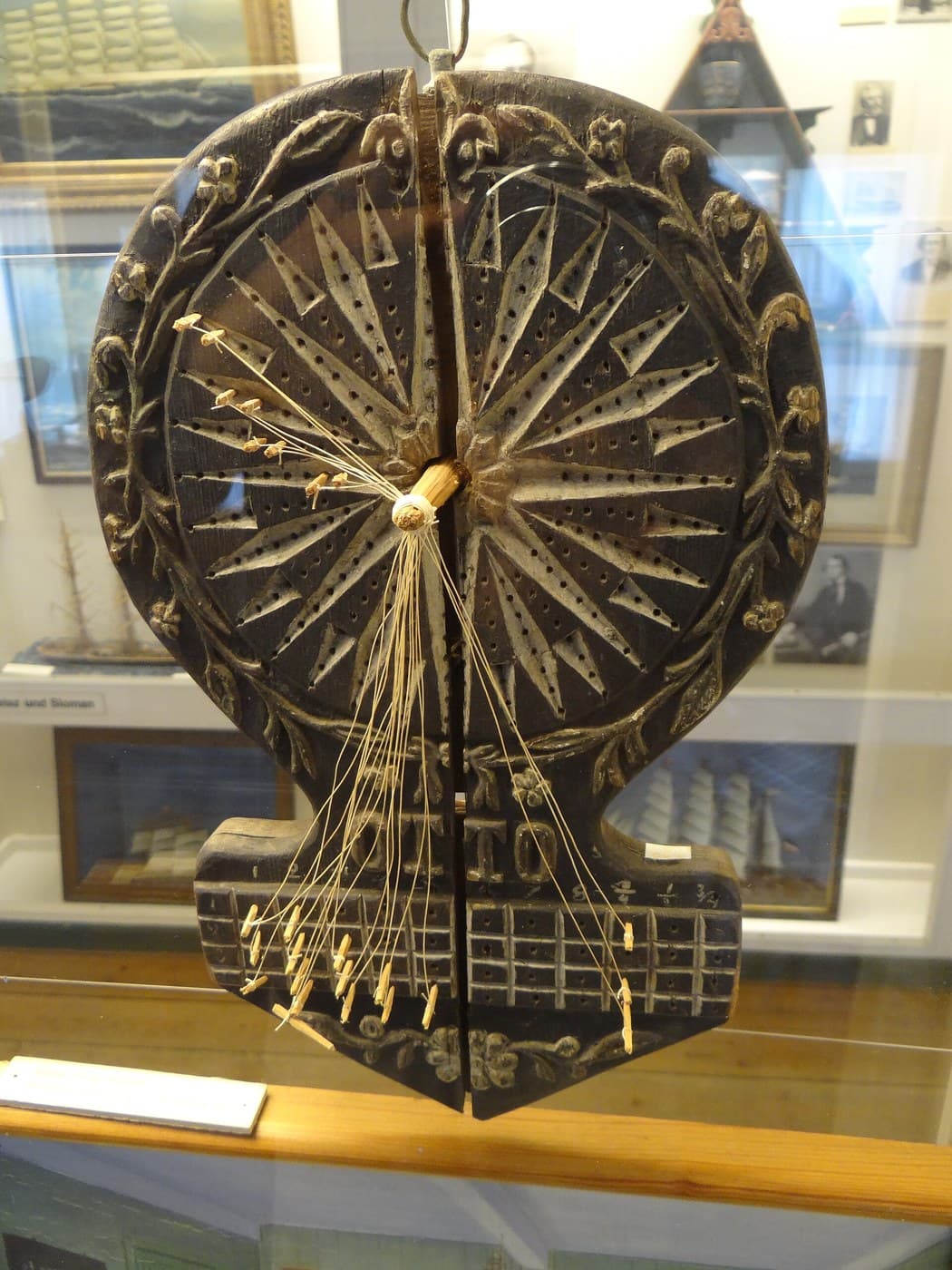
相关蓝图
这些蓝图共享知识——技术、材料或原理




CC0 公共领域
此蓝图以 CC0 协议发布。你可以自由复制、修改、分发和使用此作品,无需征得许可。
通过购买蓝图中的产品支持创客,他们将获得 创客佣金 (由供应商设定),或创建此蓝图的新版本并将其作为连接包含在你自己的蓝图中以分享收入。