艺术
美容与健康
工艺
文化与历史
娱乐
环境
食品与饮料
逆向工程
科学
体育
技术
可穿戴设备
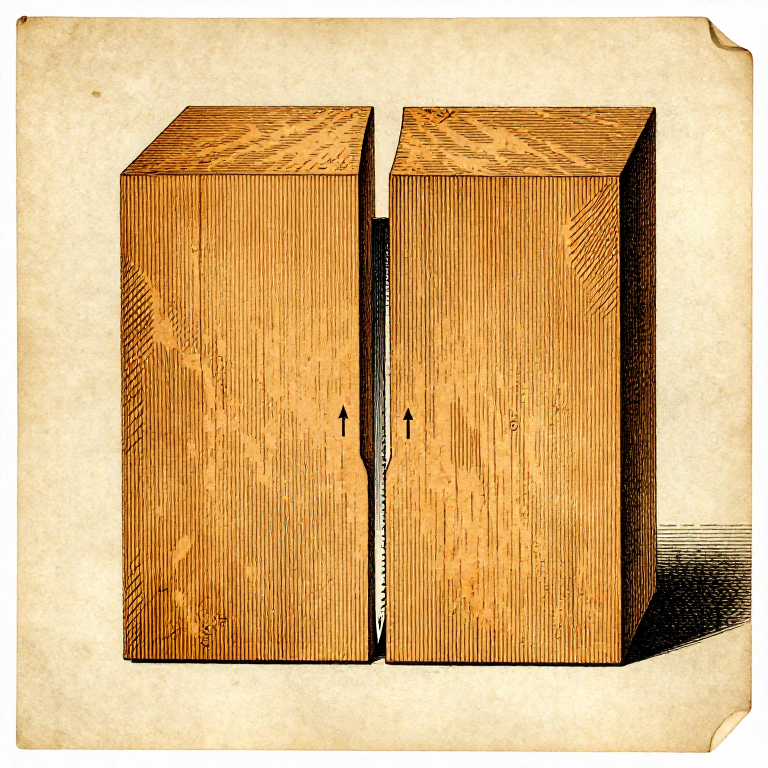


The Tooth and the Kerf: Why a Saw Cuts a Slot Wider Than Itself
A saw does not cut a line. It cuts a SLOT — the kerf — and that slot has to be wider than the blade, or the blade jams in its own cut.
Everything else follows. The teeth are bent alternately left and right, which is called SET, and the set is what makes the kerf wide. Too little and the saw binds; too much and it wanders, wastes wood and takes far more effort. It also means every cut loses a millimetre or two of material, which matters when you are cutting several pieces from one board.
331 published blueprints on Youblob list a saw among their tools, and until now not one explained how to use it. This is the first of eight rungs.
初学者
2 hours
说明
1
1
Sight down the teeth and see the set
Sight down the teeth and see the set
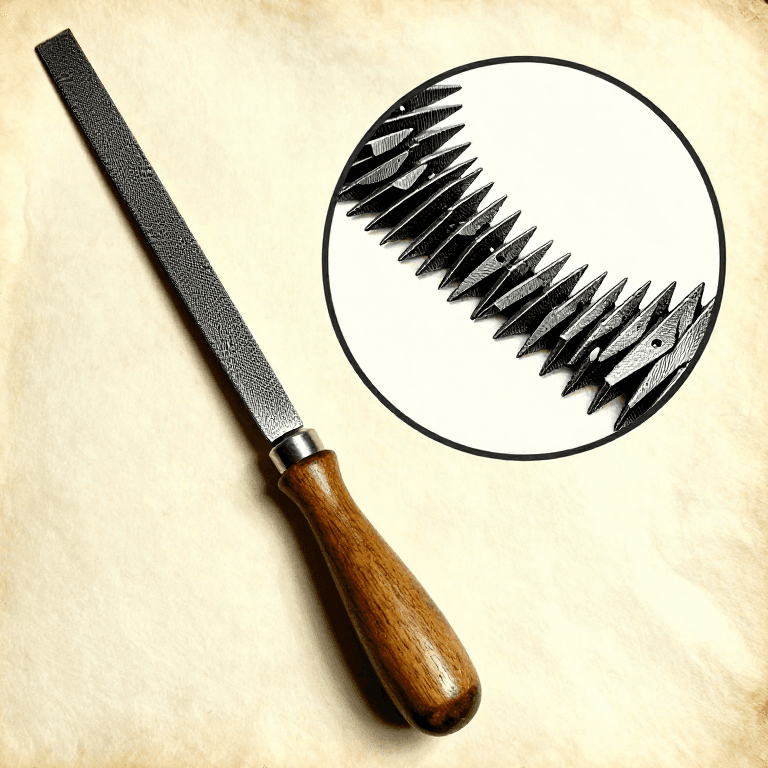
Hold a hand saw with the teeth pointing away from you and sight straight down the line of them, like looking down a rifle. The teeth are not in a single line — they zigzag, one leaning left, the next right.
Now look at the blade from the side. The body of the blade is thinner than the width that zigzag spans. That difference is the whole reason a saw works: the teeth cut a slot wider than the steel behind them, so the steel runs free.
A blade with no set at all will cut for a centimetre and then seize solid, because the wood closes on it. The exceptions prove the point: a Japanese pull saw has very little set and gets away with it because it cuts on the PULL, so the blade is in tension and cannot buckle.
所需工具:
 手锯
 日式拉锯
 放大目镜
2
2
Count the teeth: TPI decides speed against finish
Count the teeth: TPI decides speed against finish
Lay a rule on the blade and count the teeth in one inch. A coarse rip saw has four or five; a tenon saw has fourteen; a hacksaw blade for thin tube has thirty-two.
Fewer, bigger teeth each take a bigger bite, so the saw cuts fast and leaves a rough edge. More, smaller teeth cut slowly and leave a clean one. There is no setting that is simply better — the choice is the same speed-against-finish trade the sharpening grit progression makes, and for the same reason.
The other thing TPI decides is what the saw can cut at all, which the hacksaw rung takes up: too few teeth for the material's thickness and the teeth straddle it, catch, and snap off.
所需工具:
手锯 夹背锯
 钢锯
 直尺规
3
3
What the kerf costs you
What the kerf costs you
正在加载 Jupyter 笔记本…
所需工具:
 计算器
 游标卡尺
4
4
The kerf has a side, and you must choose it
The kerf has a side, and you must choose it
Because the kerf has width, the blade must run entirely on the WASTE side of your line. Cut down the middle of the line and the piece ends up half a kerf short.
Decide which side is waste before the saw touches the wood, and mark it — a scribble of pencil on the offcut side takes a second and is unambiguous. On a cutting list where several pieces come from one board, the waste side alternates, and this is exactly where people lose a piece.
The disciplined version is to leave the line visible on the piece you are keeping. That is the same rule as filing to a line, and for the same reason: material can come off afterwards, and it cannot go back on.
此步骤所需材料:
 干燥软木板1 个
所需工具:
 固定角尺手锯
相关蓝图
这些蓝图共享知识——技术、材料或原理
CC0 公共领域
此蓝图以 CC0 协议发布。你可以自由复制、修改、分发和使用此作品,无需征得许可。
通过购买蓝图中的产品支持创客,他们将获得 创客佣金 (由供应商设定),或创建此蓝图的新版本并将其作为连接包含在你自己的蓝图中以分享收入。