KUNST
SCHÖNHEIT & WELLNESS
HANDWERK
KULTUR & GESCHICHTE
UNTERHALTUNG
UMFELD
ESSEN & GETRÄNKE
REVERSE ENGINEERING
WISSENSCHAFTEN
SPORT
TECHNOLOGIE
WEARABLES
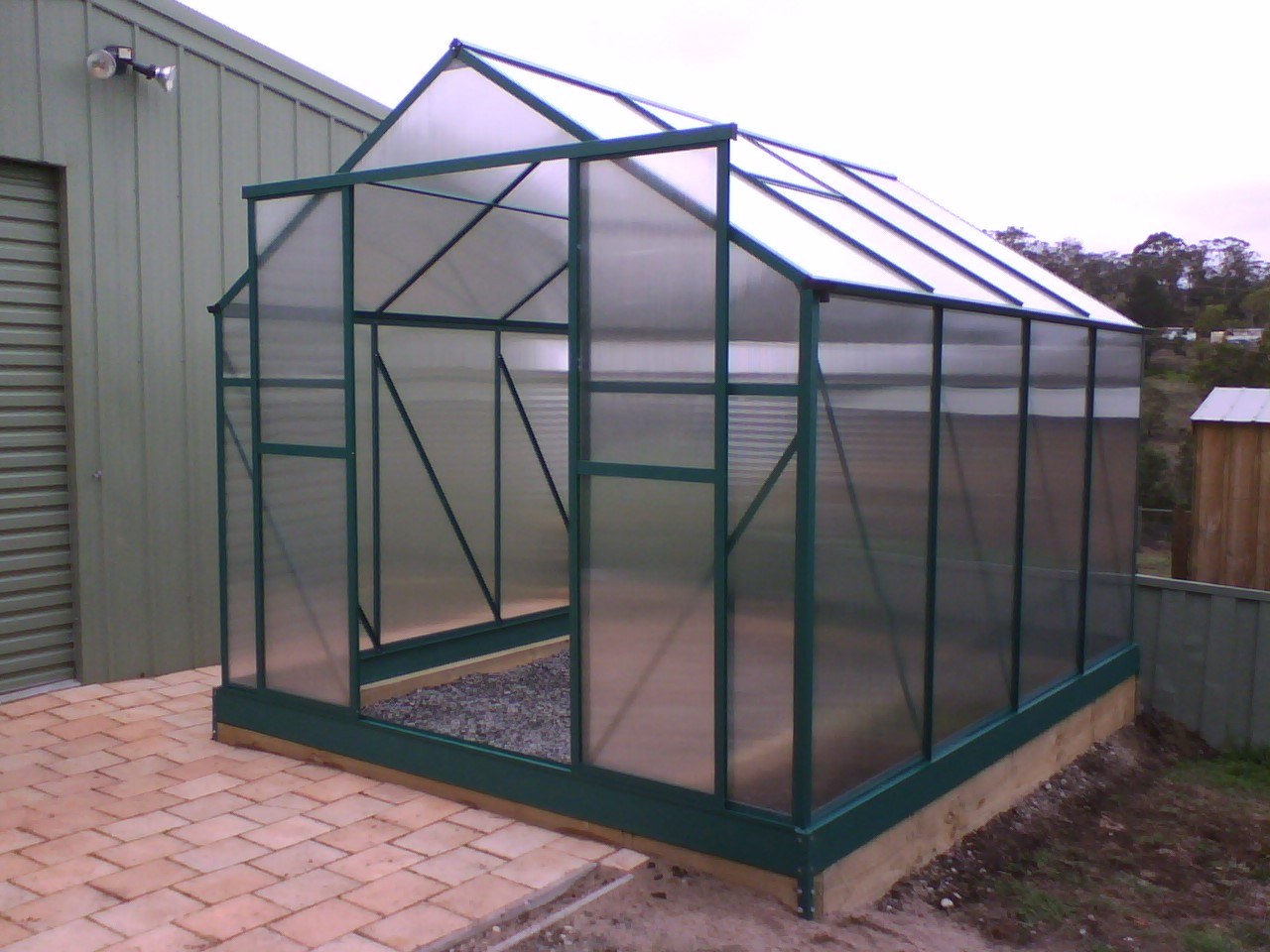


Polycarbonate
In 1953 Hermann Schnell at Bayer joined bisphenol A into long chains through carbonate links and got a clear plastic of remarkable toughness. Daniel Fox at General Electric reached the same material independently the same year, and both companies were selling it by around 1960.
**US 3,028,365**, "Thermoplastic aromatic polycarbonates and their manufacture", Schnell, Bottenbruch and Krimm, assigned to Bayer, filed 12. October 1954, granted 3. April 1962, claims "a high molecular weight, thermoplastic polycarbonate having a melting point of at least about 135°C", made from bisphenol A among a wider family.
**The classic route uses phosgene, a war gas.** You build a drop-weight rig and find the energy that cracks acrylic - then drop the same on polycarbonate.
Anfänger
2 hours
Anweisungen
1
1
The specimen table
The specimen table
Cut a 300 x 300 mm plywood board and bore a 100 mm hole in its centre with the hole saw. Rest it on two blocks so the hole is open underneath.
Materialien für diesen Schritt:
 Sperrholzplatte1 Stück
Benötigte Werkzeuge:
 Handsäge
 Lochsägen-Set
 Akkubohrschrauber
2
2
The drop tube
The drop tube
Take 2 m of 32 mm PVC pipe. Mark heights from the bottom every 100 mm and drill a 3 mm hole straight through at each mark. A nail through a hole holds the ball; pulling it drops the ball from that height.
Materialien für diesen Schritt:
 PVC-Rohr2 Meter
 Nägel1 Stück
Benötigte Werkzeuge:
 Bandmaß (Rollmeter)
 Lackmarker-SetAkkubohrschrauber
 Bohrersatz
3
3
Stand it plumb
Stand it plumb
Clamp the tube to a post or bench leg with pipe clamps, its bottom 10 mm above the hole's centre. Check it with the plumb bob in two directions.
Benötigte Werkzeuge:
 Rohrzwinge
 Senklot
4
4
Clamp a sheet
Clamp a sheet
Cut 150 x 150 mm squares of 3 mm acrylic and 3 mm polycarbonate. Leave the protective film on. Clamp one over the hole at all four corners.
Benötigte Werkzeuge:
 Schraubzwinge in C-Form
 Klare Schutzbrille
 Acrylplatte
 Polycarbonat-Platte (klar)
5
5
Climb the ladder
Climb the ladder
Glasses on. Weigh the 25 mm ball. Drop it from 100 mm, then 200 mm, and so on, on a fresh spot each time, until the acrylic cracks. Record that height. If it survives the top hole, repeat with the 1 kg weight as in the next step.
Benötigte Werkzeuge:
 Stahlkugellager
 Digitale PräzisionswaageKlare Schutzbrille
6
6
Same on polycarbonate
Same on polycarbonate
Repeat the whole ladder on polycarbonate. If it survives the top hole, tape the 1 kg weight to a rounded bolt head and drop that from 1.8 m outside the tube, hands clear.
Benötigte Werkzeuge:
 GewichtKlare Schutzbrille
7
7
Energy at failure
Energy at failure
Jupyter-Notebook wird geladen …
8
8
History & Context
History & Context
**What the patent specifies:** high-molecular aromatic polycarbonates from dihydroxy compounds such as bisphenol A, melting at 135 °C or more. **Modern build (derived):** extruded clear polycarbonate sheet.
It went into safety glasses, riot shields, machine guards, bottles and later CDs. Its limits: it scratches easily, yellows in sunlight without a UV coat, is attacked by some solvents, and bisphenol A leaching from food containers made many makers switch those to other plastics.
Materialien
3- 1 StückPlatzhalter
- 2 MeterPlatzhalter
- 1 StückPlatzhalter
Benötigte Werkzeuge
15- Platzhalter
- Platzhalter
- 1 vendor sell this, none ship to you yetPlatzhalter
- 1 vendor sell this, none ship to you yetPlatzhalter
- Platzhalter
- Platzhalter
- Platzhalter
- Platzhalter
- Platzhalter
- Platzhalter
- Platzhalter
- Platzhalter
- Platzhalter
- Platzhalter
- Platzhalter
Verwandte Blueprints
Diese Blueprints teilen Wissen — Techniken, Materialien oder Prinzipien

CC0 Gemeinfrei
Dieser Blueprint ist unter CC0 veröffentlicht. Sie dürfen dieses Werk für jeden Zweck frei kopieren, ändern, verbreiten und verwenden, ohne um Erlaubnis zu fragen.
Unterstützen Sie den Maker, indem Sie Produkte über seinen Blueprint kaufen, wo er eine Maker-Provision von Anbietern festgelegt, verdient. Oder erstellen Sie eine neue Iteration dieses Blueprints und verbinden Sie ihn in Ihrem eigenen Blueprint, um Einnahmen zu teilen.