KUNST
SCHÖNHEIT & WELLNESS
HANDWERK
KULTUR & GESCHICHTE
UNTERHALTUNG
UMFELD
ESSEN & GETRÄNKE
REVERSE ENGINEERING
WISSENSCHAFTEN
SPORT
TECHNOLOGIE
WEARABLES
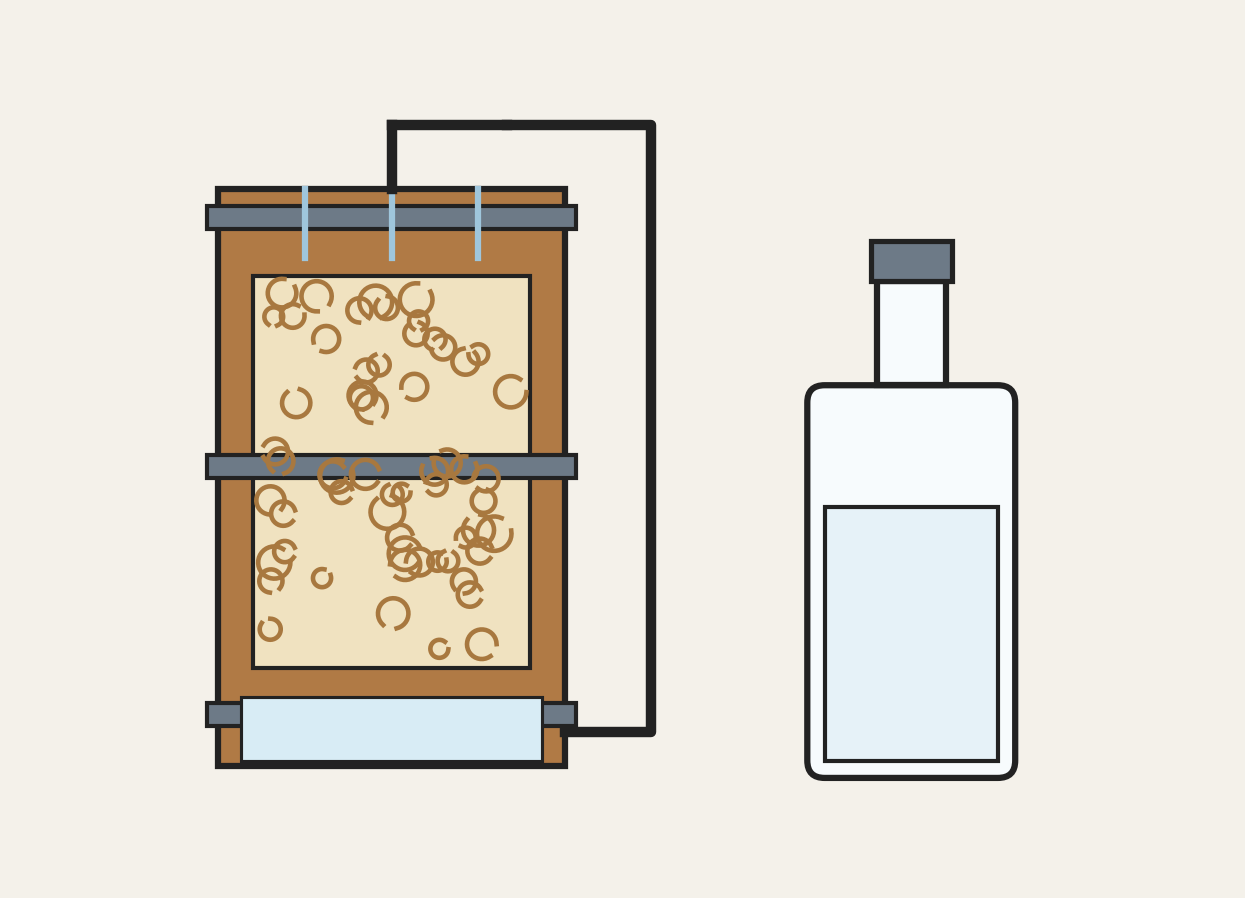


Distilled White Vinegar in a Packed Generator
"Distilled" white vinegar is not distilled vinegar: it is vinegar fermented from distilled alcohol. Sugar is first fermented to alcohol and distilled; acetic acid bacteria then turn the alcohol into acetic acid. In 1823 Karl Sebastian Schüzenbach in Baden built the packed generator, which circulates the alcohol over beechwood shavings and cut the fermentation from months to one or two weeks; it made vinegar from pure alcohol practical. The finished vinegar is diluted to a colourless 5–8% acetic acid in water, pH about 2.6, used in cooking, pickling and cleaning.
Fortgeschritten
1–2 weeks
Anweisungen
1
1
Charge the generator
Charge the generator
Pack the generator with beechwood shavings and start it with mother of vinegar, the culture of acetic acid bacteria.
Materialien für diesen Schritt:
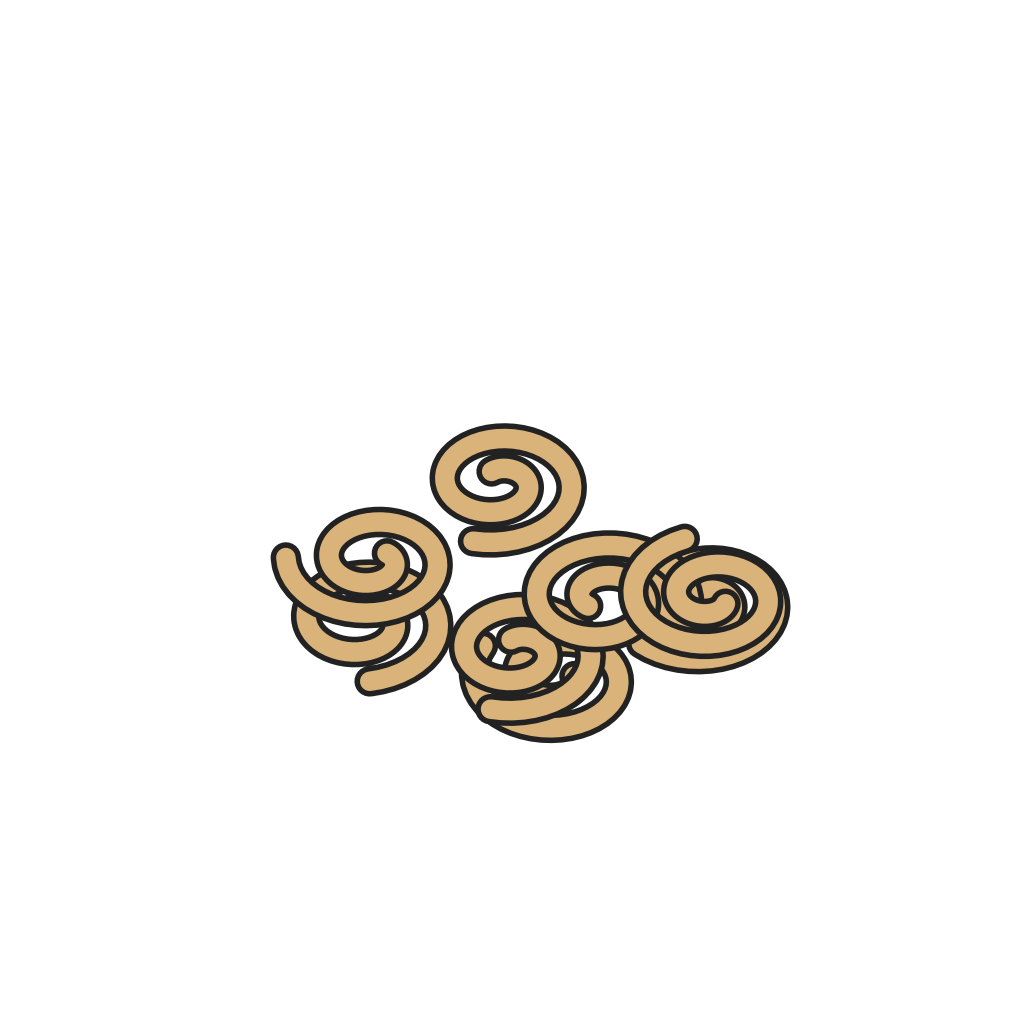 Buchenholzspäne1 as required
 Essigmutter1 as required
Benötigte Werkzeuge:
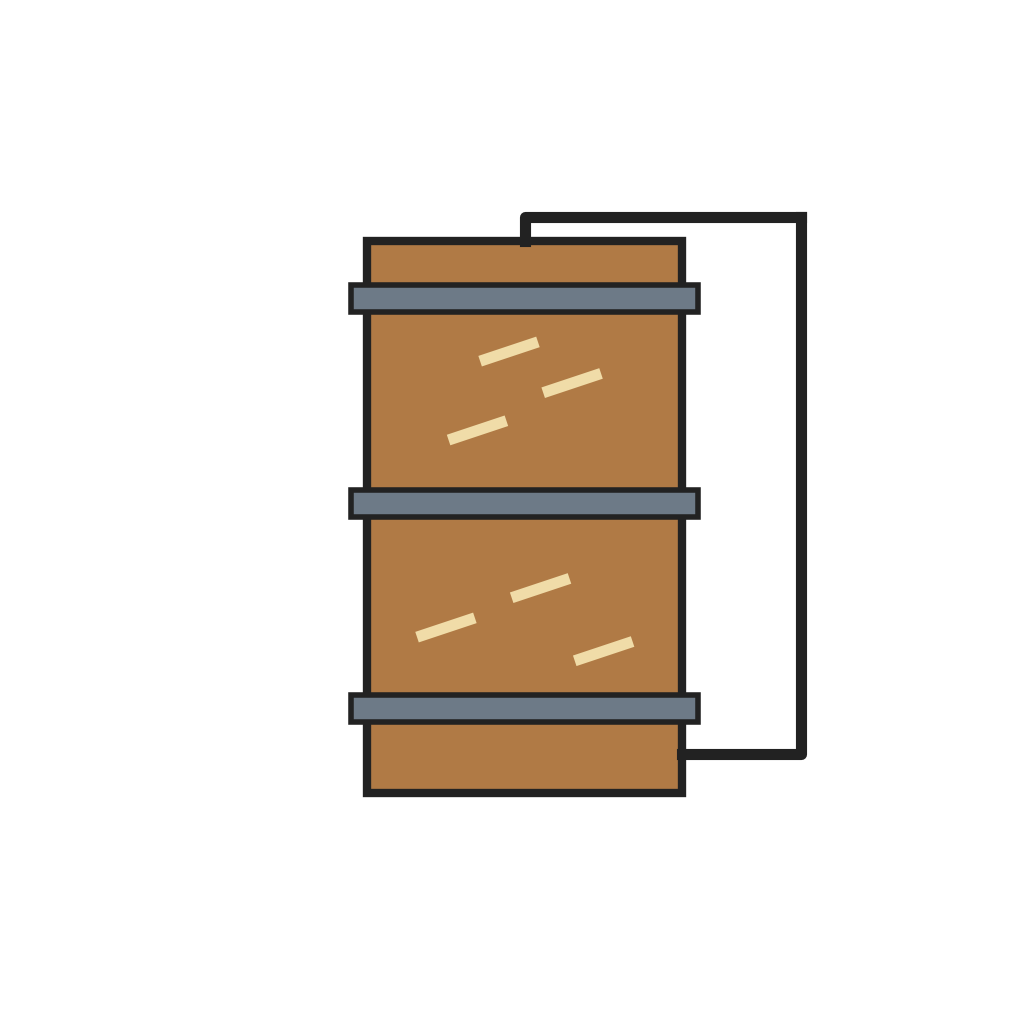 Essigbildner
2
2
Circulate the alcohol
Circulate the alcohol
Circulate distilled alcohol over the shavings with air reaching it. The bacteria turn the alcohol into acetic acid in about one to two weeks, instead of the months a still vat takes.
Materialien für diesen Schritt:
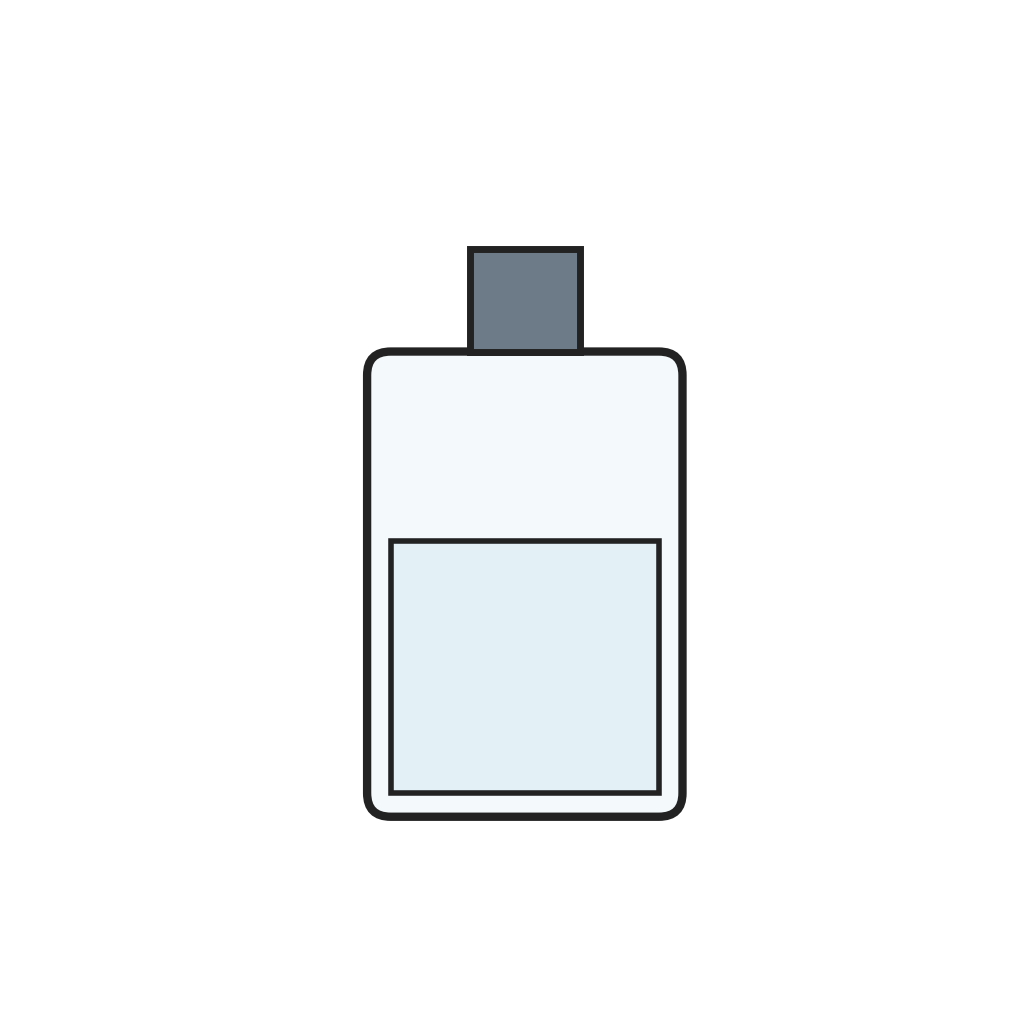 Branntwein (destillierter Alkohol)1 as required
Benötigte Werkzeuge:
Essigbildner3
3
Dilute
Dilute
Dilute the vinegar with water to a colourless solution of 5–8% acetic acid, pH about 2.6.
Materialien für diesen Schritt:
 Wasser1 as required
Materialien
4- 1 as requiredPlatzhalter
- 1 as requiredPlatzhalter
- 1 as requiredPlatzhalter
- 1 as requiredPlatzhalter
Benötigte Werkzeuge
1- Platzhalter
Dieser Bauplan stellt her
Verwandte Blueprints
Diese Blueprints teilen Wissen — Techniken, Materialien oder Prinzipien


CC0 Gemeinfrei
Dieser Blueprint ist unter CC0 veröffentlicht. Sie dürfen dieses Werk für jeden Zweck frei kopieren, ändern, verbreiten und verwenden, ohne um Erlaubnis zu fragen.
Unterstützen Sie den Maker, indem Sie Produkte über seinen Blueprint kaufen, wo er eine Maker-Provision von Anbietern festgelegt, verdient. Oder erstellen Sie eine neue Iteration dieses Blueprints und verbinden Sie ihn in Ihrem eigenen Blueprint, um Einnahmen zu teilen.