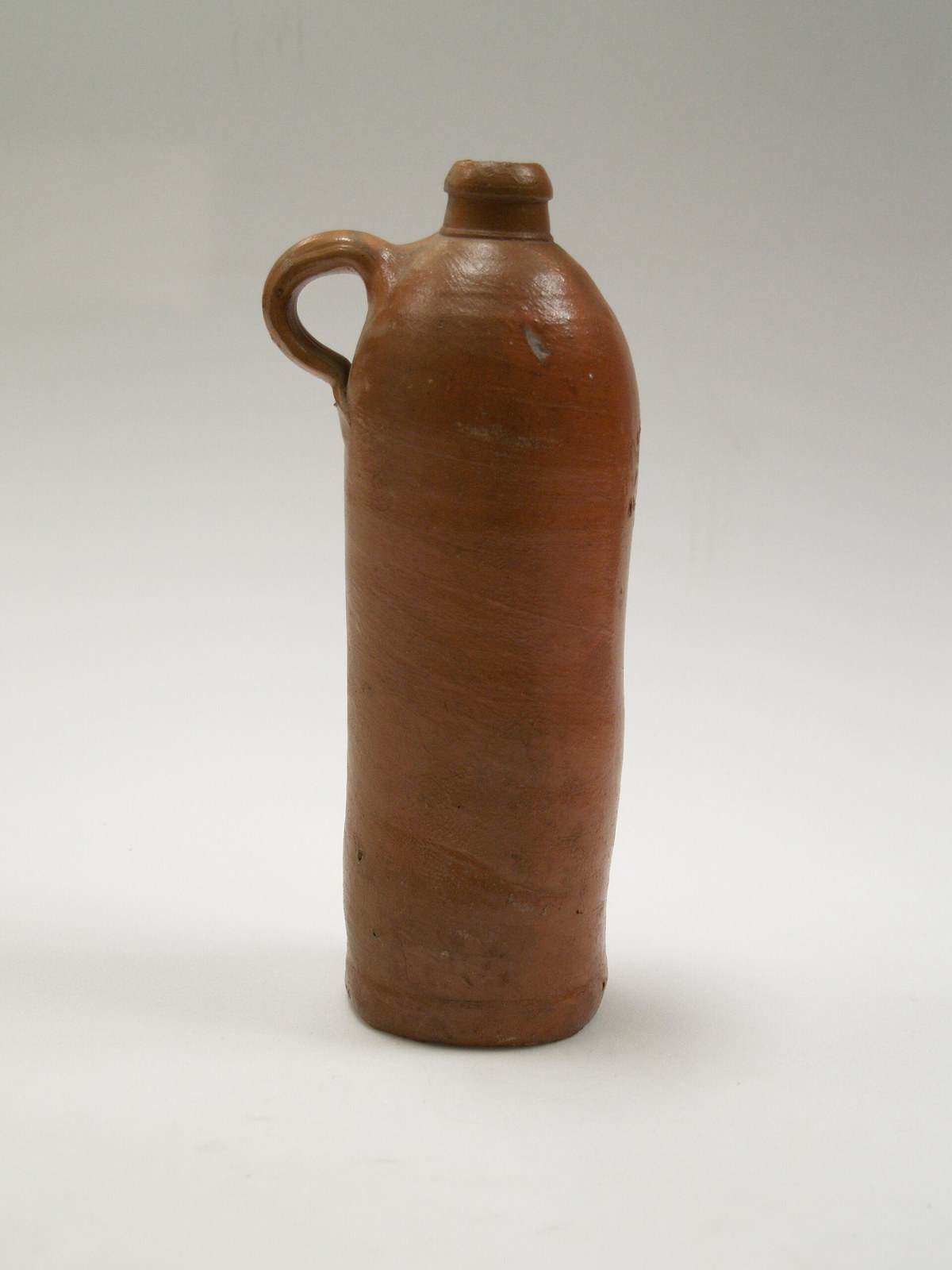

Dutch Geneva (Genever): Malt and Rye Mashed at 162 F, Distilled Three Times with Juniper and Hops (Byrn, 1868)
Anweisungen
Read Byrn, and the law
Read Byrn, and the law
The still
The still
His measures in metric
His measures in metric
Grind the grain
Grind the grain
Materialien für diesen Schritt:
 Helles Malz1 as required
 Roggenkorn1 as required
Benötigte Werkzeuge:
 Getreidemühle
Mash at 162 F
Mash at 162 F
Materialien für diesen Schritt:
 Wasser1 as required
Benötigte Werkzeuge:
 Holzbottich
 Holzlöffel
 Küchenthermometer
 Großer Kochtopf
Cut with cold water
Cut with cold water
Materialien für diesen Schritt:
Wasser1 as requiredBenötigte Werkzeuge:
Holzbottich Spindel (Aräometer)
Ferment 48 hours
Ferment 48 hours
Materialien für diesen Schritt:
 Bierhefe1 as required
Benötigte Werkzeuge:
 HolzfassKüchenthermometer
Charge and lute the still
Charge and lute the still
Materialien für diesen Schritt:
 Calciumcarbonat (Schlämmkreide)1 as required
 Roggenmehl1 as requiredWasser1 as required
 Stück Seife1 Stück
Benötigte Werkzeuge:
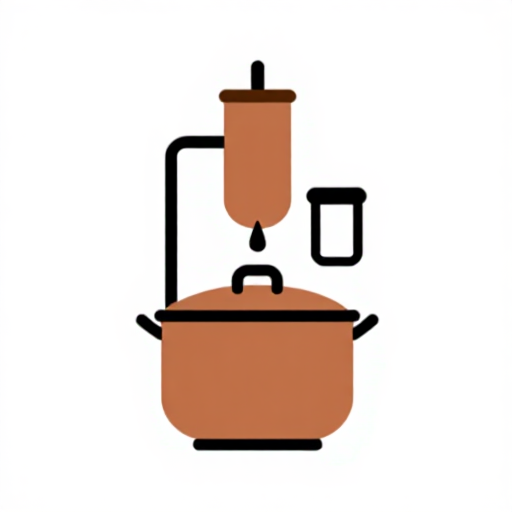 Destillierapparat
Raise the fire by degrees
Raise the fire by degrees
Benötigte Werkzeuge:
Destillierapparat Gewebte Wolldecke
Set aside the first runnings
Set aside the first runnings
Benötigte Werkzeuge:
 Messkanne
Run the low wines
Run the low wines
Benötigte Werkzeuge:
Destillierapparat KerzeHolzfassSpindel (Aräometer)
Second distillation
Second distillation
Benötigte Werkzeuge:
DestillierapparatThird distillation, juniper and hops
Third distillation, juniper and hops
Materialien für diesen Schritt:
 Wacholder (Beeren und Holz)1 as required
 Hopfen1 as required
Benötigte Werkzeuge:
DestillierapparatCut at the bead
Cut at the bead
Benötigte Werkzeuge:
 Glasfläschchen (klein, für Proben)Messkanne
Collect the feints, stop the fire
Collect the feints, stop the fire
Benötigte Werkzeuge:
HolzfassKerzeBring to proof
Bring to proof
Materialien für diesen Schritt:
Wasser1 as requiredBenötigte Werkzeuge:
Spindel (Aräometer)MesskanneRedistil the feints
Redistil the feints
Materialien für diesen Schritt:
 Salz1.8 kg
Benötigte Werkzeuge:
DestillierapparatKeep it in glass
Keep it in glass
Materialien für diesen Schritt:
 Glasflaschen mit Stopfen1 Stück
Benötigte Werkzeuge:
MesskanneTroubleshooting
Troubleshooting
Flow
History and honest limits
History and honest limits
Materialien
11- 1 as requiredPlatzhalter
- 1 as requiredPlatzhalter
- 4 as requiredPlatzhalter
- 1 as requiredPlatzhalter
- 1 as requiredPlatzhalter
- 1 as requiredPlatzhalter
- 1 StückPlatzhalter
- 1 as requiredPlatzhalter
- 1 as requiredPlatzhalter
- 1.8 kgPlatzhalter
- 1 StückPlatzhalter
Benötigte Werkzeuge
12- Platzhalter
- Platzhalter
- Platzhalter
- Platzhalter
- Platzhalter
- Platzhalter
- Platzhalter
- Platzhalter
- Platzhalter
- Platzhalter
- Platzhalter
- Platzhalter
Materialien verbundener Blueprints

Dieser Bauplan stellt her
Verwandte Blueprints
Diese Blueprints teilen Wissen — Techniken, Materialien oder Prinzipien
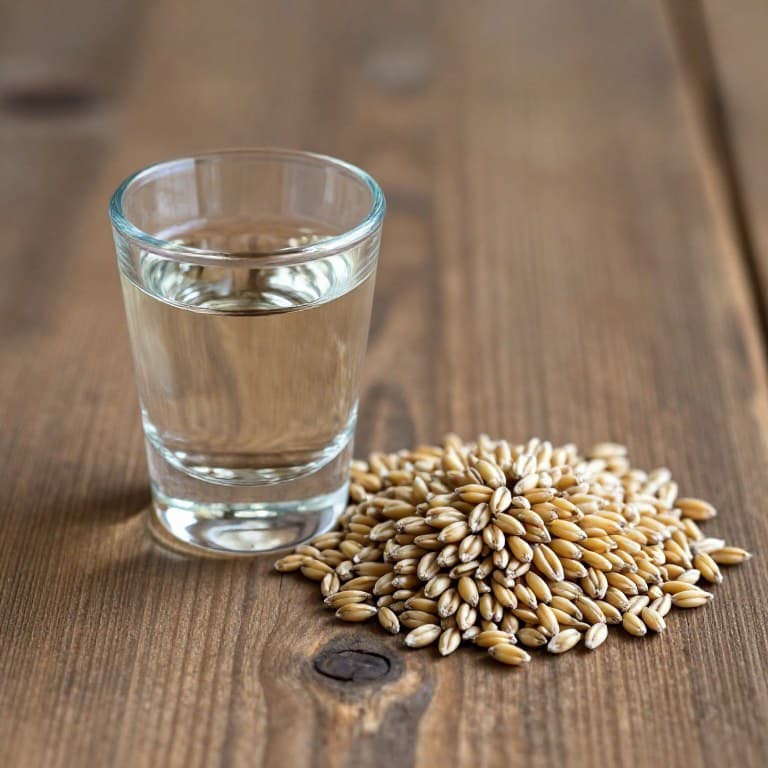
Malt Whisky: Malt and Barley Meal Mashed at 150 F, Fermented 8 to 12 Days and Distilled (Byrn, 1868)
von Alchometer
Alkoholische Getränke
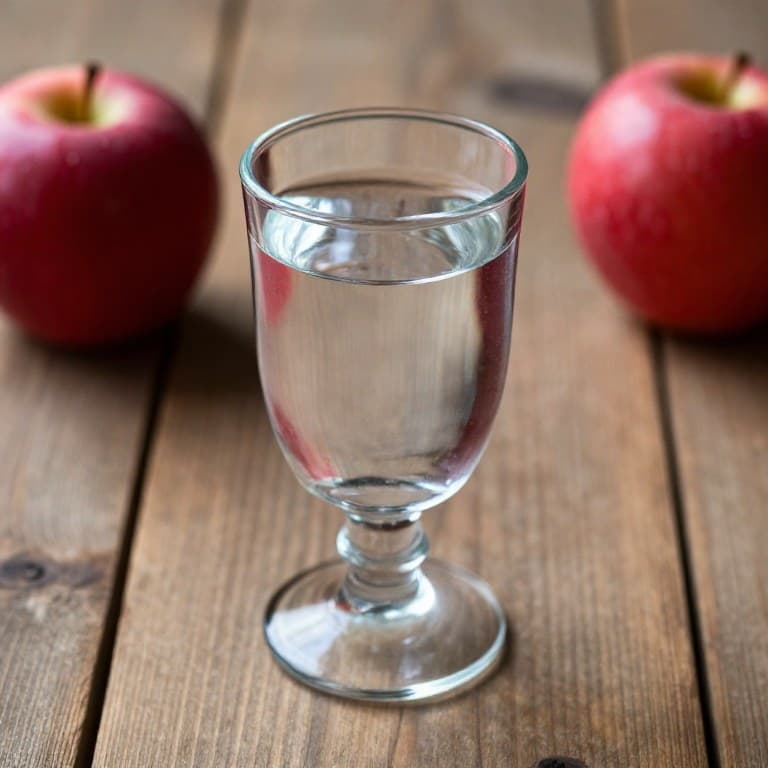
Apple Brandy (Cider Spirits): Pressed Cider Fermented, Distilled to Low Wines and Doubled (Byrn, 1868)
von Alchometer
Alkoholische Getränke
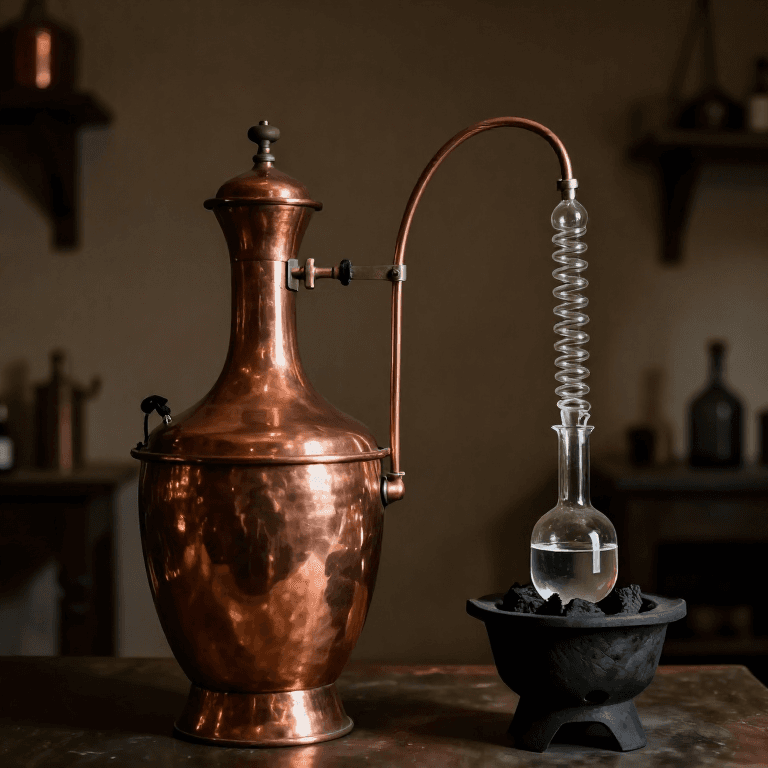
Building a Copper Alembic Still — Islamic Golden Age Distillation
von Charlie
HANDWERK
CC0 Gemeinfrei
Dieser Blueprint ist unter CC0 veröffentlicht. Sie dürfen dieses Werk für jeden Zweck frei kopieren, ändern, verbreiten und verwenden, ohne um Erlaubnis zu fragen.
Unterstützen Sie den Maker, indem Sie Produkte über seinen Blueprint kaufen, wo er eine Maker-Provision von Anbietern festgelegt, verdient. Oder erstellen Sie eine neue Iteration dieses Blueprints und verbinden Sie ihn in Ihrem eigenen Blueprint, um Einnahmen zu teilen.