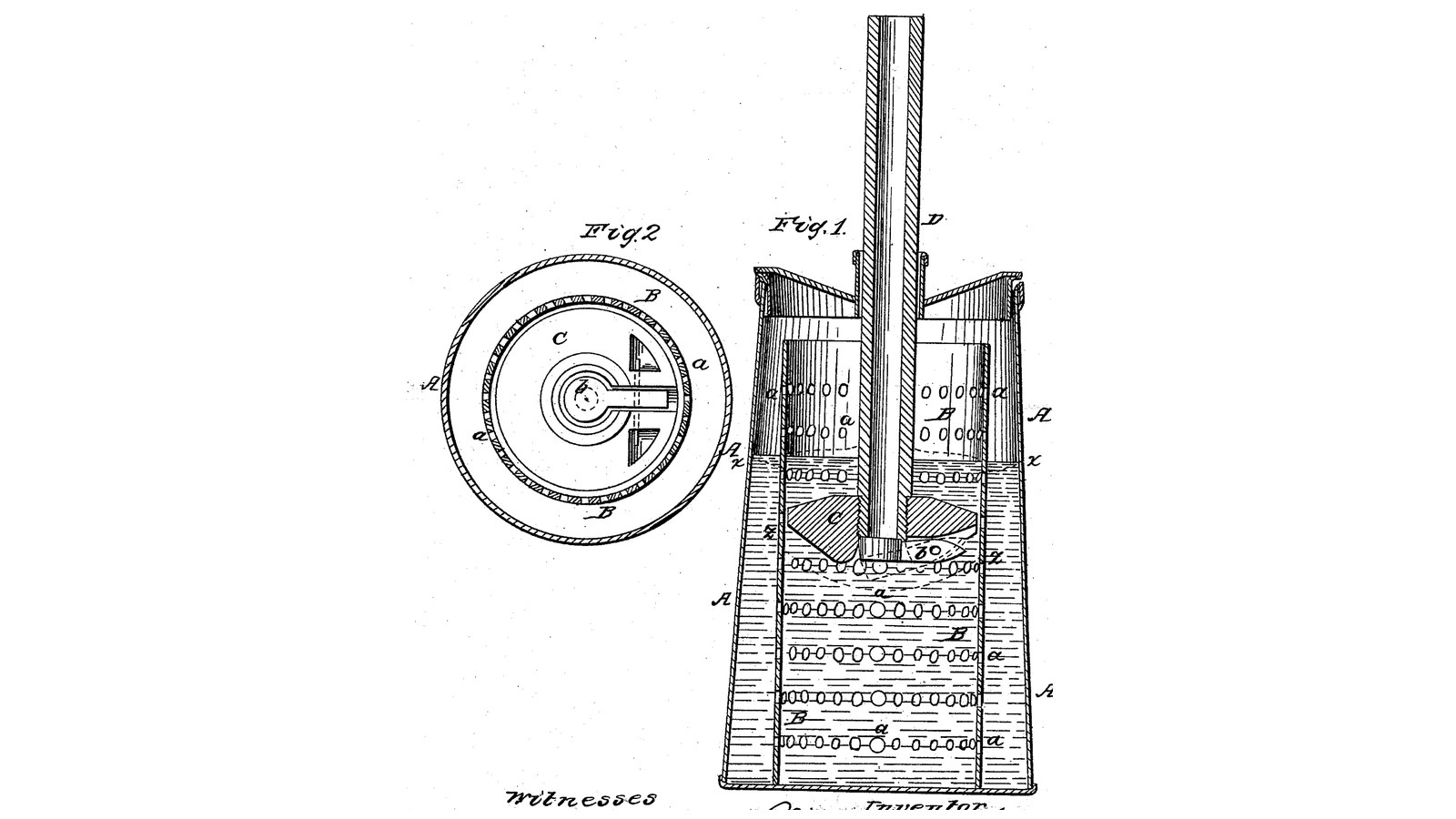

Hollow-Staff Plunger Churn: A Plunger in a Perforated Inner Cylinder Draws Air Down Its Staff on the Up Stroke
Anweisungen
Why air is drawn in on the up stroke
Why air is drawn in on the up stroke
A valve in a close-fitting dash, six weeks before
A valve in a close-fitting dash, six weeks before
Read US 31,715
Read US 31,715
Tub A and inner cylinder B
Tub A and inner cylinder B
Materialien für diesen Schritt:
 20-Liter-Eimer1 Stück
 HDPE-Platte1 Stück
 Edelstahlblech1 Stück
 Blindnieten8 Stück
Benötigte Werkzeuge:
 Kompass
 Stichsäge
 Flachfräsbohrer-Satz
 Blechschere
 Akkubohrschrauber
 Bohrersatz
 Blindnietzangen-Set
 Feilen (Handfeile)
Print the feet (three)
Print the feet (three)
Print the plunger C
Print the plunger C
Print the valve seat
Print the valve seat
Staff D, plunger C, valve b and handle
Staff D, plunger C, valve b and handle
Materialien für diesen Schritt:
 Edelstahlrohr1 Stück
 PETG-Filament1 Stück
 Silikondichtmasse1 Stück
 Splint1 Stück
 Naturkautschukplatte1 Stück
 Edelstahlstab1 Stück
 Hartholzbrett1 Stück
 Holzleim1 Stück
 Hartholzdübel1 Stück
Benötigte Werkzeuge:
 FDM-3D-Drucker
 Bügelsäge (Metallsäge)Feilen (Handfeile)
 SchraubstockAkkubohrschrauberBohrersatz
 HolzdrechselbankBlechschere
The build in 3D
The build in 3D
Churn and gather
Churn and gather
Materialien für diesen Schritt:
 Schlagsahne12 l
 Grobes Meersalz1 Stück
 Wasser1 Stück
Benötigte Werkzeuge:
 Einsteck-Fühlerthermometer
 Stoppuhr
 Digitale Küchenwaage
 Große Rührschüssel aus Edelstahl
Troubleshooting
Troubleshooting
Flow
History and honest limits
History and honest limits
Materialien
16- 1 StückPlatzhalter
- 1 StückPlatzhalter
- 1 StückPlatzhalter
- 8 StückPlatzhalter
- 1 StückPlatzhalter
- 1 StückPlatzhalter
- 1 StückPlatzhalter
- 1 StückPlatzhalter
- 1 StückPlatzhalter
- 1 StückPlatzhalter
- 1 StückPlatzhalter
- 1 StückPlatzhalter
- 1 StückPlatzhalter
- 12 lPlatzhalter
- 1 StückPlatzhalter
- 1 StückPlatzhalter
Benötigte Werkzeuge
16- Platzhalter
- 1 vendor sell this, none ship to you yetPlatzhalter
- Platzhalter
- Platzhalter
- 1 vendor sell this, none ship to you yetPlatzhalter
- Platzhalter
- Platzhalter
- Platzhalter
- Platzhalter
- Platzhalter
- Platzhalter
- Platzhalter
- Platzhalter
- Platzhalter
- Platzhalter
- Platzhalter
Designdateien
4Dieser Bauplan stellt her

Verwandte Blueprints
Diese Blueprints teilen Wissen — Techniken, Materialien oder Prinzipien
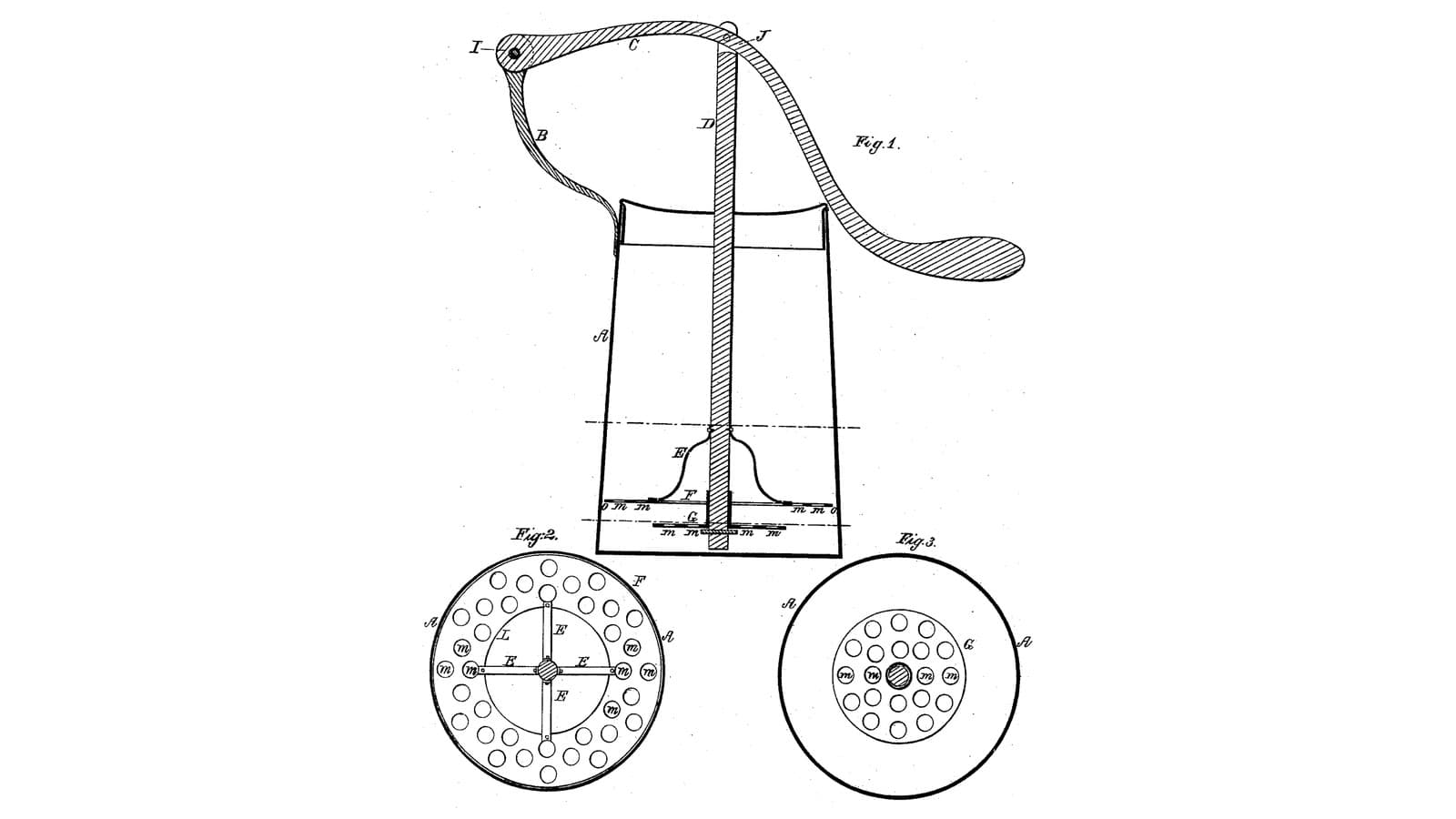
Star Valve-Dash Churn: A Lever Drives a Close-Fitting Perforated Dash, Its Centre Valve Shuts Going Down and Opens Coming Up
von Buttercup
Holzbearbeitung
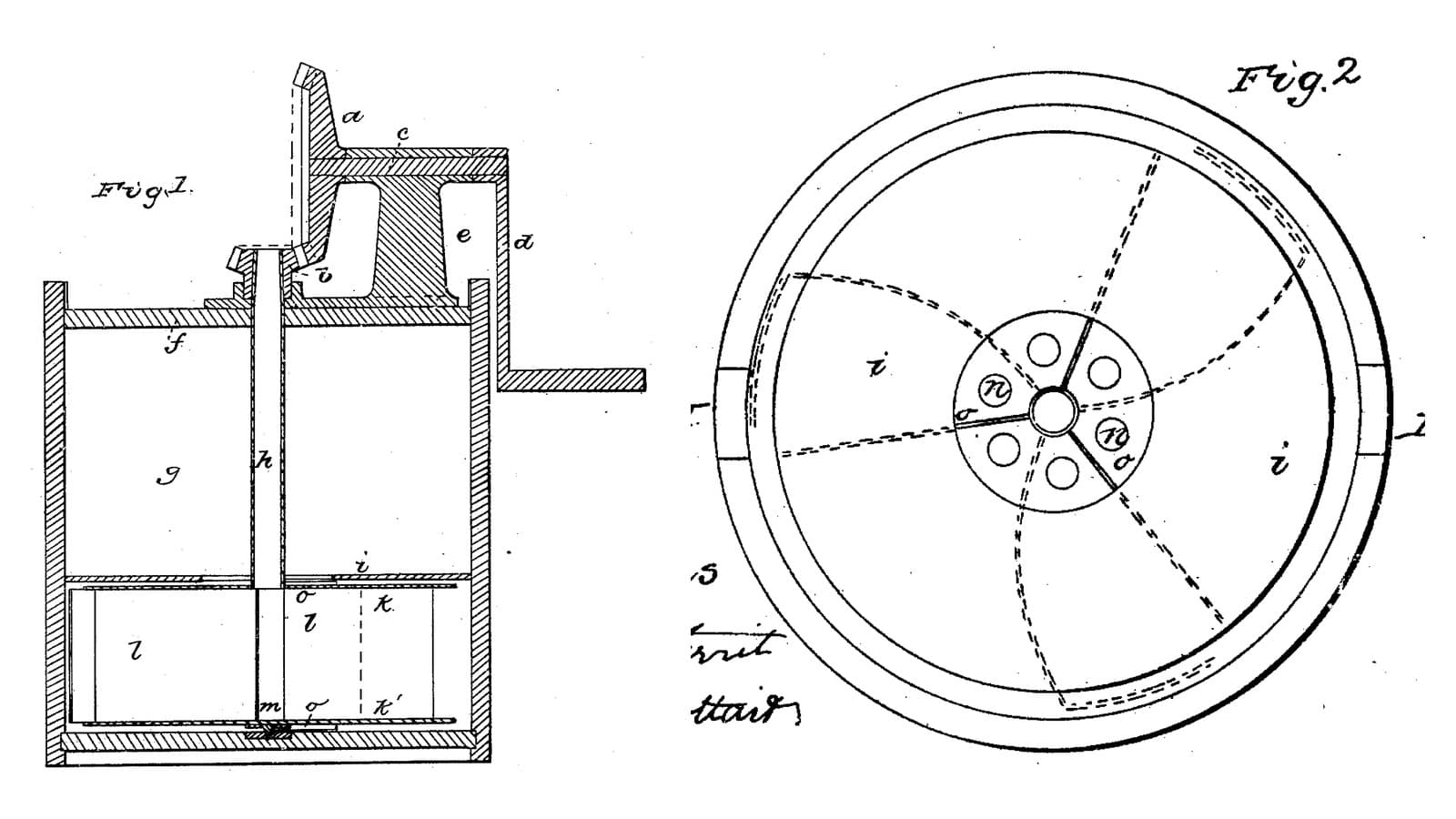
Centrifugal-Dasher Churn: Curved Wings on a Hollow Shaft Throw the Cream at the Wall, a Fixed Disk Turns It Back
von Buttercup
Holzbearbeitung
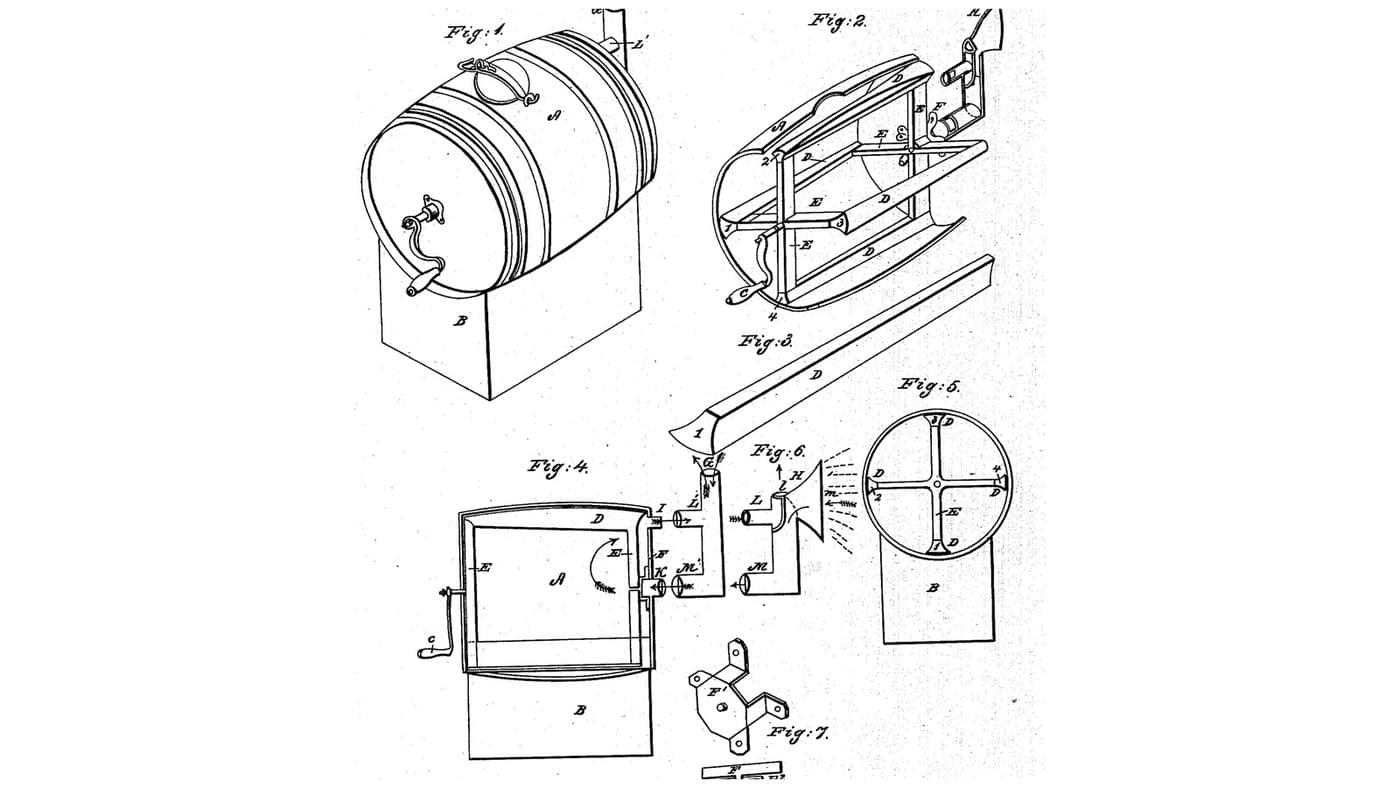
Atmospheric Barrel Churn: Reversed Concave Dashers Close to the Staves, Fresh or Warmed Air Piped to the Middle
von Buttercup
Holzbearbeitung

Churning Butter from Cream — The 5,000-Year-Old Fat Separation
von TheChef
HANDWERK
CC0 Gemeinfrei
Dieser Blueprint ist unter CC0 veröffentlicht. Sie dürfen dieses Werk für jeden Zweck frei kopieren, ändern, verbreiten und verwenden, ohne um Erlaubnis zu fragen.
Unterstützen Sie den Maker, indem Sie Produkte über seinen Blueprint kaufen, wo er eine Maker-Provision von Anbietern festgelegt, verdient. Oder erstellen Sie eine neue Iteration dieses Blueprints und verbinden Sie ihn in Ihrem eigenen Blueprint, um Einnahmen zu teilen.