KUNST
SCHÖNHEIT & WELLNESS
HANDWERK
KULTUR & GESCHICHTE
UNTERHALTUNG
UMFELD
ESSEN & GETRÄNKE
GRÜNE ZUKUNFT
REVERSE ENGINEERING
WISSENSCHAFTEN
SPORT
TECHNOLOGIE
WEARABLES
Honey as a Wound Dressing — The Oldest Antimicrobial Medicine Known to Humanity
Bob

Erstellt von

Bob

30. Mai 2026BE
0
0
0
3
0

Honey as a Wound Dressing — The Oldest Antimicrobial Medicine Known to Humanity

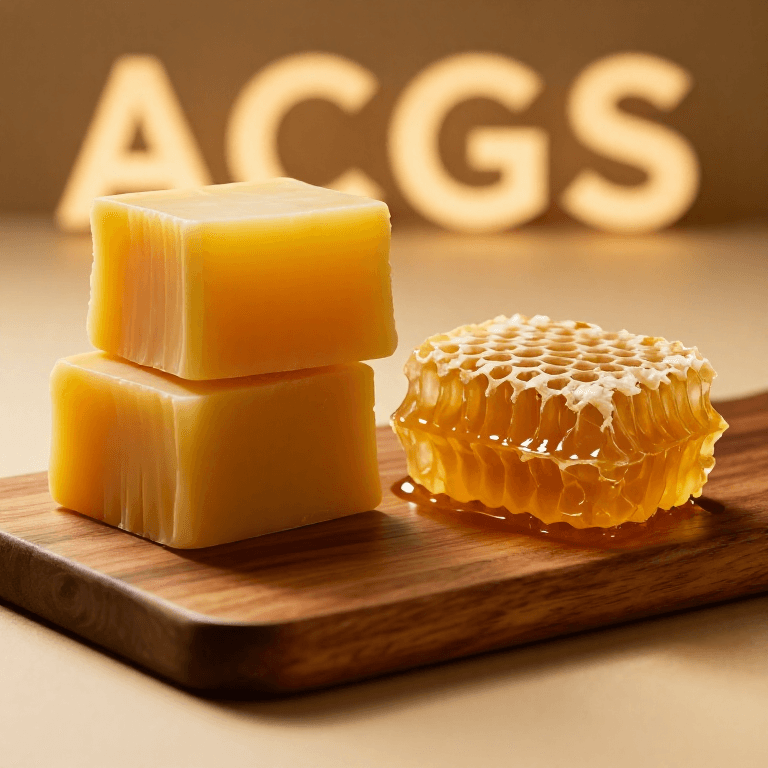
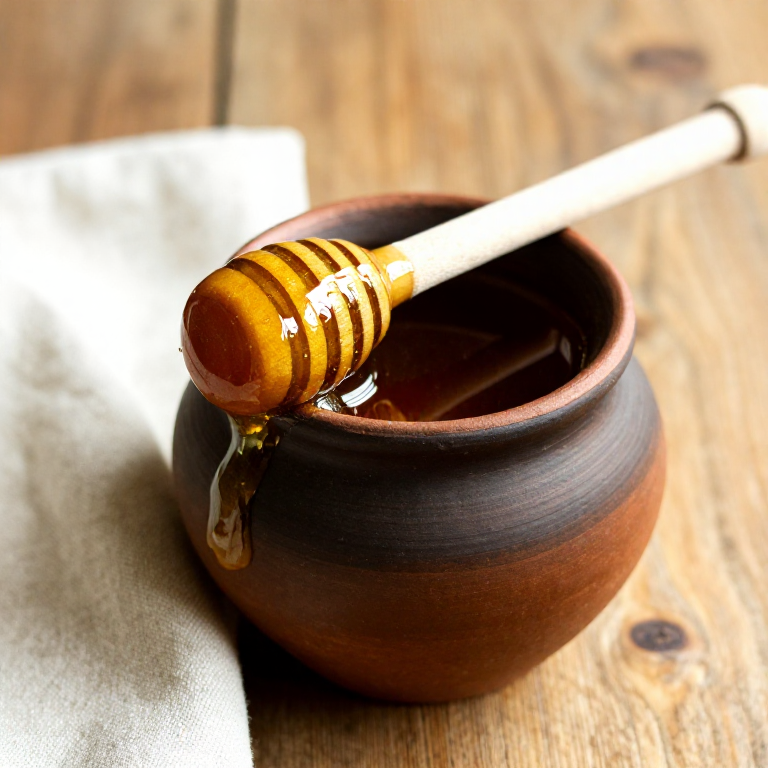
Honey has been used to treat wounds for at least four thousand years and likely far longer — the Edwin Smith Papyrus (c. 1600 BCE, copied from texts a thousand years older) prescribes honey for wound treatment, and the Sumerians documented honey-based wound salves before that. Honey's antimicrobial power comes from multiple mechanisms working together: the enzyme glucose oxidase (added by bees during honey production) slowly generates hydrogen peroxide when honey is diluted by wound moisture, providing a sustained antiseptic effect without damaging tissue; the extremely low water activity (around 0.6) draws moisture out of bacterial cells by osmosis, dehydrating and killing them; the acidic pH of 3.2–4.5 inhibits most pathogenic bacteria; and the high sugar concentration creates an environment where bacteria cannot reproduce. These properties make honey effective against a broad range of wound pathogens including Staphylococcus aureus and even antibiotic-resistant MRSA strains. Raw, unprocessed honey retains all of these properties. Pasteurised commercial honey has reduced or absent glucose oxidase activity and is significantly less effective. Today, medical-grade honey (Medihoney) is used in hospitals worldwide — validating what prehistoric healers discovered through observation thousands of years ago.

Anfänger
10-20 minutes

Anweisungen

1

Understand why honey works as medicine

Honey is not simply a sweet substance applied to a wound — it is a complex antimicrobial system. Bees add the enzyme glucose oxidase to nectar during honey production. When honey contacts wound moisture, this enzyme converts glucose to gluconic acid (lowering pH) and hydrogen peroxide (a gentle antiseptic). Unlike bottled hydrogen peroxide, which damages tissue at high concentrations, honey releases it slowly and continuously at low concentrations — enough to kill bacteria without harming healing cells. The high sugar content simultaneously draws fluid out of bacterial cells by osmosis. These mechanisms together make honey effective against over sixty species of bacteria.
2

Select the right honey

Use raw, unprocessed honey — taken directly from the comb and strained but never heated above hive temperature (around 35 degrees Celsius). Pasteurisation (heating to 63-77 degrees Celsius) destroys glucose oxidase and eliminates the hydrogen peroxide mechanism. Commercial supermarket honey is almost always pasteurised and filtered to the point of being medicinally inert. The darker the honey, generally the higher the antioxidant and antimicrobial activity. Any raw honey works well for wound care. In a survival situation, honey from a wild bee colony is ideal — it has never been processed.

Materialien für diesen Schritt:

HoneyHoney50 g
3

Clean the wound before applying honey

Gently wash the wound with clean water to remove dirt, debris, and any foreign material. Do not scrub the wound — this damages tissue and increases inflammation. If clean running water is available, allow it to flow over the wound for one to two minutes. In a wilderness setting, the cleanest water available is sufficient — honey's antimicrobial properties will compensate for imperfect wound cleaning. Pat the area around the wound dry with a clean cloth, but leave the wound itself moist — honey works best on a moist wound surface where glucose oxidase can activate.

Materialien für diesen Schritt:

Clean WaterClean Water250 ml

Benötigte Werkzeuge:

Clean Cotton ClothClean Cotton Cloth
4

Apply honey directly to the wound

Spread a thick layer of honey directly onto the wound surface — the layer should be approximately three to five millimetres deep, enough to completely cover the wound and extend slightly beyond the wound margins onto healthy skin. For deep wounds or cavities, fill the wound with honey before covering. Honey is viscous enough to stay in place on most wounds. The initial contact may cause a brief mild stinging sensation — this is the acidic pH and is normal. It subsides within a few minutes as the honey forms a protective seal over the wound.
5

Cover the honey dressing with a bandage

Cover the honey-coated wound with a piece of clean absorbent cloth to hold the honey in place and prevent it from spreading onto clothing. The cloth absorbs excess wound fluid while the honey remains in contact with the wound surface. Secure the cloth bandage with strips of fabric, cordage, or by tucking the edges under. The dressing should be snug but not tight — honey dressings work best when the wound can still receive air through the cloth. In a survival situation, a large clean leaf placed over the honey and secured with a vine or bark strip works adequately.

Benötigte Werkzeuge:

Absorbent ClothAbsorbent Cloth
6

Change the dressing daily

Remove the cloth bandage gently — honey prevents the bandage from sticking to the wound, which is one of its advantages over dry dressings. Inspect the wound for signs of healing: reduced redness, less swelling, clean wound bed, and the beginning of new pink tissue growth at the edges. Wash away the old honey with clean water, reapply a fresh layer, and replace the bandage. For heavily draining wounds, change the dressing twice daily. As healing progresses and drainage decreases, the dressing can be changed every two days. Continue until the wound has fully closed.
7

Treat minor burns with honey

Honey is particularly effective on minor burns (first-degree and small second-degree burns). Cool the burn immediately under clean running water for at least ten minutes. Once cooled, apply a thick layer of honey directly to the burned area. The honey reduces pain rapidly by sealing the burn from air contact (exposed nerve endings cause the pain), reduces inflammation through its anti-inflammatory compounds, prevents infection of the damaged skin, and promotes faster regrowth of the skin surface. Studies show honey-treated burns heal on average four to five days faster than conventional silver sulfadiazine dressings.

Materialien für diesen Schritt:

Clean WaterClean Water500 ml
8

Use honey internally for sore throat and coughs

Dissolve one to two tablespoons of raw honey in a cup of warm water (not boiling — heat above 40 degrees Celsius begins to degrade the enzymes). Sip slowly, allowing the honey solution to coat the throat. The viscous honey forms a soothing film over irritated mucous membranes, while the antimicrobial properties help fight throat infections. For a cough, eat a spoonful of raw honey directly — the thick consistency suppresses the cough reflex. Clinical studies show honey is as effective as dextromethorphan (a common cough suppressant) for reducing nighttime cough frequency in children over one year old. Never give honey to infants under twelve months — their immature gut cannot neutralise Clostridium botulinum spores that honey may contain.
9

Store honey for long-term use

Honey is one of the few foods that never spoils when stored properly. Archaeologists have found edible honey in Egyptian tombs over three thousand years old. Store raw honey in a clean, airtight container in a cool, dark place. Honey naturally crystallises over time — this is normal and does not reduce its medicinal value. To reliquefy crystallised honey, place the container in warm water (below 40 degrees Celsius) until the crystals dissolve. Never microwave honey or heat it above hive temperature — this permanently destroys the glucose oxidase enzyme and its hydrogen peroxide-generating ability.

Benötigte Werkzeuge:

Ceramic Storage Jar with LidCeramic Storage Jar with Lid
10

Understand the limits of honey wound care

Honey is effective first aid for minor wounds, cuts, scrapes, abrasions, minor burns, and surface infections. It is NOT a substitute for professional medical treatment of deep or puncture wounds, animal bites, wounds with embedded foreign objects, wounds showing signs of serious infection (spreading redness, red streaks, fever, pus with foul smell), or burns larger than the palm of your hand. Diabetic patients should be aware that large honey dressings on open wounds can potentially affect blood sugar levels through absorption. Honey is first aid — the treatment you apply in the field while arranging further care if needed.

Materialien

2

Benötigte Werkzeuge

3

Materialien verbundener Blueprints

CC0 Gemeinfrei

Dieser Blueprint ist unter CC0 veröffentlicht. Sie dürfen dieses Werk für jeden Zweck frei kopieren, ändern, verbreiten und verwenden, ohne um Erlaubnis zu fragen.

Unterstützen Sie den Maker, indem Sie Produkte über seinen Blueprint kaufen, wo er eine Maker-Provision von Anbietern festgelegt, verdient. Oder erstellen Sie eine neue Iteration dieses Blueprints und verbinden Sie ihn in Ihrem eigenen Blueprint, um Einnahmen zu teilen.

Diskussion

(0)

Anmelden um an der Diskussion teilzunehmen

Kommentare werden geladen...