KUNST
SCHÖNHEIT & WELLNESS
HANDWERK
KULTUR & GESCHICHTE
UNTERHALTUNG
UMFELD
ESSEN & GETRÄNKE
REVERSE ENGINEERING
WISSENSCHAFTEN
SPORT
TECHNOLOGIE
WEARABLES
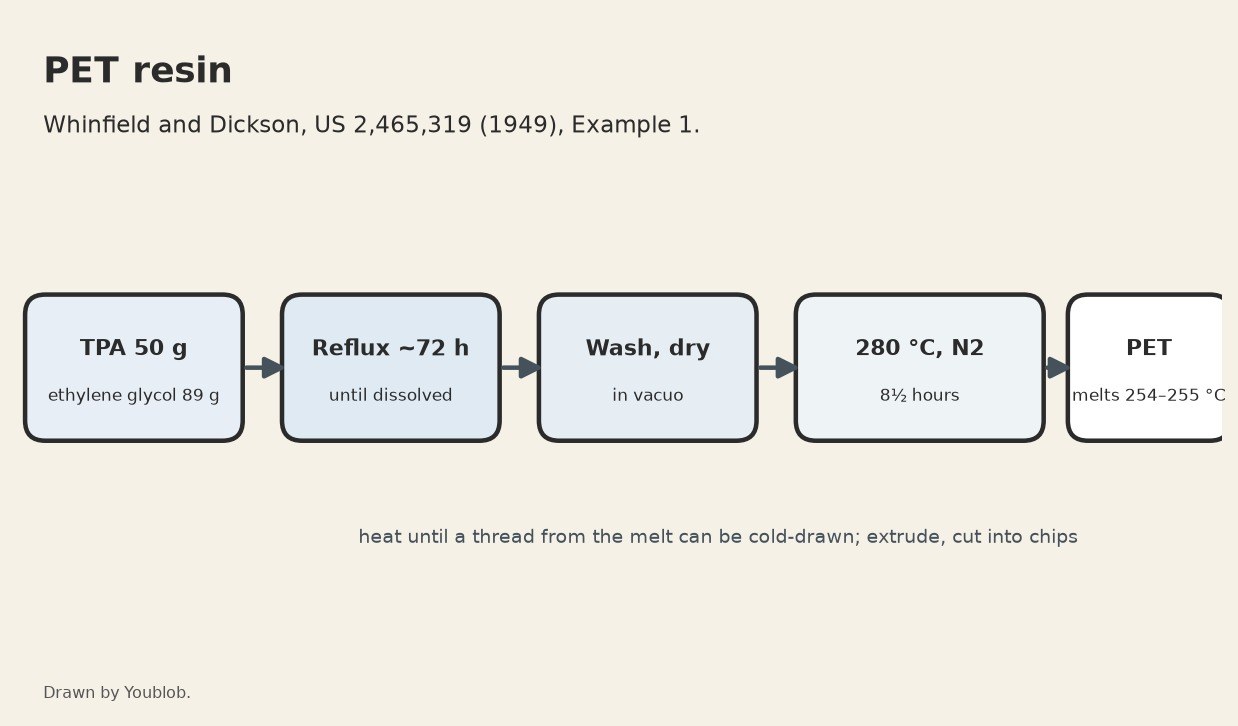


PET Resin: Terephthalic Acid and Ethylene Glycol, Whinfield and Dickson
PET (polyethylene terephthalate) was invented by Whinfield and Dickson, whose patent (US 2,465,319, 1949) gives this first example: boil terephthalic acid in ethylene glycol until it dissolves, wash and dry the glycol ester, then heat it at 280 °C under nitrogen until it is a viscous polymer that melts at 254–255 °C and can be drawn into fibre. The melt is extruded and cut into chips (pellets) for moulding and spinning.
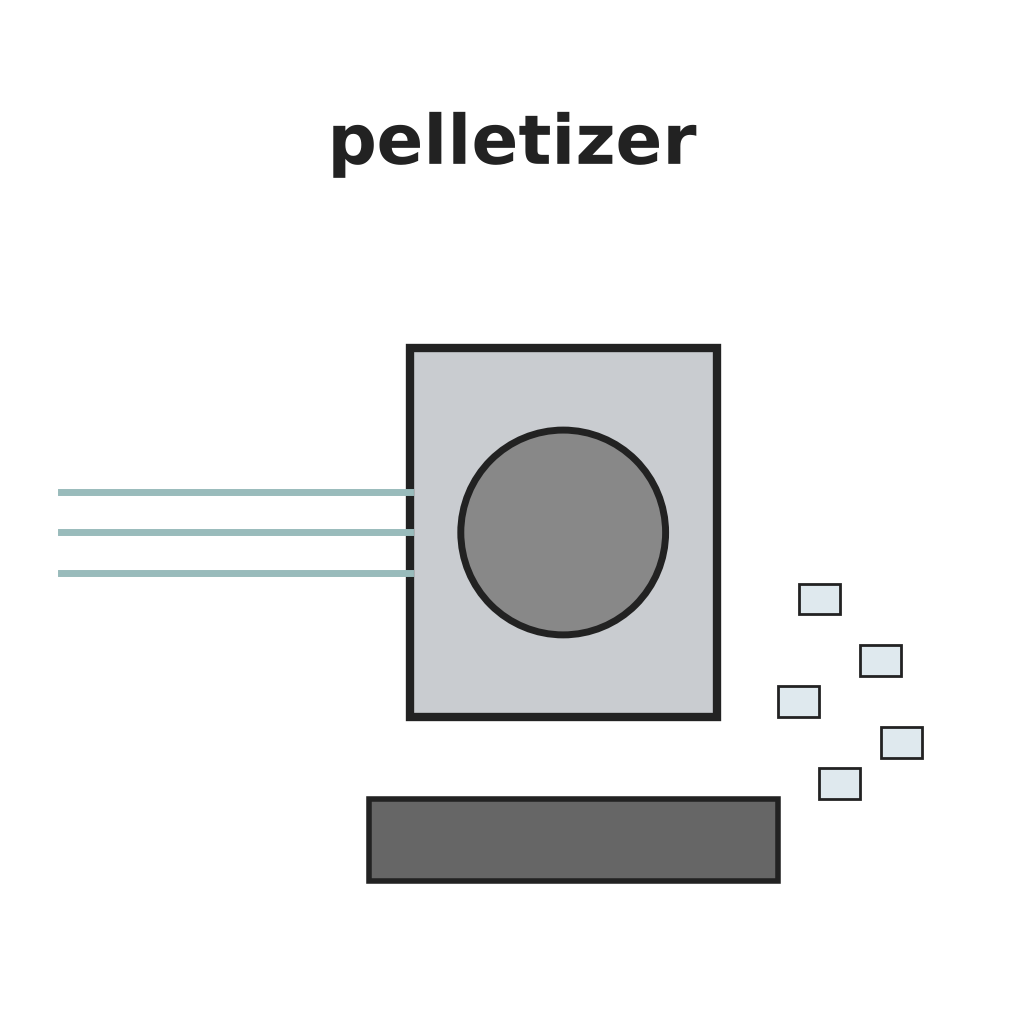
The picture: our diagram.
Erfahren
About 4 days
Anweisungen
1
1
Boil the acid in glycol
Boil the acid in glycol
Reflux 50 g terephthalic acid with 89 g ethylene glycol for about 72 hours, until it has all dissolved. This makes glycol terephthalate.
Materialien für diesen Schritt:
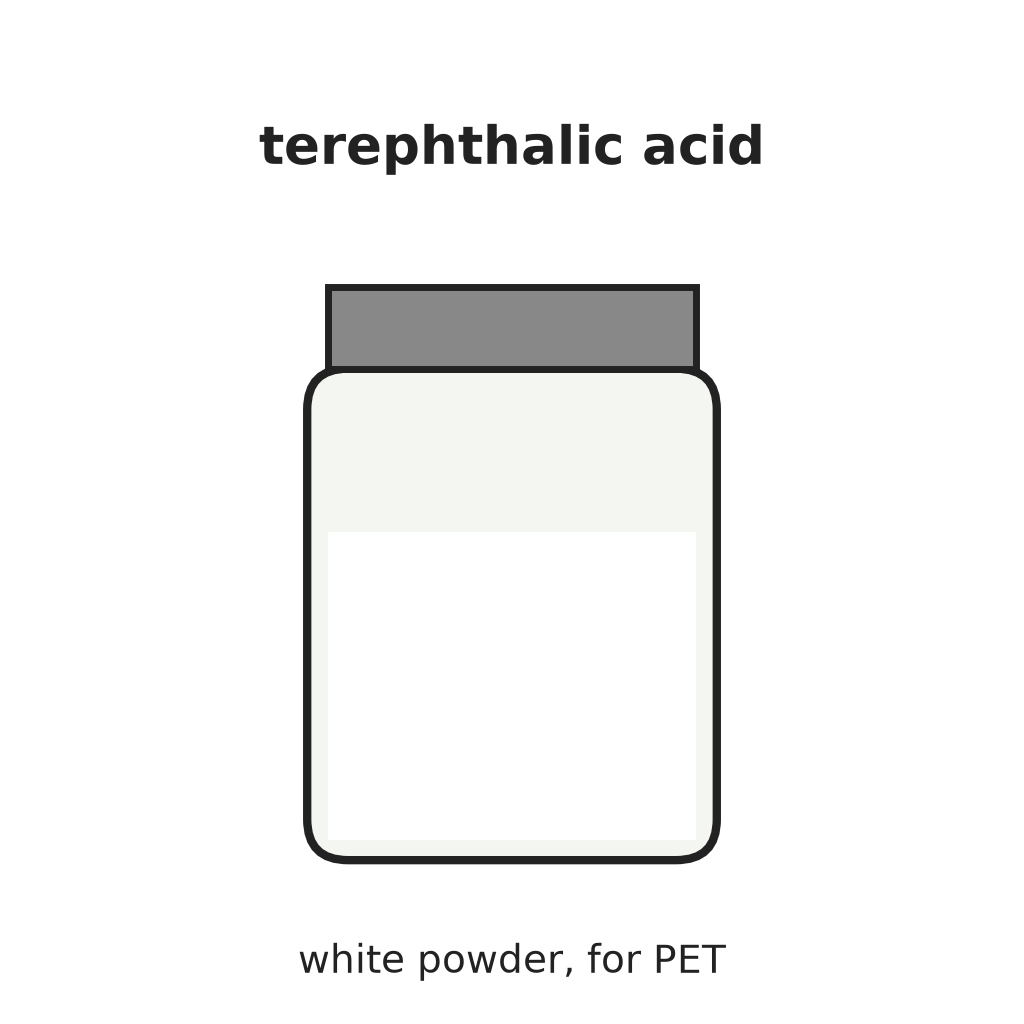 Terephthalsäure50 g
 Ethylenglykol89 g
Benötigte Werkzeuge:
 Balkenwaage
 Rundkolben
 Kondensatorschlange
 Heizplatte
2
2
Wash and dry the ester
Wash and dry the ester
Wash the glycol terephthalate with water and dry it under vacuum.
Benötigte Werkzeuge:
 Destilliertes Wasser
 Glastrichter mit Stiel
 Filterpapier
 Vakuumpumpe
3
3
Heat at 280 °C under nitrogen
Heat at 280 °C under nitrogen
Melt it and heat at 280 °C for 8½ hours in a slow stream of nitrogen: no air may reach it. It grows thick as it polymerises.
Benötigte Werkzeuge:
RundkolbenHeizplatte Thermoelement mit Anzeige
 Stickstoffflasche
 Hitzebeständige Handschuhe
 Chemikalienschutzbrille
4
4
Test for cold-drawing
Test for cold-drawing
Pull a thread from the melt with a rod and let it cool. It is ready when the cold thread can be stretched to several times its length. The finished polymer melts at 254–255 °C.
Benötigte Werkzeuge:
 GlasrührstabHitzebeständige Handschuhe
5
5
Extrude and cut into chips
Extrude and cut into chips
Extrude the molten polymer, let it cool, and cut it into chips (pellets).
Benötigte Werkzeuge:
 Kunststoffextruder
 GranulatorHitzebeständige Handschuhe
Materialien
2- 50 gPlatzhalter
- 89 gPlatzhalter
Benötigte Werkzeuge
15- Platzhalter
- Platzhalter
- Platzhalter
- Platzhalter
- Platzhalter
- Platzhalter
- Platzhalter
- 1 vendor sell this, none ship to you yetPlatzhalter
- Platzhalter
- Platzhalter
- Platzhalter
- Platzhalter
- Platzhalter
- Platzhalter
- Platzhalter
Dieser Bauplan stellt her
Verwandte Blueprints
Diese Blueprints teilen Wissen — Techniken, Materialien oder Prinzipien
CC0 Gemeinfrei
Dieser Blueprint ist unter CC0 veröffentlicht. Sie dürfen dieses Werk für jeden Zweck frei kopieren, ändern, verbreiten und verwenden, ohne um Erlaubnis zu fragen.
Unterstützen Sie den Maker, indem Sie Produkte über seinen Blueprint kaufen, wo er eine Maker-Provision von Anbietern festgelegt, verdient. Oder erstellen Sie eine neue Iteration dieses Blueprints und verbinden Sie ihn in Ihrem eigenen Blueprint, um Einnahmen zu teilen.