KUNST
SCHÖNHEIT & WELLNESS
HANDWERK
KULTUR & GESCHICHTE
UNTERHALTUNG
UMFELD
ESSEN & GETRÄNKE
REVERSE ENGINEERING
WISSENSCHAFTEN
SPORT
TECHNOLOGIE
WEARABLES
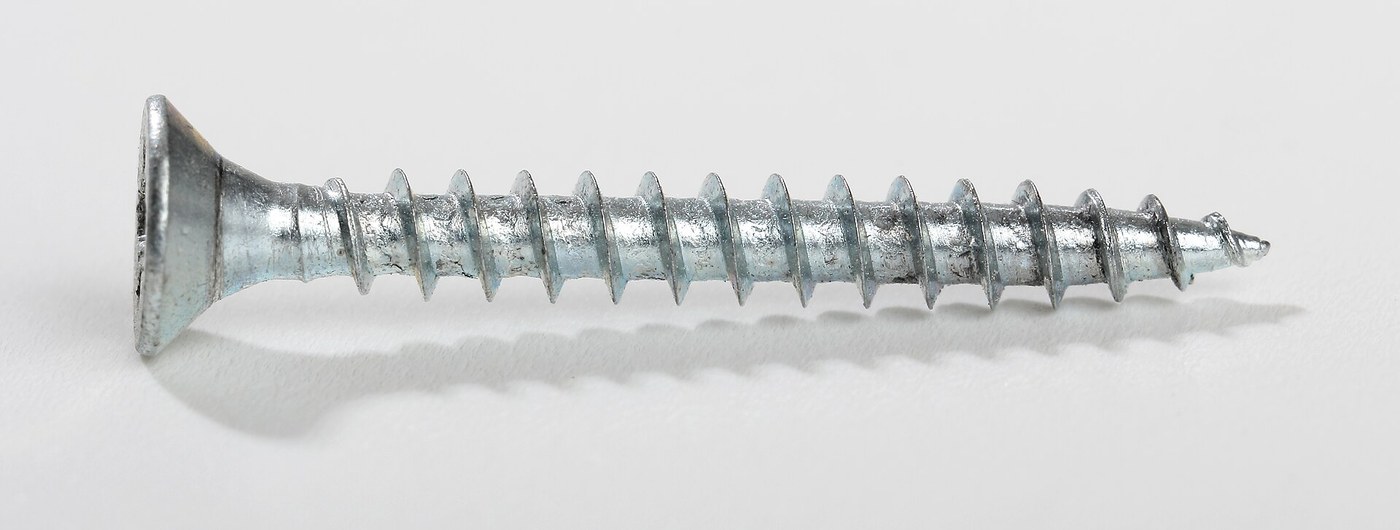


Screws: Cold Headed and Thread Rolled
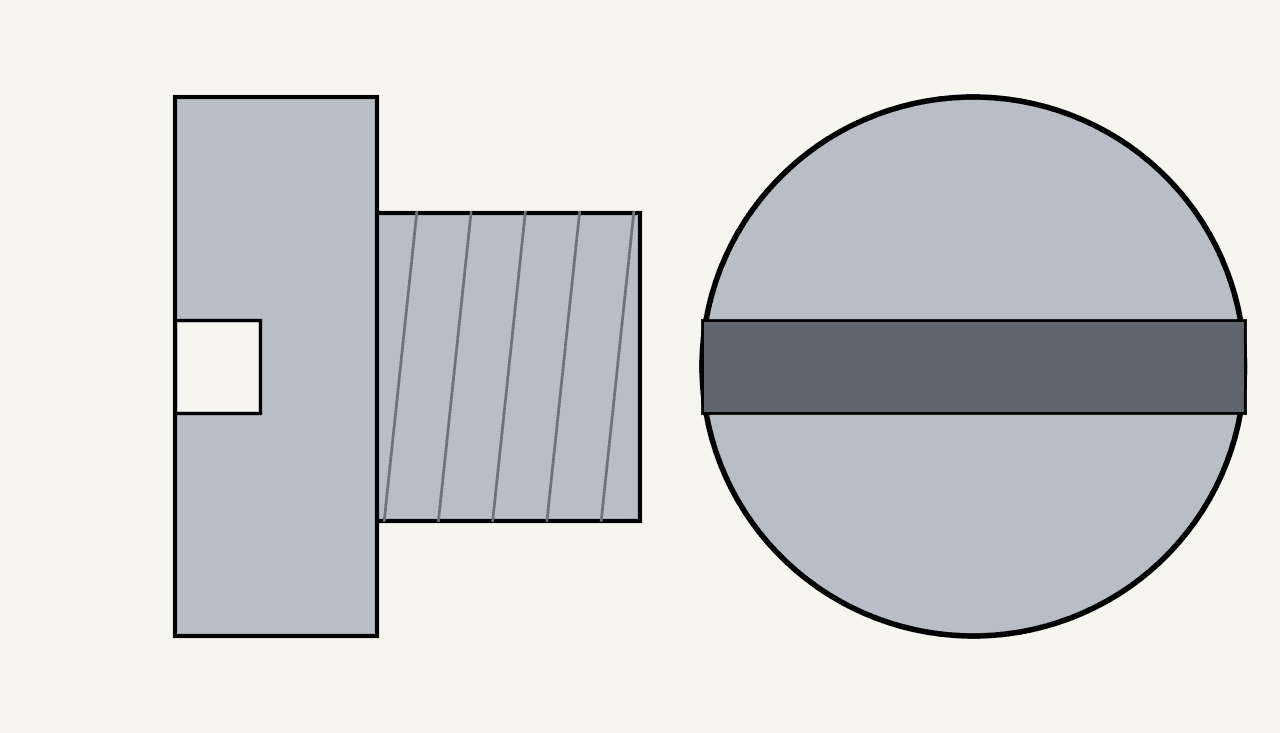
Most screws are made in three steps: heading, thread rolling and coating. Wire from a coil is cut into blanks, and each blank is cold headed: a punch squeezes the end into a die shaped like the head, so a flat head comes from a flat die, with almost no waste. The thread is then rolled, not cut: the blank is rolled between hardened dies that press the thread into it. Rolling makes no swarf, needs a blank 15–20 % lighter than cutting would, gives a 10–20 % stronger thread, and runs at about one piece a second. Most screws are then zinc plated or blackened against rust.
Erfahren
About one per second (industrial)
Anweisungen
1
1
Cut blanks
Cut blanks
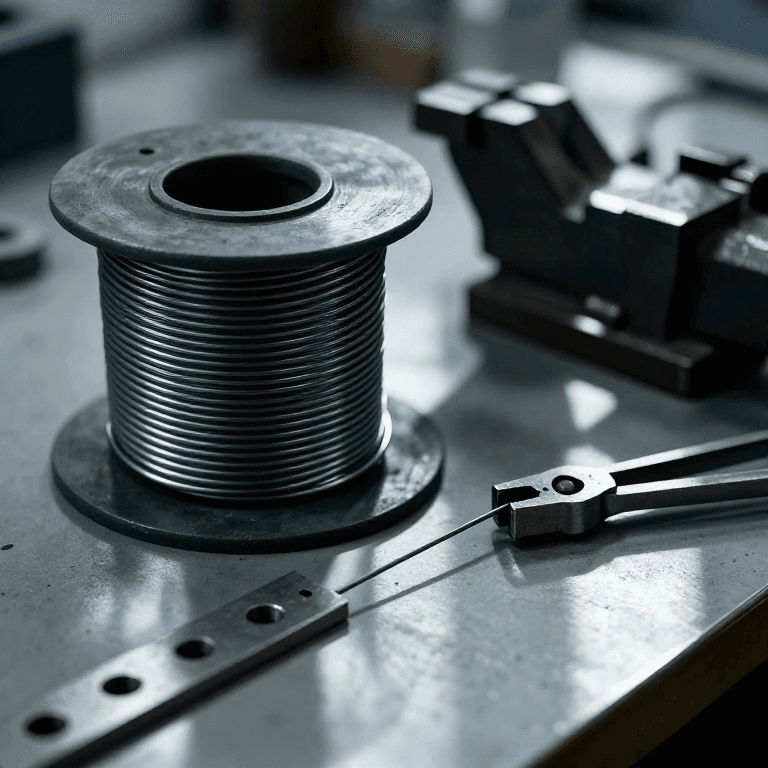
Wire from a coil is fed in and cut to the length of the screw: each piece is a blank.
Materialien für diesen Schritt:
 Stahldraht10 kg
Benötigte Werkzeuge:
 Kaltstauchmaschine
2
2
Head
Head
A punch drives into the end of the blank and the metal flows into the head die. Complex heads take two blows; slotted heads get their slot cut afterwards.
Benötigte Werkzeuge:
Kaltstauchmaschine3
3
Roll the thread
Roll the thread
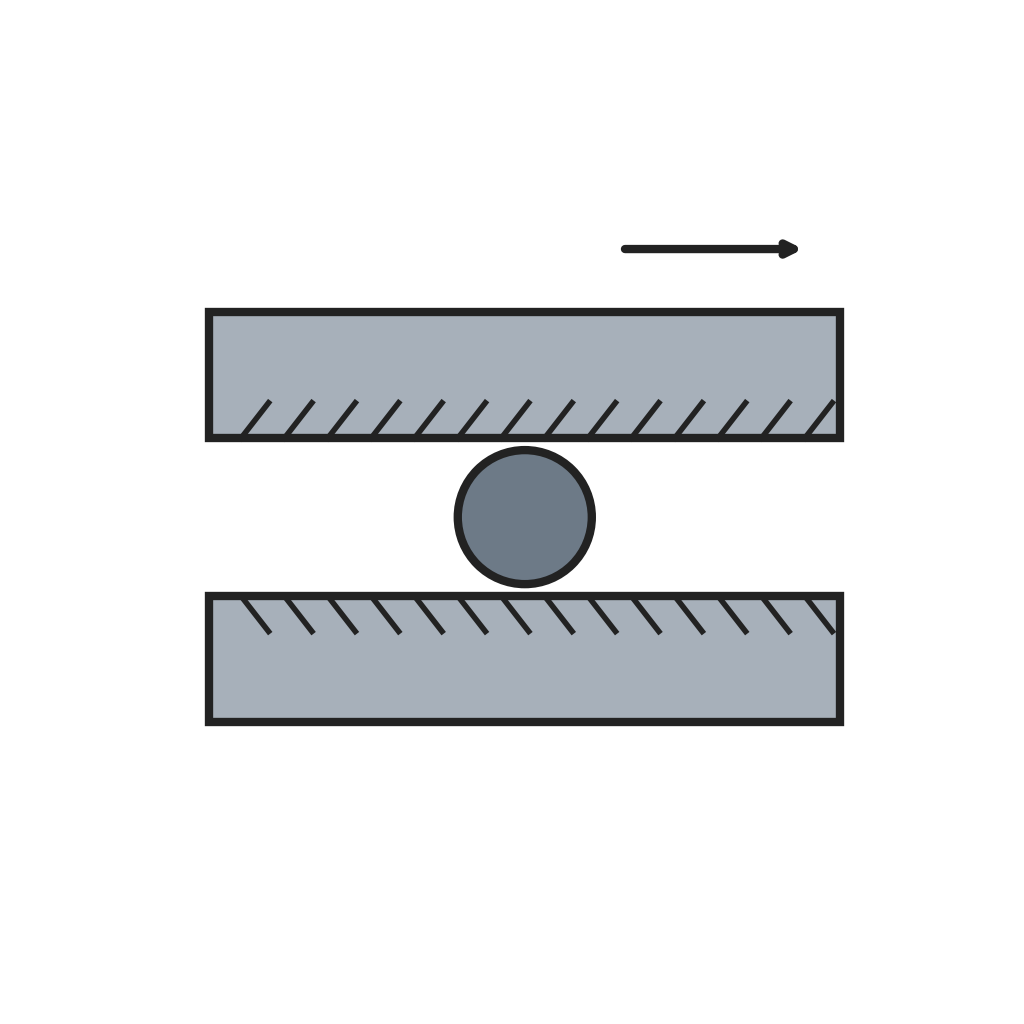
The blank rolls between two flat dies, one fixed and one sliding, which press the thread into it cold.
Benötigte Werkzeuge:
 Gewinderollbacken
4
4
Coat
Coat
The screws are cleaned and given a coating against rust, such as zinc electroplating or black oxide.
5
5
Check
Check
Length, head and thread diameter are measured on samples.
Benötigte Werkzeuge:
 Digitaler Messschieber 6 Zoll
Materialien
1- 10 kgPlatzhalter
Benötigte Werkzeuge
3- Platzhalter
- Platzhalter
- Platzhalter
Dieser Bauplan stellt her




Verwandte Blueprints
Diese Blueprints teilen Wissen — Techniken, Materialien oder Prinzipien



CC0 Gemeinfrei
Dieser Blueprint ist unter CC0 veröffentlicht. Sie dürfen dieses Werk für jeden Zweck frei kopieren, ändern, verbreiten und verwenden, ohne um Erlaubnis zu fragen.
Unterstützen Sie den Maker, indem Sie Produkte über seinen Blueprint kaufen, wo er eine Maker-Provision von Anbietern festgelegt, verdient. Oder erstellen Sie eine neue Iteration dieses Blueprints und verbinden Sie ihn in Ihrem eigenen Blueprint, um Einnahmen zu teilen.