KUNST
SCHÖNHEIT & WELLNESS
HANDWERK
KULTUR & GESCHICHTE
UNTERHALTUNG
UMFELD
ESSEN & GETRÄNKE
REVERSE ENGINEERING
WISSENSCHAFTEN
SPORT
TECHNOLOGIE
WEARABLES
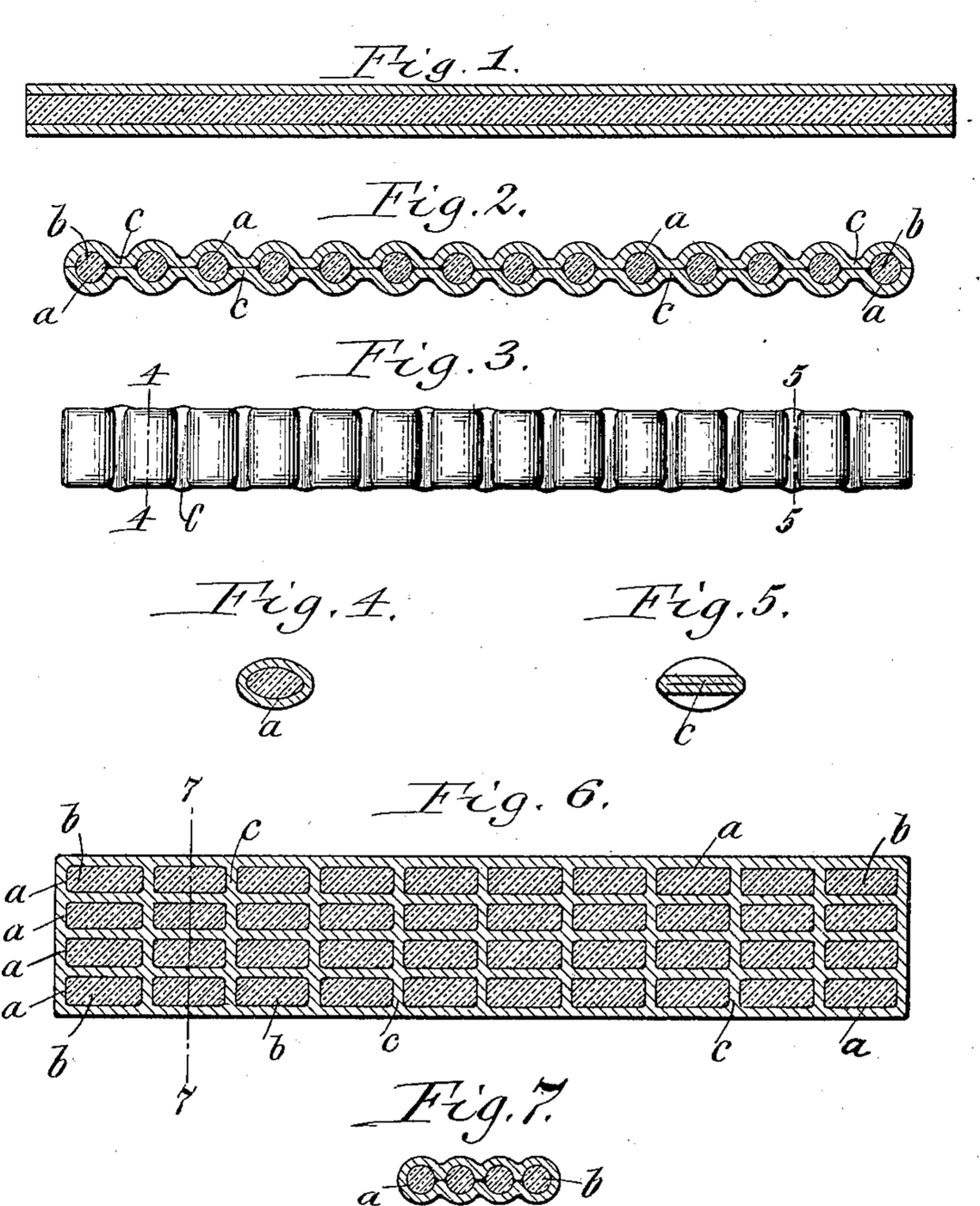


Self-Fluxing Solder with Flux Cells: Kester, 1899
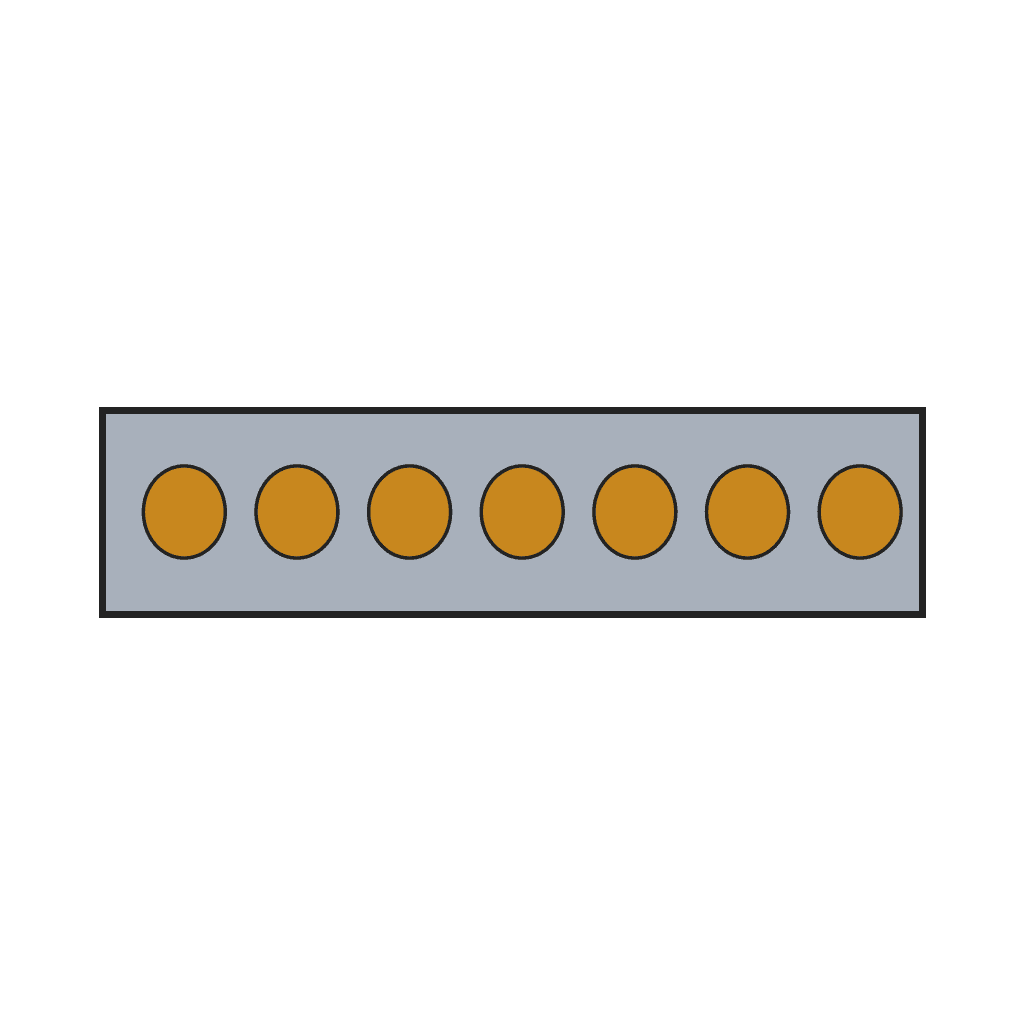
Jesse F. Kester of Buffalo, New York, patented this solder in 1899, US 628,541. Solder wire with one continuous core of flux already existed, but the flux melts at a lower heat than the solder, so it melted some distance back from the end, too much ran out at each joint, and little was left near the end for the next. Kester divided the flux into a row of separate closed cells: each melt opens one cell and supplies a uniform charge of flux.
Fortgeschritten
Workshop process
Anweisungen
1
1
Groove the wire
Groove the wire
Pass ordinary wire solder lengthwise between rollers to make it trough-shaped in cross-section. (Kester's preferred route starts instead from a tube or hollow wire of solder, filled with the flux.)
Materialien für diesen Schritt:
 Lötdraht1 as required
Benötigte Werkzeuge:
 Drahtformrollen
2
2
Fill and close
Fill and close
Fill the groove with a suitable flux, in dry, plastic or liquid form. Close the edges of the solder together again, giving the wire a rounded or oval cross-section.
Materialien für diesen Schritt:
 Flussmittel1 as required
Benötigte Werkzeuge:
Drahtformrollen3
3
Pinch into cells
Pinch into cells
Corrugate the filled wire between rollers, or pinch it at intervals of about three-sixteenths of an inch, pressing the walls together into webs. Each web closes off a cell, so the flux is held in a row of separate, uniform charges and cannot run out of the solder.
Benötigte Werkzeuge:
Drahtformrollen4
4
Wide bars
Wide bars
For wide bars, such as roofers use, form several rows of cells, in straight rows from end to end or in diagonal rows of lozenge-shaped cells. A solid bar or rod can also have cells formed in its surface, filled with flux and closed by a covering strip pressed on.
Dieser Bauplan stellt her
Verwandte Blueprints
Diese Blueprints teilen Wissen — Techniken, Materialien oder Prinzipien

CC0 Gemeinfrei
Dieser Blueprint ist unter CC0 veröffentlicht. Sie dürfen dieses Werk für jeden Zweck frei kopieren, ändern, verbreiten und verwenden, ohne um Erlaubnis zu fragen.
Unterstützen Sie den Maker, indem Sie Produkte über seinen Blueprint kaufen, wo er eine Maker-Provision von Anbietern festgelegt, verdient. Oder erstellen Sie eine neue Iteration dieses Blueprints und verbinden Sie ihn in Ihrem eigenen Blueprint, um Einnahmen zu teilen.