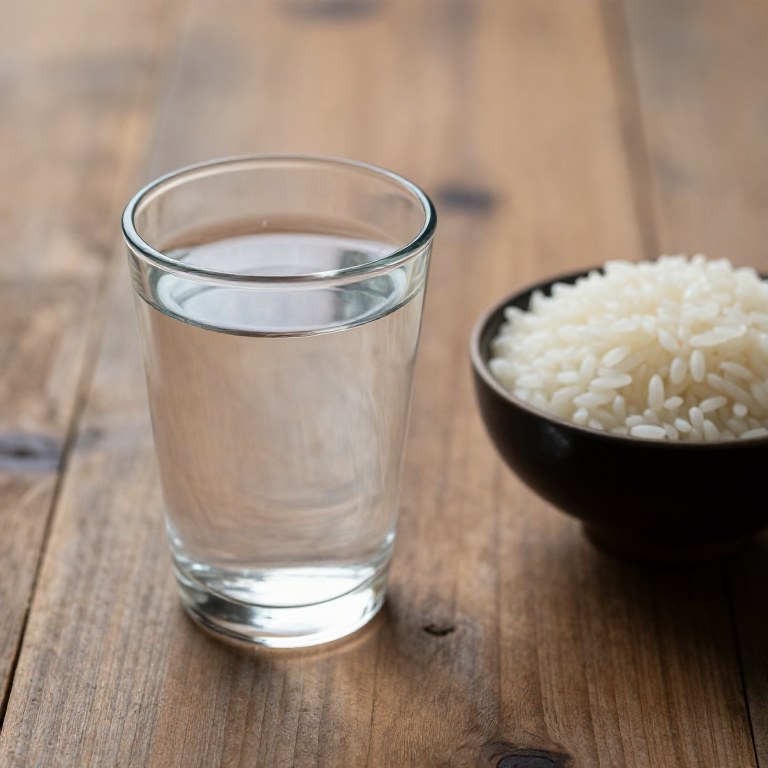

Arrack (Spirit of Rice): Rice Flour Gelatinised, Saccharified with Malt, Fermented and Distilled (Byrn, 1868)
Instrucciones
Read Byrn, and the law
Read Byrn, and the law
The still
The still
His measures in metric
His measures in metric
Grind rice and malt fine
Grind rice and malt fine
Materiales para este paso:
 Arroz blanco1 as required
 Malta pálida1 as required
Herramientas necesarias:
 Molino de grano
Rice and water, 77-80 F
Rice and water, 77-80 F
Materiales para este paso:
 Agua1 as required
Herramientas necesarias:
 Tina de madera
 Cuchara de madera
 Termómetro de cocina
Steep the malt apart
Steep the malt apart
Materiales para este paso:
Agua1 as requiredHerramientas necesarias:
 Olla grandeTermómetro de cocina
Thicken to 180 F
Thicken to 180 F
Materiales para este paso:
Agua1 as requiredHerramientas necesarias:
Olla grandeCuchara de maderaTermómetro de cocinaMash in the malt
Mash in the malt
Herramientas necesarias:
Tina de maderaCuchara de maderaThin and cool
Thin and cool
Materiales para este paso:
Agua1 as requiredHerramientas necesarias:
 HidrómetroTermómetro de cocina
Ferment as for corn
Ferment as for corn
Materiales para este paso:
 Levadura cervecera1 as required
Herramientas necesarias:
 Barril de maderaTermómetro de cocina
Charge and lute the still
Charge and lute the still
Materiales para este paso:
 Carbonato de calcio (blanco de España)1 as required
 Harina de centeno1 as requiredAgua1 as required
Herramientas necesarias:
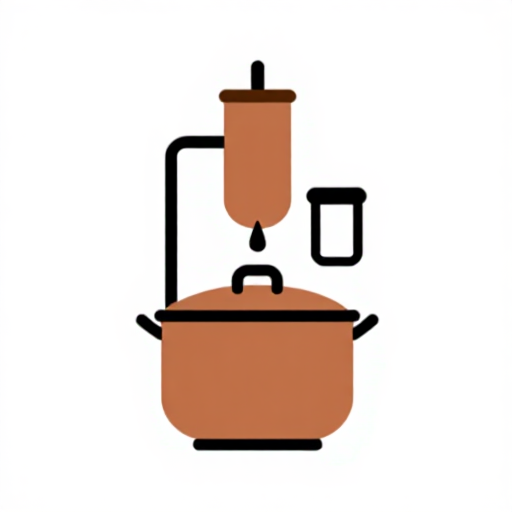 Alambique de destilación
Raise the fire by degrees
Raise the fire by degrees
Herramientas necesarias:
Alambique de destilación Manta de lana tejida
Set aside the first runnings
Set aside the first runnings
Herramientas necesarias:
 Jarra medidora
Run the low wines
Run the low wines
Herramientas necesarias:
Alambique de destilación VelaBarril de maderaHidrómetro
Double the low wines
Double the low wines
Herramientas necesarias:
Alambique de destilaciónCut at the bead
Cut at the bead
Herramientas necesarias:
 Vial de vidrio (pequeño, para muestras)Jarra medidora
Collect the feints, stop the fire
Collect the feints, stop the fire
Herramientas necesarias:
Barril de maderaVelaBring to proof
Bring to proof
Materiales para este paso:
Agua1 as requiredHerramientas necesarias:
HidrómetroJarra medidoraRedistil the feints
Redistil the feints
Materiales para este paso:
 Sal1.8 kg
Herramientas necesarias:
Alambique de destilaciónKeep it in glass
Keep it in glass
Materiales para este paso:
 Botellas de vidrio con tapones1 pieza
Herramientas necesarias:
Jarra medidoraTroubleshooting
Troubleshooting
Flow
History and honest limits
History and honest limits
Materiales
8- 1 as requiredMarcador de posición
- 1 as requiredMarcador de posición
- 6 as requiredMarcador de posición
- 1 as requiredMarcador de posición
- 1 as requiredMarcador de posición
- 1 as requiredMarcador de posición
- 1.8 kgMarcador de posición
- Marcador de posición
Herramientas requeridas
12- Marcador de posición
- Marcador de posición
- Marcador de posición
- Marcador de posición
- Marcador de posición
- Marcador de posición
- Marcador de posición
- Marcador de posición
- Marcador de posición
- Marcador de posición
- Marcador de posición
- Marcador de posición
Materiales de Blueprints conectados


Este plano hace
Blueprints relacionados
Estos blueprints comparten conocimiento — técnicas, materiales o principios
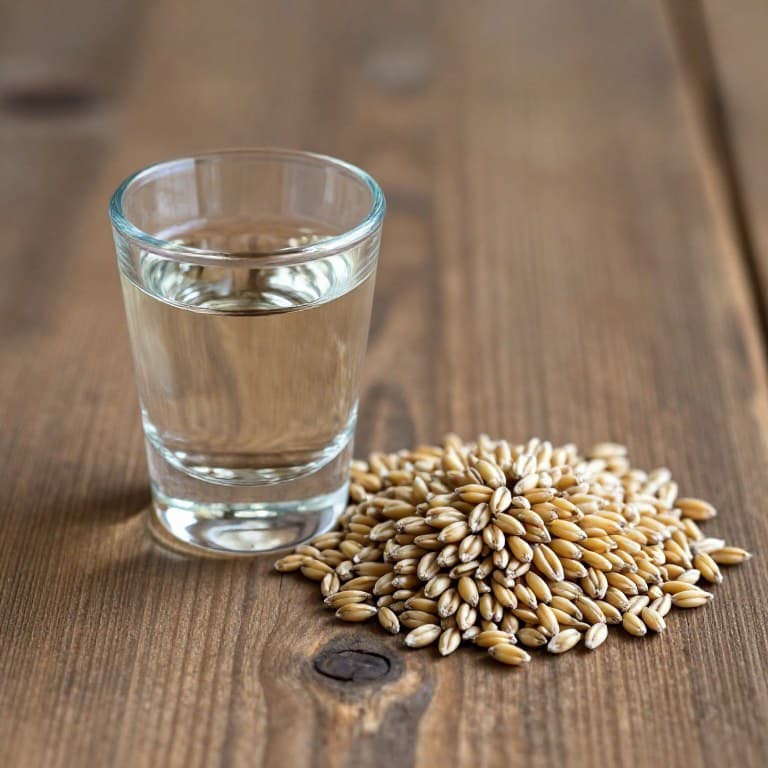
Malt Whisky: Malt and Barley Meal Mashed at 150 F, Fermented 8 to 12 Days and Distilled (Byrn, 1868)
por Alchometer
Bebidas Alcohólicas
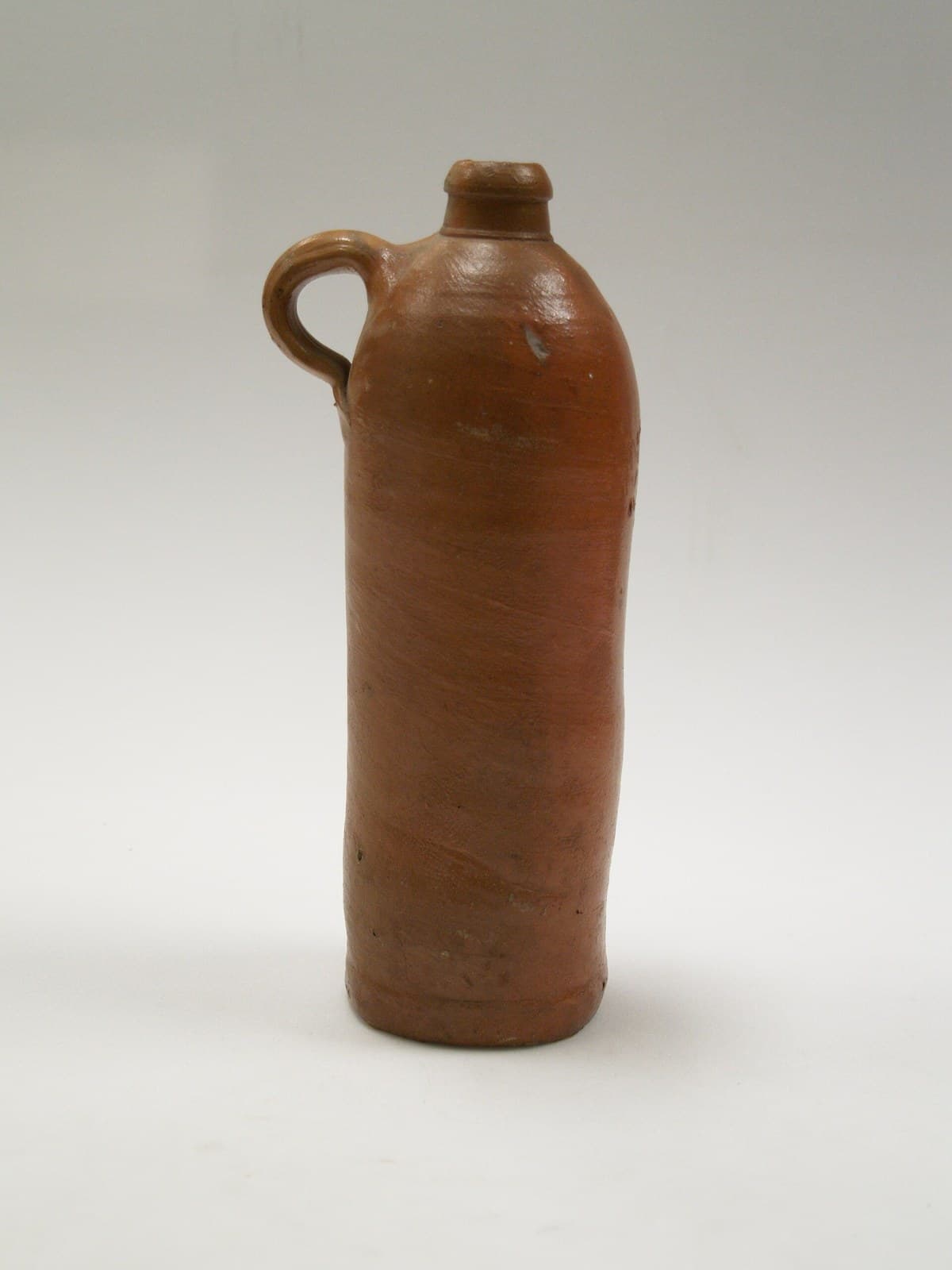
Dutch Geneva (Genever): Malt and Rye Mashed at 162 F, Distilled Three Times with Juniper and Hops (Byrn, 1868)
por Alchometer
Bebidas Alcohólicas
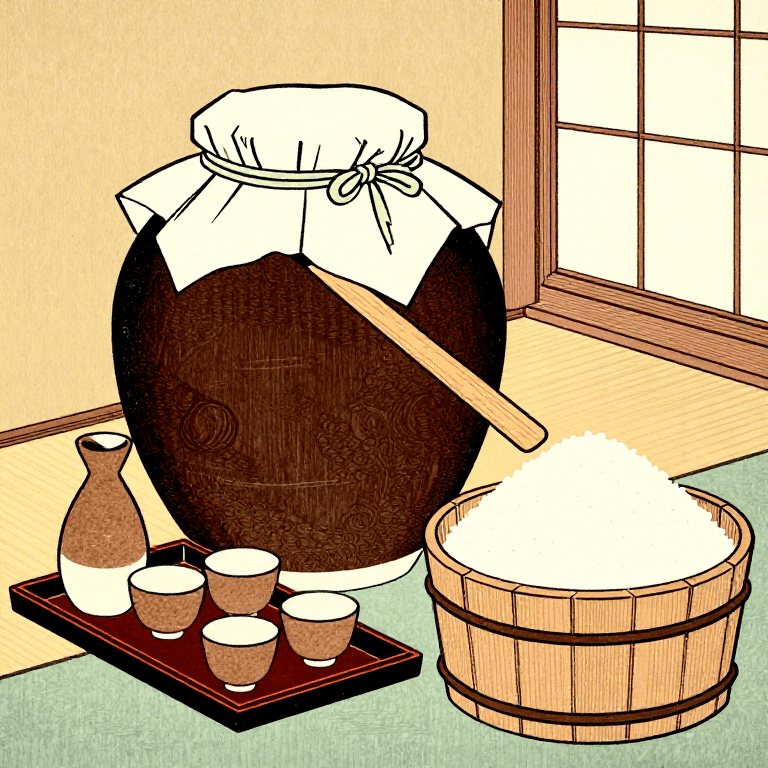
Brewing Sake Rice Wine — Parallel Fermentation with Koji
por Alchometer
Elaboración de Cerveza
CC0 Dominio público
Este Blueprint se publica bajo CC0. Eres libre de copiar, modificar, distribuir y usar este trabajo para cualquier propósito, sin pedir permiso.
Apoya al Maker comprando productos a través de su Blueprint, donde gana una Comisión del Maker establecida por los vendedores, o crea una nueva iteración de este Blueprint e inclúyela como conexión en tu propio Blueprint para compartir ingresos.