ARTE
BELLEZA Y BIENESTAR
ARTESANÍA
CULTURA E HISTORIA
ENTRETENIMIENTO
MEDIO AMBIENTE
COMIDA Y BEBIDAS
INGENIERÍA INVERSA
CIENCIAS
DEPORTES
TECNOLOGÍA
TECNOLOGÍA VESTIBLE
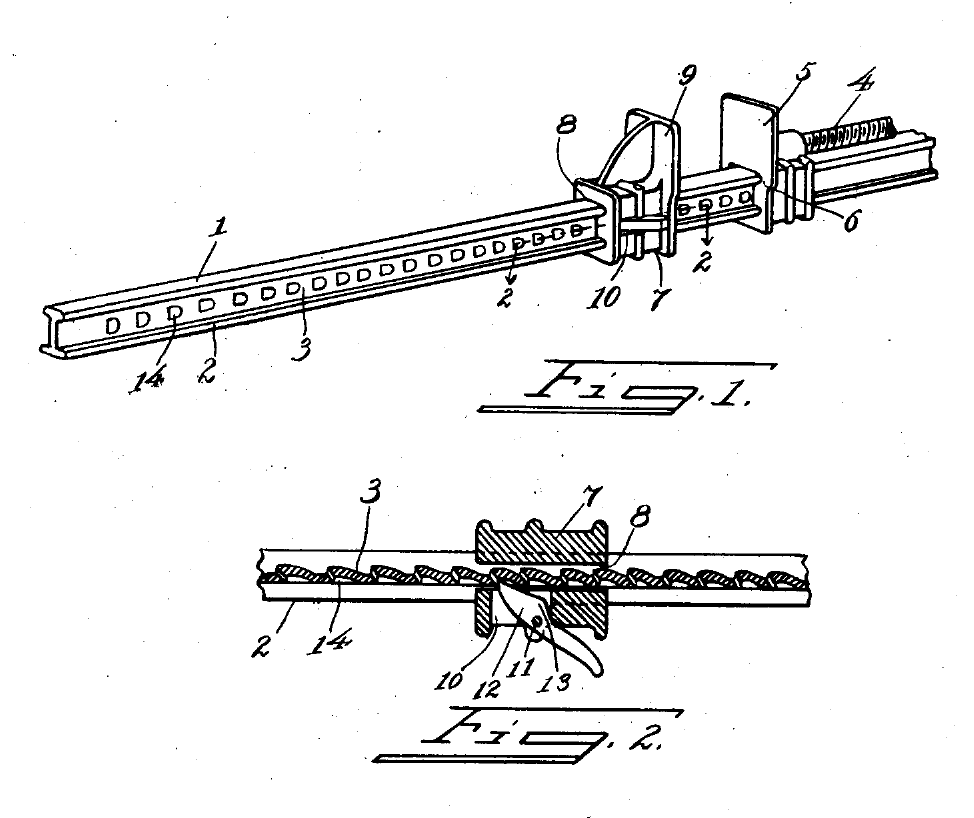


Bar Clamp with Die-Formed Notches: Hargrave, 1927
A cabinetmaker's bar clamp has a screw-adjusted jaw at one end of a bar and a sliding jaw held by a pawl in teeth along the bar. Teeth cut into the bar's edge weaken it, cannot be spaced closely, and wear until the pawl slips. John M. Hargrave of Cincinnati patented the fix in 1927, US 1,638,848: use an I-section bar and press a row of depressions into the side of its web with dies. Each depression has an abrupt, deep shoulder for the pawl and a sloping face away from it. Nothing is cut away, the corrugations stiffen the bar, the notches can be close together, and pressing them is cheaper than cutting.
Intermedio
Workshop process
Instrucciones
1
1
Form the notches
Form the notches
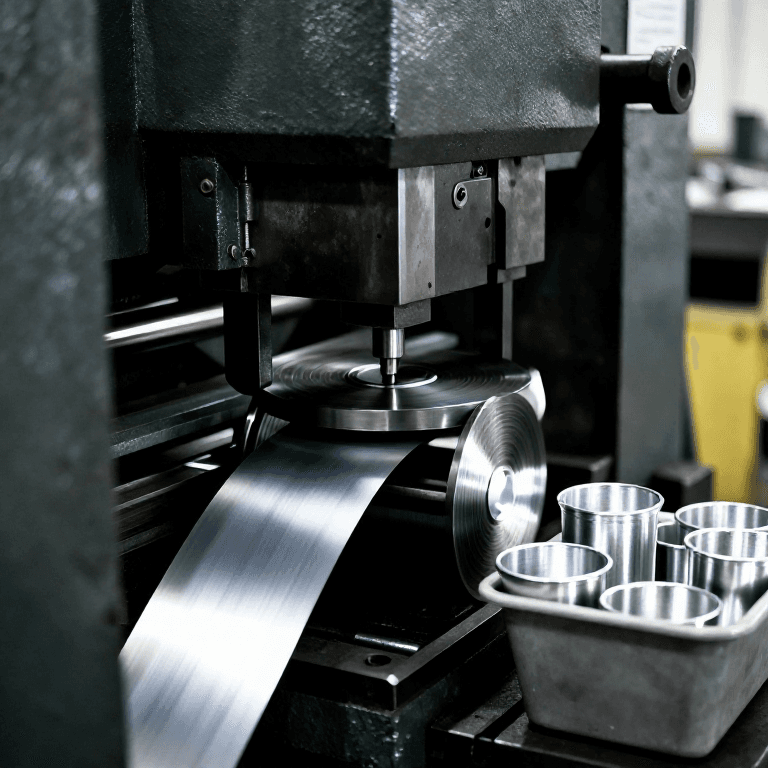
Press a row of spaced depressions into the web of the I-section bar with a die in a press. Each has an abrupt wall or shoulder at one end and a sloping face towards the other.
Materiales para este paso:
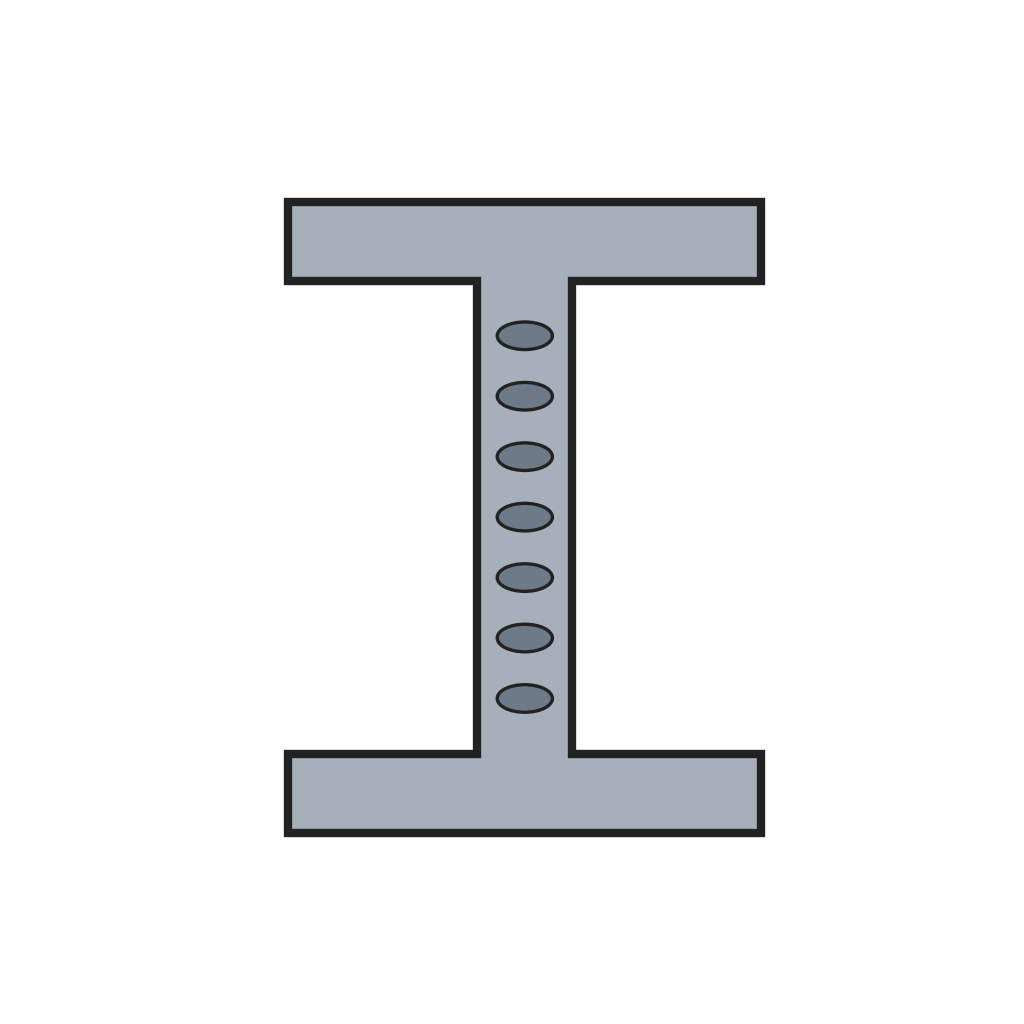 Barra de sargento de sección en I1 pieza
Herramientas necesarias:
 Prensa de estampación
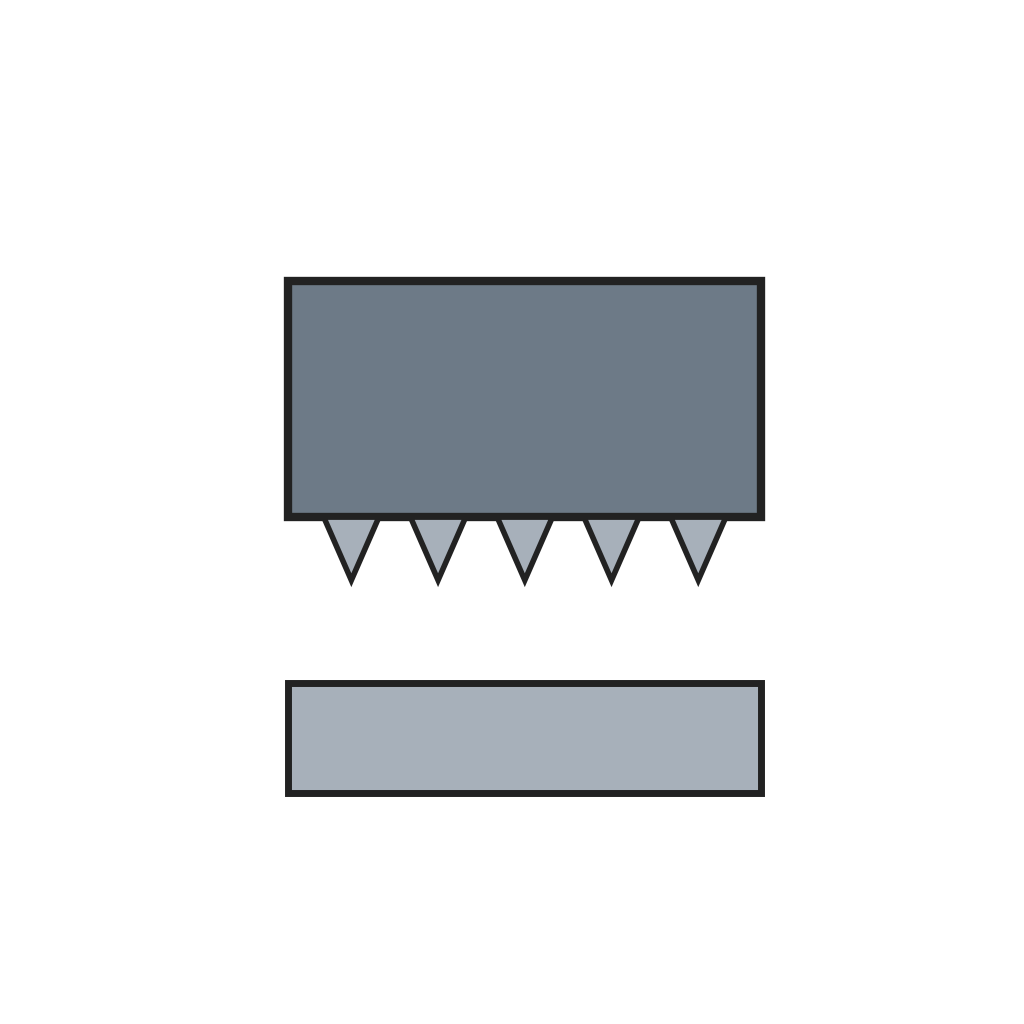 Matriz de formar muescas
2
2
Screw jaw
Screw jaw
Fit the clamp member with an I-shaped recess snugly over one end of the bar; its position is set by the screw.
Materiales para este paso:
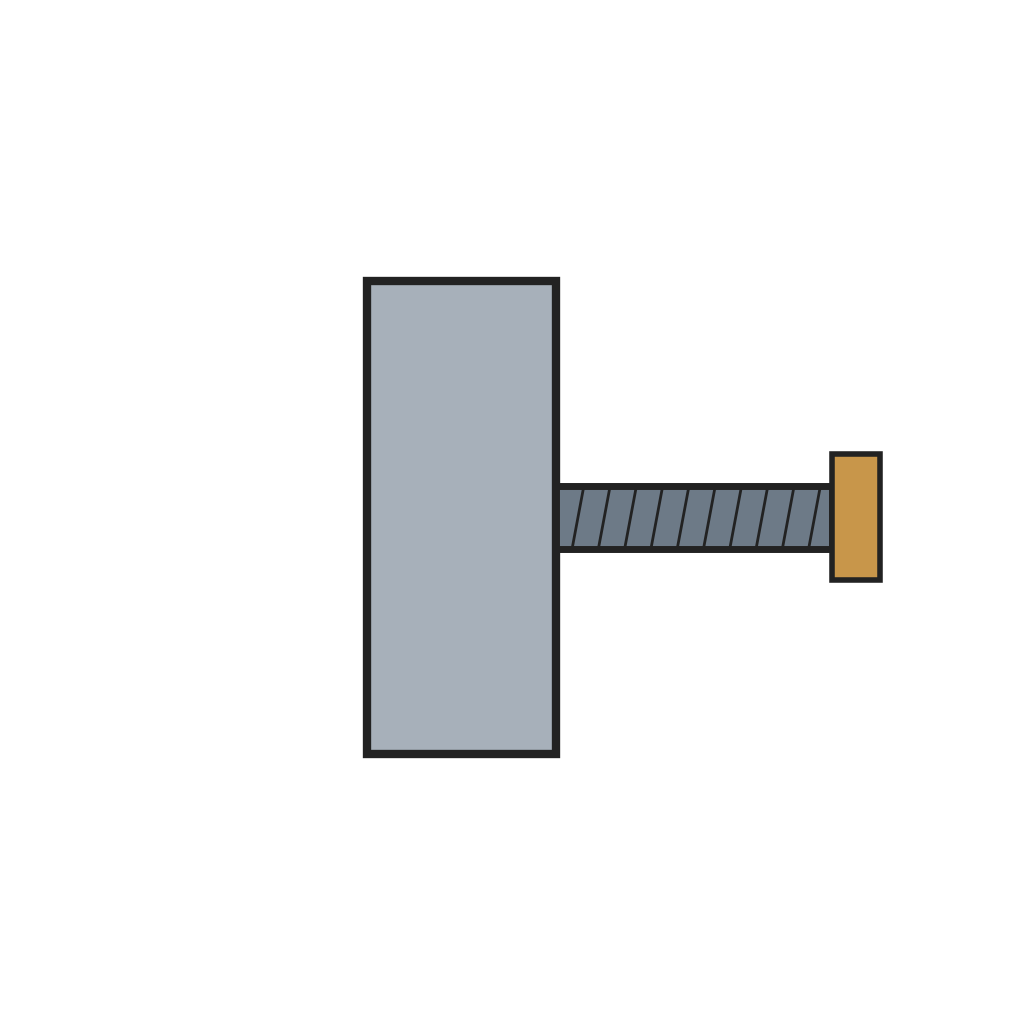 Mordaza de apriete por tornillo1 pieza
3
3
Pawl slider
Pawl slider
Slide on the body with its I-shaped recess and clamp face. Pivot the pawl on a pin across the aperture in its side, with a shoulder that rocks against the front face of the aperture to take the strain off the pin. The pawl's point abuts the shoulders of the depressions and drags over the sloping faces when the slider is moved.
Materiales para este paso:
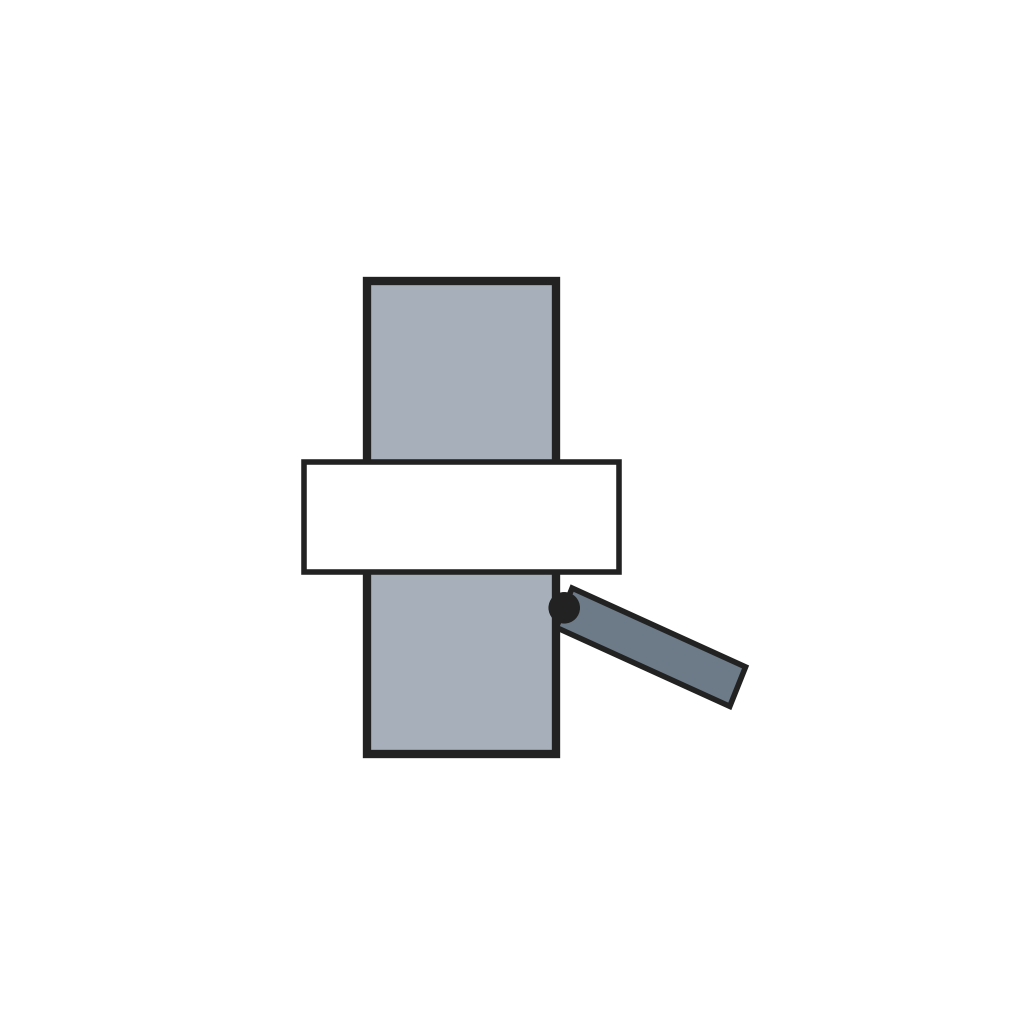 Corredera de trinquete1 pieza
Materiales
3- Marcador de posición
- Marcador de posición
- 1 piezaMarcador de posición
Herramientas requeridas
2- Marcador de posición
- Marcador de posición
Este plano hace
Blueprints relacionados
Estos blueprints comparten conocimiento — técnicas, materiales o principios

CC0 Dominio público
Este Blueprint se publica bajo CC0. Eres libre de copiar, modificar, distribuir y usar este trabajo para cualquier propósito, sin pedir permiso.
Apoya al Maker comprando productos a través de su Blueprint, donde gana una Comisión del Maker establecida por los vendedores, o crea una nueva iteración de este Blueprint e inclúyela como conexión en tu propio Blueprint para compartir ingresos.