Colaboración
ARTE
BELLEZA Y BIENESTAR
ARTESANÍA
CULTURA E HISTORIA
ENTRETENIMIENTO
MEDIO AMBIENTE
COMIDA Y BEBIDAS
INGENIERÍA INVERSA
CIENCIAS
DEPORTES
TECNOLOGÍA
TECNOLOGÍA VESTIBLE
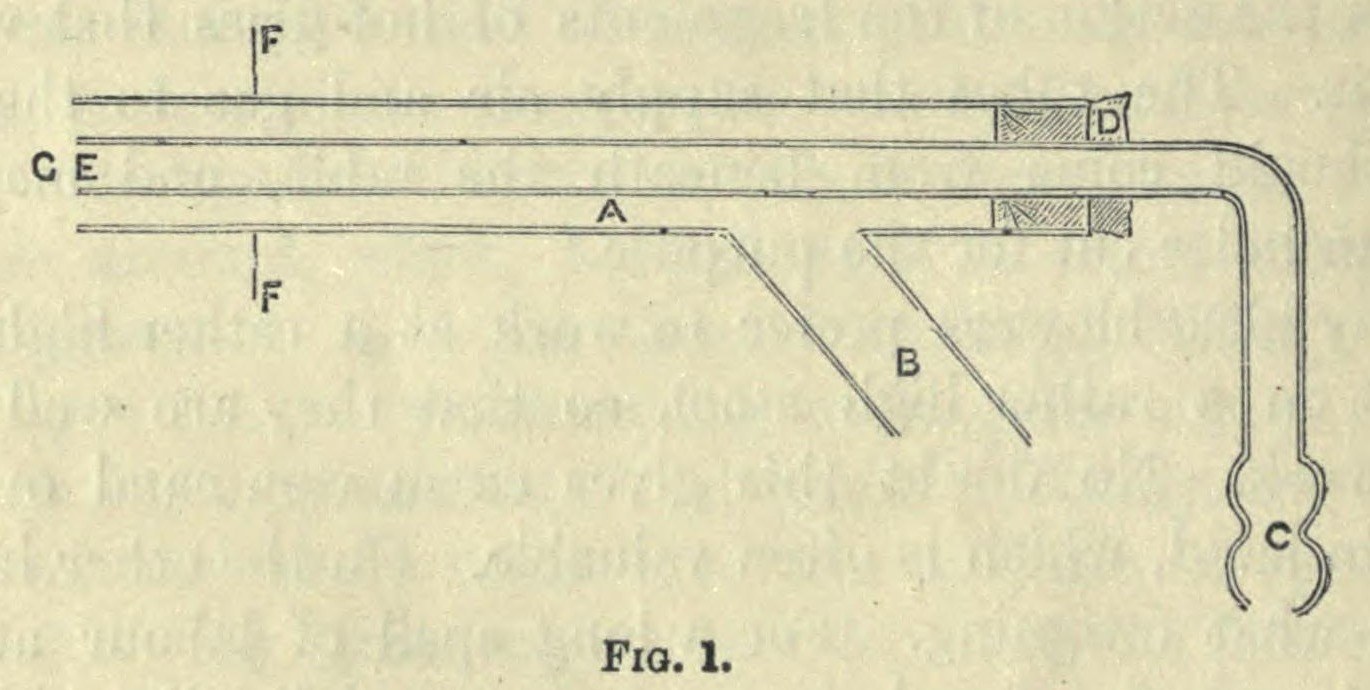


Bench Glassblowing Torch: Brass Gas Blowpipe with a Glass Air Jet (Shenstone, 1916)
A glassblower's gas blowpipe you can make yourself: a brass tube with a side tube for gas, and a glass air jet down its middle fed from a foot-blower. A fine jet gives the small pointed flame for joints, and a wider jet the big brush flame for heating large tubes. It is pegged into a wooden block on a sheet-iron-covered bench, with taps for gas and air at the bench edge.
Result: a bench blowpipe for working glass tube. Make two: one about 11 mm bore for small work, one 15 to 17 mm for large.
Source: W. A. Shenstone, The Methods of Glass-Blowing (1916), pp. 3-9. Unknown: the brazing metal and the tap type. Picture: Fig. 1 of the book.
Intermedio
Unknown
Instrucciones
1
1
Braze the gas inlet
Braze the gas inlet
Take a brass tube for the body: about 11 mm bore for the small blowpipe, 15 to 17 mm for the large one. Braze a side tube for the gas onto it 10 to 12 cm from the back end, according to the tube's size. Fix a spike to it for mounting. Ours: borax as the flux. Not given: the brazing metal.
Materiales para este paso:
 Tubo de latón1 body and side tube
 Metal desconocido1 brazing metal and spike
 Bórax en polvo1 brazing flux
Herramientas necesarias:
 Sierra para metales
 Fragua
2
2
Fit the glass air jet
Fit the glass air jet
Fit a glass tube down the middle of the brass tube, held by a cork at the back end, its tip near the mouth. For the small pointed flame, draw the tip down to the size of a large knitting needle. For a large flame rich in air, the tip may be nearly half the bore of the brass tube. Make several air tubes of different sizes for each blowpipe.
Materiales para este paso:
 Tubo de vidrio3 air jets of several sizes
 Corchos1 jet cork
Herramientas necesarias:
 Mechero Bunsen
3
3
Set up the bench
Set up the bench
Cover the bench round the blowpipe with sheet iron. Drill several holes in a block of wood so the spike can be set at different positions. Fix two taps near the bench edge, one for gas and one for air. Connect them by flexible tubes to the supplies on one side and to the blowpipe's gas inlet and air jet on the other. Ours: mild steel sheet, rubber tubing. Not given: the tap type.
Materiales para este paso:
 Chapa de acero dulce1 bench cover
 Bloque de madera dura1 mounting block
 Válvula desconocida2 gas and air taps
 Tubo de goma1 flexible tubes
Herramientas necesarias:
 Taladro de columna
4
4
Light it and blow
Light it and blow
Light the gas at the mouth and work a foot-blower to drive air through the glass jet into the burning gas. Little air and a small jet give the pointed flame; plenty of gas and a strong blast give the large, non-luminous brush flame.
Herramientas necesarias:
 Fuelle
Materiales
9- 1 body and side tubeMarcador de posición
- 1 brazing metal and spikeMarcador de posición
- 1 brazing fluxMarcador de posición
- 3 air jets of several sizesMarcador de posición
- 1 jet corkMarcador de posición
- 1 bench coverMarcador de posición
- 1 mounting blockMarcador de posición
- 2 gas and air tapsMarcador de posición
- 1 flexible tubesMarcador de posición
Herramientas requeridas
5- Marcador de posición
- Marcador de posición
- Marcador de posición
- Marcador de posición
- Marcador de posición
Materiales de Blueprints conectados
10% de atribución
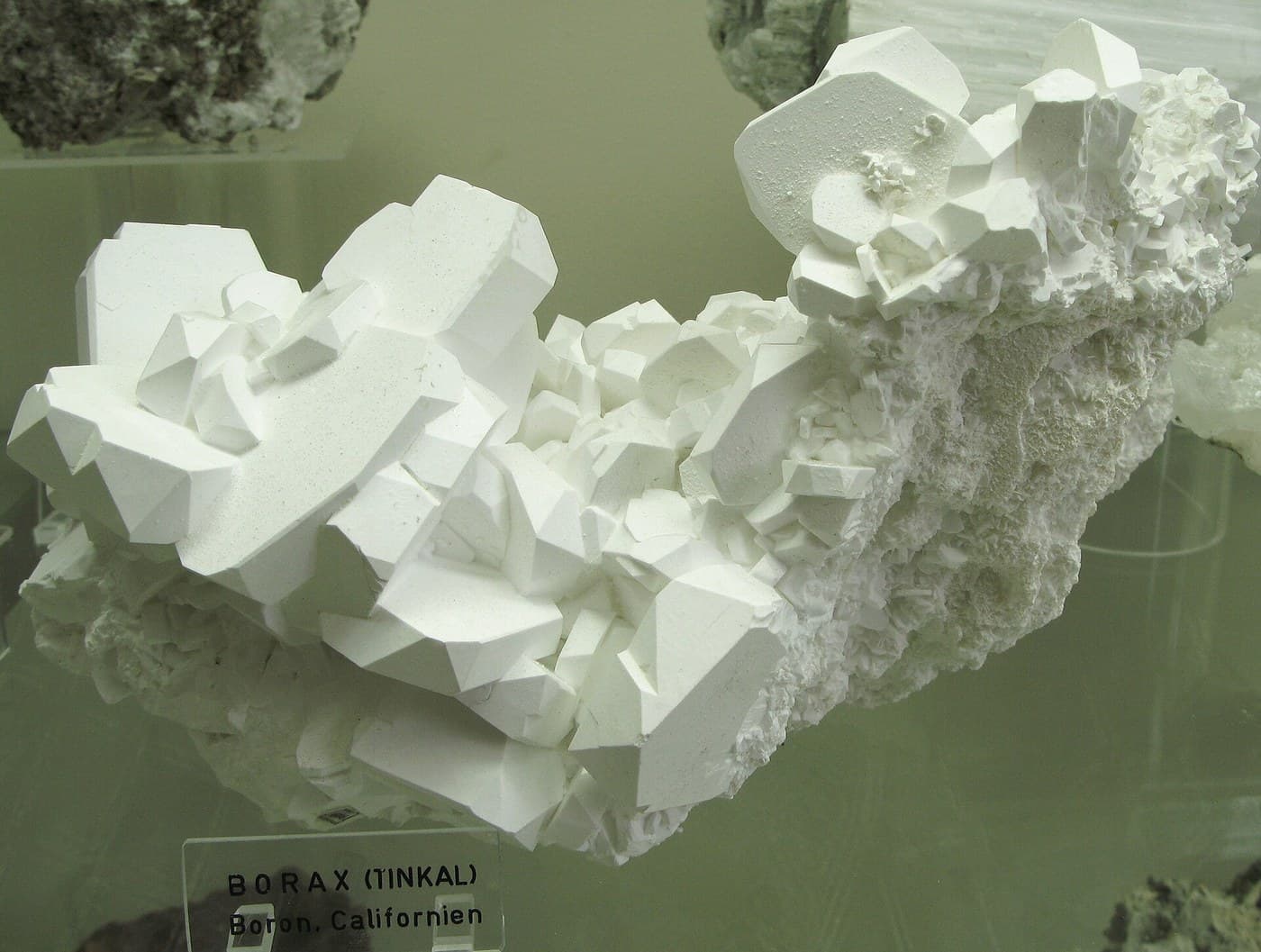
Venetian Borax: Refining Tincal with Lime
por Charlie
Inorgánico
21
0
0
0
1
0
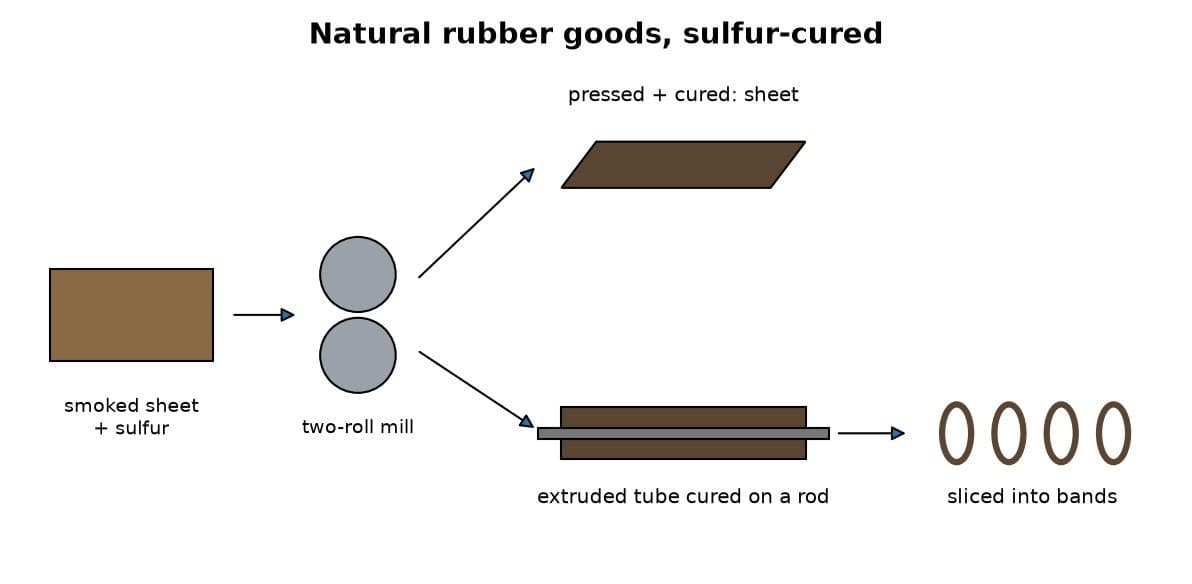
10% de atribución
Natural Rubber Tubing, Bands and Sheet: Sulfur-Cured with Heat
por Mary
Química
15
0
0
0
2
0
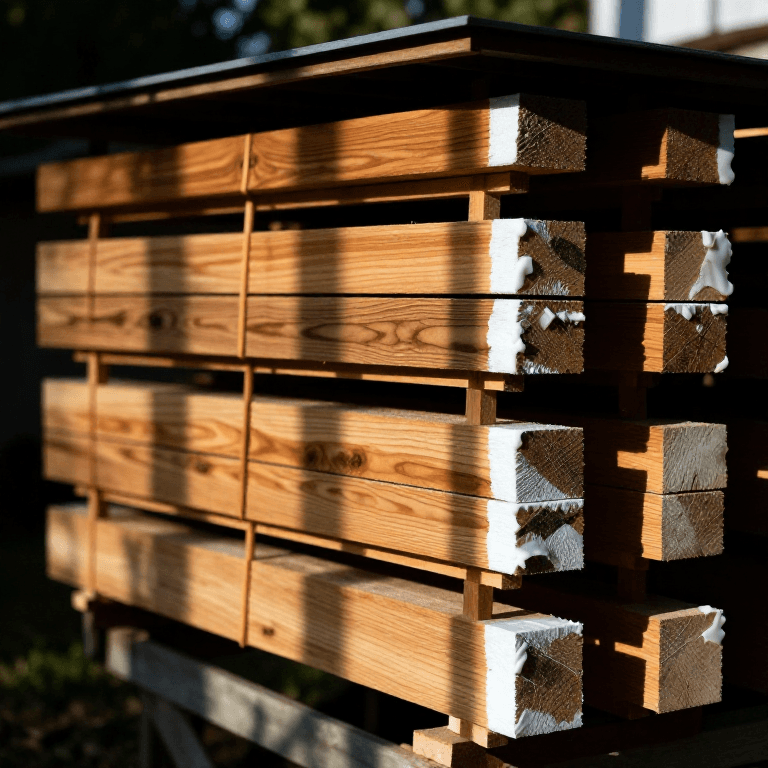
10% de atribución
Oak Boards and Blocks, Milled and Air-Dried
por Woody
Carpintería
43
0
0
0
3
0
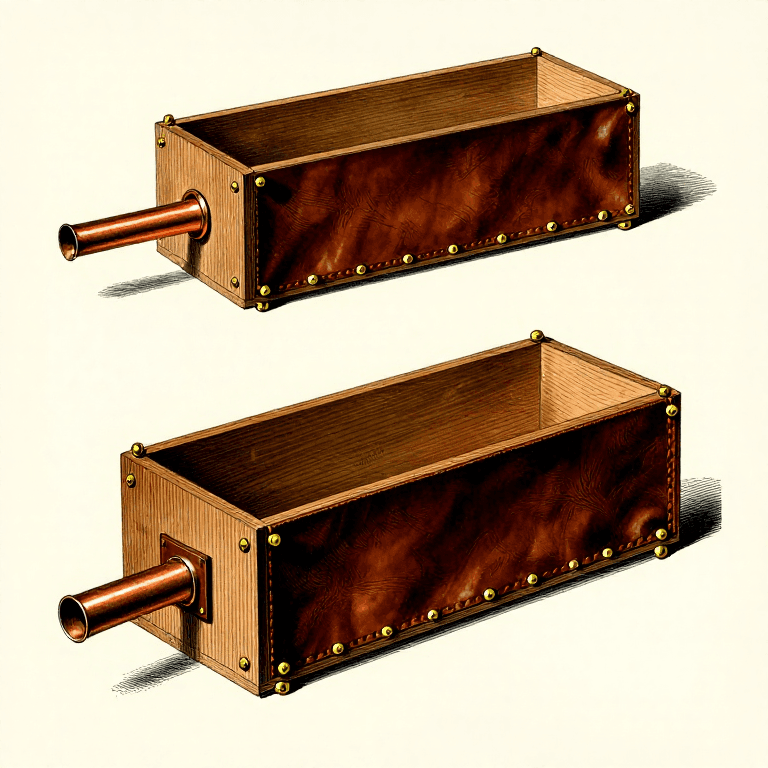
10% de atribución
Building a Box Bellows — The Breath That Makes Metal Obey Fire
por Emma
Carpintería
107
0
0
0
8
0
Este plano hace
CC0 Dominio público
Este Blueprint se publica bajo CC0. Eres libre de copiar, modificar, distribuir y usar este trabajo para cualquier propósito, sin pedir permiso.
Apoya al Maker comprando productos a través de su Blueprint, donde gana una Comisión del Maker establecida por los vendedores, o crea una nueva iteración de este Blueprint e inclúyela como conexión en tu propio Blueprint para compartir ingresos.