ARTE
BELLEZA Y BIENESTAR
ARTESANÍA
CULTURA E HISTORIA
ENTRETENIMIENTO
MEDIO AMBIENTE
COMIDA Y BEBIDAS
INGENIERÍA INVERSA
CIENCIAS
DEPORTES
TECNOLOGÍA
TECNOLOGÍA VESTIBLE
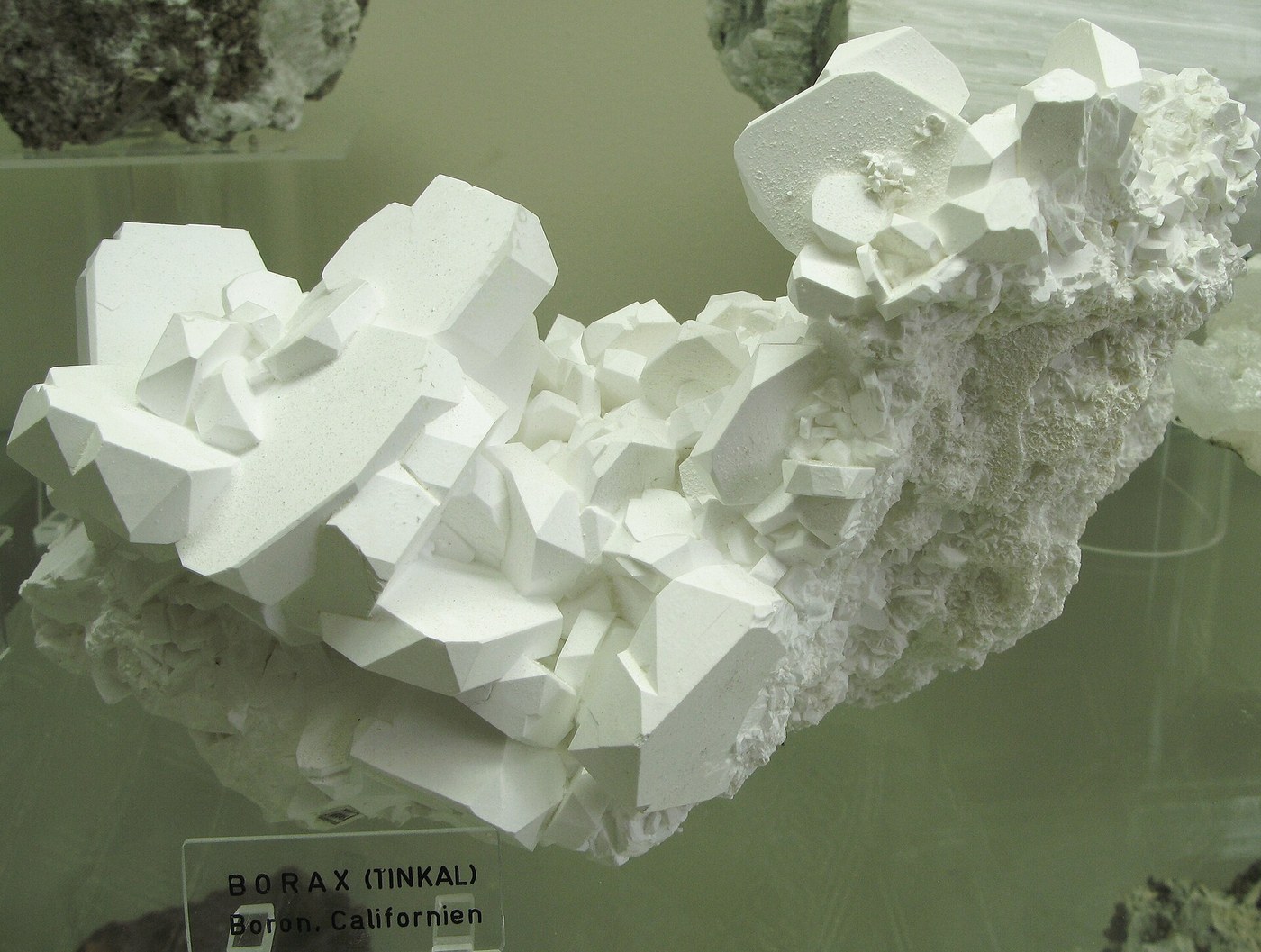


Venetian Borax: Refining Tincal with Lime
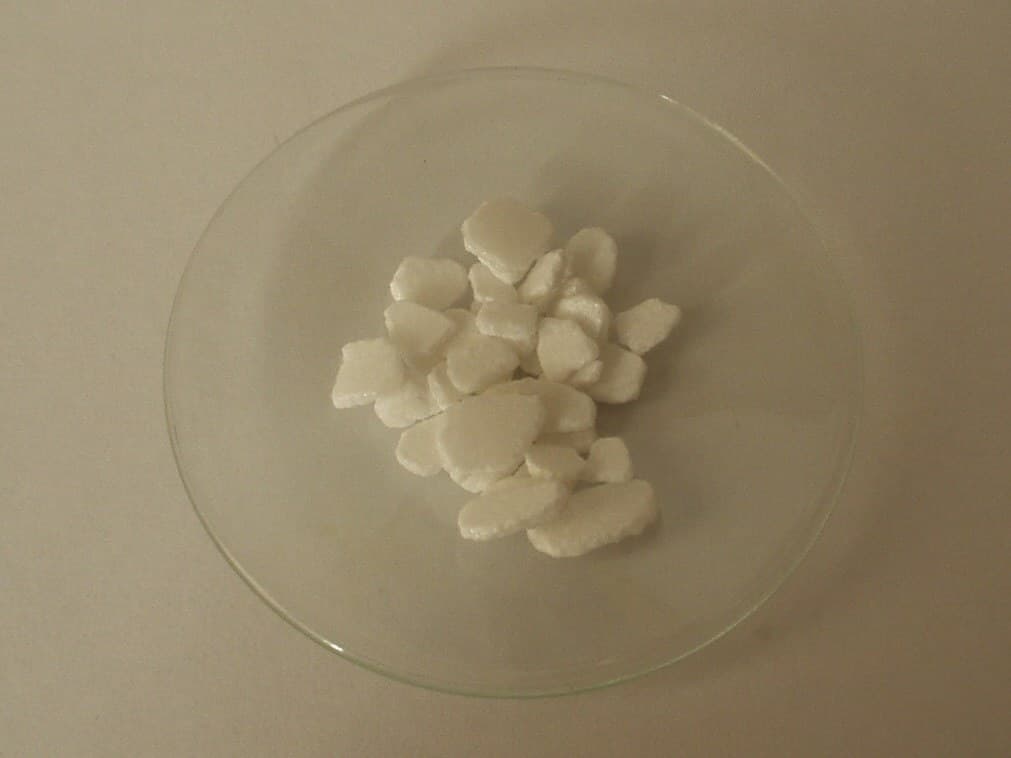
Native borax, tincal, came to Europe from the dried lake shores of Tibet and India coated in an earthy, soapy fat. Venice, then the Dutch, refined it in secret: the refined salt was called Venetian borax. One of their methods is recorded by Knapp, as Muspratt gives it in 1860: soften the tincal with water and a little slaked lime, wash it clean, dissolve it hot with a little chloride of calcium to take out the last of the soap, then crystallise it in lead-lined wooden cones. Borax is the flux of brazing and soldering.
Intermedio
Several days
Instrucciones
1
1
Weigh the tincal and the additions
Weigh the tincal and the additions
Weigh the tincal, about 1 per cent of its weight of slaked lime, and about 2 per cent of chloride of calcium (step 7 works it out for 10 kg).
Materiales para este paso:
 Tincal (bórax bruto)10 kg
 Cal apagada (hidróxido de calcio)100 g
 Cloruro de calcio200 g
Herramientas necesarias:
 Balanza de platillos
2
2
Soften it with water and lime
Soften it with water and lime
Soften the tincal in a small quantity of cold water in a wooden tub, and stir it about while adding the slaked lime little by little.
Materiales para este paso:
 Agua1 as required
Herramientas necesarias:
 Tina de madera
 Pala de madera
 Gafas de protección química
 Guantes de goma
3
3
Wash it several times
Wash it several times
Pour off the turbid lime-water. Let the impurities settle out of it, then pour the clear liquid back over the crystals. Repeat this several times; it takes away the greater part of the soapy crust.
Herramientas necesarias:
Tina de maderaPala de madera4
4
Dissolve hot with chloride of calcium
Dissolve hot with chloride of calcium
Dissolve the washed crystals in hot water and add the chloride of calcium. It turns what soap remains into an insoluble lime soap (and common salt); strain that off.
Materiales para este paso:
Agua1 as required Carbón vegetal1 as required
Herramientas necesarias:
 Paila de evaporación
 Horno de carbón vegetal
 ColadorPala de maderaGafas de protección químicaGuantes de goma
5
5
Boil down to 21 degrees Baumé
Boil down to 21 degrees Baumé
Evaporate the clear liquid to 21 degrees Baumé, a specific gravity of 1.17, checking with a hydrometer.
Materiales para este paso:
Carbón vegetal1 as requiredHerramientas necesarias:
Paila de evaporaciónHorno de carbón vegetal Hidrómetro
6
6
Crystallise in lead-lined cones
Crystallise in lead-lined cones
Run the liquor into wooden vessels lined with lead and shaped as short inverted cones, and let it crystallise. Any deposit collects in the narrow lower part and does not spoil the crystals. Knapp adds that a little tincal stirred in before this last crystallisation keeps the crystals from splitting and flying off the work when heated for soldering.
Herramientas necesarias:
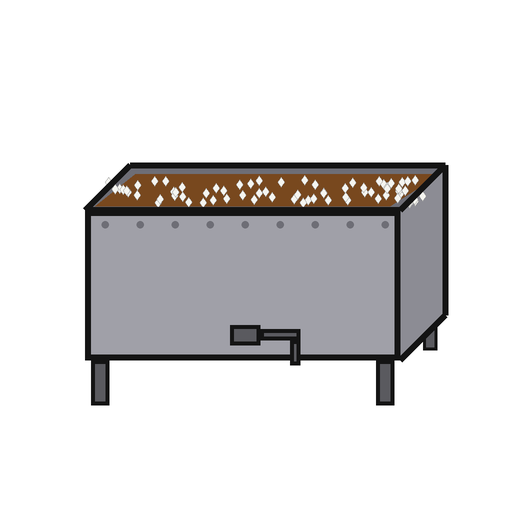 Tanque de cristalización
 Lámina de plomo
7
7
Knapp's additions, per 10 kg
Knapp's additions, per 10 kg
Cargando el cuaderno de Jupyter…
8
8
Powder it for flux
Powder it for flux
Take out the crystals, dry them and grind them in a mortar to a powder for use as flux. Keep it covered: in dry air borax slowly loses water and turns opaque on the surface.
Herramientas necesarias:
 Mortero y mano de mortero
9
9
Troubleshooting
Troubleshooting
Borax refining troubleshooting.
Flow
Loading...
10
10
History and honest limits
History and honest limits
Muspratt (1860) gives Knapp's two known methods of the secret Venetian and Dutch refining; this is the lime method. The other washed the powdered tincal with caustic soda lye and added carbonate of soda. By Muspratt's time most borax was made instead from the boracic acid of Tuscany and carbonate of soda. Knapp's per cent figures do not say of what; we take them as per cent of the tincal. Grinding the crystals to powder is ours.
Materiales
5- 10 kgMarcador de posición
- Marcador de posición
- 200 gMarcador de posición
- 2 as requiredMarcador de posición
- 1 as requiredMarcador de posición
Herramientas requeridas
12- Marcador de posición
- Marcador de posición
- Marcador de posición
- Marcador de posición
- Marcador de posición
- Marcador de posición
- Marcador de posición
- Marcador de posición
- Marcador de posición
- Marcador de posición
- Marcador de posición
- Marcador de posición

Blueprints relacionados
Estos blueprints comparten conocimiento — técnicas, materiales o principios
CC0 Dominio público
Este Blueprint se publica bajo CC0. Eres libre de copiar, modificar, distribuir y usar este trabajo para cualquier propósito, sin pedir permiso.
Apoya al Maker comprando productos a través de su Blueprint, donde gana una Comisión del Maker establecida por los vendedores, o crea una nueva iteración de este Blueprint e inclúyela como conexión en tu propio Blueprint para compartir ingresos.