ARTE
BELLEZA Y BIENESTAR
ARTESANÍA
CULTURA E HISTORIA
ENTRETENIMIENTO
MEDIO AMBIENTE
COMIDA Y BEBIDAS
INGENIERÍA INVERSA
CIENCIAS
DEPORTES
TECNOLOGÍA
TECNOLOGÍA VESTIBLE
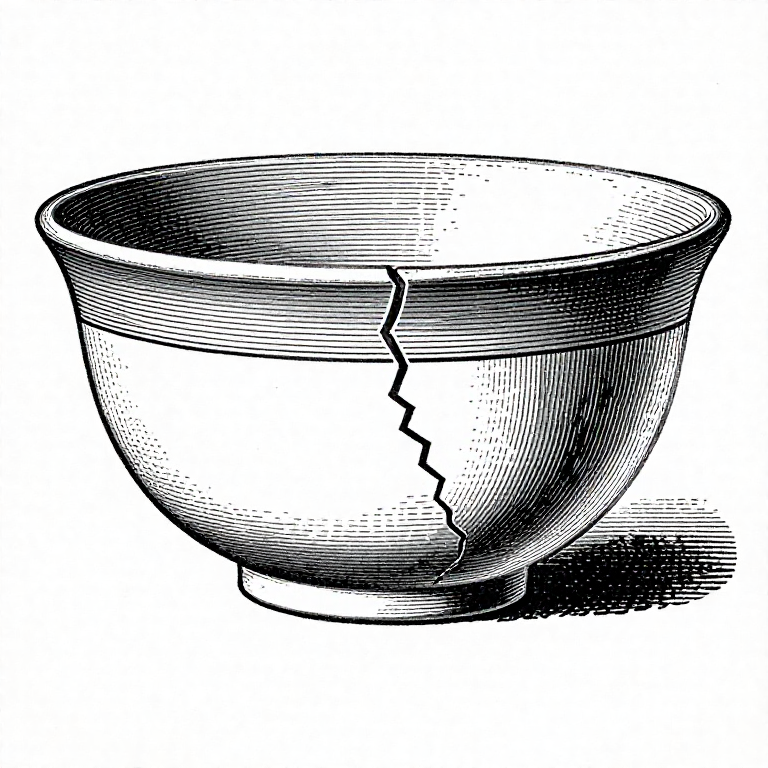
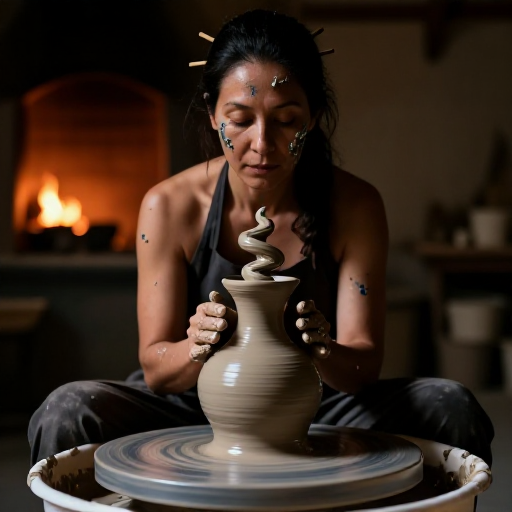

Even Walls, Even Drying: Why Pots Crack, and Where
A crack is clay being pulled harder than it can hold. That pull comes from one part shrinking while another part, still wetter, refuses to move — so every crack is a record of uneven drying, and uneven drying is nearly always a record of uneven thickness.
Which makes wall thickness the quiet skill underneath everything. A pot of even thickness dries at one rate throughout and is almost impossible to crack; a pot with a heavy base and thin walls is difficult to save however carefully it is dried.
The useful part is that cracks are DIAGNOSTIC. Where a crack appears tells you what went wrong and when, and that is worth far more than knowing that cracking is bad.
Intermedio
3 hours
Instrucciones
1
1
Feel the thickness, and check the base
Feel the thickness, and check the base
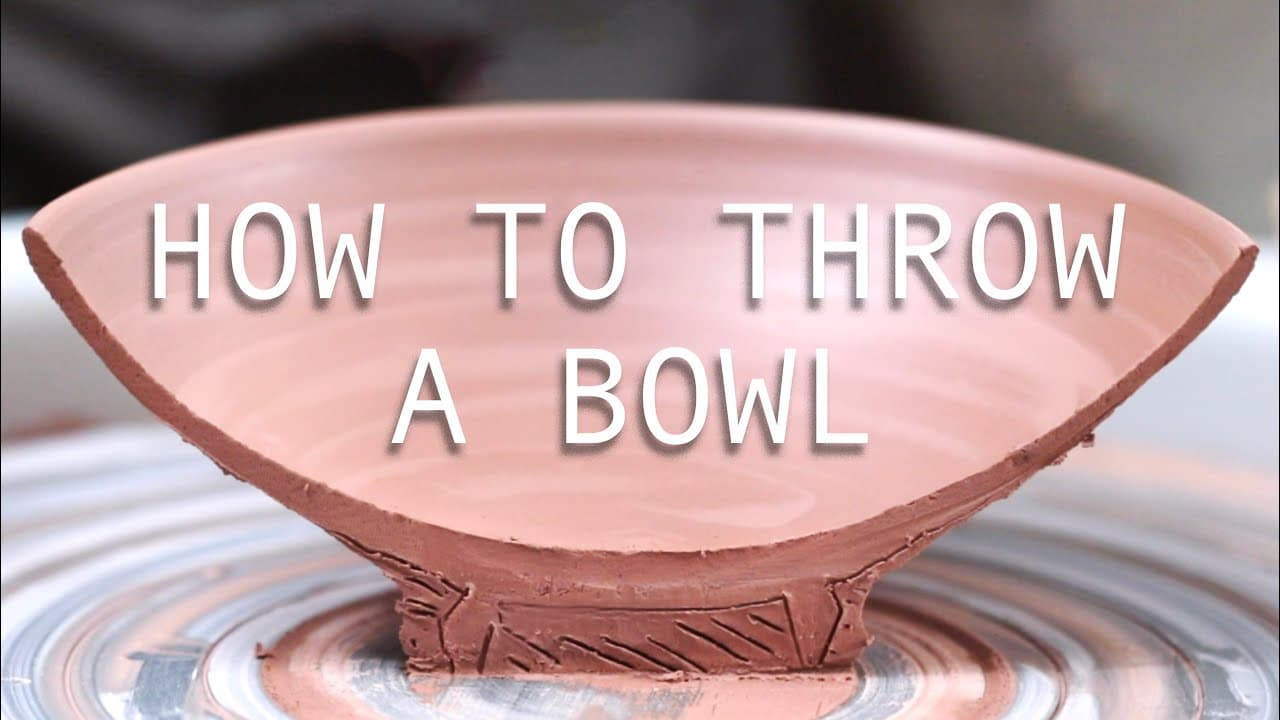
Pinch the wall between finger and thumb as you work. On a thrown pot the wall should be roughly even from base to rim, or slightly thicker at the bottom where it carries the weight.
The base is where thickness hides. It is under the pot, it feels solid, and it is very easy to leave twice as thick as the walls — after which the walls dry, shrink and are held by a base that is still wet.
Check it with a needle tool: push it through the base until it touches the wheel head, mark where your finger sits on the needle, and pull it out. A few millimetres more than the wall is right; a centimetre is a pot that will crack or be a nuisance to trim.
Materiales para este paso:
 Arcilla2 kg
Herramientas necesarias:
 Juego de herramientas de alfarero
 Calibre digital de 6 pulgadas
 Costilla de alfarero de madera
2
2
Where a crack appears tells you what happened
Where a crack appears tells you what happened
An S-CRACK in the middle of the base, often only visible after firing, means either the base was too thick and dried last, or the clay was not compressed there while throwing. Ribbing the inside of the base firmly before pulling the walls prevents most of them.
A crack at a HANDLE or a spout means the two parts were at different states when joined, or the handle dried faster than the body. Cover the handles, not the pot.
A crack around the RIM means the rim dried far ahead of the wall. A crack that appeared only in the kiln, with sharp clean edges, usually means water still in the clay — a drying fault presenting itself late rather than a firing fault.
Materiales para este paso:
Arcilla2 kgHerramientas necesarias:
Juego de herramientas de alfareroCostilla de alfarero de madera3
3
Compress the base, and compress the rim
Compress the base, and compress the rim
COMPRESSION is running a rib or fingers firmly across clay to push its particles together. It is what stops an S-crack, and it costs one pass across the inside of the base before the walls go up.
The rim gets the same treatment for a different reason: a compressed rim is denser, stronger and far less likely to go wavy or split, and it is the part of the pot a hand and a mouth touch most.
Compress while the clay is still plastic. Once it stiffens, running a rib over it only smears the surface and does nothing to the particles underneath.
Materiales para este paso:
Arcilla2 kg Agua1 litro
Herramientas necesarias:
Costilla de alfarero de madera Esponja
 Torno de alfarero
4
4
Add grog when the piece is big or thick
Add grog when the piece is big or thick
GROG is fired clay crushed to a gritty powder and mixed back into plastic clay. It has already shrunk everything it is going to shrink, so it reduces the total shrinkage and gives water channels to escape through.
That makes grogged clay much more forgiving for large pieces, thick sculpture and anything with an awkward join. The trade is texture: grog is gritty to throw, hard on the hands, and shows in the finished surface.
Fine work takes fine smooth clay and careful drying; big work takes grog and less worry. Choosing between them is a real decision rather than a question of quality — which is the same choice as quartersawn versus flatsawn timber.
Materiales para este paso:
 Chamota (cerámica cocida molida)1 kgArcilla3 kg
Herramientas necesarias:
 Lona de trabajo para alfarería
 Balanza de precisión
 Cortador de arcilla de hilo
Materiales
3- 9 kgMarcador de posición
- 1 litroMarcador de posición
- Marcador de posición
Herramientas requeridas
8- Marcador de posición
- Marcador de posición
- Marcador de posición
- Marcador de posición
- Marcador de posición
- Marcador de posición
- Marcador de posición
- Marcador de posición
Blueprints relacionados
Estos blueprints comparten conocimiento — técnicas, materiales o principios
CC0 Dominio público
Este Blueprint se publica bajo CC0. Eres libre de copiar, modificar, distribuir y usar este trabajo para cualquier propósito, sin pedir permiso.
Apoya al Maker comprando productos a través de su Blueprint, donde gana una Comisión del Maker establecida por los vendedores, o crea una nueva iteración de este Blueprint e inclúyela como conexión en tu propio Blueprint para compartir ingresos.