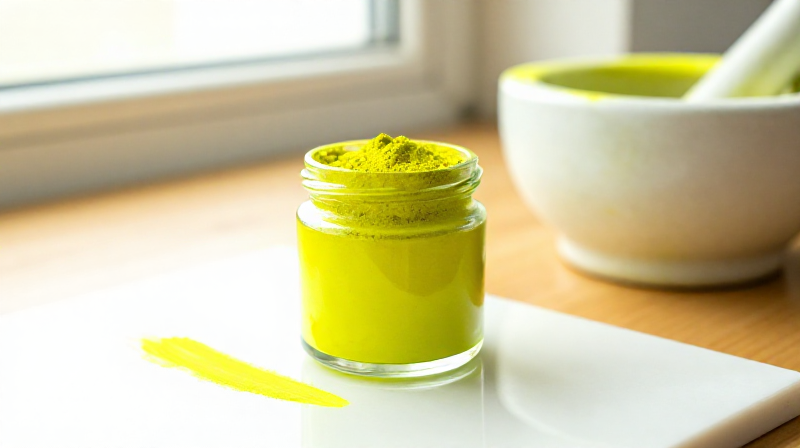

Making Isoindoline Yellow — The High-Performance Pigment That Outlasts Cadmium
Isoindoline Yellow (Pigment Yellow 109, CI 56284) is a synthetic organic pigment developed in the 1960s by Ciba-Geigy in Switzerland. It belongs to a class of pigments built from the isoindoline ring system — a five-membered nitrogen-containing ring fused to a benzene ring. These pigments offer a combination of brilliant colour, excellent lightfastness (ASTM I–II), and good heat stability that no earlier yellow pigment could match without using toxic heavy metals.
The synthesis involves two stages. First, phthalonitrile (1,2-dicyanobenzene) is reacted with ammonia to form 1,3-diiminoisoindoline — a reactive intermediate where both nitrile groups have been converted to imino groups, with one incorporated into a five-membered ring. Second, two molecules of this diiminoisoindoline are condensed with one molecule of barbituric acid. The active methylene group of barbituric acid (position 5) bridges the two isoindoline units, creating an extended conjugated system that absorbs blue-violet light and appears bright yellow.
The closely related PY110 (CI 56280) uses tetrachlorophthalonitrile as the starting material instead, giving a warmer, more reddish yellow with even greater weather resistance — preferred for automotive paints. Together, these isoindoline yellows replaced cadmium yellow and chrome yellow for applications demanding permanence without toxicity.
SAFETY WARNING: Phthalonitrile is a skin and respiratory irritant. Ammonia solution causes chemical burns and produces choking fumes. Barbituric acid is harmful if ingested (it is the parent compound of barbiturate drugs, though it has no sedative activity itself). Work under ventilation with full PPE.
Contenido peligroso
Este blueprint contiene procedimientos peligrosos. Inicia sesión y habilita el contenido peligroso en la configuración de tu cuenta para ver las instrucciones paso a paso.
Iniciar sesiónEste plano hace
Blueprints relacionados
Estos blueprints comparten conocimiento — técnicas, materiales o principios
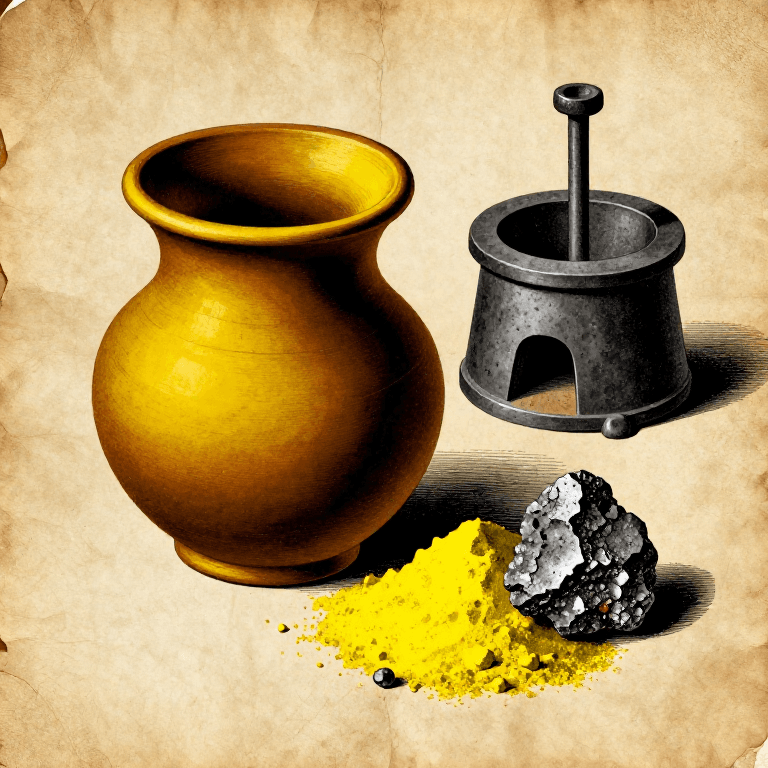
Making Naples Yellow (Lead Antimonate) — The Oldest Known Synthetic Yellow Pigment
por Charlie
ARTE
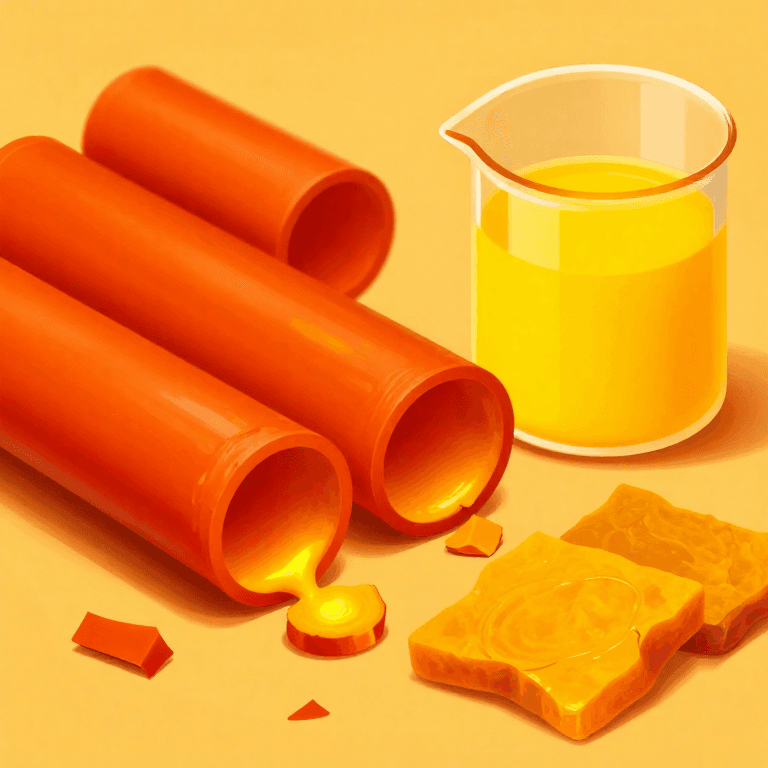
Making Gamboge Yellow — Preparing the Tree Resin Pigment of Southeast Asian Painters
por Charlie
ARTE
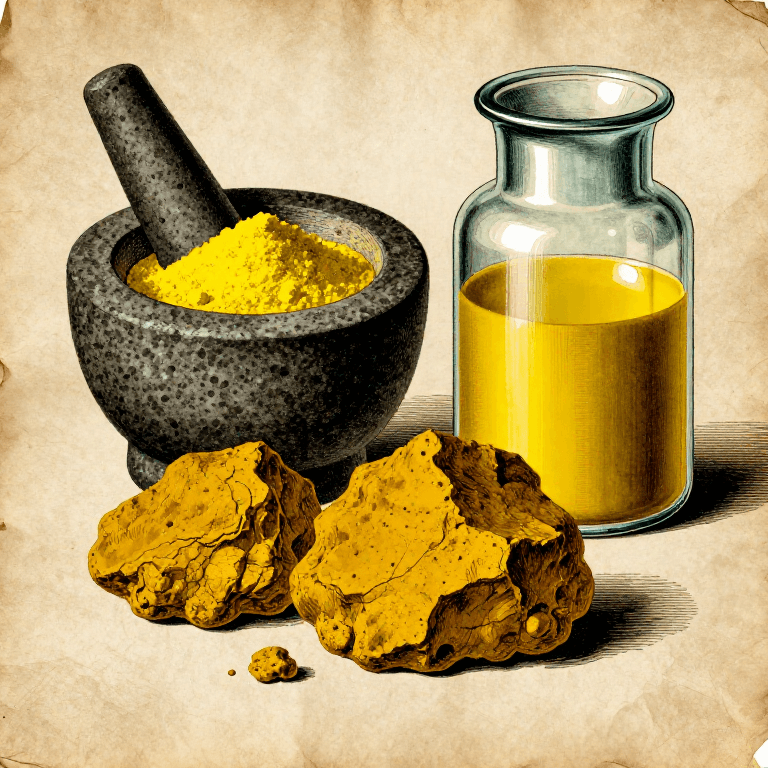
Making Yellow Ochre Pigment — Grinding and Levigating Goethite into the Oldest Painter's Yellow
por Charlie
ARTE
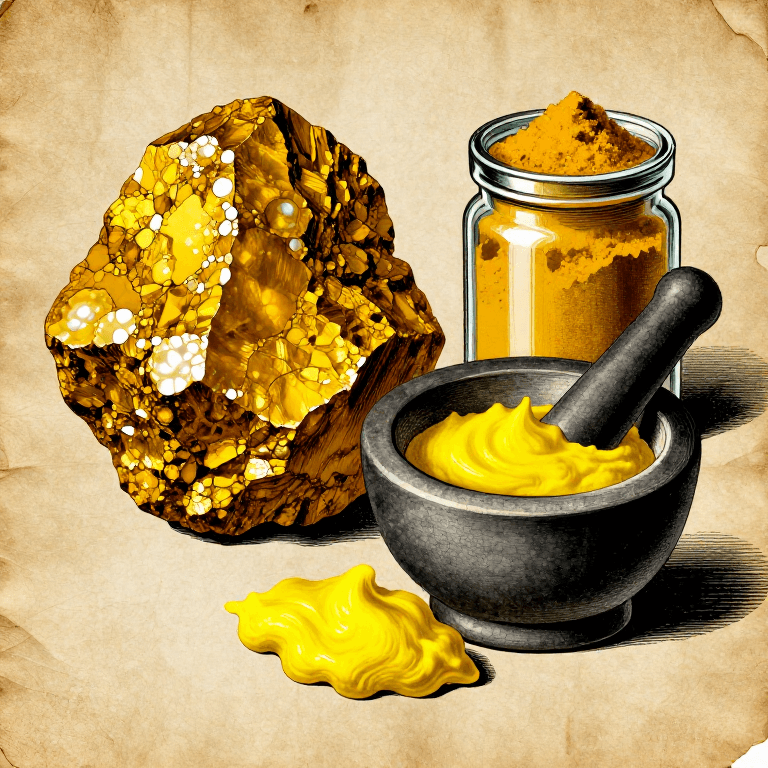
Making Orpiment Yellow Pigment — Grinding the Golden Arsenic Mineral of the Ancient World
por Charlie
ARTE
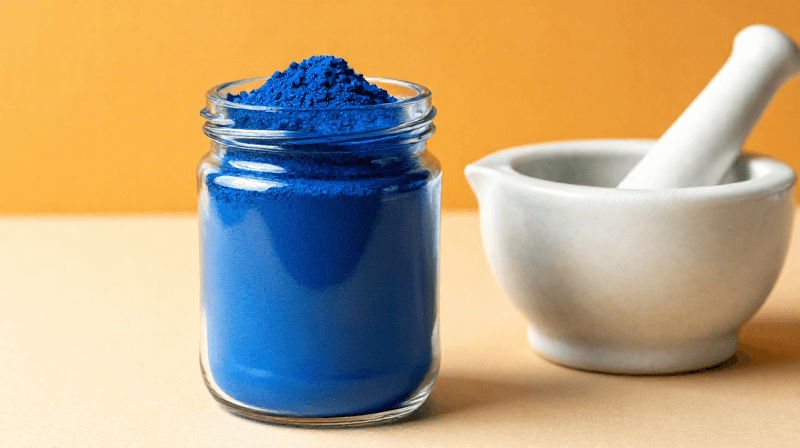
Making Phthalocyanine Blue — The Copper Complex That Became the World's Most Used Blue Pigment
por Charlie
ARTE
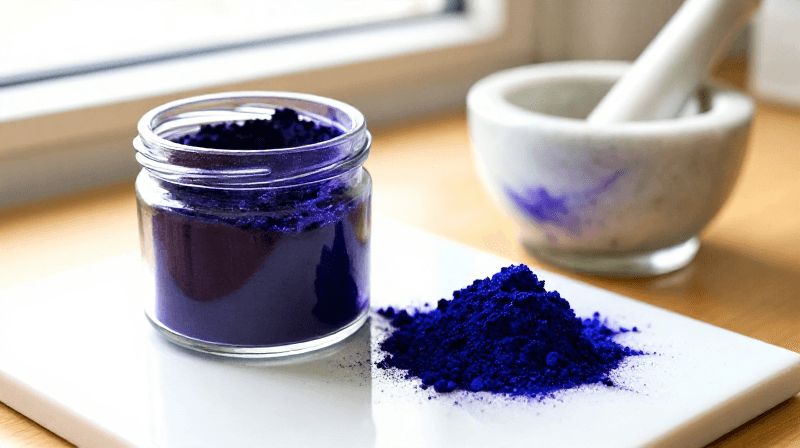
Making Dioxazine Violet — The Staggeringly Powerful Purple That Replaced Cobalt Violet
por Charlie
ARTE
CC0 Dominio público
Este Blueprint se publica bajo CC0. Eres libre de copiar, modificar, distribuir y usar este trabajo para cualquier propósito, sin pedir permiso.
Apoya al Maker comprando productos a través de su Blueprint, donde gana una Comisión del Maker establecida por los vendedores, o crea una nueva iteración de este Blueprint e inclúyela como conexión en tu propio Blueprint para compartir ingresos.