ARTE
BELLEZA Y BIENESTAR
ARTESANÍA
CULTURA E HISTORIA
ENTRETENIMIENTO
MEDIO AMBIENTE
COMIDA Y BEBIDAS
INGENIERÍA INVERSA
CIENCIAS
DEPORTES
TECNOLOGÍA
TECNOLOGÍA VESTIBLE
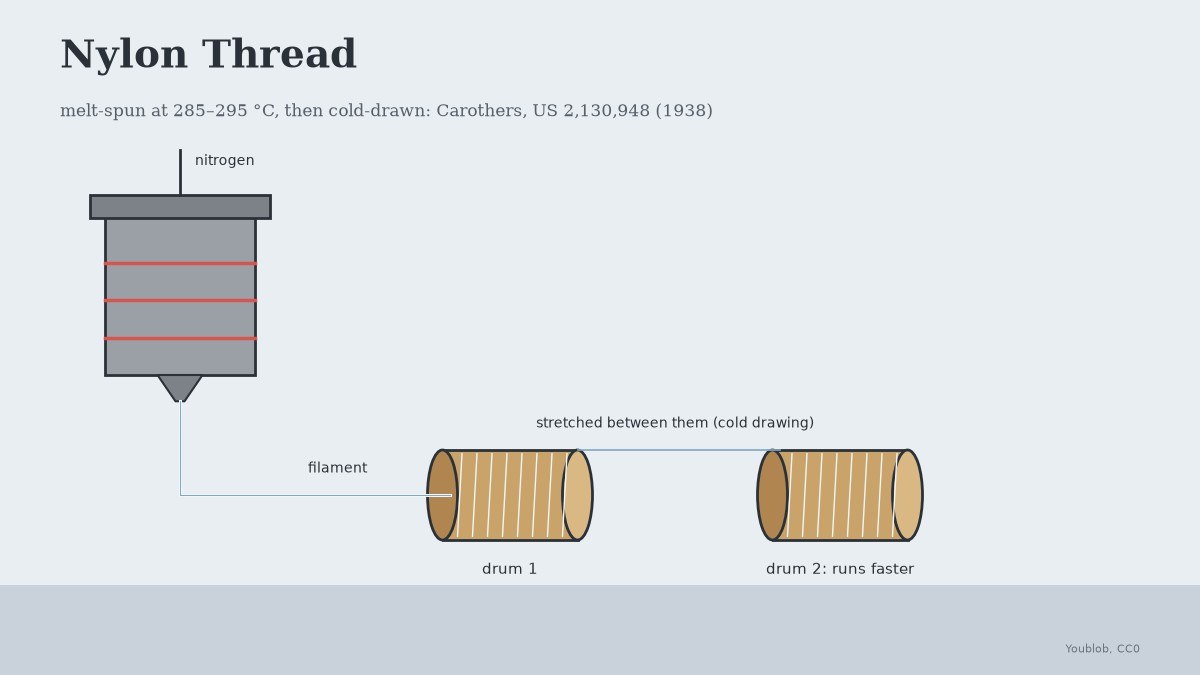


Nylon Thread: Melt-Spun Monofilament, Cold-Drawn Between Two Drums, Carothers
Nylon sewing thread is a single clear strand, a monofilament. Carothers' patent (1938) spins nylon 66 straight from the melt at 285–295 °C, with oxygen kept out, and catches the strand on a drum. A second, faster drum then stretches it (cold drawing), which makes it strong.
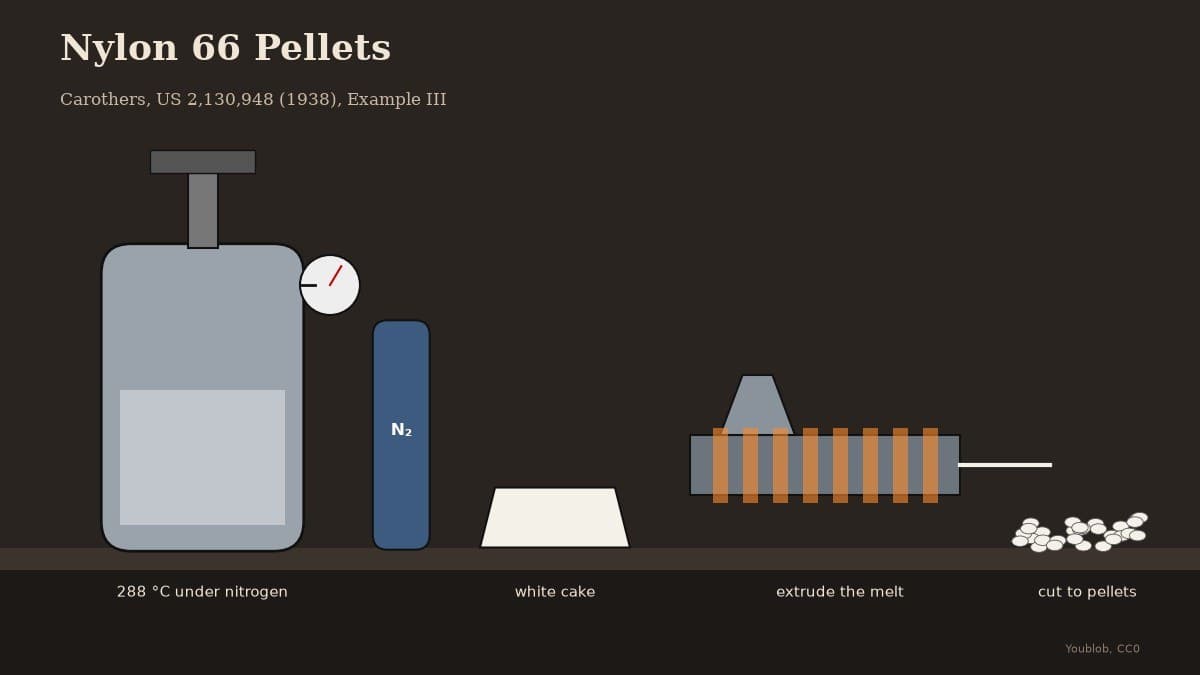
The picture: our own drawing.
Avanzado
1 day
Instrucciones
1
1
Load the pot under nitrogen
Load the pot under nitrogen
Fill the melt-spinning pot with dry nylon 66 pellets and close it. Flush it with nitrogen and keep it under nitrogen: oxygen must stay out of the molten polymer.
Materiales para este paso:
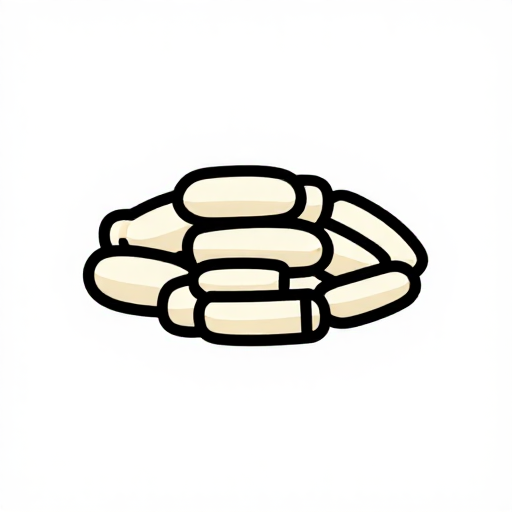 Granza de nailon500 g
Herramientas necesarias:
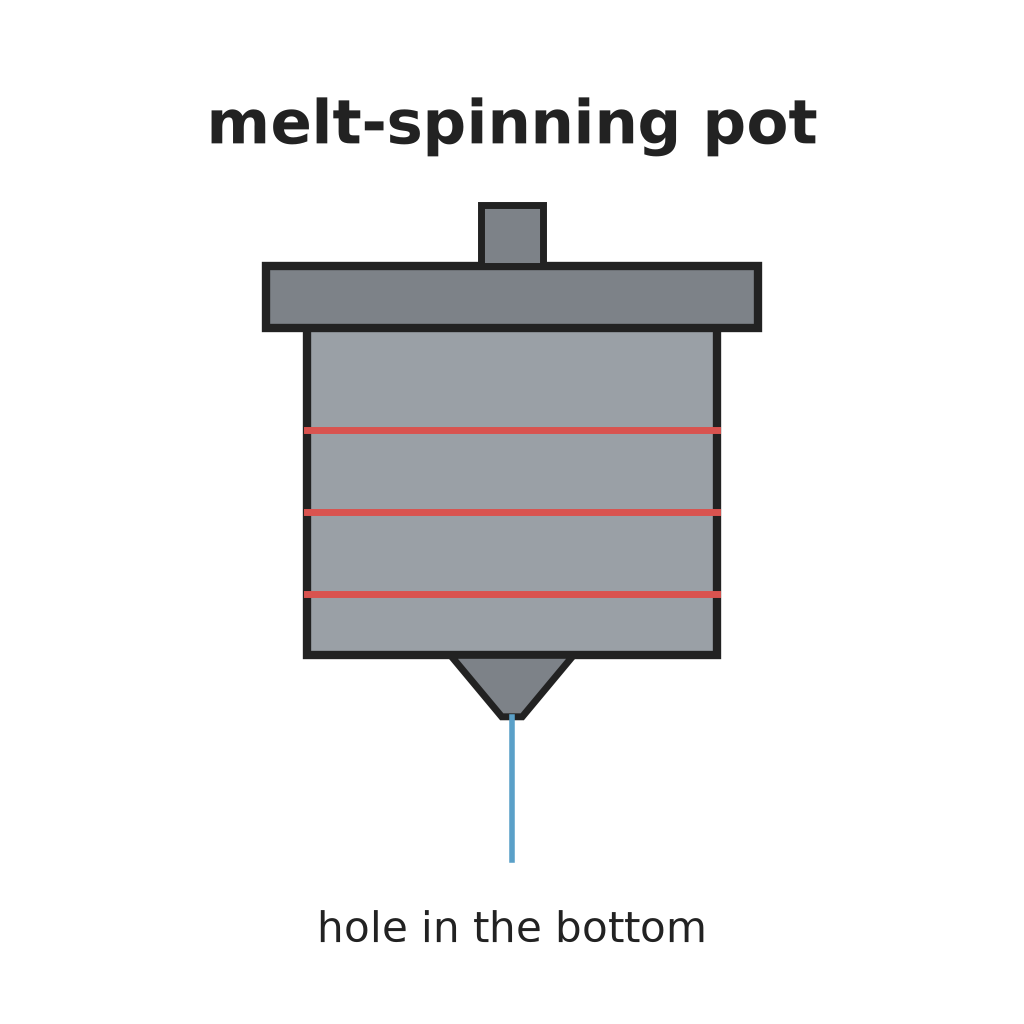 Olla de hilatura por fusión
 Nitrógeno
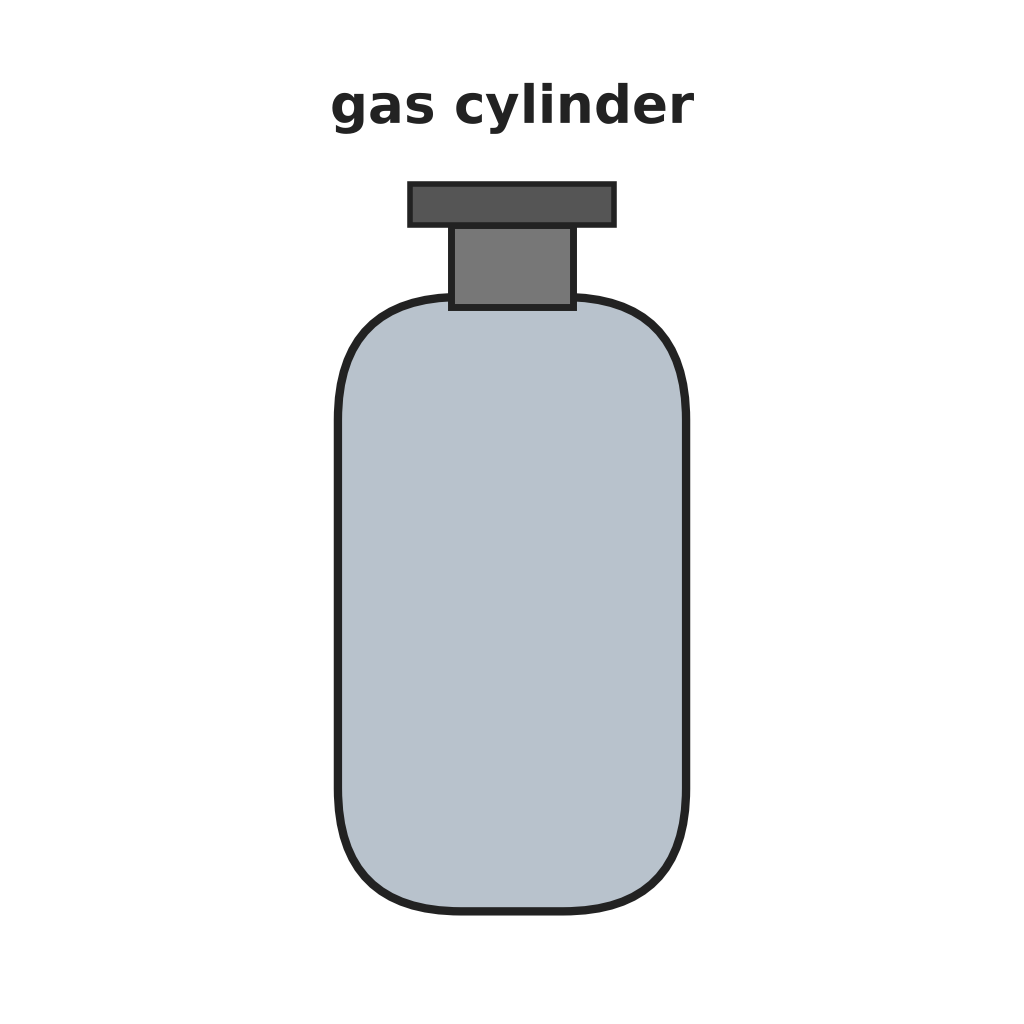 Bombona de gas a presión
2
2
Melt at 285–295 °C
Melt at 285–295 °C
Heat to 285–295 °C, the best spinning heat for nylon 66. Cooler gives poorer filament; hotter makes it too runny, and it may break down.
Herramientas necesarias:
Olla de hilatura por fusión Termopar con indicador
3
3
Extrude and catch it
Extrude and catch it
Press the melt out through the hole with nitrogen pressure (Carothers' example used 50 lb/in²). Catch the strand on a motor-driven drum. A larger hole gives a thicker strand; hotter melt and faster winding give a finer one.
Herramientas necesarias:
NitrógenoBombona de gas a presión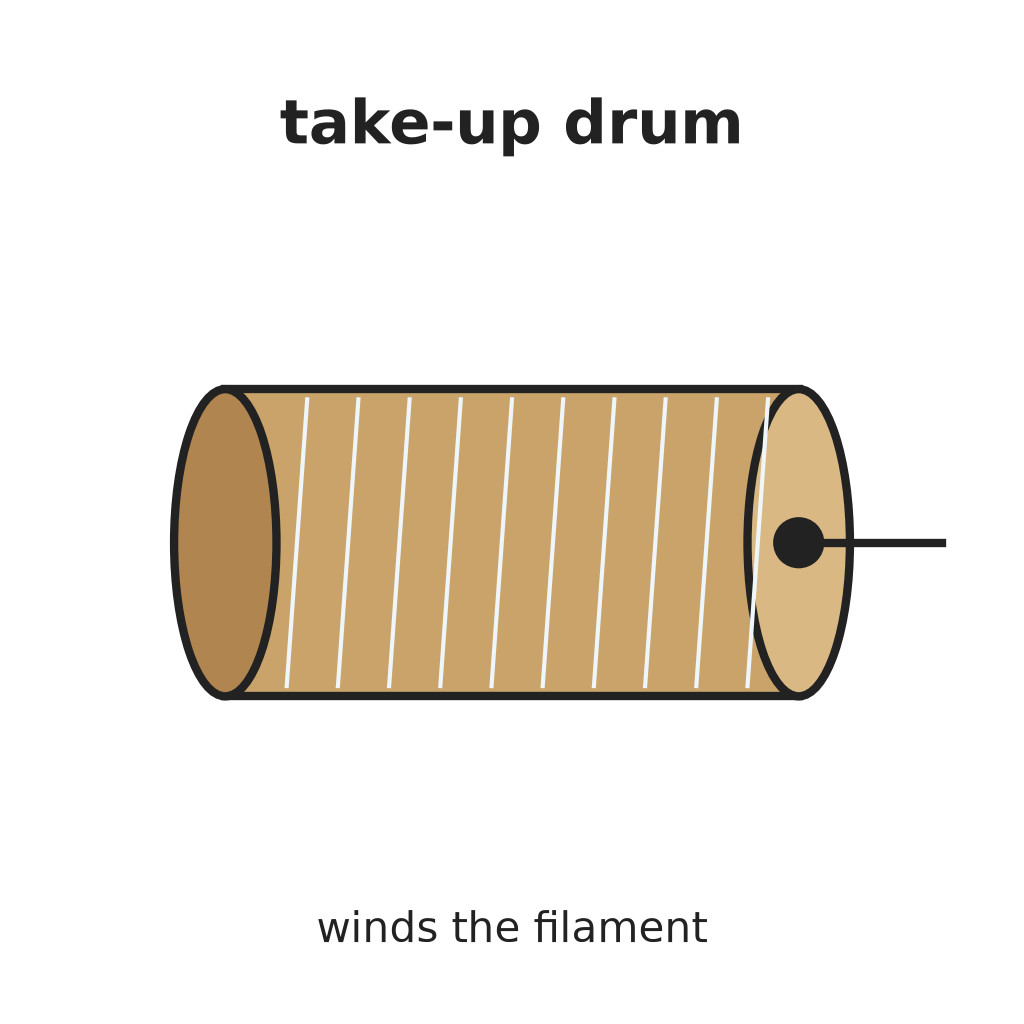 Tambor de recogida
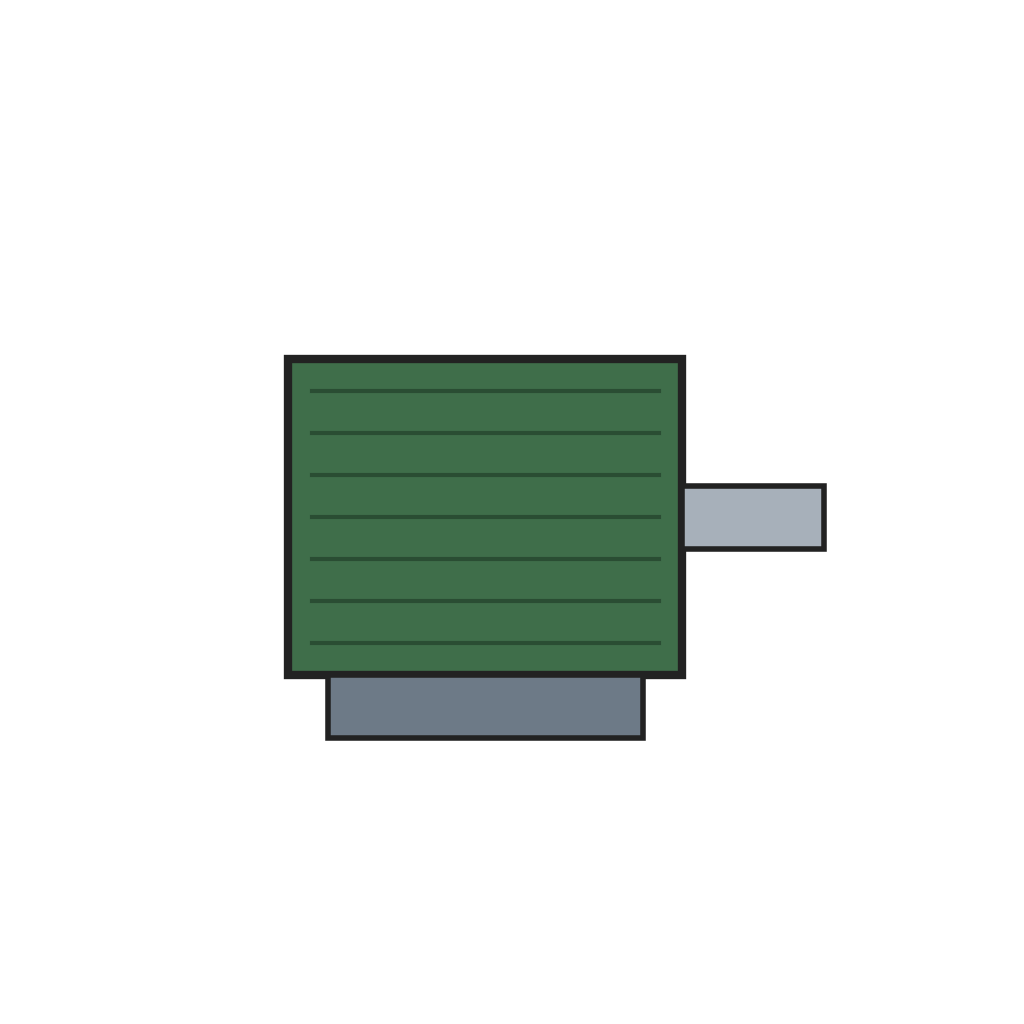 Motor eléctrico
4
4
Cold-draw onto a faster drum
Cold-draw onto a faster drum
Run the strand from the first drum onto a second drum turning faster, which stretches it. In Carothers' example the drums ran at 300 and 1020 ft/min. Keep the strand wet: wet filament draws better and holds no static.
Herramientas necesarias:
Tambor de recogidaMotor eléctrico Agua
5
5
Help a thick strand
Help a thick strand
Thick strands are harder to draw. Soak them in water, or warm them to about 100 °C, before drawing.
Herramientas necesarias:
 Cazo altoAgua
Materiales
1- 500 gMarcador de posición
Herramientas requeridas
8- Marcador de posición
- Marcador de posición
- Marcador de posición
- Marcador de posición
- Marcador de posición
- Marcador de posición
- Marcador de posición
- Marcador de posición
Este plano hace

Blueprints relacionados
Estos blueprints comparten conocimiento — técnicas, materiales o principios

CC0 Dominio público
Este Blueprint se publica bajo CC0. Eres libre de copiar, modificar, distribuir y usar este trabajo para cualquier propósito, sin pedir permiso.
Apoya al Maker comprando productos a través de su Blueprint, donde gana una Comisión del Maker establecida por los vendedores, o crea una nueva iteración de este Blueprint e inclúyela como conexión en tu propio Blueprint para compartir ingresos.