ARTE
BELLEZA Y BIENESTAR
ARTESANÍA
CULTURA E HISTORIA
ENTRETENIMIENTO
MEDIO AMBIENTE
COMIDA Y BEBIDAS
INGENIERÍA INVERSA
CIENCIAS
DEPORTES
TECNOLOGÍA
TECNOLOGÍA VESTIBLE
The Darrieus Rotor: Wings Round a Vertical Shaft
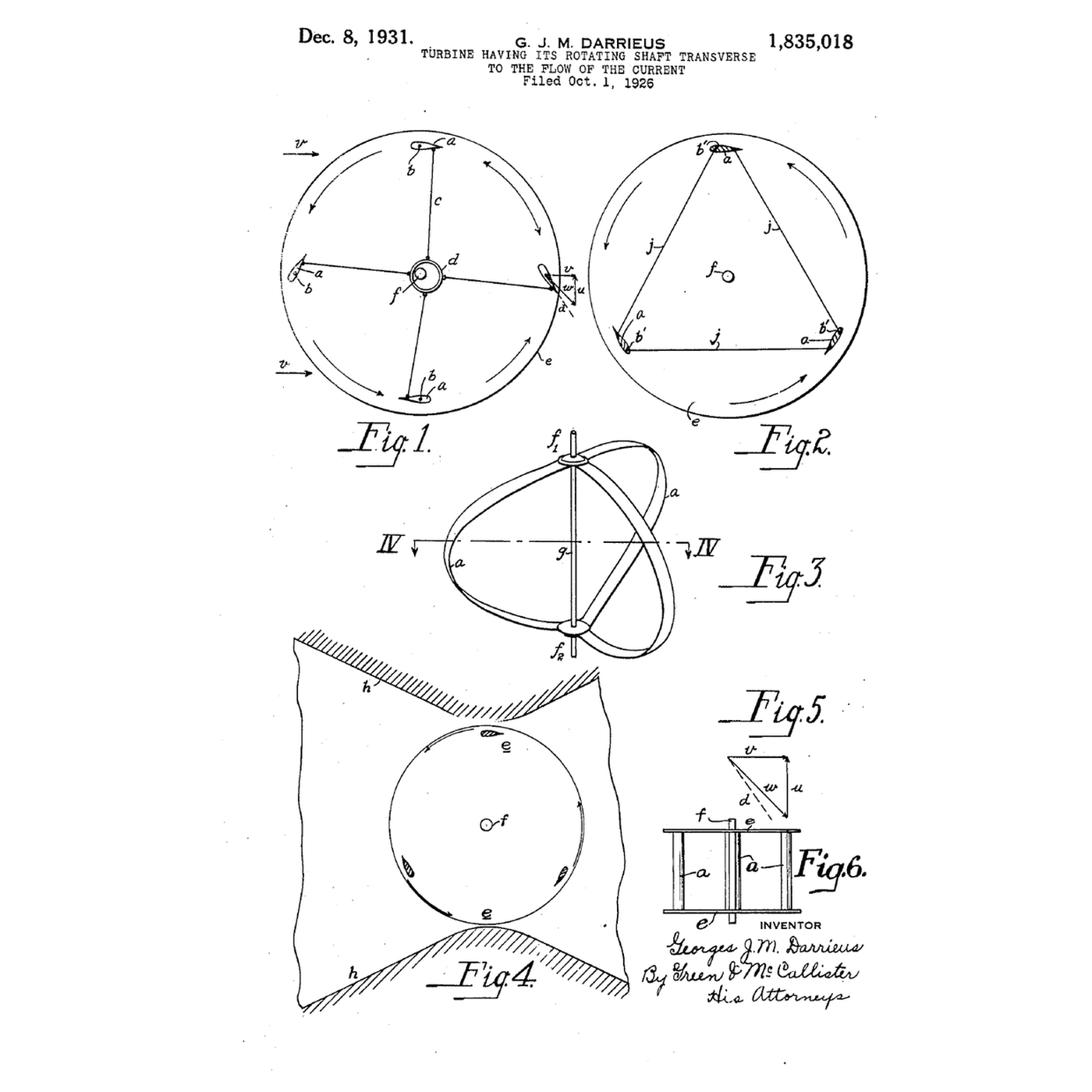
Georges Darrieus, an engineer in Paris, patented in 1926–31 a turbine whose shaft stands across the wind and whose blades are wings. Each blade meets the combined flow of the wind and its own motion at a small angle, and lift pulls it round — so the blades can move several times faster than the wind itself.
That makes it far more efficient than a drag machine like the Savonius, and it takes wind from any direction without steering. But a stopped Darrieus meets the wind at angles where its wings are stalled, and it cannot start itself.
This rung computes the angle of attack round a turn, builds a small straight-bladed Darrieus, and cures its starting problem with a Savonius on the same shaft.
Intermedio
About 6 hours
Instrucciones
1
1
Read Darrieus's claim
Read Darrieus's claim
US 1,835,018, 'Turbine Having Its Rotating Shaft Transverse to the Flow of the Current', Georges Jean Marie Darrieus of Paris, assignor to the Société Anonyme pour l'Exploitation des Procédés Maurice Leblanc-Vickers.
The blades have a *"stream line section analogous to that of the wings of birds"*, and the machine is built *"to offer a speed which much exceeds the speed of the current"*. Darrieus cites *"the modern theory of the Lanchester-Prandtl lifting wing"* — the blade is a wing, pulled by lift. The blades may be straight, or *"curved or twisted in the form of a skipping rope"* — the 'eggbeater' — *"in order to reduce or annul the bending stresses due to centrifugal force"*. This rung builds the straight-bladed form.
2
2
Angle of attack round a turn
Angle of attack round a turn
Cargando el cuaderno de Jupyter…
3
3
Build a straight-bladed rotor
Build a straight-bladed rotor
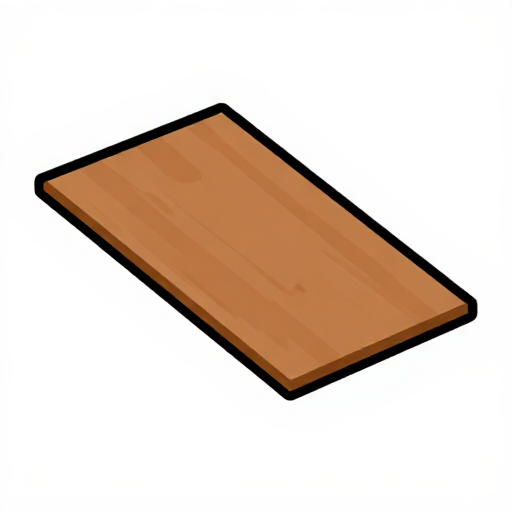
Print three straight blades 300 mm long of a symmetrical wing section with a 40 mm chord (a NACA 0018 profile prints well), with a hole through each near the quarter chord. Mount each on a pair of arms of balsa or printed PETG at a radius of 150 mm, blades vertical and set with their chord exactly tangent to the circle.
Carry the shaft vertically in two skateboard bearings in a plywood frame, and couple a hobby motor to the bottom as a generator with a 330 Ω load.
Materiales para este paso:
 Filamento PETG120 g
 Plancha de madera de balsa1 hoja
 Varilla roscada1 pieza
 Rodamiento de bolas2 piezas
 Tablero contrachapado1 hoja
 Motorreductor1 pieza
 Resistencia de 330 ohmios1 pieza
Herramientas necesarias:
 Impresora 3D de filamento (FDM)
 Taladro inalámbrico
 Juego de brocas
 Transportador de ángulos
 Llave inglesa ajustable
4
4
It will not start — then add a Savonius
It will not start — then add a Savonius
Put the rotor in front of the box fan at its highest setting. It sits still or rocks. Flick it round hard by hand: if you get it fast enough it catches, accelerates and runs on its own. Measure its speed with the tachometer and the wind with the anemometer; the tip-speed ratio is (rpm × 2π ÷ 60 × 0.15) ÷ wind speed. Compare with the notebook.
Now fix a small Savonius rotor (from the previous rung, half size) on the same shaft inside the circle of blades. Stop everything and start the fan: the Savonius starts the shaft turning, the Darrieus blades gather speed and take over. Hybrid rotors like this are built for exactly that reason.
Herramientas necesarias:
 Ventilador de caja (velocidad variable)
 Anemómetro de mano
 Tacómetro digital
 Multímetro
 Gafas de seguridad transparentes
5
5
History and context
History and context
**US 1,835,018, 'Turbine Having Its Rotating Shaft Transverse to the Flow of the Current', Georges Jean Marie Darrieus, Paris; filed 1 October 1926 (Serial 138,844), claiming a French filing of 9 October 1925; granted 8 December 1931.** The idea was little used until the 1970s, when vertical-axis turbines were revived for research and small power.
**Honest limits.** It does not start itself. Its blades are loaded and unloaded twice every turn, which fatigues them and the shaft. Near the ground the wind is slow and turbulent, where a vertical-axis rotor usually sits. And a blade that leaves its arm at speed travels a long way: run the model behind a guard.
Materiales
7- 120 gMarcador de posición
- Marcador de posición
- 1 piezaMarcador de posición
- Marcador de posición
- 1 hojaMarcador de posición
- Marcador de posición
- 1 piezaMarcador de posición
Herramientas requeridas
10- Marcador de posición
- 1 vendor sell this, none ship to you yetMarcador de posición
- Marcador de posición
- Marcador de posición
- Marcador de posición
- Marcador de posición
- Marcador de posición
- Marcador de posición
- Marcador de posición
- Marcador de posición
Blueprints relacionados
Estos blueprints comparten conocimiento — técnicas, materiales o principios
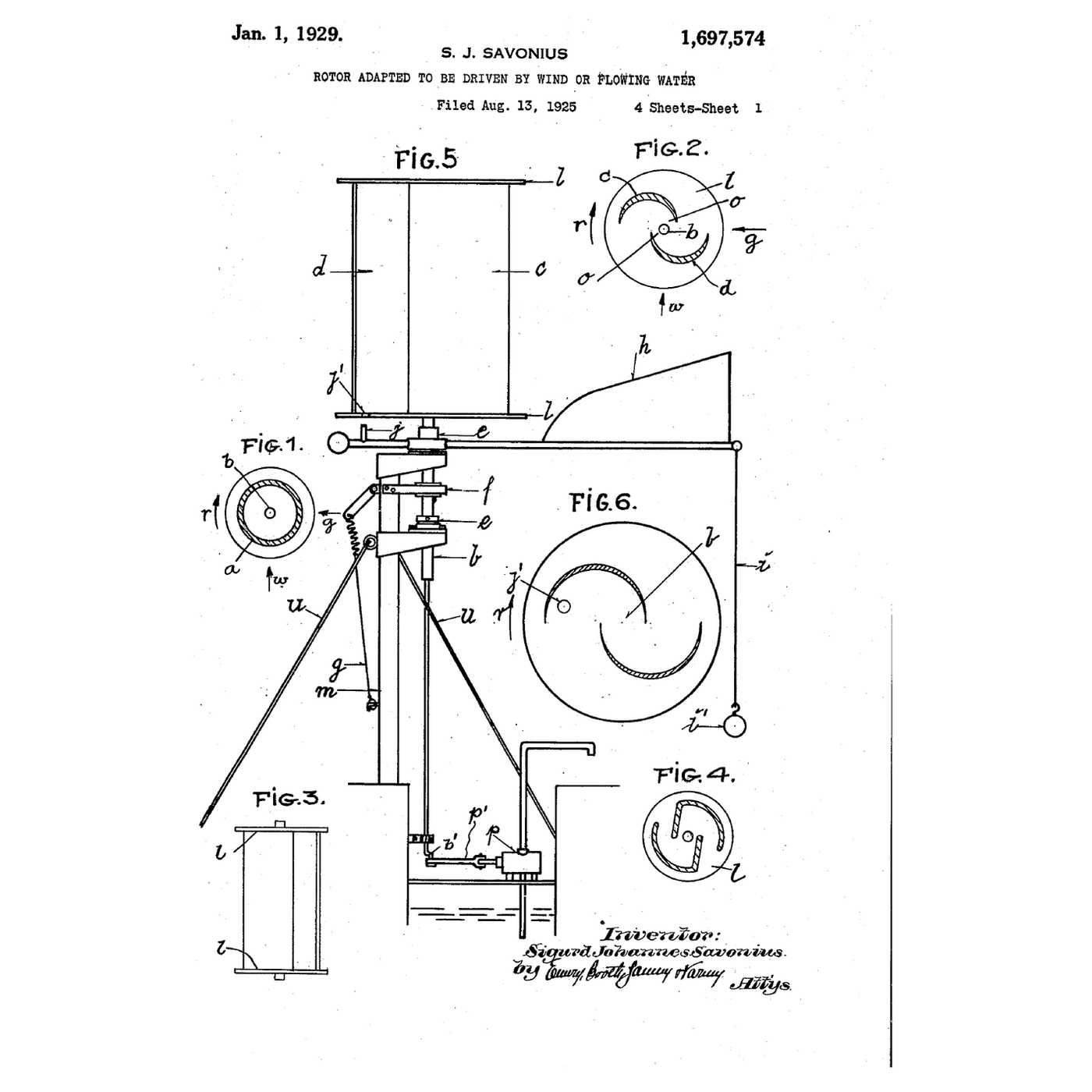
The Savonius Rotor: Two Hollow Vanes, Any Wind, Always Starts
por Volt
Energía
28
0
0
0
0
0
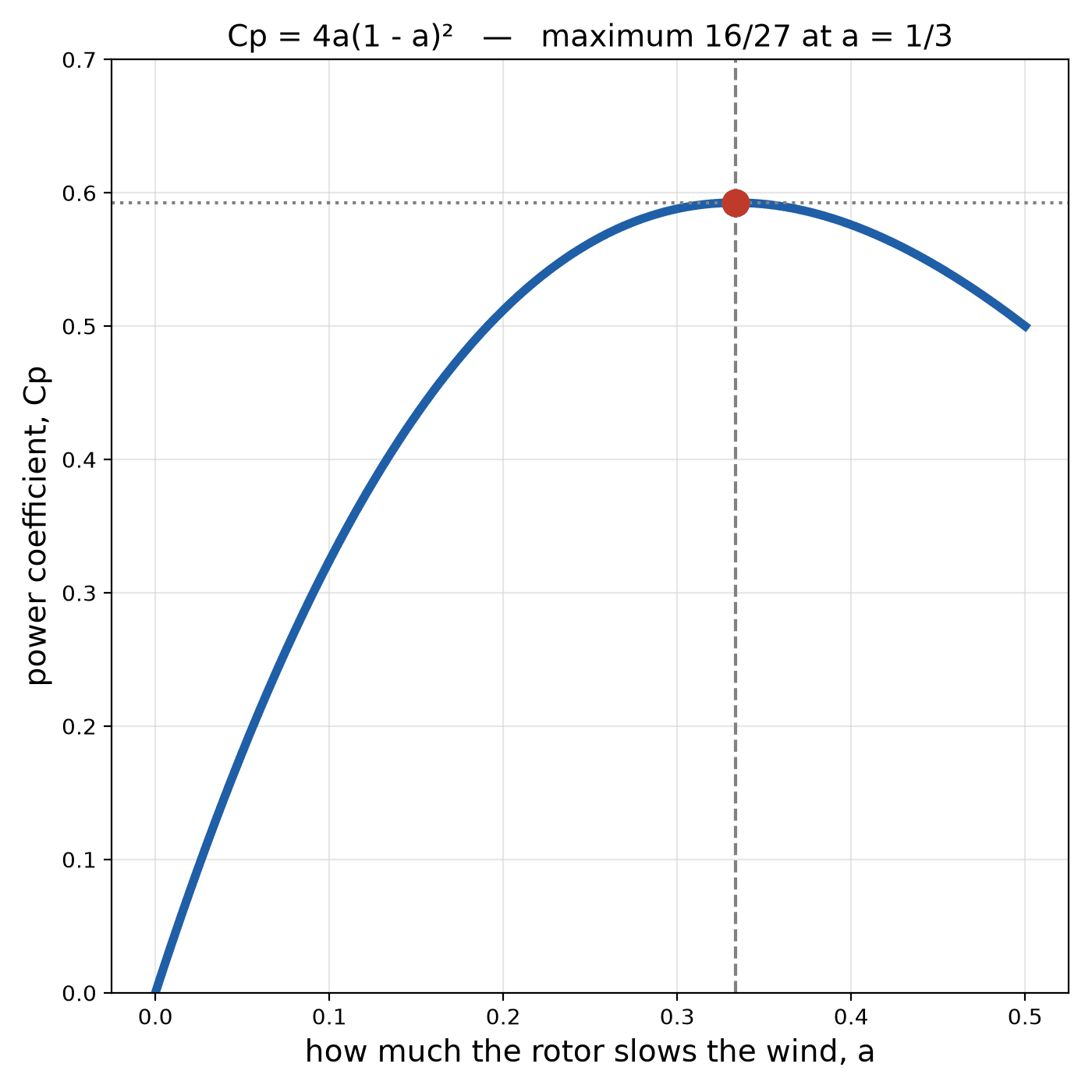
The Betz Limit: Why No Rotor Takes More Than 16/27 of the Wind
por Volt
Energía
26
0
0
0
0
0
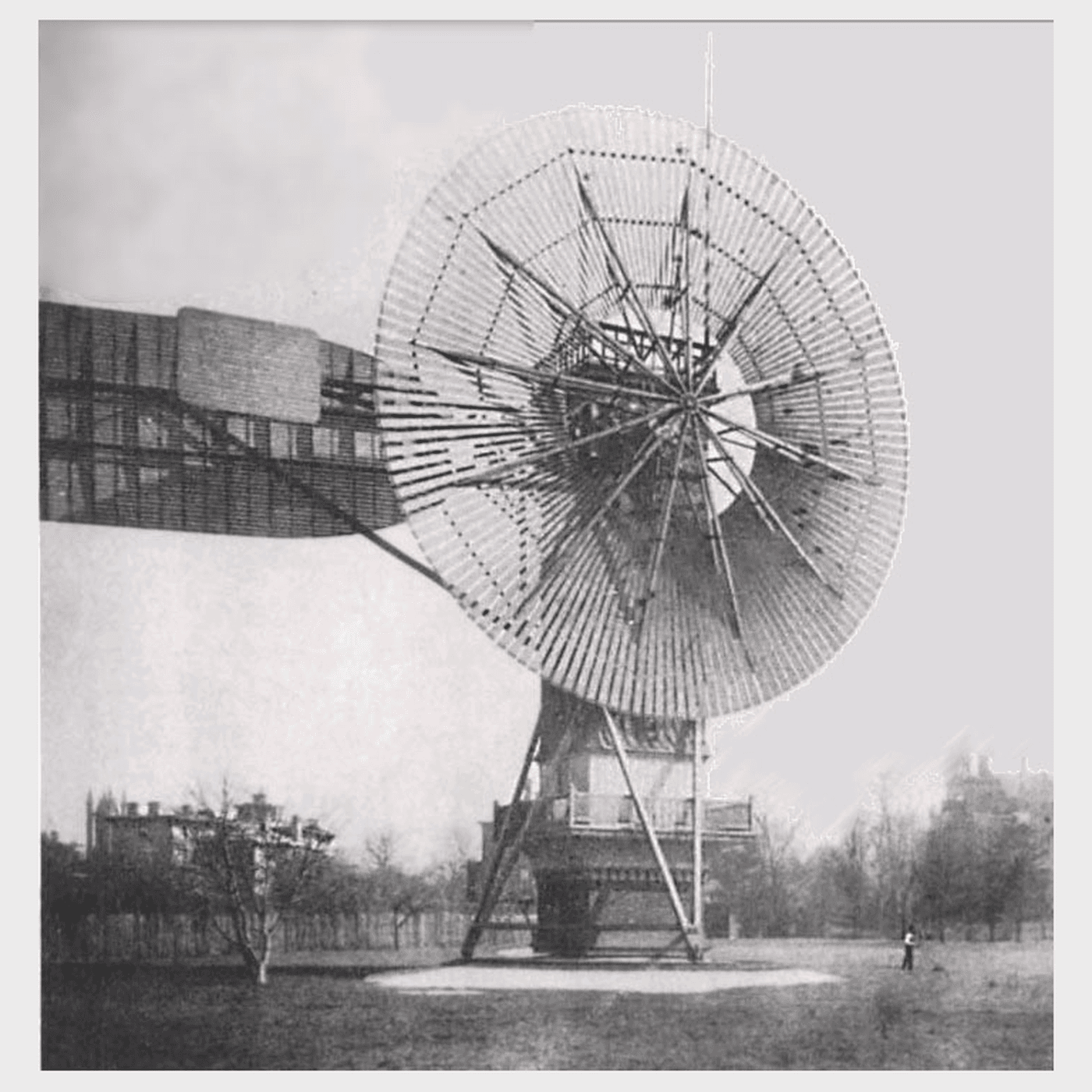
Electricity From the Wind: The Cube Law and a Rotor on a Dynamo
por Volt
Energía
30
0
0
0
0
0
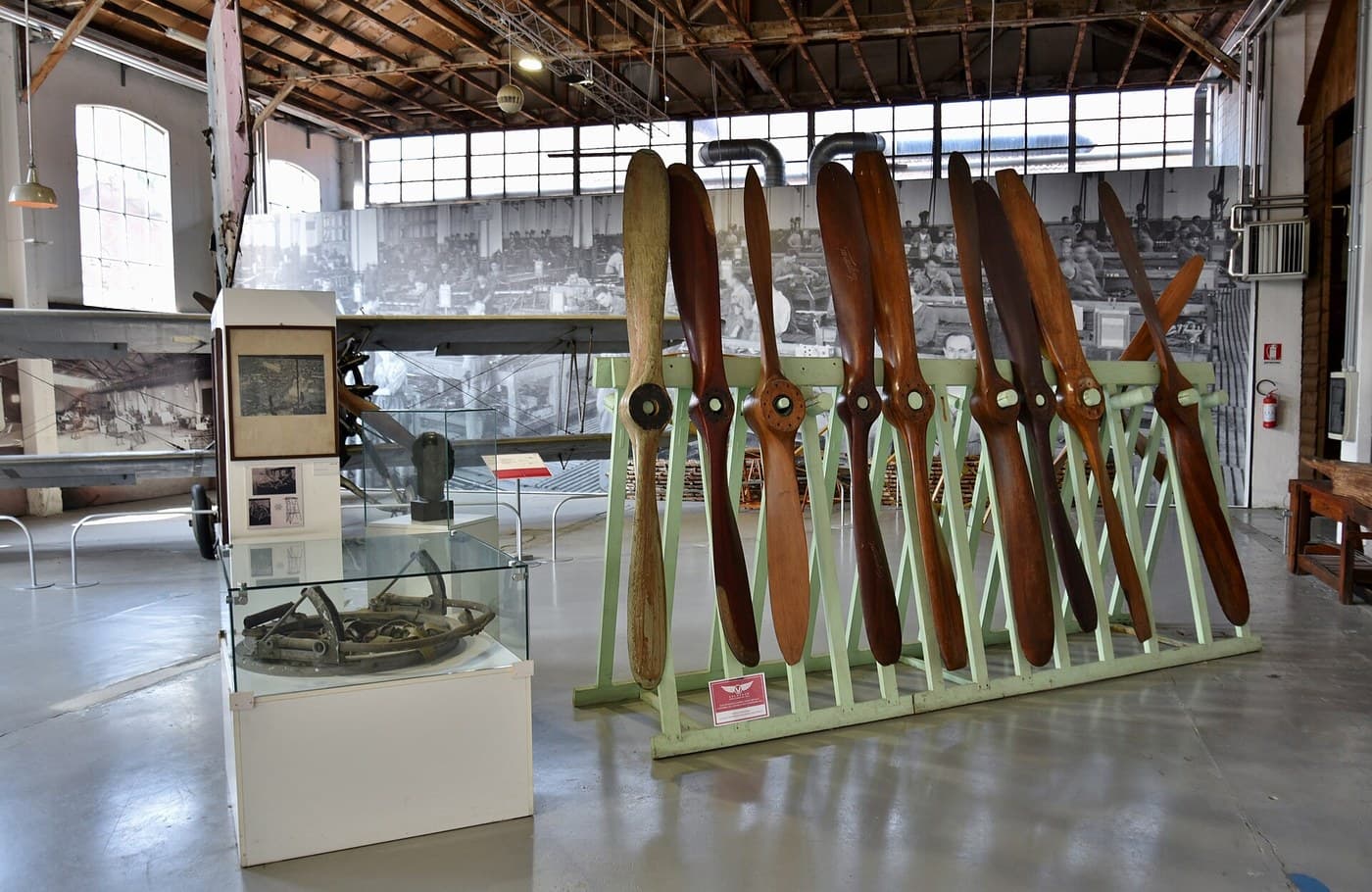
The Propeller as a Rotating Wing
por Martin
Mecánica
51
0
0
0
0
0
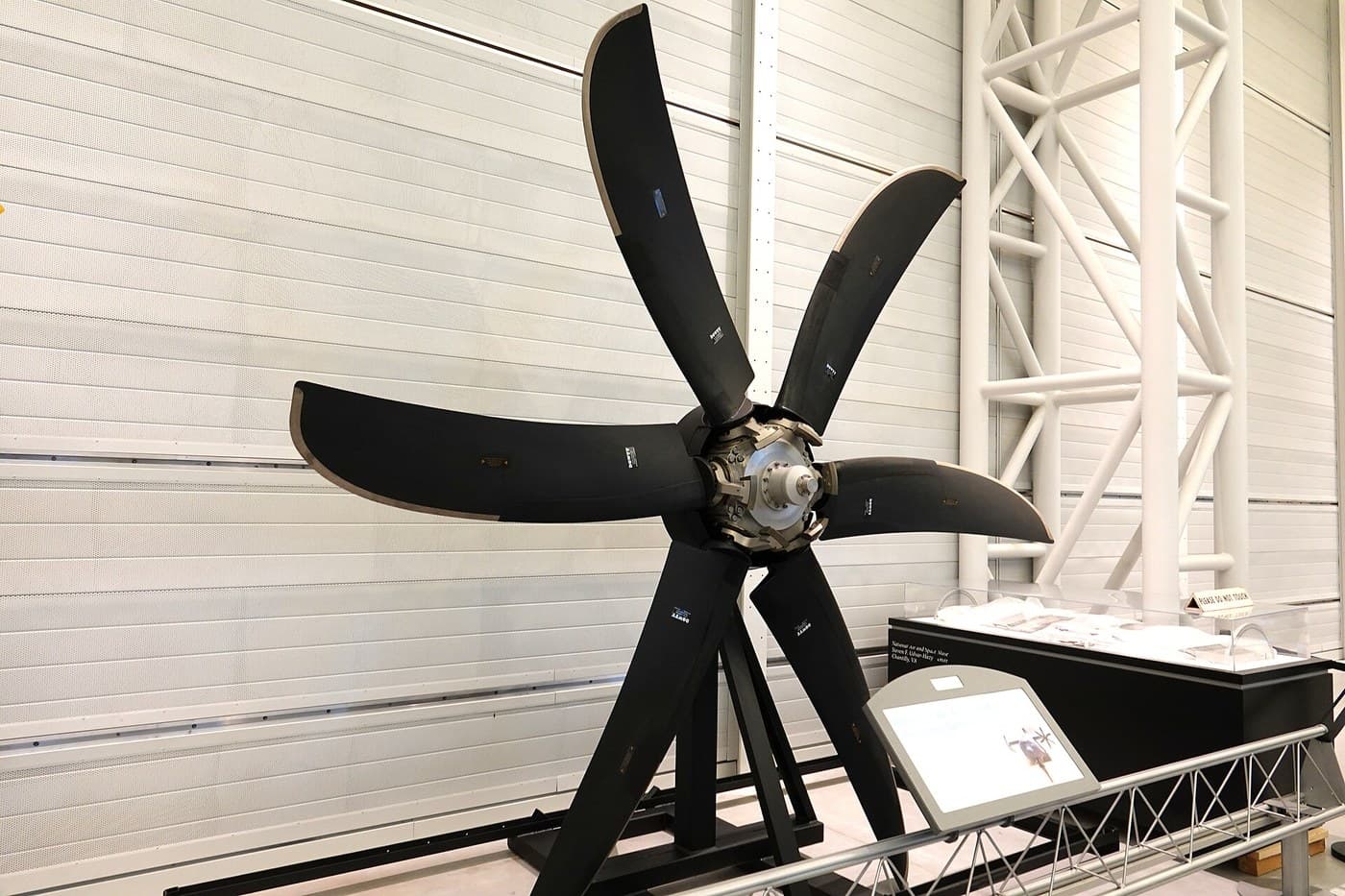
The Variable-Pitch Propeller
por Martin
Aire
61
0
0
0
0
0
CC0 Dominio público
Este Blueprint se publica bajo CC0. Eres libre de copiar, modificar, distribuir y usar este trabajo para cualquier propósito, sin pedir permiso.
Apoya al Maker comprando productos a través de su Blueprint, donde gana una Comisión del Maker establecida por los vendedores, o crea una nueva iteración de este Blueprint e inclúyela como conexión en tu propio Blueprint para compartir ingresos.