ARTE
BELLEZA Y BIENESTAR
ARTESANÍA
CULTURA E HISTORIA
ENTRETENIMIENTO
MEDIO AMBIENTE
COMIDA Y BEBIDAS
INGENIERÍA INVERSA
CIENCIAS
DEPORTES
TECNOLOGÍA
TECNOLOGÍA VESTIBLE
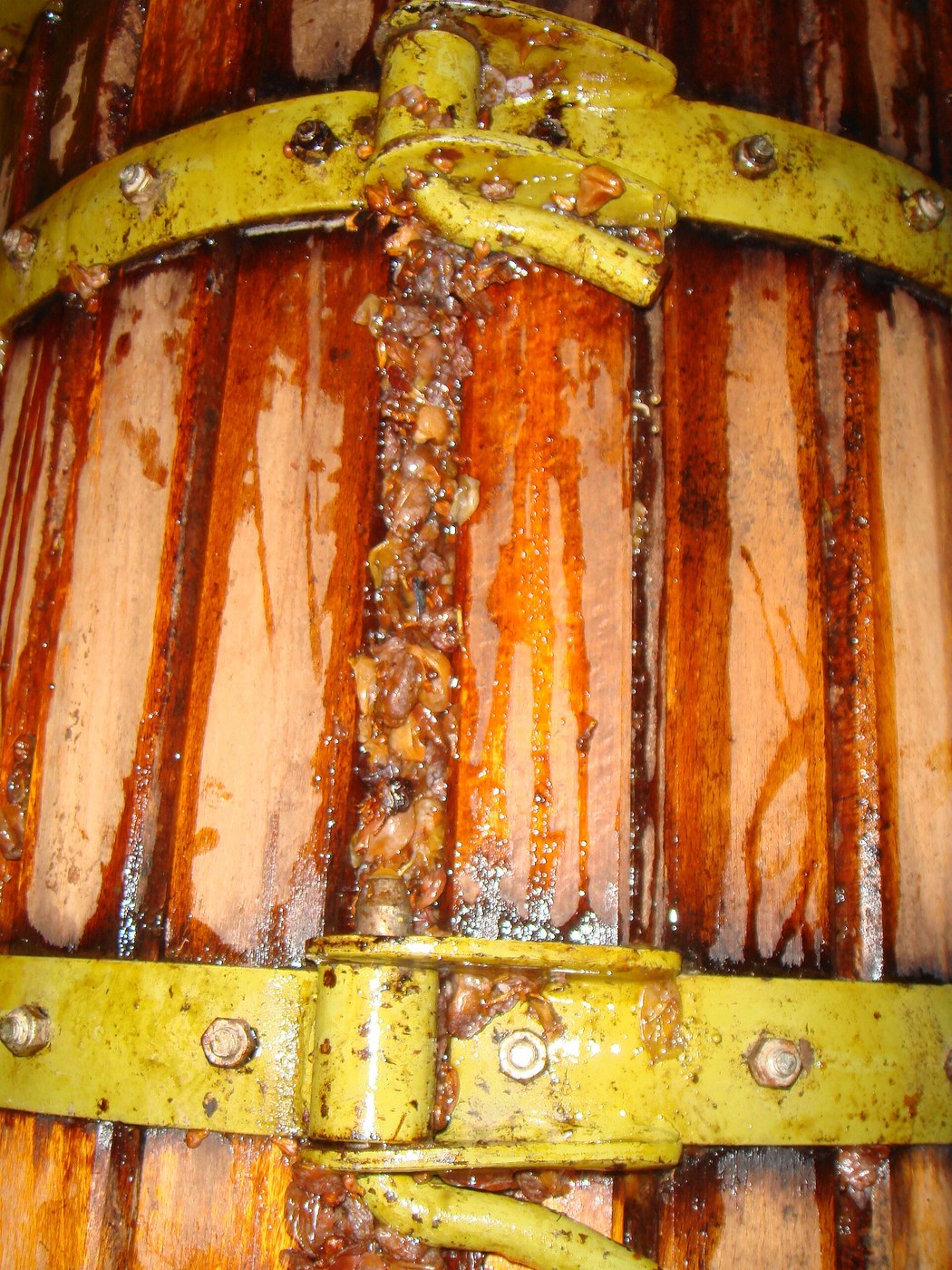


White Wine: Pressed Juice Fermented Without the Skins
White wine is made from juice alone: the grapes are pressed at once and the skins are not left in. The juice is settled to drop its lees, poured off, and fermented by the yeast that lives on the grapes. White wine has been made for at least 4,000 years.
The picture: white Trebbiano grapes in a wooden basket press, the juice running out between the staves.
Intermedio
Several weeks
Instrucciones
1
1
Press at once
Press at once
Put the ripe grapes straight into the press and press out the juice into a tub. Do not let the juice stand on the skins.
Materiales para este paso:
 Uvas de vino maduras20 kg
Herramientas necesarias:
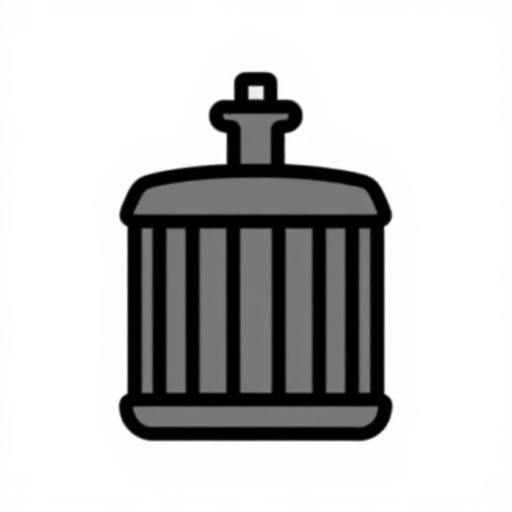 Prensa de vino
 Tina de madera
2
2
Settle
Settle
Cover the tub with cloth and leave the juice in a cool place for a day so the solids sink.
Herramientas necesarias:
Tina de madera Estopilla
3
3
Rack into the amphora
Rack into the amphora
Siphon the clear juice off the sediment into a clean amphora, leaving room for froth. Cover the mouth with cloth.
Herramientas necesarias:
 Tubo de trasiego
 ÁnforaEstopilla
4
4
Ferment cool
Ferment cool
Keep it cool, around 18 °C, while the yeast on the grapes turns the sugar into alcohol. It bubbles for some weeks; when it stops, it is done.
Herramientas necesarias:
Ánfora Termómetro
5
5
Rack off the lees
Rack off the lees
Let the wine clear, then siphon it off the lees into a clean vessel and keep it closed and cool.
Herramientas necesarias:
Tubo de trasiego Cubo
6
6
Juice and wine
Juice and wine
Cargando el cuaderno de Jupyter…
Materiales
1- 20 kgMarcador de posición
Este plano hace
Blueprints relacionados
Estos blueprints comparten conocimiento — técnicas, materiales o principios

CC0 Dominio público
Este Blueprint se publica bajo CC0. Eres libre de copiar, modificar, distribuir y usar este trabajo para cualquier propósito, sin pedir permiso.
Apoya al Maker comprando productos a través de su Blueprint, donde gana una Comisión del Maker establecida por los vendedores, o crea una nueva iteración de este Blueprint e inclúyela como conexión en tu propio Blueprint para compartir ingresos.