Collaboration
ART
BEAUTÉ ET BIEN-ÊTRE
ARTISANAT
CULTURE ET HISTOIRE
DIVERTISSEMENT
ENVIRONNEMENT
NOURRITURE ET BOISSONS
INGÉNIERIE INVERSE
SCIENCES
SPORTS
TECHNOLOGIE
TECHNOLOGIE PORTABLE
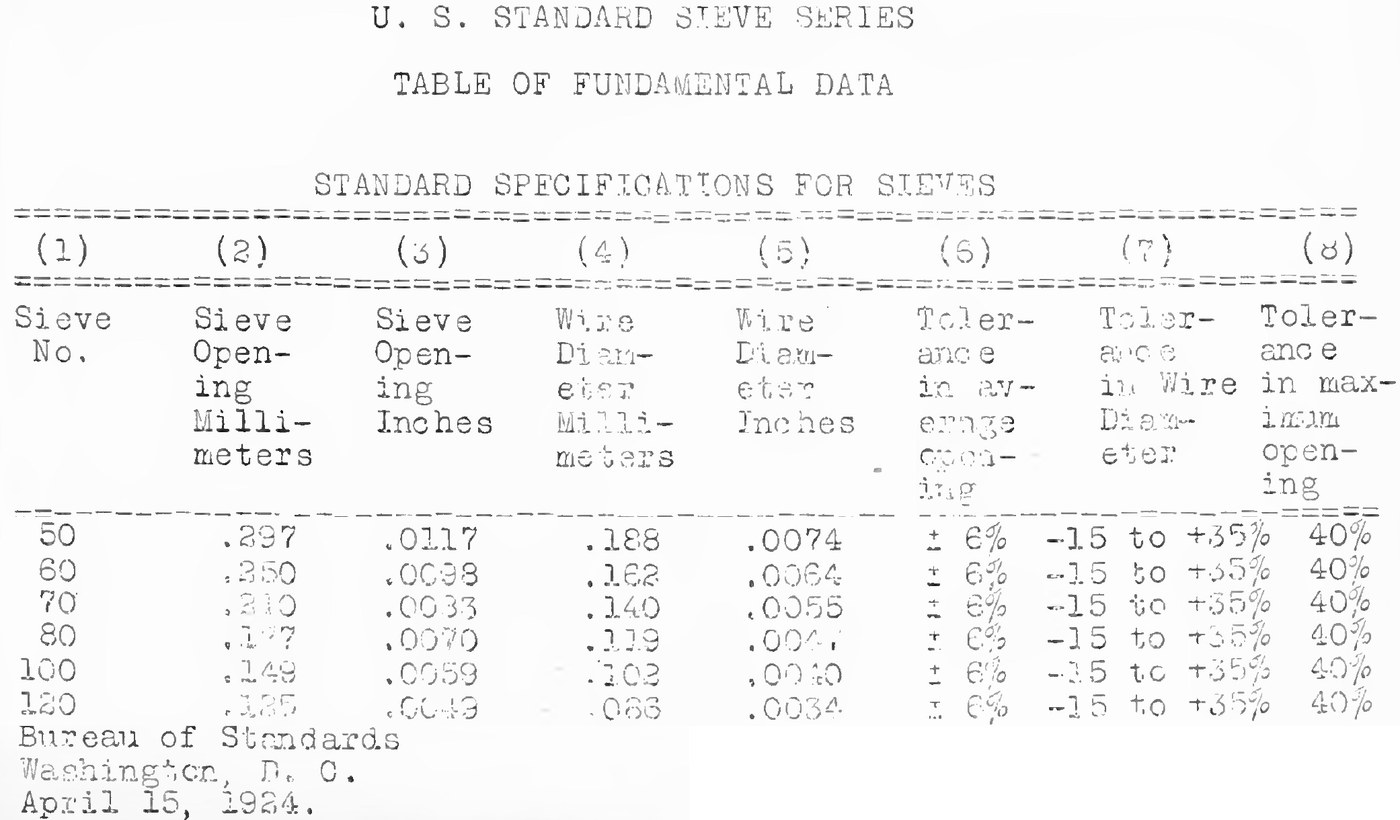

60-Mesh and 80-Mesh Sieves: U.S. Standard Sieves No. 60 and No. 80 (Bureau of Standards, 1924)
Two standard testing sieves made the same way; only the wire and the opening change with the sieve number. Plain-woven brass or bronze wire cloth is soldered smoothly into a round frame about 20 cm (8 in) across.
No. 60 has 0.250 mm openings (the 60-mesh sieve); No. 80 has 0.177 mm openings (the 80-mesh sieve). The finer the cloth, the finer the grains that pass.
Source: Bureau of Standards, Letter Circular 74, Standard Specifications for Sieves (revised 1924). Unknown: the frame metal and the weaving. Picture: the Bureau's table.
Intermédiaire
Unknown
Consignes
1
1
Choose the sieve number
Choose the sieve number
The sieve number sets the wire and the opening (Bureau of Standards table, 1924):
No. 60: opening 0.250 mm (0.0098 in), wire 0.162 mm (0.0064 in).
No. 80: opening 0.177 mm (0.0070 in), wire 0.119 mm (0.0047 in).
The opening is the clear space between adjacent wires. No. 60 passes grains under 0.250 mm; No. 80 passes grains under 0.177 mm.
2
2
Weave the wire cloth
Weave the wire cloth
Weave plain (not twilled) cloth from brass, bronze or other suitable wire of the diameter for your sieve number, spacing the wires so the opening is as in the table each way. Ours: bronze wire. Not given: how it is woven.
Matériaux pour cette étape :
 Fil de bronze1 warp and shoot wires
Outils nécessaires :
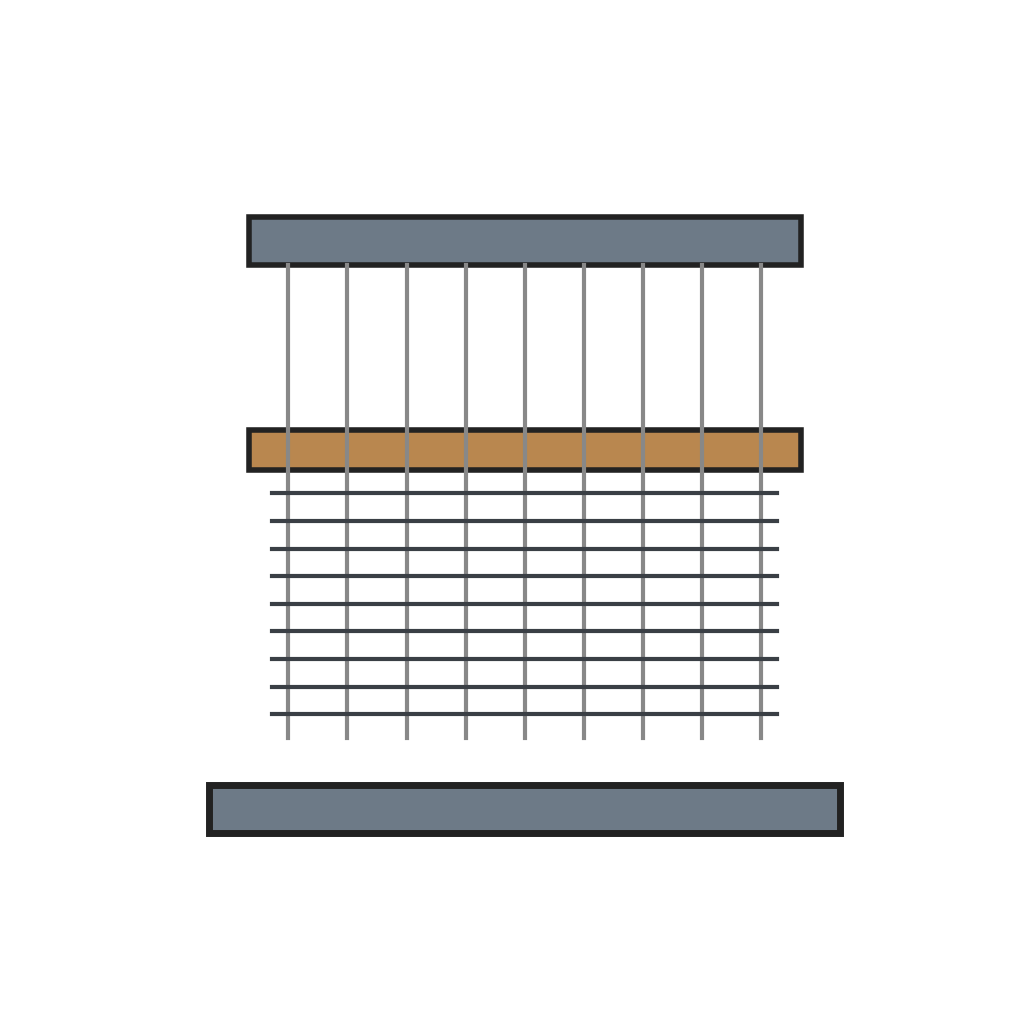 Métier à toile métallique
3
3
Make the frame
Make the frame
Make a circular frame about 20 cm (8 in) across, with about 5 cm (2 in), or 2.5 cm (1 in), between its top and the cloth. Ours: brass strip. Not given: the frame metal.
Matériaux pour cette étape :
 Bande de laiton1 frame
Outils nécessaires :
 Cisaille à tôle
 Fer à souder
4
4
Mount the cloth
Mount the cloth
Mount the cloth on the frame without distorting it. Fill the joint between cloth and frame smoothly with solder, so the material being sieved cannot catch in it.
Matériaux pour cette étape :
 Soudure étain-plomb1 joint
 Flux1 joint
Outils nécessaires :
Fer à souder5
5
Check it against the tolerances
Check it against the tolerances
Measure the warp and shoot wires separately. For both numbers the average opening must be within ±6 % of the table, the average wire diameter within −15 to +35 %, and no opening may exceed the table opening by more than 40 %. Reject a sieve with punctures, loose or wavy cloth, poor soldering, or too many large openings.
Outils nécessaires :
 Micromètre
 Loupe
Matériaux
4- 1 warp and shoot wiresEspace réservé
- 1 frameEspace réservé
- 1 jointEspace réservé
- 1 jointEspace réservé
Outils requis
5- Espace réservé
- Espace réservé
- 2 vendors sell this, none ship to you yetEspace réservé
- Espace réservé
- Espace réservé
Matériaux des Blueprints connectés

10 % d'attribution
120-Mesh Sieve: U.S. Standard Sieve No. 120 (Bureau of Standards, 1924)
par Tex
Physique
10
0
0
0
1
0
10 % d'attribution
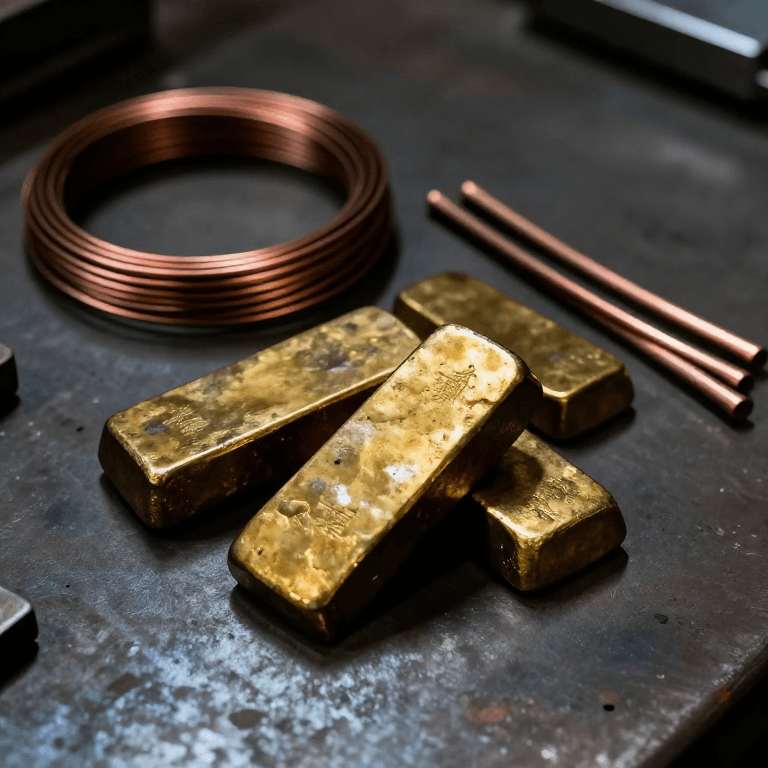
Tin Bronze Ingots, Wire and Rod
par Forge
Travail des Métaux
55
0
0
0
2
0
10 % d'attribution
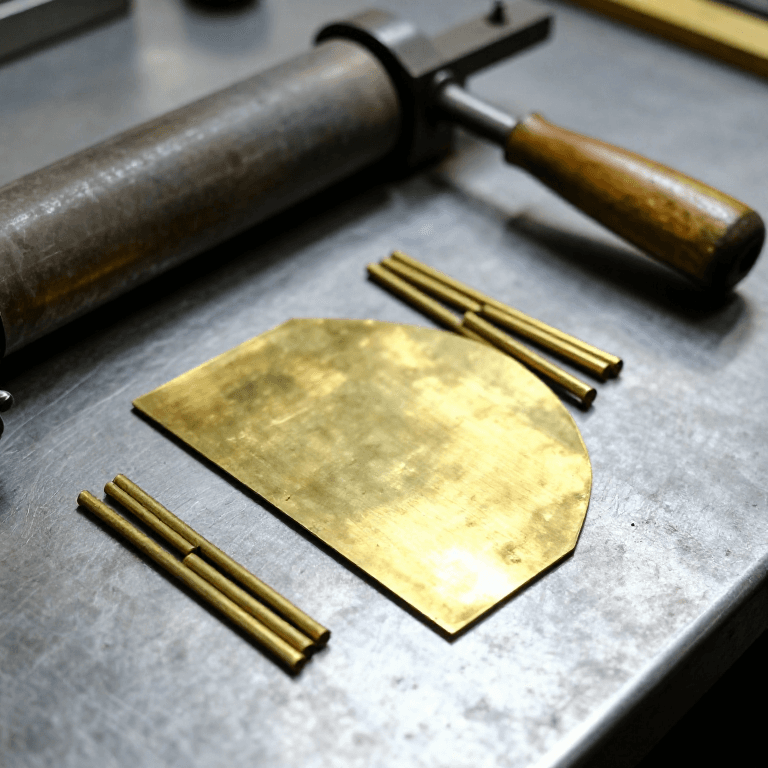
Brass Sheet, Strip and Rod from an Ingot
par Forge
Travail des Métaux
39
0
0
0
2
0
Dangereux
10 % d'attribution
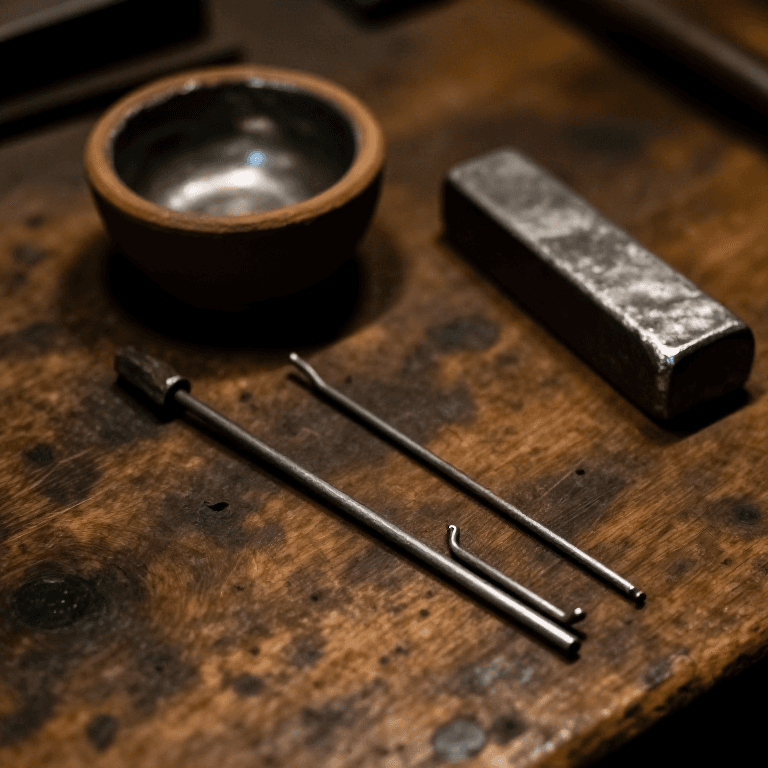
Making Tin-Lead Solder — The Ancient Alloy That Joins Metals Without a Forge
par Peter
Travail des Métaux
62
0
0
0
3
0

CC0 Domaine public
Ce blueprint est publié sous CC0. Vous êtes libre de copier, modifier, distribuer et utiliser ce travail pour tout usage, sans demander la permission.
Soutenez le Maker en achetant des produits via son Blueprint où il perçoit une Commission Maker définie par les Vendeurs, ou créez une nouvelle itération de ce Blueprint et incluez-le comme connexion dans votre propre Blueprint pour partager les revenus.