ART
BEAUTÉ ET BIEN-ÊTRE
ARTISANAT
CULTURE ET HISTOIRE
DIVERTISSEMENT
ENVIRONNEMENT
NOURRITURE ET BOISSONS
INGÉNIERIE INVERSE
SCIENCES
SPORTS
TECHNOLOGIE
TECHNOLOGIE PORTABLE
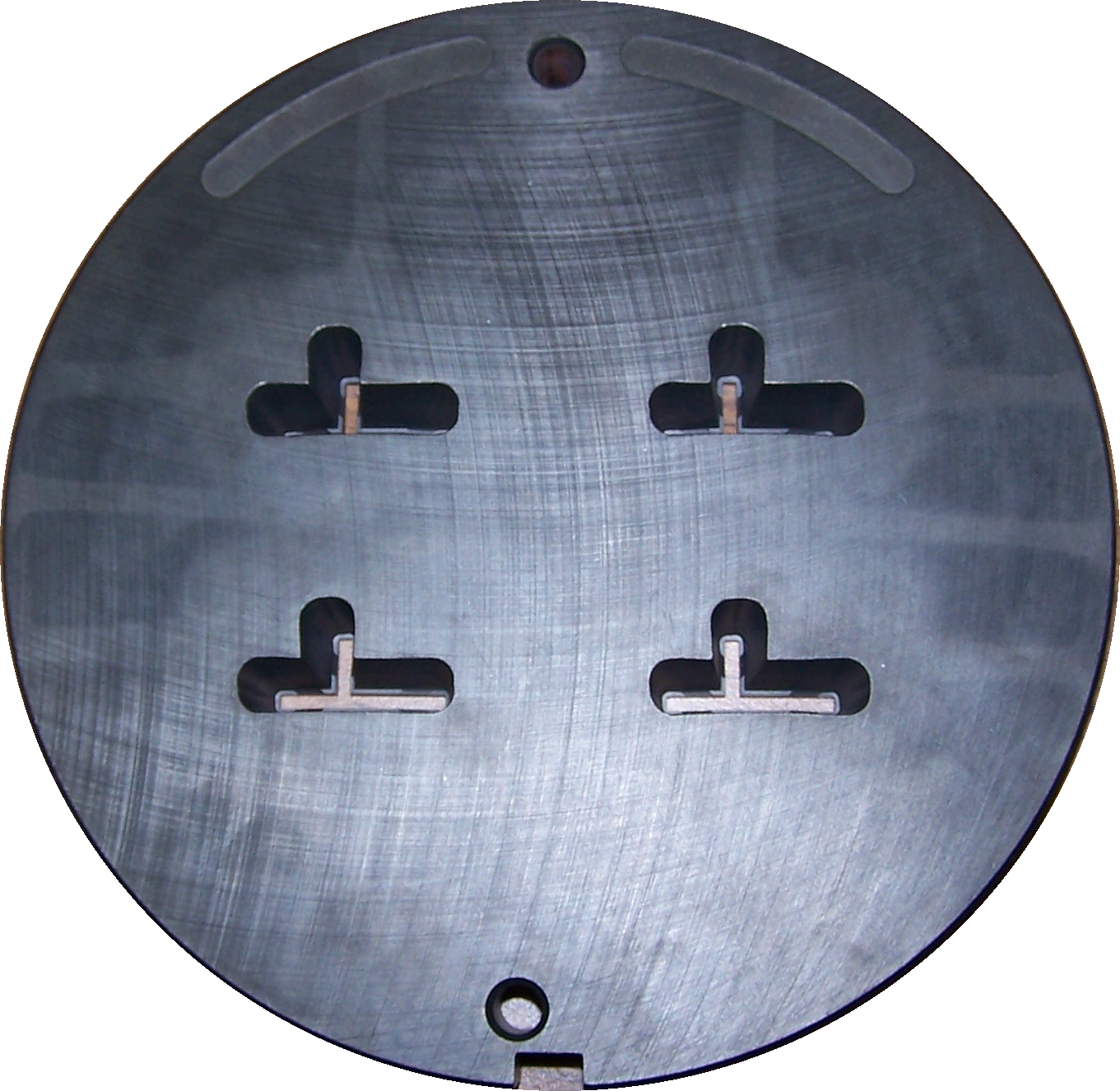


Aluminium Extrusion: Bars, Tubes and Profiles
Almost every aluminium bar, tube, angle and T-slot profile is extruded: a cylinder of aluminium, the billet, is heated to about 350–500 °C, placed in a heavy-walled container and pushed by a ram through a steel die whose opening is the shape of the product, like toothpaste from a tube. Presses range from about 230 to 11,000 tonnes. Hollow shapes such as tube pass round a mandrel or through a die that splits and rejoins the metal. The long extrusion is cooled, stretched to straighten it, cut to length and, for the stronger alloys, heat treated.
This is an industrial process; it explains how the stock that makers buy is made.
Avancé
Minutes per billet (industrial)
Consignes
1
1
Cast and cut billets
Cast and cut billets
Aluminium ingots are remelted with the alloy additions and cast as long round logs, then sawn into billets.
Matériaux pour cette étape :
 Lingot d'aluminium100 kg
2
2
Heat the billet
Heat the billet
Each billet is heated to about 350–500 °C, soft enough to flow but well below melting.
Outils nécessaires :
 Four de recuit
3
3
Load and push
Load and push
The billet goes into the press container in front of the die; the ram pushes it through at pressures of tens to hundreds of megapascals. The die's opening sets the profile.
Outils nécessaires :
 Presse d'extrusion hydraulique
 Filière d'extrusion
4
4
Cool and stretch
Cool and stretch
The profile runs out on a table, is cooled by air or water, then gripped at both ends and stretched straight.
5
5
Cut and treat
Cut and treat
It is sawn to length; heat-treatable alloys are then aged to full strength.
Outils nécessaires :
Four de recuit6
6
Check the profile
Check the profile
Sections are measured against the drawing's dimensions and tolerances.
Outils nécessaires :
 Pied à coulisse numérique 6 pouces
Matériaux
1- 100 kgEspace réservé
Outils requis
4- Espace réservé
- Espace réservé
- Espace réservé
- Espace réservé
Ce plan fabrique



Blueprints liés
Ces blueprints partagent des connaissances — techniques, matériaux ou principes

CC0 Domaine public
Ce blueprint est publié sous CC0. Vous êtes libre de copier, modifier, distribuer et utiliser ce travail pour tout usage, sans demander la permission.
Soutenez le Maker en achetant des produits via son Blueprint où il perçoit une Commission Maker définie par les Vendeurs, ou créez une nouvelle itération de ce Blueprint et incluez-le comme connexion dans votre propre Blueprint pour partager les revenus.